Is your pool filter leaking and ruining your summer fun? You’re not alone. Many pool owners face this frustrating problem, and it can feel overwhelming when you’re not sure where to start.
Key Takeaways
- Identify Common Causes: Pool filter leaks typically arise from cracked housings, loose fittings, worn seals, damaged O-rings, corroded components, and faulty plugs.
- Look for Signs of Leaks: Watch for reduced water levels, unusual wet spots, increased pump noise, debris accumulation, and erratic pressure gauge readings.
- Essential Tools for Repair: Have a screwdriver, adjustable wrench, pliers, sealant, replacement parts, utility knife, and safety gear on hand to tackle repairs effectively.
- Follow a Step-by-Step Approach: Diagnose the leak source, tighten connections, replace damaged parts, and apply sealant as needed to fix the issue.
- Implement Routine Maintenance: Regular inspections, cleaning, and monitoring water chemistry are crucial to prevent leaks and enhance the lifespan of your pool filter.
- Stay Proactive: Conduct routine pressure tests and keep an eye on the water flow rate to catch potential leaks early and address them promptly.
Understanding Pool Filter Leaks
Pool filter leaks can disrupt your pool’s functioning, leading to water loss and increased maintenance costs. Recognizing the causes and signs of these leaks ensures prompt action.
Common Causes of Pool Filter Leaks
- Cracked Housings: Plastic or fiberglass filter housings can crack due to pressure or extreme temperature changes.
- Loose Fittings: Unsecured connections at the pump or filter may loosen over time, allowing water to escape.
- Worn Seals: Over time, seals and gaskets deteriorate, leading to leaks at the filter’s points of connection.
- Damaged O-rings: O-rings that seal the filter lid or drain plugs can wear out, resulting in water leakage.
- Corroded Components: Metal components, when exposed to chemicals or moisture, may corrode and develop holes.
- Faulty Plugs: If drain plugs are not tightened properly, they create openings for water to leak out.
- Reduced Water Level: Frequent water level drops in the pool indicate possible leaks in the filter system.
- Unusual Wet Spots: Puddles around the filter or pump area suggest leaking water.
- Increased Pump Noise: Excessive noise from the pump points to a potential air leak, often caused by filter issues.
- Debris Accumulation: If debris piles up near the filter, it may indicate that water isn’t circulating properly.
- Fluctuating Pressure Gauge: An erratic or low pressure reading on the gauge often signals a leak in the filter system.
Tools Needed for Repair
You’ll need specific tools to effectively repair a pool filter leak. Using the right equipment ensures the process goes smoothly and safely.
Recommended Products
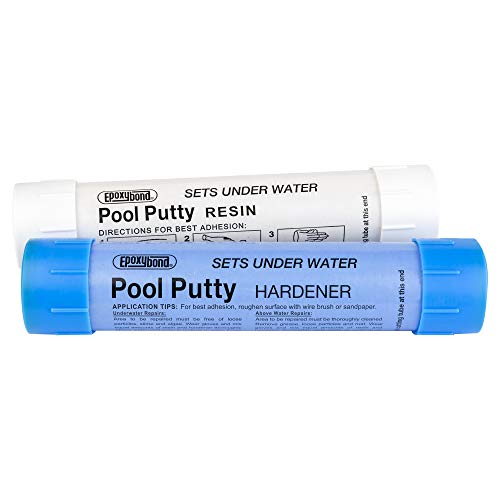
SAFE AND LASTING HAND-MOLDABLE PUTTY APPLY TO FIX LEAKS UNDERWATER: So easy and safe to use. Simply mix 1-to-1, mold putty in your hands, and apply to the area where leak or crack.
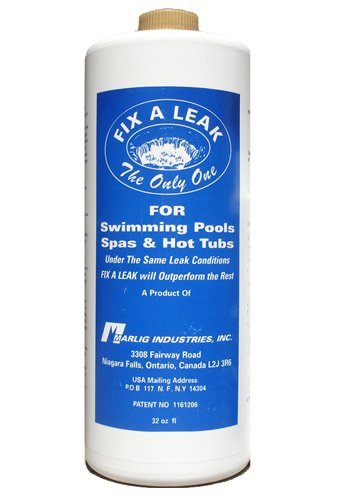
This item will be delivered curbside. To have the item delivered to a location of choice on your property, kindly make additional arrangements with a third party provider ahead of delivery

With pump running add FIX-A-LEAK slowly through skimmer or in front of any other suction intake.
Essential Tools for Fixing Pool Filter Leaks
- Screwdriver: A flat-head and Phillips screwdriver help remove and tighten screws on various components.
- Wrench: An adjustable wrench is essential for loosening and tightening nuts and bolts securely.
- Pliers: Needle-nose pliers assist with gripping small parts and removing stubborn fittings.
- Sealant: Use a quality pool-grade sealant for sealing cracks and gaps, particularly around fittings and joints.
- Replacement Parts: Keep replacement O-rings, gaskets, and seals on hand for quick fixes.
- Utility Knife: A utility knife helps cut away damaged areas or old sealant for better adhesion.
- Safety Goggles: Protects your eyes from debris and chemicals while working on the filter.
- Gloves: Heavy-duty gloves shield your hands from sharp edges and harsh substances.
- Mask: A dust mask guards against inhaling any harmful fumes from sealants or cleaning agents.
- Apron: A protective apron keeps your clothing clean from spills and splashes during repairs.
Equipping yourself with these tools and safety gear allows you to handle pool filter leaks more efficiently and safely.
Step-by-Step Guide on How to Fix Pool Filter Leak
Fixing a pool filter leak involves identifying the source, repairing it, and testing your work. Follow these steps to tackle the issue effectively.
Recommended Products

Part Number: Part Number 87300400 / 87300400Z , O-343. Inner Diameter: 8.98 inch, Thick 0.275 inch

STOP LEAKS ON POOL FILTERS & PUMPS Fix leaking pool filter lids, pump baskets, and union fittings by restoring dry or worn O-rings. Designed as a pool O-ring grease to create a smooth, watertight seal and eliminate air leaks.

Identifying the Source of the Leak
- Inspect the Filter: Check for visible cracks or damage on the filter housing and fittings.
- Examine Connections: Look closely at connections between pipes and the filter. Loose or worn-out fittings often cause leaks.
- Test for Air Leaks: Observe the water level in the pool. If the water level drops and air bubbles appear in the pump, it indicates a leak.
- Check the O-rings: Inspect O-rings on lid seals and connections. Worn or damaged O-rings can lead to leaks.
- Look for Water Accumulation: Notice any puddles or wet spots around the filter area. This can signal a leak.
Repairing the Leak
- Prepare the Area: Turn off the pool pump and filter system. Disconnect the power supply before starting repairs.
- Tighten Connections: Tighten any loose fittings with a wrench. This simple action can resolve minor leaks.
- Replace O-rings: If O-rings are damaged, replace them with new ones. Ensure they fit snugly to create a good seal.
- Apply Sealant: For cracks or small holes, apply waterproof sealant. Follow the manufacturer’s instructions for best results.
- Replace Filter Parts: If the filter housing is damaged, consider replacing it entirely. Obtain the right parts from your local pool supply store.
- Reconnect Everything: Reattach any fittings and ensure the filter system is back in place.
- Turn on the Pump: Power on the pool system and observe for any signs of leakage.
- Monitor for 24 Hours: Keep an eye on the repair over a day. Check for drops in the water level or new signs of leakage.
- Conduct a Pressure Test: If feasible, use a pressure gauge to verify no leaks are present in the filter system.
- Perform Routine Checks: After making repairs, regularly check for leaks to prevent future issues.
By following these steps, you can efficiently address pool filter leaks and keep your pool in optimal condition.
Preventive Maintenance Tips
Maintaining your pool filter properly minimizes leaks and extends its lifespan. Implementing a consistent routine ensures optimal performance and reduces the likelihood of costly repairs.
Recommended Products

COMPLETE REPAIR KIT FOR HAYWARD SUPER PUMP: This all-in-one gasket seal O-ring repair kit is specifically designed for Hayward Super Pump models SP2600, 1600, 2600X, and 1600X, providing everything you need for efficient pump maintenance.
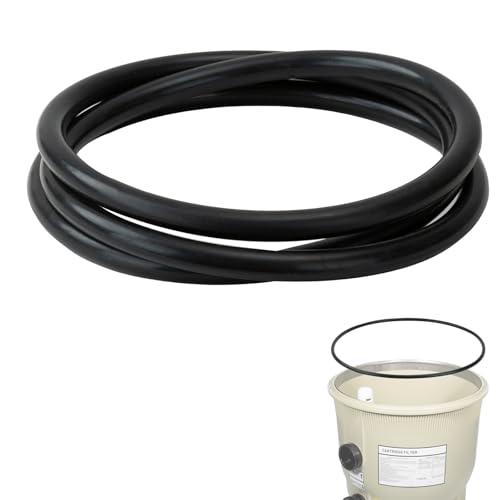
Compatibility: Compatible with Pentair part 39010200 and 39010200z and O-497. Compatible with Pentair Clean & Clear Plus fiberglass reinforced polypropylene tank filters, Pentair FNS Plus vertical grid filters and Pentair Quad pool and spa D. E. filters

NOTE: Please be aware this kit is for pumps manufactured 2/1/2008 and later only. Date may be located on your pumps plastic housing.
Regular Pool Filter Maintenance Practices
- Inspect Regularly: Check the filter and surrounding areas for signs of wear or damage every month.
- Clean the Filter: Rinse the filter with clean water to remove debris and contaminants. A clean filter operates more efficiently.
- Monitor Water Levels: Keep water levels steady to prevent strain on the filter. Water should always cover the skimmer adequately.
- Check O-Rings and Seals: Examine O-rings and seals for cracks or deterioration. Replace them every season to ensure a tight fit.
- Watch Chemical Levels: Maintain balanced pH and chlorine levels. Unbalanced water can cause corrosion on filter components.
- Tighten Connections: Regularly examine and tighten all hose and pipe connections to prevent leaks.
- Use High-Quality Parts: When replacing components, choose durable, high-quality parts that fit your filter model.
- Apply Lubricant: Use silicone-based lubricant on O-rings and seals during installation to enhance their lifespan.
- Conduct Pressure Tests: Perform pressure tests monthly to detect leaks early. This proactive measure identifies issues before they escalate.
- Keep an Eye on Water Flow: Monitor the water flow rate. Slow flow can indicate a filter issue, signaling the need for checks.
Implementing these preventive maintenance tips keeps your pool filter functioning efficiently and mitigates the risk of future leaks.
Conclusion
Taking care of your pool filter is essential for keeping your pool in great shape. By staying vigilant and addressing leaks promptly you can save yourself time and money in the long run. Regular maintenance and inspections will help you catch potential issues before they turn into bigger problems.
Remember to use quality parts and take the time to properly lubricate and tighten connections. With a little effort you can enjoy a clean and sparkling pool all season long. Keep swimming and enjoy your well-maintained oasis!
Frequently Asked Questions
What are the common causes of pool filter leaks?
Pool filter leaks can be caused by worn-out O-rings, loose connections, cracks in the filter housing, or damaged seals. Other factors include improper installation and chemical imbalance in the water. Regular maintenance helps in identifying these issues early.
How can I tell if my pool filter is leaking?
Signs of a pool filter leak include water accumulation around the filter area, decreased water flow, air bubbles in the return jets, and noticeable drops in water level. Promptly investigating these signs can prevent further damage.
What tools do I need to fix a pool filter leak?
To fix a pool filter leak, you typically need basic tools like a screwdriver, wrench, replacement O-rings or seals, lubricant, and a pressure gauge. Having these tools on hand can simplify the repair process.
What are some preventive maintenance tips for pool filters?
Regular preventive maintenance includes inspecting the filter for cracks, cleaning it, monitoring water levels and chemical balance, tightening connections, and checking O-rings and seals. These practices help prevent leaks and extend the filter’s lifespan.
How can I extend the lifespan of my pool filter?
To extend your pool filter’s lifespan, regularly clean it, monitor chemical levels, use high-quality replacement parts, apply lubrication on seals, tighten connections, and perform pressure tests. Consistent maintenance ensures efficient operation and reduces the need for costly repairs.