Is your pool looking more like a murky pond than a refreshing oasis? You’re not alone. Many pool owners face the frustration of cloudy water, which can keep you from enjoying those sunny days by the water.
Table of Contents
Key Takeaways
- Identify Causes of Cloudiness: Common factors include poor filtration, chemical imbalance, algae growth, debris accumulation, and high calcium levels.
- Test Water Regularly: Use a reliable testing kit to monitor pH, alkalinity, and chlorine levels, ensuring they remain within ideal ranges (pH 7.2-7.8, alkalinity 80-120 ppm, chlorine 1-3 ppm).
- Balance Chemicals Effectively: Adjust imbalanced chemical levels using appropriate agents and allow water circulation for at least four hours before retesting.
- Maintain Filtration Systems: Operate filters for 8-12 hours daily, clean or backwash regularly, and consider using a clarifier to improve clarity.
- Implement Cleaning Routines: Daily skimming, weekly brushing, and regular vacuuming eliminate debris and prevent the buildup that leads to cloudiness.
- Know When to Seek Help: If cloudiness persists or if there are signs of algae growth, filter issues, or complex repairs, consider enlisting professional services for expert assessment.
Understanding Cloudy Pool Water
Cloudy pool water often arises from several factors. Knowing these can help you take effective action to restore clarity.
Recommended Products

Super Water Clarifier: Clorox Pool&Spa Swimming Pool Super Water Clarifier is a concentrated solution that clears dull, hazy, or cloudy pool water, leaving it sparkling clear. Ideal for restoring the clarity and sparkle of your pool.
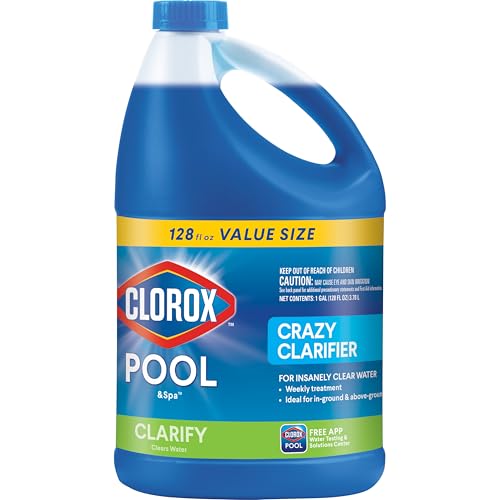
Clears Cloudy Water: Clorox Pool&Spa Swimming Pool Crazy Clarifier ensures insanely clear water. This super-charged pool clarifier maintains clarity by improving filtration and clearing cloudy, hazy water.

BENEFITS: Clears up dull, cloudy or hazy pool water so you can relax in crystal clear water all summer long
Common Causes of Cloudy Water
- Poor Filtration: An inefficient or dirty filter can’t effectively remove particles, leading to cloudiness.
- Chemical Imbalance: Improper pH or alkalinity levels can cause suspended particles to form in the water.
- Algae Growth: Even small amounts of algae can cloud water, especially in warm temperatures.
- Debris Accumulation: Leaves, dirt, and other debris can accumulate, contributing to a hazy appearance.
- High Calcium Levels: Excess calcium can result in cloudiness and scaling on pool surfaces.
Importance of Water Clarity
Maintaining clear water is essential for several reasons. Clear water enhances your pool’s appearance, making it more inviting. It also improves safety, as cloudy water can hide hazards like pool toys or uneven surfaces. Moreover, clear water typically indicates proper chemical balance, reducing the risk of algae growth or bacteria. Keeping your pool water clear supports overall health and encourages regular use. Regular testing and maintenance ensure the best swimming experience.
Steps to Clear Cloudy Pool Water
Clearing cloudy pool water involves a few essential steps. Following these procedures helps restore clarity and ensures a safe swimming environment.
Recommended Products

Add 1 ounce per 5,000 gallons of swimming pool water

Eliminate cloudy water, extend your filter life, and keep your pH balanced with our Spa Water Clarifier. Restore hot tub water clarity with the best spa clarifier for hot tubs.

Pool Algae Treatment: Our Pool Algaecide and Clarifier is specially formulated to treat existing algae while providing long-lasting defense against stubborn growth, ensuring that your pool remains clear and algae-free for an extended period of time.
Testing Pool Water
Testing your pool water regularly provides vital information about its condition. Use a reliable water testing kit to check pH, alkalinity, and chlorine levels. Ideal pH levels range from 7.2 to 7.8. For alkalinity, aim for 80 to 120 ppm (parts per million). Ensure chlorine levels are between 1 to 3 ppm. After testing, evaluate any imbalances to determine the necessary adjustments.
Balancing Chemicals
Balancing chemicals restores clarity to your pool water. If pH or alkalinity levels are off, add the appropriate chemicals. Use pH increaser or decreaser to adjust the levels accordingly. For alkalinity, sodium bicarbonate raises levels, while muriatic acid can lower them. After adjustments, allow the water to circulate for at least four hours before re-testing. Repeat this process until all levels fall within the recommended ranges.
Filtering Techniques
Employing effective filtering techniques is crucial for maintaining clear water. Ensure your pool filter operates for at least 8 to 12 hours daily. Clean or backwash the filter regularly to prevent clogs. Consider using a pool clarifier to bind particles together, allowing the filter to capture them more efficiently. Additionally, vacuuming the pool captures debris on the bottom, contributing to overall water clarity.
Maintenance Tips for Crystal Clear Water
Maintaining crystal clear pool water requires consistent effort and attention to detail. Following these tips ensures your pool remains inviting and safe for swimming.
Recommended Products

Enjoy a Clean Pool: An ideal daily-use swimming pool leaf skimmer pool net for fast, easy, and efficient cleanup of leaves and fine debris from pools, spas, ponds, and kids' pools. An excellent long-lasting net with a little bit of flex for easier maneuvering.

【Pool Skimmer Net - Upgraded Materials】 Our skimmer net features a meticulously crafted, upgraded structure. The durable, reinforced frame enhances the tool's lifespan, while the ultra-fine leaf rake net bag is made of high-quality, elastic nylon that resists deformation. Whether it's large leaves or fine debris, this pool net can easily scoop them up, providing a thorough pool cleaning.

Ultra-Fine Nylon Mesh for Precision Cleaning – Effortlessly capture tiny insects, fine particles, and debris with our pool skimmer net, perfect for maintaining crystal-clear water in above-ground pools and ponds. Ideal as part of your essential pool cleaning equipment.
Regular Cleaning Routines
- Skim the Surface Daily: Use a skimmer net to remove leaves, bugs, and debris. This prevents buildup and helps maintain clarity.
- Brush Walls and Floors Weekly: Brush surfaces every week to remove algae and dirt. Focus on corners and steps where debris tends to accumulate.
- Vacuum as Needed: Vacuum your pool regularly to eliminate dirt and debris on the bottom. For best results, use a manual or automatic vacuum.
- Clean the Skimmer and Pump Baskets: Check and clean these baskets weekly to keep water flowing freely and maintain optimal filtration.
- Run the Filter Daily: Operate your filter for at least 8-12 hours daily to effectively circulate and clean the water.
- Check the Filter Pressure: Monitor the pressure gauge on your filter. If it reaches 10 psi above the normal reading, backwash or clean the filter.
- Clean or Replace Filter Media: Depending on your filter type, either clean or replace the media (cartridges, sand, or DE) as per the manufacturer’s recommendations, often every few months.
- Ensure Water Flow: Inspect your return jets for proper water flow. Correct water flow helps with effective filtration and prevents stagnation.
When to Call a Professional
Sometimes, despite your best efforts, cloudy pool water remains an issue. In these cases, seeking professional help may be necessary.
Signs You Need Expert Help
- Persistent Cloudiness: If the water’s still cloudy after multiple attempts to balance chemicals and clean the pool, it’s a sign that a deeper issue exists.
- Algae Growth: Noticeable algae blooms indicate that your pool’s chemical balance is off, requiring expert intervention.
- Filter Problems: If the filter’s pressure gauge reads high or low consistently, or if you see water bypassing the filtration system, professionals can assess and repair the filter.
- Water Clarity Issues: If clarity doesn’t improve after following standard maintenance practices, expert troubleshooting may be necessary.
- Complex Repairs: Issues like broken hoses, sophisticated plumbing problems, or electrical issues with pumps can require specialized knowledge.
Expected Costs of Professional Services
Costs for professional pool services can vary based on factors like location, extent of work required, and service type. Here’s a breakdown:
| Service Type | Average Cost Range |
|---|---|
| Initial water assessment | $75 – $150 |
| Chemical balancing | $50 – $100 |
| Algae removal | $100 – $300 |
| Equipment repair | $100 – $400 |
| Regular maintenance visits | $75 – $200 per visit |
| Pool opening/closing | $150 – $300 |
Remember, investing in professional help could prevent further issues and save money in the long run.
Conclusion
Getting your pool water clear again doesn’t have to be a daunting task. With the right maintenance and care you can enjoy a sparkling clean pool all season long. Remember to regularly test and balance your water chemistry and keep your filter in top shape.
If you find yourself facing persistent issues don’t hesitate to call in a professional. They can provide the expertise needed to tackle more complex problems. Investing in their help can save you time and money while ensuring your pool remains a safe and inviting space for you and your family. Enjoy those sunny days by the pool with confidence!
Frequently Asked Questions
What causes cloudy pool water?
Cloudy pool water can result from several factors, including improper chemical balance, inadequate filtration, debris accumulation, and algae growth. Testing water regularly helps identify imbalances early, which can alleviate clarity issues.
How can I maintain clear pool water?
To maintain clear pool water, regularly test and balance chemical levels, clean skimmers and filters, and remove debris. Maintain proper circulation and run your filtration system for at least eight hours daily to keep water clear.
When should I seek professional help for my pool?
Seek professional help if cloudiness persists despite your efforts, if you notice algae growth, if your filter is malfunctioning, or for complex repairs. Professional services can ensure your pool is safe and well-maintained.
What are the expected costs of professional pool services?
The costs for professional pool services can vary widely based on location and service complexity. Basic maintenance can range from $75 to $150, while specialized treatments for persistent issues can go higher. Investing in expert help can save money in the long run.
How can I prevent cloudy pool water in the future?
To prevent future cloudiness, maintain regular cleaning and testing schedules, ensure proper filtration, and balance chemicals. Cover your pool when not in use to minimize debris and reduce chemical fluctuations caused by weather changes.