Is your pool looking more like a swamp than a sparkling oasis after the winter months? You’re not alone. Many pool owners face the daunting task of cleaning up after the cold season, and it can feel overwhelming.
Table of Contents
Key Takeaways
- Preparation is Essential: Gather all necessary tools and supplies like skimmers, hoses, and brushes before starting the cleaning process to streamline your work.
- Debris Removal First: Use a skimmer net and leaf rake to remove floating and settled debris, ensuring to check corners and steps thoroughly.
- Brush for a Deep Clean: Scrub the pool surfaces with an appropriate brush to dislodge dirt and algae, improving the efficiency of subsequent vacuuming.
- Test Water Chemistry: Regularly test pH, chlorine, alkalinity, and calcium hardness levels to maintain safe and clear pool water after cleaning.
- Adjust Chemicals Carefully: Use the right chemicals as needed to fix imbalances, following manufacturer instructions to avoid over-treating.
- Maintain Equipment: Regularly check your pool filter and pumps after cleaning to ensure optimal performance and prolong equipment lifespan.
Preparation Steps Before Cleaning
Preparing for cleaning your pool after winter sets the stage for an efficient process. Follow these steps to make the task manageable and effective.
Recommended Products

PRO SPA MAINTENANCE SET- Pool maintenance kits includes one 10” vinyl liner pool brush, one ultra-fine mesh pool middle aluminum frame skimmer net and 50” adjustable aluminum pole

Dual-Purpose: use it at the start of the season to get your pool swim-ready or keep your water balanced all season long with a bundled set of essential chemicals at a great value.
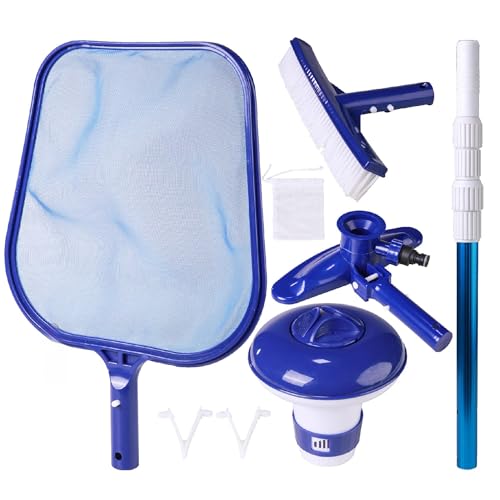
[Ideal Kit] - Cleaning kit for AG pool/Spa: 10" Vacuum Head, 12" Leaf Skimmer, 10" pool brush, 4FT Telescopic Aluminum Pole, Small Chlorine Dispenser & 2 extra V-clips.
Gather Necessary Supplies
- Pool Skimmer: Use this tool for removing leaves and debris floating on the water surface.
- Leaf Rake: A leaf rake helps collect larger debris from the bottom of the pool.
- Hoses: Ensure you have a garden hose for filling the pool or rinsing off cleaning tools.
- Brushes: Choose a brush designed for pool surfaces to scrub away stubborn dirt and grime.
- Pool Vacuum: A vacuum helps suck up dirt and debris from the pool floor effectively.
- Chemicals: Collect essential chemicals, such as chlorine and algaecide, to balance water chemistry post-cleaning.
- Test Kit: Get a pool water test kit to check pH and chlorine levels before use.
- Wear Protective Gear: Equip yourself with gloves and goggles when handling chemicals or scrubbing surfaces.
- Check Electrical Equipment: Inspect pumps and other electrical devices for damage before plugging them in.
- Remove Hazardous Materials: Clear away any sharp objects or obstacles around the pool area to prevent accidents.
- Ensure Proper Ventilation: Keep your cleaning area ventilated if using chemicals to avoid inhaling fumes.
- Stay Hydrated: Keep water nearby to stay hydrated, especially if working outdoors in sunny weather.
- Use Caution on Slippery Surfaces: Move carefully around the pool to avoid slips and falls.
By completing these preparation steps, you’ll set yourself up for a successful pool cleaning experience.
Steps to Clean Your Pool After Winter
Cleaning your pool after winter can be a straightforward process if you follow these steps.
Recommended Products
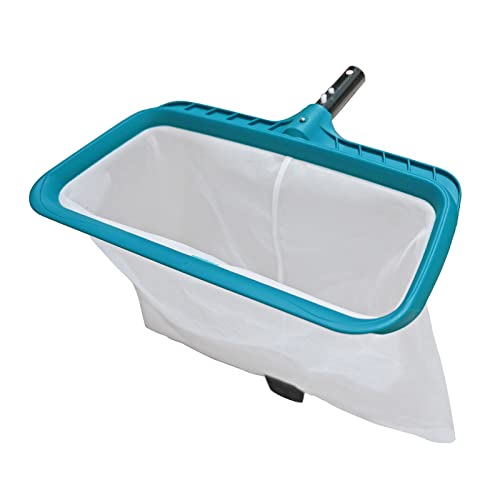
Large Capacity: 17" swimming pool leaf rake, 11" W, 14" deep net.The heavy duty lightweight plastic molded frame is safe for use in all types of pools and it won't mar pool liners

Fast Pool Cleaning: Ideal daily use set of 2 pool nets. Includes a skimmer pool net and a pool rake net to use for quick, easy, and efficient cleanup of leaves and debris from pools and spas. Net fits standard size (1-1/4") telescopic pool vacuum poles. Pole not included.
Removing Debris and Leaves
Start by using a skimmer net to remove large debris like leaves and twigs. Move methodically across the pool’s surface to ensure you catch everything. Next, use a leaf rake for heavier debris that may have sunk to the bottom. Pay attention to corners and steps, as these areas often trap residues. After collecting debris, dispose of it properly to avoid clogging your filtration system.
Brushing the Pool Surface
Brush the pool walls and floor to dislodge any dirt or algae. Use a pool brush with an appropriate head for your pool surface—vinyl brushes for vinyl pools, and stiff-bristled brushes for concrete. Focus on areas with visible stains or algae growth. Brush in a systematic manner, starting from the deep end and working toward the shallow end. This technique ensures dirt flows toward the main drain, making it easier to vacuum later.
Water Treatment and Balancing
After cleaning your pool, the next step focuses on water treatment and balancing. Proper water chemistry keeps your pool safe, clear, and inviting.
Recommended Products
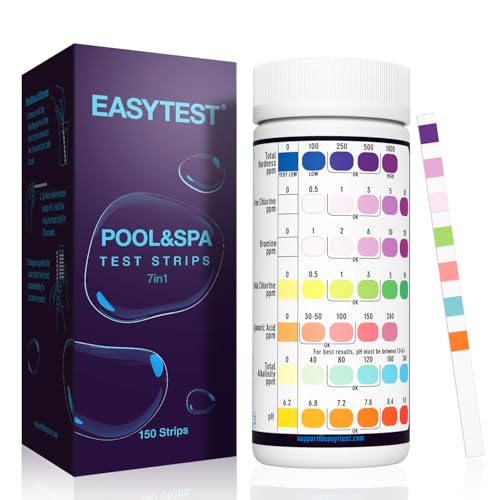
AFFORDABLE 150 STRIPS: This water chemical testing kit contains 150 test strips. Enough balanced for your swimming pool, hot tub, spa and other water testing. At least testing twice a week is recommended to keep your pool sparkling clean and safe.

Fresh, Accurate Pool Test Strips - AquaChek Yellow Chlorine 4-in-1 includes 50 precision test strips—perfect for a full season of reliable water testing for pools and spas that use chlorine. No expired extras, no bulky packs—just fresh, accurate results from AquaChek, the most trusted brand in pool and spa water testing.

Premium Quality 8-in-1 Pool Test Strips– Crafted with premium Nordic fiber paper, our Salt Water Pool Testing Kit delivers more precise and reliable readings than standard strips. The high-quality filter paper prevents colors from bleeding between test pads, further improving accuracy and reliability, and ensures each result is clear, easy to read, and trustworthy for everyday pool and spa water testing.
Testing Water Chemistry
Testing water chemistry is crucial for maintaining balanced water. Use a reliable test kit or test strips designed for swimming pools. Check these key parameters:
- pH Level: Aim for a pH between 7.2 and 7.8. An unbalanced pH can lead to skin irritation and cloudy water.
- Chlorine Levels: Maintain free chlorine between 1 and 3 parts per million (ppm) for effective sanitation.
- Alkalinity: Total alkalinity should sit between 80 and 120 ppm. This stabilizes pH levels and prevents fluctuations.
- Calcium Hardness: Keep calcium hardness between 200 and 400 ppm to protect your pool surfaces and equipment.
Test your water a few days after cleaning and adjusting for the first time. Regular tests every week, and more frequently during heavy use, ensure ongoing balance.
Adding Chemicals
Adding chemicals helps correct any imbalances found during testing. Follow these steps:
- Adjust pH: If pH is low, add a pH increaser like sodium bicarbonate. If it’s high, use a pH decreaser like sodium bisulfate.
- Chlorine Treatment: If chlorine levels are low, add a chlorine shock treatment to rapidly raise the levels. This helps kill any lingering bacteria.
- Balance Alkalinity: For low alkalinity, use sodium bicarbonate. If high, consider adding muriatic acid in small increments.
- Calcium Hardness: If calcium levels are low, add calcium chloride. High levels might require diluting your pool water.
Always follow manufacturer instructions on chemical products. Incorporate careful measurements to avoid over-treating, which could create new balance issues. Allow chemicals time to circulate before retesting water chemistry.
Your pool maintenance routine remains effective by consistently testing and adjusting water chemistry. These steps ensure crystal-clear water, ready for enjoyment.
Equipment Maintenance Post-Cleaning
Once cleaning is complete, focus on maintaining your pool equipment. This step ensures your pool continues to run smoothly throughout the season.
Checking the Pool Filter
Check your pool filter to ensure it operates effectively. Start by inspecting the filter gauge. If it indicates high pressure, clean or replace the filter media. Depending on your filter type—sand, cartridge, or diatomaceous earth—follow the manufacturer’s instructions for cleaning. After cleaning, run the filter for at least 24 hours to ensure proper circulation and clarity.
Inspecting Pumps and Hoses
Inspect your pool pumps and hoses regularly for any signs of wear. Look for leaks, cracks, or loose connections. Clear any debris trapped in the pump strainer basket. Ensure the hoses are kink-free and securely attached to prevent water loss. If you notice significant damage, replace the faulty parts to maintain optimal performance. Regular maintenance of pumps and hoses prolongs their lifespan and enhances overall pool efficiency.
Conclusion
Getting your pool ready for the warmer months doesn’t have to be overwhelming. With a little effort and the right approach you can transform your winterized pool into a sparkling oasis. Remember to take your time with each step from removing debris to balancing the water chemistry.
Regular maintenance not only keeps your pool looking great but also ensures it stays safe for swimming. By checking your equipment and making adjustments as needed you’ll enjoy a hassle-free swimming season. So grab your supplies and get started—your summer paradise is just a clean pool away!
Frequently Asked Questions
What steps should I take to clean my pool after winter?
Start by removing leaves and debris with a skimmer net and leaf rake. Next, brush the pool walls and floor, focusing on dislodging dirt and algae. Use a brush suitable for your pool surface and work from the deep end to the shallow end. After brushing, vacuum the pool to clean up the loosened debris.
How do I maintain proper water chemistry in my pool?
Regularly test your pool water for pH, chlorine, alkalinity, and calcium hardness. Adjust the chemical levels as needed by adding appropriate products to correct any imbalances. It’s important to maintain these levels for safe and clear swimming water.
Why is brushing my pool important?
Brushing helps eliminate dirt, algae, and other buildup from the pool walls and floor. It prepares the surface for vacuuming, ensuring a thorough cleaning. Regular brushing also prevents algae growth, contributing to a healthier pool environment.
How often should I test my pool water?
It’s recommended to test your pool water at least once a week during the swimming season. More frequent testing may be necessary during heavy use or after heavy rain, as these can affect chemical levels. Regular testing ensures safe swimming conditions.
What maintenance should I do for pool equipment?
Regular maintenance includes checking the pool filter for proper operation and inspecting pumps and hoses for wear. Clean or replace filters as needed and ensure all equipment is functioning efficiently to prolong its lifespan and maintain optimal pool performance.