Have you ever noticed your pool isn’t as clean as it should be? A clogged or damaged impeller could be the culprit. If your pool pump isn’t working efficiently, it can lead to murky water and increased maintenance costs.
Table of Contents
Key Takeaways
- Importance of the Impeller: A properly functioning pool pump impeller is essential for effective water circulation and maintaining pool clarity, preventing murky water and high maintenance costs.
- Regular Inspections: Performing regular checks on the impeller can identify clogs, wear and tear, or misalignment, ensuring optimal filtration performance and extending the lifespan of your pump.
- Energy Efficiency: An efficient impeller helps lower energy consumption, reducing electricity bills as the pump operates effectively without overworking due to blockages.
- Preventative Maintenance: Addressing minor issues during inspections can prevent costly repairs and ensure the longevity of the pool pump system.
- Safety First: A well-maintained impeller contributes to a safe swimming environment by reducing the risk of algae and bacteria growth in pool water.
Importance Of A Pool Pump Impeller
A pool pump impeller plays a critical role in keeping your pool clean and clear. This component helps circulate water through the filter, preventing debris buildup. A malfunctioning impeller can lead to poor water flow, resulting in murky water and increased maintenance costs.
Efficient Water Circulation
Efficient water circulation is vital for maintaining pool clarity. The impeller creates suction that pulls water into the pump. It subsequently pushes the water through the filter. When the impeller operates correctly, it efficiently removes dirt and contaminants, ensuring crystal-clear water.
Impact on Filtration
The impeller directly affects the filtration process. If the impeller is clogged or damaged, water doesn’t flow as it should. This leads to inadequate filtration, leaving dirt and debris in the pool. Regularly checking the impeller ensures optimal filtration performance.
Energy Consumption
An efficient impeller contributes to lower energy consumption. When the impeller functions properly, the pump works less to move water. This results in lower electricity bills over time. On the other hand, an obstructed or broken impeller forces the pump to work harder, increasing energy costs significantly.
Preventing Major Repairs
Regular maintenance of the impeller prevents major repairs. If you neglect to check it, small issues can escalate into significant problems, leading to costly repairs. By inspecting the impeller and addressing any clogs or damage, you keep your pool pump in peak condition.
Safe Swimming Environment
A properly functioning impeller ensures a safe swimming environment. Clean, well-circulated water reduces the risk of algae and bacteria growth. By ensuring the impeller works correctly, you maintain safe swimming conditions for you and your family.
By understanding the importance of your pool pump impeller, you can take proactive steps to maintain your pool’s cleanliness and efficiency. Regular inspections and maintenance make a significant difference in your pool experience.
Tools Needed
To check your pool pump impeller effectively, gather a few tools. Having the right equipment makes the process easier and more efficient.
Recommended Products

Applicable models:Compatible with Sta-Rite Max-E-Glas and Dura-Glas inground pool and spa pump systems. Fits for multiple series including PEA, PE5D, PE6D, P2RA and P2R models. Designed for 0.75HP to 1HP pumps. Please confirm your pump model and horsepower before ordering.
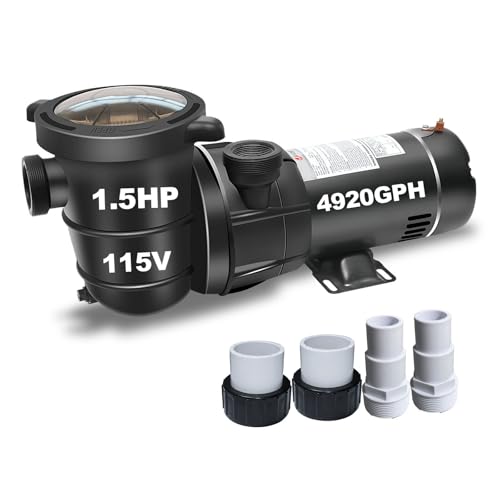
EASY TO OPERATE-Comes with 6.6ft power cord and on/off switch which allows user to run and stop pump conveniently. A see-thru cover with cam-lock lid for quick inspection and tool-free service. Order this amazing pool water pump and get rid of boring service work, all you need to do is to concentrate on enjoying wonderful pool time with your family!
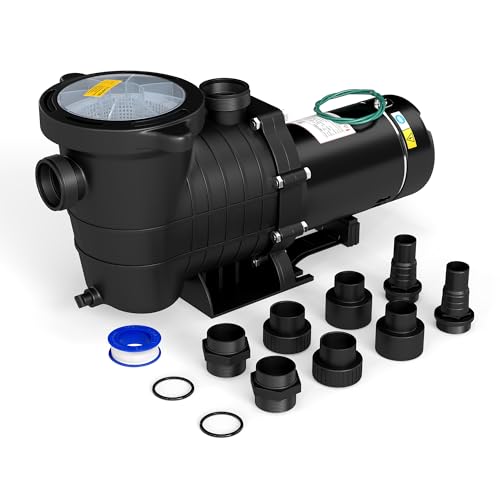
Powerful Performance: This 2.0 HP pool pump features a durable pure copper motor compatible with 115V & 230V voltage. Designed with self-priming impeller, it runs at 3450 RPM, offers 6800 GPH max flow and 55.7 FT head, delivering efficient water circulation with low noise and smooth operation for both above-ground and in-ground pools
Essential Tools
- Screwdriver: Use a flathead or Phillips screwdriver to remove the pump housing cover.
- Multimeter: This tool helps measure electrical current, ensuring your pump is receiving the right voltage.
- Pliers: Needle-nose pliers assist in removing any debris or small components blocking the impeller.
- Garden Hose: A hose provides a clean water source for rinsing off the impeller and other parts.
- Flashlight: A good flashlight allows you to see inside the pump, making it easier to inspect the impeller.
- Let’s Check for Leaks: A dye test kit helps identify leaks around the impeller or pump seal.
- Camera: A smartphone with a camera can capture images of the impeller condition for reference.
- Pressure Gauge: This gauge lets you monitor the water pressure, providing insight into pump performance.
- Replacement Parts: Keep spare parts like seals and O-rings handy for quick replacements if needed.
Step-By-Step Guide
Checking your pool pump impeller is essential for maintaining optimal water circulation and cleanliness. Follow these steps for a thorough inspection of the impeller.
Recommended Products
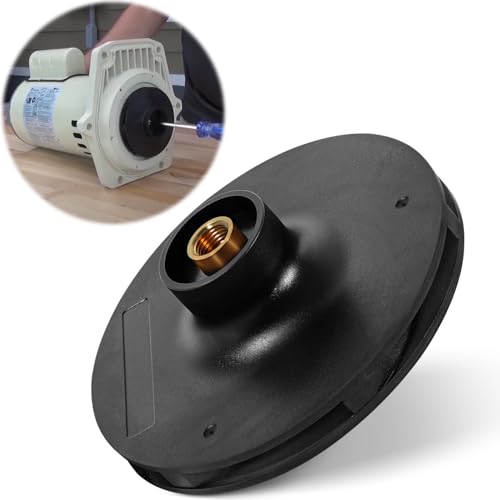
Quiet Operation - The optimized hydrodynamic design of the impeller helps reduce vibration and noise. The impeller’s design also optimizes the water flow path, enabling it to move the corresponding horsepower of water efficiently. This ensures a stable and sufficient water flow to meet your pool and spa requirements

SFX1000 pool pump: Above Ground Pools Filter Pump Rotor Assembly for Polygroup Summer Waves Replacement Part # P58050505001, P580505050

Fits for 2 HP 1000 Series Pump WF-8 WFE-8 WFK-8 WFDS-8 WF-30 WFE-30 WFDS-30
Power Off The Pump
- Turn off the power to the pool pump at the circuit breaker.
- Confirm the pump is off by checking the control panel or listening for any noise.
Remove The Pump Cover
- Use a screwdriver to remove the screws from the pump cover.
- Carefully lift off the cover to avoid damaging any connectors.
- Set the cover aside in a safe place to prevent loss.
Inspect The Impeller
- Look for visible damage or wear on the impeller blades.
- Check for debris or obstructions that may hinder movement.
- Spin the impeller manually to ensure it rotates freely.
- Use a garden hose to wash away any dirt or debris.
- If buildup persists, use a soft brush for gentle scrubbing.
- Rinse thoroughly to remove any cleaning residue.
Regularly checking and cleaning the pump impeller helps ensure your pool remains a clean and inviting space.
Common Issues To Look For
Checking the pool pump impeller involves identifying common issues that can hinder performance. Being aware of these problems ensures a properly functioning pool system.
Recommended Products
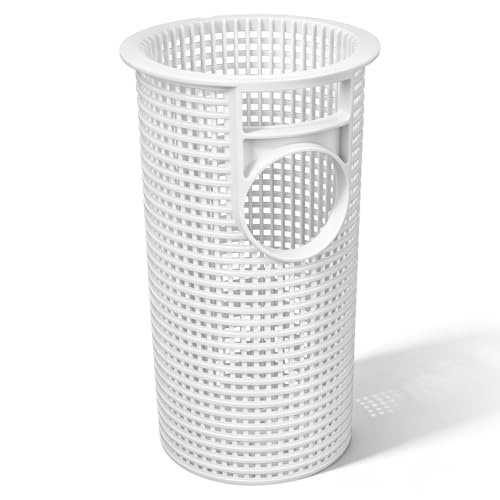
Perfect Fit & Direct Replacement: Designed exclusively for the R0480100 basket, this replacement ensures a seamless fit for Zodiac Jandy FloPro FHPM series pool pumps. Enjoy hassle-free, direct installation with no modifications required. "Fits Zodiac Jandy FloPro & FHPM series ONLY — NOT for Stealth/PlusHP. Verify your pump model before ordering."

Compatible Replacement: R0480100 Pump basket replacement compatible with Jandy FloPro FHPM series pumps, pool pump strainer basket ensures a snug fit and effective performance. Precision engineered to match original size (4.3"L x 5.5"W x 9.2"H), lightweight design for quick removal and rinsing

[Perfect Replacement Fit] Specifically designed as a direct replacement for pool pump systems requiring model R0445900. This pool filter basket is engineered to fit seamlessly, preventing bypass and ensuring all water flows through the filter, keeping the pool water clear and transparent.
Clogs Or Debris
Inspect for clogs or debris within the impeller. Leaves, dirt, or small objects can obstruct water flow. Follow these steps:
- Power Off: Turn off the pool pump to ensure safety.
- Remove Cover: Use a screwdriver to take off the pump cover.
- Visual Check: Look inside the impeller for any visible obstructions.
- Clear Debris: If debris is present, carefully remove it with pliers or your hands.
Regularly checking for clogs can prevent pump damage and ensure optimal circulation.
Wear And Tear
Examine the impeller for signs of wear and tear. Corrosion or cracks can reduce efficiency. To assess condition:
- Visual Inspection: Look for cracks, chips, or corrosion on the impeller surface.
- Check Rotation: Spin the impeller by hand. It should move smoothly without resistance.
If you notice significant wear, replacement of the impeller might be necessary to maintain proper water flow.
Misalignment
Check for misalignment of the impeller in the housing. Misalignment can cause vibrations and inefficiency. To resolve this issue:
- Inspect Alignment: Ensure the impeller is seated correctly within the housing.
- Adjust Position: If misaligned, carefully reposition it to fit snugly.
- Retighten: Secure the pump cover to prevent future misalignment.
Addressing misalignment promptly keeps your pump operating smoothly and extends its lifespan.
Conclusion
Keeping your pool pump impeller in top shape is key to maintaining a sparkling clean pool. By regularly checking for clogs and wear you can avoid costly repairs and ensure your water circulates efficiently. Don’t forget to take the time to clear any debris and realign the impeller when necessary.
With a little effort you can enjoy a beautifully maintained pool all season long. So grab your tools and get started on those impeller checks. Your pool will thank you for it!
Frequently Asked Questions
Why is the pool pump impeller important?
The pool pump impeller plays a crucial role in circulating water effectively. A well-functioning impeller ensures clean, clear water by helping to filter out debris and contaminants. Regular maintenance of the impeller prevents issues like murky water and costly repairs.
How often should I inspect my pool pump impeller?
It’s recommended to inspect your pool pump impeller at least once a month. Regular checks help identify issues such as clogs or wear before they become bigger problems, ensuring optimal performance and water clarity.
What are common issues with pool pump impellers?
Common issues include clogs, wear and tear, and misalignment. Clogs can reduce water flow, while wear can impair the impeller’s efficiency. Misalignment can cause increased noise and vibration, which may indicate a need for adjustment or replacement.
How do I check my pool pump impeller?
To check the impeller, first, turn off the power to the pump. Remove the cover and visually inspect the impeller for damage, clogs, or misalignment. Clear any debris, and if it appears worn or damaged, consider replacing it for optimal function.
What should I do if my impeller is clogged?
If your impeller is clogged, first turn off the pump. Remove any visible debris carefully, ensuring not to damage the impeller. Once cleared, reassemble the pump and turn it back on to check if water circulation improves.
Can I replace the impeller myself?
Yes, you can replace the impeller yourself if you have basic DIY skills. Follow the manufacturer’s instructions and ensure the pump is powered off before starting. If you’re unsure, consider consulting a professional for assistance.