Ever wondered why your skin feels itchy after a swim? The answer might lie in the pool’s pH level. Maintaining the right pH balance is crucial for a clean and enjoyable swimming experience. If it’s too high or too low, it can lead to discomfort and even damage to your pool equipment.
Table of Contents
Key Takeaways
- The ideal pH level for swimming pools is between 7.2 and 7.8, crucial for swimmer comfort and water clarity.
- Proper pH balance protects pool equipment from corrosion and scale buildup, ensuring longevity and efficiency.
- Regular pH testing is essential; test at least once a week or more often after heavy usage or rainfall.
- Adjust pH levels using sodium carbonate to raise or muriatic acid to lower, adding chemicals gradually and retesting frequently.
- Maintaining the right pH enhances chlorine effectiveness, safeguarding against waterborne illnesses and promoting a healthy swimming environment.
Understanding pH Level
pH level measures how acidic or alkaline your swimming pool water is. The scale ranges from 0 to 14, with 7 considered neutral. For pools, the ideal pH level sits between 7.2 and 7.8. Maintaining this balance is crucial for several reasons.
Importance of pH Balance
- Comfort: A balanced pH level enhances swimmer comfort. Water that’s too acidic can irritate skin and eyes. Conversely, water that’s too alkaline might cause cloudy water.
- Equipment Protection: Maintaining proper pH protects pool equipment. Acidic water corrodes metal components, while alkaline water can lead to scale buildup on surfaces and filters.
- Chemical Efficiency: Chemicals like chlorine work best within the ideal pH range. If the pH deviates significantly, the effectiveness of chlorine diminishes, leading to potential sanitation issues.
Measuring pH Level
You can measure pH using test strips or liquid test kits available at pool supply stores. To get accurate readings, follow these steps:
- Gather Supplies: Have your test kit or strips ready. Use a clean container to collect a sample of pool water.
- Collect Water Sample: Dip the container into the pool at least 12 inches below the surface. Avoid collecting water close to the edges, as this might skew results.
- Test: Follow the instructions provided with your test kit. Compare the color of your sample to the pH scale included with the kit.
Adjusting pH Levels
If your pool’s pH level is outside the ideal range, adjusting it is straightforward.
- Lowering pH: Use muriatic acid or sodium bisulfate to decrease pH levels. Add small amounts gradually, retesting after each addition until you reach the desired level.
- Raising pH: Use sodium carbonate (soda ash) for increasing pH. Again, add in small increments, monitoring the levels frequently.
Frequency of Testing
Regularly testing your pool’s pH is essential for maintenance. Check the pH levels at least once a week, or more frequently during heavy use or after rainstorms. Keeping your pH balanced promotes a safe and enjoyable swimming environment.
Remember, understanding and managing your pool’s pH level contributes directly to the quality of your swimming experience.
Importance of pH Level in Swimming Pools
The pH level in swimming pools plays a vital role in water quality and swimmer safety. Maintaining an appropriate pH elevates enjoyment and ensures a clean swimming environment.
Recommended Products
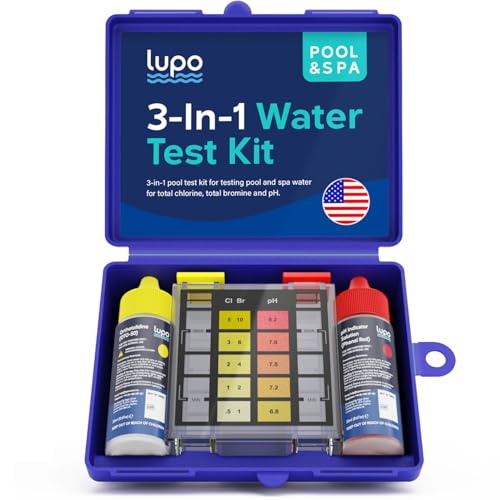
3-IN-1 POOL TESTING KIT: An easy-to-use, accurate pool test kit for testing three essential water quality parameters in residential pools and spas: Total Chlorine, Total Bromine, and pH. Includes enough reagents for 100 tests, helping keep your water safe, clean, balanced, and ready to use anytime.
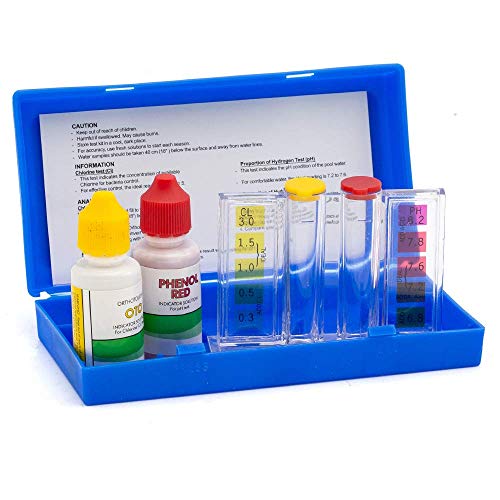
2 Way Pool Water Test Kit For Test For OTO, CL, and PH Level
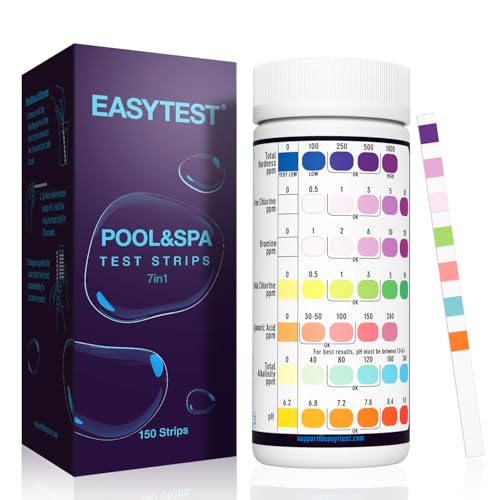
AFFORDABLE 150 STRIPS: This water chemical testing kit contains 150 test strips. Enough balanced for your swimming pool, hot tub, spa and other water testing. At least testing twice a week is recommended to keep your pool sparkling clean and safe.
Water Chemistry
Water chemistry directly impacts pool safety and efficiency. pH levels between 7.2 and 7.8 promote optimal sanitizer effectiveness, ensuring that chlorine functions properly. If the pH falls below 7.2, water becomes acidic, which can dissolve pool equipment and linings, leading to costly repairs. Conversely, a pH over 7.8 makes water alkaline, causing scale buildup and cloudy water. Regularly testing with reliable pH test strips or liquid kits ensures your pool’s chemistry stays balanced for your swimming comfort.
Health and Safety
Maintaining the right pH level also protects your health. Low pH levels can cause skin and eye irritation, making swimming uncomfortable. High pH levels can lead to ineffective disinfection, increasing the risk of waterborne illnesses. Regularly checking and adjusting pH levels keeps swimmers safe and healthy. Aim to test the water at least once a week, and always check before events or heavy usage. Enjoying a pleasant and hygienic swimming experience depends on adequately managing your pool’s pH.
How to Measure pH Level
Measuring the pH level in your swimming pool ensures water remains safe and comfortable. Accurate pH readings help maintain the ideal range of 7.2 to 7.8.
Recommended Products

NEWPOL (100strips) 7-IN-1 POOL TEST: each test strip include 7 testing range, Hardness , Free Chlorine, Bromine, Total Chlorine, Cyanuric Acid,Total Alkalinity and pH. Check your pool water quality any time with just one strip, so easy.

AFFORDABLE 7-IN-1 POOL TESTING KIT: Our 150 pool test strips provides an affordable, all in one pool water testing kit for various chemicals including Free Chlorine, Alkalinity, pH levels and more!

LARGEST POOL TESTING STRIPS: Extra long strips with the largest pads and color chart for the clearest chemical readings. Every batch is lab tested to guarantee accuracy and quality
Testing Kits
Testing kits offer a straightforward way to measure pH levels. You can find two main types: test strips and liquid test kits.
- Test Strips: Dip a strip into the water, and compare the color change to the provided chart. This method is quick, with results in seconds.
- Liquid Test Kits: Add a specified number of drops from chemical reagents to a water sample. This option typically provides more precise readings. Follow the kit instructions for accurate results.
Test your pool’s pH levels regularly. Doing so once a week is recommended, especially after heavy pool use or significant rainfall.
Digital Meters
Digital meters provide an advanced, precise way to measure pH levels.
- pH Sensors: Use a pH sensor for quick readings. Simply place the sensor in the water, and results display on the digital readout. This method eliminates guesswork.
- Calibrating: Calibrate your digital meter as recommended by the manufacturer. Calibration ensures accuracy and reliable readings.
Digital meters offer convenience, especially for those who regularly test their pool water. Aim to check pH levels every few days during peak seasons or after any chemical additions.
Maintaining the Correct pH Level
Maintaining the right pH level in your swimming pool is crucial for ensuring a safe and enjoyable swimming experience. A pH level between 7.2 and 7.8 provides optimal comfort and keeps the water clean.
Recommended Products

Raises Low pH: Clorox Pool&Spa Swimming Pool pH Up is formulated to elevate the pH levels in swimming pool water. By increasing pH levels, it helps in restoring water parameters to their ideal ranges, ensuring a balanced and healthy swimming environment.

Lowers High pH: Clorox Pool&Spa Swimming Pool pH Down is formulated to restore neutral pH in pool water. By decreasing pH levels, it helps restore water parameters to their ideal ranges, ensuring a balanced and healthy swimming environment.

In The Swim pH increaser raises the total alkalinity and pH levels in your pool.
Recommended pH Range
Aim for a pH level between 7.2 and 7.8. This range balances comfort for swimmers and effectiveness of sanitizers like chlorine. A pH below 7.2 can cause skin and eye irritation, while a pH above 7.8 might reduce sanitizer efficiency and promote cloudy water. Regular testing helps keep your pool consistently within this range for a pleasant swim.
Common Methods for Adjustment
Adjusting pH levels can be simple. Here are methods to raise or lower the pH:
- To Raise pH: Use sodium carbonate (soda ash). Broadcast the recommended amount over the pool surface and allow it to dissolve. Retest after a few hours.
- To Lower pH: Use sodium bisulfate or muriatic acid. Add the product according to the manufacturer’s instructions, ensuring even distribution. Wait a few hours before retesting.
Monitor the pH weekly and adjust as needed, especially after rain or heavy usage. Keeping your pool balanced ensures clarity and safety, making your swimming experience enjoyable.
Conclusion
Keeping your pool’s pH level balanced is key to a safe and enjoyable swimming experience. By regularly checking and adjusting the pH between 7.2 and 7.8 you can prevent issues that might affect both the water quality and your swimmers’ comfort.
Don’t forget that factors like weather and pool usage can impact pH levels so stay vigilant. With a little effort and the right tools you’ll ensure your pool remains a refreshing oasis for everyone. Happy swimming!
Frequently Asked Questions
What is the ideal pH range for swimming pools?
The ideal pH range for swimming pools is between 7.2 and 7.8. Maintaining this range ensures a comfortable and hygienic swimming environment for all users.
Why is pH balance important in pools?
Maintaining the correct pH balance is crucial for water clarity, swimmer comfort, and overall water safety. It helps prevent skin and eye irritation while ensuring effective disinfection.
How can I measure my pool’s pH level?
You can measure your pool’s pH level using test strips, liquid kits, or electronic pH meters. Each method provides quick and accurate results for proper water testing.
What happens if pH levels are too low or too high?
If pH levels are too low, it can lead to skin and eye irritation. High pH levels can reduce chlorine effectiveness, leading to algae growth and cloudy water.
How can I adjust my pool’s pH levels?
You can adjust pH levels using sodium carbonate to raise them or sodium bisulfate or muriatic acid to lower them. Follow the manufacturer’s instructions for safe use.
How often should I check my pool’s pH?
It’s recommended to check your pool’s pH levels regularly, especially after rainfall or heavy usage. Consistent monitoring helps maintain water safety and clarity.