Are you ready to kick off the swimming season with your inground saltwater pool? Opening it up can feel overwhelming, especially if you’re not sure where to start. You might be wondering how to get that sparkling water back and make your pool inviting again.
Table of Contents
- 1 Key Takeaways
- 2 Preparing for Pool Opening
- 3 Cleaning the Pool
- 4 Balancing Water Chemistry
- 5 Starting the Filtration System
- 6 Maintenance Tips for Saltwater Pools
- 7 Conclusion
- 8 Frequently Asked Questions
- 8.1 How often should I clean my inground saltwater pool?
- 8.2 What chemical balance is important for my saltwater pool?
- 8.3 How do I shock my saltwater pool?
- 8.4 Why should I check skimmer baskets?
- 8.5 Can I use a pool cover?
- 8.6 What are the signs that my pool water is imbalanced?
- 8.7 Is regular maintenance necessary for water safety?
- 8.8 How can I maintain optimal chlorine levels?
Key Takeaways
- Preparation Essentials: Before opening your inground saltwater pool, gather necessary tools like a pool cover pump, skimmer net, vacuum, brush, test kit, and chlorine stabilizer to streamline the process.
- Weather Considerations: Choose a sunny day with temperatures above 70°F (21°C) for pool opening to facilitate easier cleaning and water warming, while avoiding rain or strong winds that can complicate tasks.
- Cleaning Routine: Regularly skim, vacuum, and brush the pool to remove debris and prevent algae growth, making sure to clean the skimmer basket to maintain optimal circulation.
- Water Chemistry Testing: Test key water parameters weekly, focusing on pH, salinity, chlorine levels, and alkalinity to ensure a safe and enjoyable swimming experience.
- Filtration System Start-Up: Properly prime and start your filtration system, monitor pressure gauges, and clean filters regularly to maintain efficient water circulation.
- Ongoing Maintenance: Stick to a consistent cleaning and monitoring schedule for chlorine levels to ensure your saltwater pool remains clear, inviting, and safe for swimming throughout the season.
Preparing for Pool Opening
Preparing for pool opening involves ensuring you have the right equipment and are aware of the weather conditions. Following these steps will help you set the stage for a successful pool season.
Gather Necessary Tools and Supplies
Collect essential tools and supplies before starting. Key items include:
- Pool Cover Pump: For removing any standing water on the cover.
- Skimmer Net: For clearing debris from the water surface.
- Vacuum: To clean the pool floor effectively.
- Pool Brush: For scrubbing the walls and floor.
- Test Kit: To check pH and salt levels.
- Chlorine Stabilizer: To maintain water balance if needed.
Gathering these items makes the process smoother and helps ensure you don’t face delays.
Check Weather Conditions
Review the weather conditions ahead of time. Ideal pool opening occurs on a sunny day, which helps warm the water and makes cleanup easier. Key weather considerations include:
- Temperature: Aim for consistent daytime temperatures above 70°F (21°C) for optimal water balance.
- Rain: Avoid opening during expected rain as it can introduce contaminants and debris.
- Wind: Strong winds can blow debris into the pool, complicating your tasks.
Monitoring the weather helps you choose the best day, ensuring a more efficient opening and less hassle.
Cleaning the Pool
Cleaning the pool is vital for maintaining water clarity and ensuring a pleasant swimming experience. Follow these steps to effectively clean your inground saltwater pool.
Recommended Products

Size: 17.5 x 11.8 x 1.2 inches (44.50 x 30.00 x 3.00 cm)

Enjoy a Clean Pool: An ideal daily-use swimming pool leaf skimmer pool net for fast, easy, and efficient cleanup of leaves and fine debris from pools, spas, ponds, and kids' pools. An excellent long-lasting net with a little bit of flex for easier maneuvering.

Enjoy a Clean Pool: An ideal daily use swimming pool leaf skimmer pool net for fast, easy, and efficient cleanup of leaves and debris from pools, spas, ponds, and kids pools. An excellent long-lasting net with a little bit of flex for easier maneuvering.
Removing Debris
- Gather Tools: Use a long-handled skimmer net to remove leaves, twigs, and other debris floating on the surface. A leaf bagger or vacuum can be useful for larger debris on the bottom.
- Skim Regularly: Skim the surface daily, especially after windy days. This simple task prevents debris from sinking and helps maintain water quality.
- Check the Pool Skimmer: Empty the skimmer basket regularly. A clogged skimmer can reduce circulation and affect water clarity.
- Use a Pool Cover: If your pool is not in use, consider using a pool cover to limit debris accumulation.
- Brush the Walls and Floor: Use a pool brush with stiff bristles to scrub the walls and floor. Pay attention to corners and the waterline, where algae and grime can build up.
- Schedule Regular Cleaning: Aim to scrub the pool surfaces at least once a week during the swimming season. Regular cleaning helps prevent algae growth and keeps the pool inviting.
- Test Water Chemistry: After scrubbing, test your water chemistry. Cleaning can alter water balance, so ensure that pH and chlorine levels are within the recommended range.
- Use a Tile Cleaner for Tough Stains: For stubborn stains, use a tile cleaner specifically designed for pool surfaces. Apply according to the manufacturer’s instructions for best results.
By following these tips, you maintain a clean and inviting inground saltwater pool.
Balancing Water Chemistry
Maintaining balanced water chemistry is vital for a safe and enjoyable swimming experience. Proper water balance prevents issues like algae growth, corrosion, and skin irritations.
Recommended Products

Reliable Results In Seconds – Everything you need to test your saltwater pool or spa is conveniently packaged in the handy storage case, including a comparator to mix samples, and 15 easy-to-use reagents for 9 common water test parameters for FAS-DPD High Range testing: Free & Combined Chlorine, pH, Acid & Base Demand, Total Alkalinity, Calcium Hardness, Cyanuric Acid (CYA), and Chloride (Sodium Chloride).

Salt Pool Test Strips: Meet the most comprehensive test strips for saltwater system. Combine sodium chlorine(salt) and regular parameters in one strip. Easily test total hardness, free chlorine, bromine, total chlorine, cyanuric acid, total alkalinity, pH and salt level in just one dip.

WHAT IS SALTWATER POOL : Saltwater pools are some pools which can create chlorine by adding salt in the pool water. Swimming in a saltwater may be better for someone who is uncomfortable to chlorine. However,it must be maintained regularly to keep clean.
Testing Water Parameters
Testing water parameters accurately determines the pool’s chemical balance. Use a test kit or strips to check the following:
- pH Levels: Aim for a pH level between 7.2 and 7.6. Higher levels can cause skin irritation, while lower levels can damage pool surfaces.
- Salinity: Salt levels should be between 2700 ppm and 3400 ppm. This range ensures your saltwater chlorine generator operates effectively.
- Chlorine Levels: Maintain free chlorine between 1.0 and 3.0 ppm to keep the water sanitized without harsh odors.
- Alkalinity: Total alkalinity should sit between 80 and 120 ppm to stabilize pH levels.
Test the water at least once a week during the swimming season. Adjust the frequency based on your pool’s usage.
Adding Necessary Chemicals
Adding the right chemicals maintains water balance. Follow these steps to correct any imbalances:
- Adjust pH: If the pH is high, add muriatic acid. For low pH, use sodium carbonate (soda ash) to raise it.
- Balance Alkalinity: Use sodium bicarbonate to increase alkalinity or muriatic acid to lower it.
- Shocking the Pool: Shock the pool with dichlor or liquid chlorine, especially after heavy use or following rain, to kill bacteria and algae.
- Monitor Calcium Hardness: If your water is low in calcium hardness (ideal is 200-400 ppm), add calcium chloride to prevent corrosion.
Always follow manufacturer instructions when using pool chemicals. Regularly test water and make adjustments to keep it clear and inviting.
Starting the Filtration System
Starting the filtration system is essential for maintaining clean and clear water in your inground saltwater pool. Follow these steps to ensure everything operates smoothly.
Priming the Pump
- Locate the pump and ensure it’s properly connected to the pool’s plumbing.
- Check that the skimmer and pump baskets are clean and free of debris.
- Open the air relief valve on the filter. This allows trapped air to escape as water fills the system.
- Fill the pump with water manually. You can pour water directly into the pump lid until it’s full.
- Close the pump lid securely.
- Turn on the pump. Look for water entering the filter; if you see a steady stream, the pump is primed correctly. If it doesn’t prime after a few minutes, turn it off and check for leaks or blockages.
- Set the filter timer. Depending on your pool’s size, aim for 6-8 hours of filtration daily. Adjust as necessary based on heavy usage or debris.
- Start the filtration process by switching the filter to the “Run” setting.
- Monitor the pressure gauge on the filter. A reading in the green zone indicates proper operation. If it climbs into the red, backwash the filter or clean the cartridges.
- Check the water flow in the return jets. Strong flow means the filter is functioning properly, while weak flow may indicate clogs.
- After the initial run, regularly clean the filter according to the manufacturer’s instructions to ensure optimal performance.
Following these steps will help maintain the functionality of your pool’s filtration system, promoting a healthier swimming environment.
Maintenance Tips for Saltwater Pools
Maintaining your saltwater pool ensures a clear, inviting swimming environment. Regular upkeep and monitoring keep water chemistry balanced and equipment running efficiently.
Recommended Products
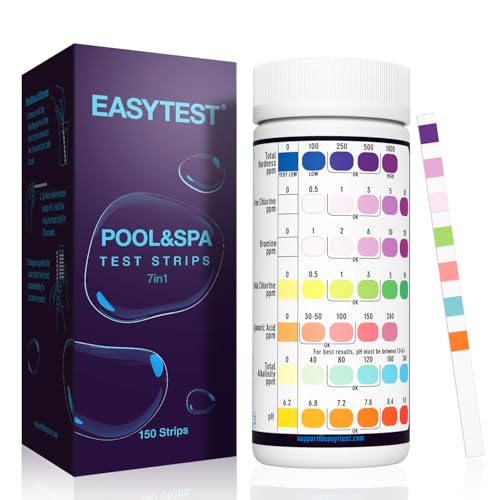
AFFORDABLE 150 STRIPS: This water chemical testing kit contains 150 test strips. Enough balanced for your swimming pool, hot tub, spa and other water testing. At least testing twice a week is recommended to keep your pool sparkling clean and safe.

Premium Quality 8-in-1 Pool Test Strips– Crafted with premium Nordic fiber paper, our Salt Water Pool Testing Kit delivers more precise and reliable readings than standard strips. The high-quality filter paper prevents colors from bleeding between test pads, further improving accuracy and reliability, and ensures each result is clear, easy to read, and trustworthy for everyday pool and spa water testing.

[10-IN-1 DIGITAL POOL & SPA WATER TEST KIT – APP ENABLED]: Test pool, spa and hot tub water with this 10-in-1 smart water test kit. Detect key parameters like pH, Total Chlorine, Free Chlorine, Total Alkalinity, Cyanuric Acid, Hardness, Sodium Chloride, Iron, Copper, Sulfate and more. Use the Droplytix mobile app to scan test strips for instant, precise readings with no guesswork.
Regular Cleaning Schedule
Establish a cleaning routine to enhance water quality and aesthetics. Perform the following tasks:
- Skim Surface Debris: Use a pool skimmer to remove leaves and floating debris daily.
- Vacuum Pool Floor: Vacuum the pool’s floor weekly. Use a manual or automatic vacuum for thorough cleaning.
- Brush Walls and Steps: Brush the walls and steps weekly to prevent algae buildup. Use a suitable pool brush for effective scrubbing.
- Check Skimmer Baskets: Inspect and empty skimmer and pump baskets twice a week to ensure proper water flow.
Keeping to a consistent cleaning schedule reduces the need for harsher chemicals later.
Monitoring Chlorine Levels
Regularly check chlorine levels to maintain water safety and clarity. Follow these guidelines:
- Test Water Weekly: Use a reliable test kit to measure free chlorine levels. Ideal levels range from 2 to 4 ppm (parts per million).
- Adjust Chlorine Production: If chlorine levels fall below the ideal range, increase the saltwater chlorinator’s output temporarily.
- Shock Your Pool Monthly: Applying a chlorine shock once a month boosts chlorine levels and eliminates contaminants. Use a calcium hypochlorite or lithium hypochlorite shock product for effectiveness.
By closely monitoring chlorine levels, you promote a healthy swimming environment while preventing potential issues.
Conclusion
Getting your inground saltwater pool ready for the season doesn’t have to be overwhelming. By sticking to a regular cleaning schedule and keeping an eye on your water chemistry you can enjoy crystal-clear water and a safe swimming environment.
Remember to be consistent with skimming vacuuming and brushing to keep your pool looking its best. With a little effort you’ll create a refreshing oasis that you and your loved ones can enjoy all summer long. Dive in and make the most of your pool experience!
Frequently Asked Questions
How often should I clean my inground saltwater pool?
Regular cleaning is essential. Aim to skim the surface daily to remove debris, vacuum the pool floor weekly, and brush the walls and steps at least once a week.
What chemical balance is important for my saltwater pool?
Maintaining proper water chemistry is crucial. Focus on pH levels between 7.2 and 7.8, alkalinity between 80-120 ppm, and keeping chlorine levels between 1-3 ppm.
How do I shock my saltwater pool?
To shock your pool, add a chlorine shock treatment to supercharge the chlorine levels. It’s best to do this monthly or after heavy usage or rain to clear contaminants.
Why should I check skimmer baskets?
Checking skimmer baskets regularly prevents clogs, ensuring proper water circulation and filtration. Clean them at least once a week to help maintain clear, clean water.
Can I use a pool cover?
Yes, a pool cover helps keep debris out, reduces cleaning time, and maintains water temperature. It’s a great addition for seasonal protection and minimizing maintenance needs.
What are the signs that my pool water is imbalanced?
Signs include cloudy water, unusual algae growth, skin irritation, and a noticeable odor. Testing your water weekly can help identify imbalances promptly.
Is regular maintenance necessary for water safety?
Absolutely! Regular maintenance ensures safe swimming conditions by preventing bacteria buildup, keeping chemical levels balanced, and enhancing water clarity.
How can I maintain optimal chlorine levels?
Monitor chlorine levels weekly with test strips. If levels drop, adjust the saltwater generator as needed. Regular shocking of the pool also helps maintain chlorine levels.