Are you tired of looking at leaves and dirt swirling around in your pool? Cleaning can feel like a never-ending chore, especially when you just want to enjoy a refreshing swim. Understanding how to use your pool vacuum can make all the difference in keeping your pool sparkling clean with minimal effort.
Table of Contents
Key Takeaways
- Understand Your Vacuum Type: Familiarize yourself with the different types of pool vacuums (manual, automatic suction, and robotic) to choose the best one for your pool’s needs.
- Proper Preparation is Key: Ensure you have all necessary supplies ready and inspect your vacuum’s components (hoses, brushes, filter bags) before use to guarantee optimal performance.
- Follow Correct Setup Procedures: Set up the vacuum by connecting hoses, priming the vacuum, and securing the skimmer plate to ensure effective suction and cleaning.
- Use Effective Cleaning Techniques: Whether using a manual or automatic vacuum, maintain a steady pace and periodically check for clogs or full filter bags to enhance cleaning efficiency.
- Troubleshoot Common Issues: Be aware of potential problems like loss of suction or erratic movement and know how to fix them to maintain your vacuum’s effectiveness.
- Regular Maintenance Matters: Clean and inspect your vacuum and its components frequently, store it properly, and consider professional inspections to prolong its lifespan.
Understanding Your Pool Vacuum
Understanding your pool vacuum helps you maintain a clean pool efficiently. Familiarity with the different types and components ensures effective operation.
Types of Pool Vacuums
- Manual Vacuums: You control these vacuums directly. They connect to a telescoping pole and a garden hose. You maneuver them around the pool to remove debris.
- Automatic Suction Vacuums: These vacuums attach to your pool’s skimmer. They use the pool’s filtration system to drive suction, allowing them to move around autonomously.
- Robotic Vacuums: These self-contained units operate independently. You place them in the pool, and they navigate using programmed patterns to clean the surfaces.
- Hose: The hose connects the vacuum to the filtration system or water source. It needs to be free of kinks to ensure optimal suction.
- Filter Bag or Canister: This catches debris during vacuuming. Regularly emptying it prevents clogs and ensures efficient operation.
- Brushes: Brushes scrub the pool surfaces, loosening dirt and grime. Check for wear and replace them as needed for effective cleaning.
- Skimmer Plate: This piece connects the vacuum to the skimmer, allowing it to draw water and debris into the filtration system.
- Power Supply (for robotic vacuums): This provides energy to robotic vacuums. Ensure it’s in good working condition for reliable operation.
Understanding these types and components helps you make the best choice and use your pool vacuum more effectively.
Preparing for Use
Preparing your pool vacuum properly ensures efficient cleaning. Follow these steps to get ready for your pool maintenance.
Recommended Products

Automatic cleaner hose with mould cuffs - Dia.1-1/2 X 1m
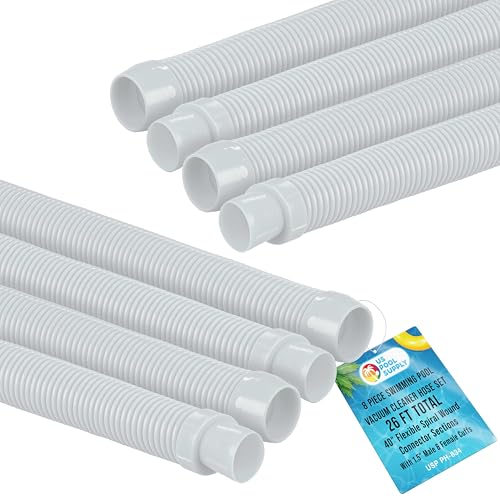
Durable Hoses: 8 Pieces of 40" (1 meter) durable premium quality flexible white spiral wound pool vacuum hose connector sections. They are made of high-density polyethylene plastic with thick crush-proof construction.
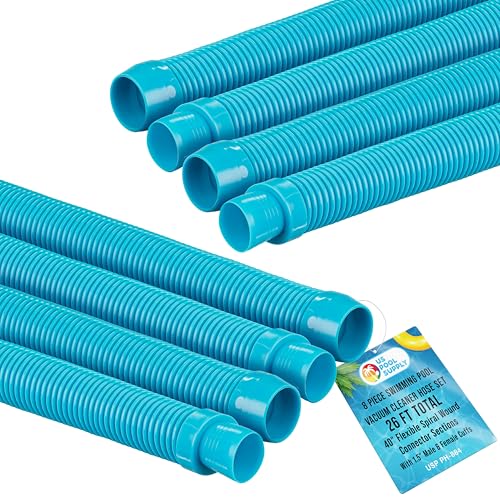
Durable Hoses: 8 Pieces of 40" (1 meter) durable premium quality flexible teal blue spiral wound pool vacuum hose connector sections. They are made of high-density polyethylene plastic with thick crush-proof construction.
Gathering Necessary Supplies
Gather these essential supplies before starting:
- Pool Vacuum: Choose the type suited for your pool.
- Hoses: Use the correct length for your pool size.
- Brushes: Select brushes designed for your pool surface type.
- Skimmer Plate: Ensure it fits your vacuum model, crucial for suction.
- Filter Bags: Use compatible bags for optimal debris collection.
- Water Hose: Keep one handy for rinsing any components.
- Gloves: Protect your hands while handling equipment.
Inspecting the Vacuum
Inspecting your vacuum beforehand guarantees it functions correctly:
- Check Hoses: Look for cracks or leaks. Replace any damaged sections.
- Examine Brushes: Ensure brushes are clean and in good condition. Replace worn brushes.
- Assess Filter Bags: Empty dirty bags and check for tears.
- Inspect Power Supply: Make sure the power cord is intact and the connection points are secure, especially for robotic models.
- Test Mobility: Move the vacuum around the pool to ensure it glides smoothly without resistance.
With these preparations in place, your pool vacuum is ready to deliver effective cleaning.
How to Use My Pool Vacuum
Using a pool vacuum enhances your swimming experience by keeping the water clean and clear. Follow these straightforward steps to set up and operate your vacuum effectively.
Recommended Products

Pool Vacuum for Inground Pools with Hose package included: 1 * 1.5”x 24ft flexible pool hose, 1 * see-Thru weighted triangular pool vacuum head. Perfect for above ground and small inground pools.
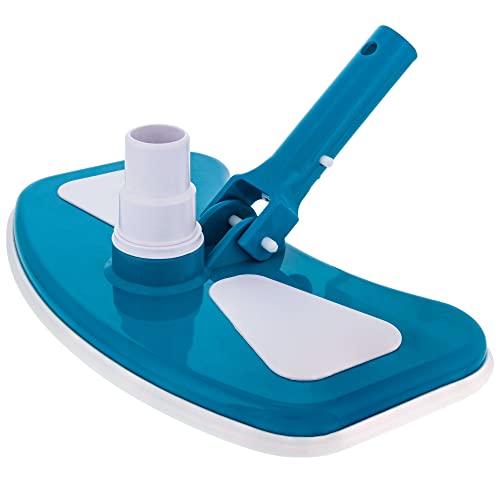
Premium quality, durable deluxe weighted butterfly 12" pool vacuum head with a swivel connection that accepts standard 1-1/4" and 1-1/2" vacuum hoses. Excellent for use in above-ground & in-ground swimming pools.

WIDE CLEANING COVERAGE: 14.4" x 10.5" professional pool vacuum head covers more surface in each pass. Ideal as a pool vacuum head for inground pools and above ground setups to speed up routine maintenance.
Setting Up the Vacuum
- Gather Your Supplies: You’ll need the correct vacuum type for your pool. This includes hoses, brushes, skimmer plates, filter bags, a water hose, and gloves. Ensure everything’s in good condition.
- Connect the Hoses: Attach the vacuum head to the appropriate hoses. For manual vacuums, connect the vacuum head to the pole. For automatic or robotic vacuums, connect the main hose to the skimmer or dedicated suction line.
- Prime the Vacuum: Submerge the vacuum head completely in the water to remove air. Hold it down until water fills the hose, eliminating any bubbles.
- Secure the Skimmer Plate: If using a skimmer plate, cover the opening with it. Ensure a tight seal to prevent air from entering.
- Check All Connections: Triple-check that all connections are secure. Loose connections can affect suction and cleaning efficiency.
- Locate the Controller: For automatic or robotic vacuums, access the controller. Set it according to your desired cleaning cycle, typically ranging from 1 to 3 hours.
- Turn on the Pump: Activate the pool pump. Manual units need you to physically guide the vacuum around the pool, while automatic options do the work for you.
- Move Slowly: If using a manual vacuum, move it slowly across the pool floor. Don’t rush; a steady pace allows for thorough cleaning.
- Adjust for Debris: If large debris accumulates, stop and remove it. Keeping the vacuum free of blockages ensures optimal performance.
- Check Filtration: Periodically inspect the filter bag or cartridge. If it fills up, clean or replace it to maintain suction power.
Keep your pool sparkling clean by following these steps whenever you use your vacuum. Regular cleaning helps prolong the life of your pool and its equipment.
Common Issues and Solutions
Dealing with common pool vacuum problems can enhance your cleaning experience. Below are some troubleshooting tips and maintenance practices that help keep your vacuum in top shape.
Troubleshooting Tips
- Vacuum Isn’t Picking Up Debris
Check for blockages in hoses or filters. Clear any clogs to improve suction. Ensure the correct vacuum type is set for your pool’s surface. - Lost Suction During Use
Inspect all connections to confirm they’re tight and sealed. If you’re using a manual vacuum, make sure the hose is filled with water to prevent air from entering. - Vacuum Moves Erratically
Review the hose length. If it’s too long, the vacuum might struggle. Adjust the length according to your pool’s size. Ensure the vacuum’s wheels or tracks are in good condition for smooth movement. - Robotic Vacuum Not Charging
Check the power source and charging connections. Replace batteries if necessary. Be sure the charging dock is clear of debris. - Water Cloudiness After Vacuuming
Validate the filter status and clean or replace as needed. Adjust chemical levels afterward to maintain clarity.
- Regular Cleaning
Clean filter bags or cartridges every 1-2 weeks to maintain efficiency. Empty debris baskets after each use to prevent buildup. - Inspect Hoses and Cables
Look for cracks or wear. Replace damaged hoses and cables promptly to avoid leaks and loss of suction. - Check Program Settings
For robotic vacuums, adjust settings for optimal cleaning cycles based on pool usage. Weekly runs usually suffice for maintaining cleanliness. - Store Properly
Rinse the vacuum after each use to remove chlorine or debris. Store it in a cool, dry place to protect components from wear. - Annual Professional Inspection
Consider having a professional assess your vacuum annually. They can identify potential issues and give advice on repairs or upgrades.
Conclusion
Using your pool vacuum doesn’t have to be a hassle. With the right approach and a little maintenance you can keep your pool sparkling clean and enjoyable all season long. Remember to regularly inspect your vacuum and its components to avoid any issues down the line.
Don’t hesitate to troubleshoot when things don’t go as planned. And if you ever feel overwhelmed just reach out to a professional for help. With these tips in mind you’re set for a refreshing swim in a pristine pool! Happy cleaning!
Frequently Asked Questions
What types of pool vacuums are available?
There are three main types of pool vacuums: manual, automatic suction, and robotic. Manual vacuums require physical effort to clean the pool, while automatic suction vacuums use the pool’s filtration system. Robotic vacuums are self-contained and require minimal user intervention, making them highly convenient.
How do I troubleshoot common pool vacuum issues?
To troubleshoot pool vacuum issues, check for blockages in the hoses, ensure all connections are tight, and adjust the hose length if necessary. For robotic vacuums, confirm that the unit is fully charged and inspect the filter and brushes for debris.
How often should I clean my pool vacuum?
It’s essential to clean your pool vacuum regularly to ensure optimal performance. After each use, inspect and rinse off parts like hoses, filter bags, and brushes. An annual professional inspection is also recommended to check for wear and tear.
What components should I understand for effective vacuuming?
Key components include hoses, filter bags, brushes, skimmer plates, and power supplies. Knowing how each part works helps ensure efficient operation and maintenance of your pool vacuum, preventing future issues.
What are the best storage practices for pool vacuums?
Always clean your pool vacuum before storing it. Store it in a cool, dry place away from direct sunlight. Properly coiling hoses and detaching components can help prevent damage and tangling during storage.