Have you ever dreamed of swimming in crystal-clear water without the harsh chemicals of a traditional pool? A saltwater pool might be just what you need. These pools offer a gentler alternative, providing a more enjoyable swimming experience while being easier on your skin and eyes.
Table of Contents
Key Takeaways
- Gentler Swimming Experience: Saltwater pools are easier on the skin and eyes, providing a more comfortable swimming environment compared to traditional chlorine pools.
- Reduced Chemical Use: These pools require fewer harsh chemicals, leading to a safer pool experience and lower chemical costs over time.
- Simplified Maintenance: Salt chlorine generators automate the water balancing process, making upkeep easier and less time-consuming for pool owners.
- Essential Equipment: Key components include a salt chlorine generator, a salt cell, and pool-grade salt, with specific salinity levels required for optimal performance.
- Regular Monitoring: Frequent water testing and maintenance, including cleaning the salt cell and skimming debris, are crucial for maintaining a clear and safe swimming environment.
Overview of Saltwater Pools
Saltwater pools use a salt chlorine generator to maintain water clarity and cleanliness. This system converts salt into chlorine, which sanitizes the pool while keeping the water softer.
Recommended Products

✔ UPGRADE TO A SALTWATER POOL – QS1200 saltwater system lets you enjoy the same process used for in-ground swimming pools to keep your above ground pool sparkling clear, suitable for pools up to 15,000 gallons.

Effortlessly Sanitized Your Swimming Pool - Our salt water generator will eliminate the need to physically add chlorine to your pool's water. Just turn on the system & the system will do all the work for you whether you're at home or away.

The SR075 Salt Chlorine Generator is designed for small above ground pools, with 3 models, the SR050, SR075, and SR100 corresponding to 6,000 gallons, 9,000 gallons, and 12,000 gallons respectively.
Benefits of Saltwater Pools
- Gentle on Skin and Eyes: Unlike traditional chlorine, which can cause irritation, saltwater often leaves you feeling refreshed and comfortable.
- Lower Chemical Usage: Saltwater pools require fewer chemicals, reducing exposure to harsh substances.
- Easier Maintenance: Automated systems monitor and balance the water, simplifying upkeep and saving time.
Components of a Saltwater Pool
- Salt Chlorine Generator: This essential device transforms salt into chlorine. Choose a model based on your pool size for optimal performance.
- Salt Cell: The salt cell works within the generator. Regular cleaning prolongs its lifespan and ensures efficiency.
- Salt: Use pool-grade salt without additives. Aim for around 3,000 to 3,500 ppm salinity levels for optimal chlorine production.
Installation Process
- Select a Location: Place the salt chlorine generator close to the pool’s filter and pump.
- Install the Generator: Follow manufacturer instructions to connect it to your pool’s plumbing.
- Add Salt: Pour the recommended amount of salt into the pool water, allowing it to dissolve.
- Power Up the System: Turn on the generator and monitor the chlorine levels.
- How much salt do I need? The ideal range is 3,000 to 3,500 ppm. Test the water frequently to maintain proper levels.
- Does it smell like chlorine? You’ll notice less chlorine odor in saltwater pools, but a slight smell may occur during high chlorine production.
- Can I swim immediately after adding salt? Allow the salt to dissolve completely before swimming, usually 24 hours for best results.
Saltwater pools offer numerous advantages, making them a popular choice among pool owners. They provide a pleasant swimming experience while simplifying maintenance and reducing chemical use.
Benefits of Saltwater Pools
Saltwater pools offer significant advantages that enhance your swimming experience and pool maintenance routine. They provide a gentler alternative to traditional chlorinated pools, making them increasingly popular among pool owners.
Health Advantages
Health benefits associated with saltwater pools include reduced skin irritation and fewer eye problems. Saltwater contains lower levels of harsh chemicals, leading to a more pleasant swimming experience. The chlorine generated by the salt chlorine system is softer and less irritating than store-bought chlorine. Swimmers often report less dryness and no burning in the eyes, creating a more enjoyable environment. Additionally, saltwater pools can be beneficial for individuals with skin conditions, as they tend to be less abrasive than standard chlorine pools.
Cost-Effectiveness
Saltwater pools can save you money in the long run. While the initial installation cost may be higher due to the salt chlorine generator, reduced chemical expenses offset this investment. Salt usually costs less than traditional chlorine, and saltwater systems require fewer chemical adjustments. Lower maintenance frequency translates into less time and money spent on pool upkeep. With fewer chemicals needed and extended equipment lifespan, you’ll notice cost savings over time, making it a smart financial choice for pool ownership.
Steps to Make a Saltwater Pool
Creating a saltwater pool involves several essential steps. Follow this guide for a smooth installation.
Recommended Products

【Professional-Grade Plumbing Compatibility】Engineered for North American pool standards, this smart saltwater pool chlorinator system comes complete with both 1.5" and 2" adapters right out of the box. No need to hunt for additional parts or struggle with mismatched fittings—simply connect to your existing PVC plumbing and start enjoying crystal clear water.

【Massive 20g/H Chlorine Output】: Convert your above-ground swimming pool into a crystal-clear oasis! With a 20g/h output, a smart saltwater chlorinator efficiently disinfects pools up to 26,500 gallons using electrolysis. Simply add food-grade sea salt (99.6% NaCl) for continuous sodium hypochlorite production—no chlorine tablets needed.

【Professional-Grade Plumbing Compatibility】Engineered for North American pool standards, this smart saltwater pool chlorinator system comes complete with both 1.5" and 2" adapters right out of the box. No need to hunt for additional parts or struggle with mismatched fittings—simply connect to your existing PVC plumbing and start enjoying crystal clear water.
Choosing the Right Location
Select a space that’s flat and away from trees to minimize debris. Ensure easy access to utilities and sun exposure for temperature control. Consider the proximity to your home for convenience.
Selecting the Pool Size and Type
Determine the pool’s size based on yard dimensions and use requirements. Choose between in-ground or above-ground options based on budget and space. For example, a rectangular in-ground pool offers more swimming area, while a round above-ground pool may be easier to install.
Installing the Saltwater System
Install the saltwater system by positioning the salt chlorine generator near the filter. Follow these steps:
- Connect the Plumbing: Attach the generator to the pool’s plumbing system.
- Add Pool-Grade Salt: Pour the appropriate amount of salt into the pool water. Typically, 3,000 to 4,000 ppm of salt is necessary.
- Start the System: Turn on the generator to initiate the salt-to-chlorine conversion.
- Monitor the Levels: Regularly check salt and chlorine levels using a test kit. Adjust as needed to maintain balance.
Keep these steps in mind for successful installation and optimal pool enjoyment.
Maintenance Tips for Saltwater Pools
Maintaining a saltwater pool ensures clear, safe, and inviting water for swimming. Follow these tips for optimal performance.
Recommended Products

Prolongs Chlorine Effectiveness: The Chlorine Stabilizer protects your pool's chlorine from the damaging effects of the sun's harsh UV rays, thereby making chlorine last much longer, allowing you to enjoy consistently clean and sanitized pool water.

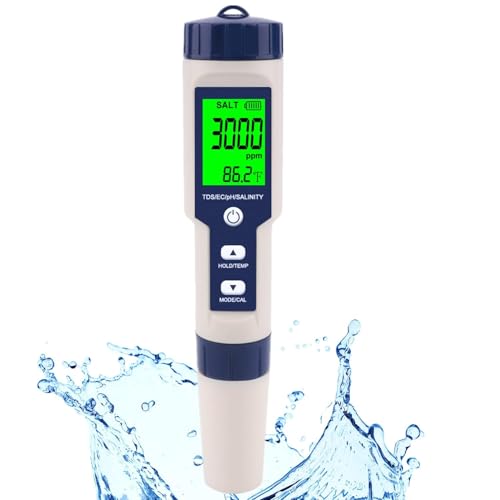
Wide Usage PH Meter : Hofun ph meter is an essential tool to improve your life quality. This digital ph tester can be applied in the following applications,drinking water quality test, swimming pools quality monitor, PH balance measurement in RO/DI system, aquarium, spa, hot tub or hydroponics.
Regular Water Testing
Testing your water weekly keeps your saltwater pool in top shape. Use a quality test kit to measure salinity, pH levels, chlorine levels, and total alkalinity. Aim for the following ranges for balance:
| Parameter | Ideal Range |
|---|---|
| Salinity | 2700-3400 ppm |
| pH | 7.4-7.6 |
| Chlorine (free) | 1-3 ppm |
| Total Alkalinity | 80-120 ppm |
Adjust chemical levels accordingly. For instance, if pH is too low, add sodium bicarbonate to raise it. Regular testing prevents imbalances that could lead to algae growth or equipment damage.
Cleaning the System
Clean your saltwater pool system routinely to ensure efficient operation. Follow these steps for effective cleaning:
- Clean the Salt Cell: Every 3-6 months, inspect the salt cell for scaling. Rinse it with a hose to remove deposits. If scaling persists, soak in a diluted muriatic acid solution as per manufacturer’s recommendations.
- Skim the Surface: Use a skimmer net weekly to remove debris, leaves, and other materials floating in the water.
- Vacuum the Pool: Vacuum the pool floor bi-weekly or more often if needed. This removes dirt that can cloud the water.
- Brush the Walls: Brush pool walls and tiles once a week to prevent algae buildup.
- Check Filters: Clean and replace filters as needed according to the manufacturer’s instructions. Regular filter maintenance helps maintain water clarity and reduces strain on the pump.
Following these maintenance tips keeps your saltwater pool clean, safe, and enjoyable for all users.
Conclusion
Creating your own saltwater pool can transform your backyard into a personal oasis. With the right setup and maintenance routine you can enjoy a swimming experience that’s gentle on your skin and eyes.
By staying on top of water testing and regular cleaning you’ll keep your pool sparkling and inviting. Plus you’ll save time and money in the long run.
So dive in and embrace the benefits of a saltwater pool. You won’t regret it!
Frequently Asked Questions
What are the benefits of saltwater pools compared to traditional pools?
Saltwater pools are gentler on your skin and eyes due to lower chemical usage. They also require less maintenance and provide a more enjoyable swimming experience, making them a healthier and cost-effective choice for many homeowners.
How are saltwater pools installed?
Saltwater pools are installed similarly to traditional pools but require a saltwater chlorinator, which converts salt into chlorine to sanitize the water. The installation involves proper electrical and plumbing work, ensuring efficiency and safety.
What maintenance does a saltwater pool require?
Maintenance includes regular water testing for salinity, pH, chlorine, and alkalinity levels. Additionally, maintaining the salt cell, skimming the surface, vacuuming, brushing walls, and checking filters are essential for a clean swimming environment.
How often should I test a saltwater pool?
It’s recommended to test your saltwater pool at least once a week during the swimming season. Frequent testing helps maintain proper balance of salinity, pH, chlorine, and alkalinity, ensuring a safe and enjoyable swimming experience.
Are saltwater pools more expensive to maintain?
While the initial setup of a saltwater pool can be higher, the ongoing maintenance costs are generally lower compared to traditional pools. The reduced need for chemicals and simplified cleaning can lead to long-term savings.