Have you ever wondered what to do with your pool heater when the temperature drops? When winter hits and temperatures plummet, many pool owners face a tough decision: should you keep your heater running or let it sit idle? It’s a common dilemma that can lead to costly repairs if you’re not careful.
In this article, you’ll discover the best practices for managing your pool heater during freezing weather. We’ll cover the potential risks of not running it and the benefits of keeping it on. By understanding how to protect your investment, you can enjoy peace of mind and ensure your pool stays in top shape, no matter the weather.
Table of Contents
- 1 Key Takeaways
- 2 Understanding Pool Heaters
- 3 Impact of Freezing Temperatures on Pools
- 4 Should I Run My Pool Heater During a Freeze?
- 5 Alternative Methods to Protect Your Pool
- 6 Conclusion
- 7 Frequently Asked Questions
- 7.1 Why should I use a pool heater during freezing weather?
- 7.2 How does a pool heater affect water cleanliness?
- 7.3 What are the downsides of using a pool heater?
- 7.4 How can I save energy while using a pool heater?
- 7.5 Are pool covers beneficial during freezing weather?
- 7.6 What insulation techniques should I consider for my pool?
Key Takeaways
- Importance of Pool Heating: Running your pool heater during freezing temperatures is essential to prevent damage to the pool and its equipment.
- Types of Pool Heaters: Familiarize yourself with different heaters (gas, electric heat pumps, solar, electric resistance) to choose the best one for your needs.
- Prevent Ice Formation: Maintaining water temperature above 32°F (0°C) mitigates the risk of ice formation, protecting surfaces and structures from cracking.
- Maintenance Benefits: A heated pool reduces the likelihood of algae growth and stagnant water, making post-freezing maintenance easier.
- Energy Considerations: While heating the pool increases energy costs, these may be outweighed by the potential repair expenses from freeze damage.
- Additional Protection Methods: Utilize pool covers and insulation techniques to retain heat and protect your pool from freezing conditions effectively.
Understanding Pool Heaters
Pool heaters play a crucial role in maintaining comfortable water temperatures. During freezing temperatures, knowing the types of heaters and how they function becomes essential for protecting your investment.
Recommended Products

Thermostat control outlet with the smart indicator light: The indicator light turns on when it's below 38 and it has energized the outlet.

INTEGRATED THERMOSTAT TIMER - The Intermatic PF1102MT Timer Mechanism offers a versatile solution with thermostat for 240 Vac installation, up to 3Hp, ensuring optimal control and protection.

SMART DIGITAL THERMOSTAT CONTROL: Built-in temperature sensor and digital controller allow you to set your desired water temperature up to 175°F. This immersion water heater with thermostat pauses at the set point and reheats after a 15°F cycle to maintain stable heating performance. Ideal as a bucket water heater, bathtub heater, or controlled-use portable immersion heater.
Types of Pool Heaters
- Gas Heaters: Gas heaters use propane or natural gas to heat water quickly. They work best for spas or pools that need rapid heating.
- Electric Heat Pumps: Electric heat pumps extract heat from the air and transfer it to the water. They operate efficiently in moderate climates and can lower energy costs.
- Solar Heaters: Solar heaters harness energy from the sun. They require a solar panel system, making them eco-friendly and cost-effective in sunny regions.
- Electric Resistance Heaters: These heaters use electricity to generate heat directly in the water. They often serve as a backup for other heating methods.
How Pool Heaters Work
Gas heaters ignite fuel to heat a exchanger that warms pool water. When the thermostat detects a drop in temperature, it activates the burner, keeping your pool above freezing. Electric heat pumps, on the other hand, utilize refrigerants to absorb heat from the air, increasing efficiency and saving energy over time.
Solar heaters circulate water through solar panels, where it absorbs heat before returning to the pool. Your local climate affects efficiency; sunnier areas benefit more from solar heating.
Understanding these mechanisms will help you make informed decisions during freezing weather.
Impact of Freezing Temperatures on Pools
Freezing temperatures can severely affect your pool and its components. Understanding these impacts is vital for maintaining a safe and functional swimming area.
Effects on Pool Water
Freezing temperatures cause pool water to drop below 32°F (0°C). This drop increases the risk of ice formation. Ice can expand and lead to serious damage to your pool’s surface and structure. You might notice cracking in the plaster or concrete. Keeping the pool water heated to at least 35°F (1.6°C) can prevent freezing and protect the pool’s integrity. Using a pool heater during extreme cold helps maintain water temperature and avoids ice formation.
Risks to Pool Equipment
Freezing temperatures pose risks to your pool equipment, including filters, pumps, and pipes. Water left in these components can freeze and expand, leading to cracks or ruptures. For example, a frozen pump can break down and may require costly repairs or replacements. Keeping your pool heater on prevents water from freezing in the plumbing. Additionally, insulating exposed pipes provides extra protection against the cold.
By being proactive with heating your pool during a freeze, you help safeguard both the water and your equipment from potential damage.
Should I Run My Pool Heater During a Freeze?
Running your pool heater during a freeze helps prevent damage to your pool and equipment. Maintaining a modest water temperature protects your investment and counters freezing risks.
Recommended Products

Rich in Quantity to Use: the package comes with 12 pieces of black foam tubes, each insulation foam measures about 1 m/ 3.28 ft in length, about 58 mm/ 2.28 inches in outer diameter, about 38 mm/ 1.5 inches in inner diameter, about 10 mm/ 0.39 inches in thickness, suitable for 1.5 inches copper pipes, and the quantity is enough for your daily use and replacement

Rich in Quantity to Use: the package comes with 4 pieces of black foam tubes, each insulation foam measures about 1 M/ 3.28 ft in length, about 42 mm/ 1.65 inches in outer diameter, about 22 mm/ 0.87 inches in inner diameter, about 10 mm/ 0.39 inches in thickness, suitable for 3/4 inches copper pipes, and the quantity is enough for your daily use and replacement

Rich in Quantity to Use: the package comes with 36 pieces of insulating foam pipe covers, each insulation foam measures about 3.28 ft/ 1 meter in length, about 1.65 inches/ 42 mm in outer diameter, about 1.06 inches/ 27 mm in inner diameter, about 0.3 inches/ 7.5 mm in thickness, suitable for 1 inch copper pipes, and the quantity is enough for your daily use and replacement
Benefits of Running the Heater
- Prevents Damage: Keeping water above freezing helps avoid cracks in plaster or concrete surfaces and damage to essential equipment like filters and pumps.
- Maintains Water Clarity: Warm water reduces the likelihood of algae growth, ensuring your pool remains clean and inviting even in cold weather.
- Eases Maintenance: Heating water prevents it from becoming stagnant, which could lead to increased maintenance costs when temperatures rise again.
- Increased Energy Costs: Running the heater consumes more energy, leading to higher utility bills. Consider this expense compared to potential repair costs from freeze damage.
- Wear and Tear: Continuous operation can contribute to wear on your heater. Ensure it operates efficiently to minimize this risk.
- Variable Effectiveness: Depending on the severity of the freeze, your heater may struggle to maintain an adequate water temperature. Monitor conditions regularly to adjust heater settings as needed.
Alternative Methods to Protect Your Pool
Protecting your pool during freezing weather involves adopting several effective strategies. These methods help to minimize potential damages without relying solely on your pool heater.
Recommended Products

Made of high quality PVC with nonwoven lining to absorb moisture
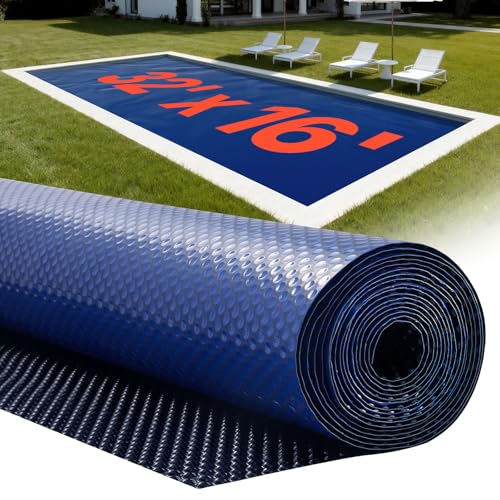
Enjoy Longer Swims: This 32 x 16ft/9.75 x 4.88m rectangle solar pool cover works as a reliable pool cover, using an 16 mil bubble design to help retain heat and keep water warmer. The pool solar cover supports a longer swimming time while offering an easy-to-trim fit for irregular pool shapes
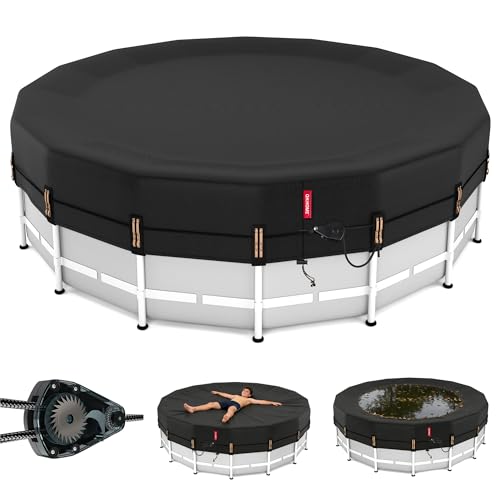
【Choose The Right Size And Style For A Snug Fit】This 18ft pool cover is designed for 18ft round above-ground metal-framed pools from major brands such as Intex, Bestway, Coleman,and Summer Waves. Note: If your pool is a 18ft round steel-walled above-ground pool, please select "20'(Round)"Size. (Steel-walled pools have widened rims and require a larger size),or you can consult customer service for a recommended size for the best fit.
Using Pool Covers
Using pool covers serves as an excellent first line of defense against freezing temperatures. Covers trap heat and create a barrier against cold air. Here are key benefits:
- Heat Retention: Installation of a solid safety cover significantly reduces heat loss. This keeps the water temperature higher.
- Debris Protection: Covers prevent debris buildup, which can lead to additional maintenance when temperatures rise again.
- Water Conservation: When heavy rain or snow occurs, covers help retain water levels, reducing the need for refilling.
Consider a thermal pool cover for extra insulation. These covers provide additional warmth by reflecting heat back into the water.
Additional Insulation Techniques
Enhancing insulation around your pool can be crucial during freezing weather. Here are practical methods you can implement:
- Insulate Pipes: Wrap pool plumbing with foam insulation sleeves. This protects against freezing and ensures the water circulates smoothly.
- Install Wind Blockers: Erect windbreaks such as fences or hedges to shield the pool area from harsh winds. This stabilizes water temperatures.
- Use Pool Heaters Strategically: If concerned about freeze damage, run the heater intermittently. Set the heater to cycle on during the coldest periods for efficient use.
By combining these methods, you can significantly reduce the risk of freeze damage while minimizing energy consumption. Overall, keeping your pool safe during cold weather requires strategic measures to maintain a stable environment.
Conclusion
Taking the right steps during a freeze can save you a lot of headaches down the line. Running your pool heater is a smart move to keep your water temperature safe and protect your investment.
Don’t forget to consider additional measures like using pool covers and insulating pipes to enhance your efforts. These strategies can help you strike a balance between protecting your pool and managing energy costs.
By staying proactive and informed you can enjoy your pool year-round without worrying about freeze damage.
Frequently Asked Questions
Why should I use a pool heater during freezing weather?
Using a pool heater during cold temperatures prevents water from freezing, which protects your pool surfaces and equipment from cracks and costly repairs. It helps maintain a consistent temperature, ensuring the longevity of your pool.
How does a pool heater affect water cleanliness?
Warm water discourages algae growth, reducing maintenance needs and keeping your pool cleaner. By running your pool heater, you can maintain a healthier swimming environment during freezing weather.
What are the downsides of using a pool heater?
Running a pool heater in cold weather can increase your energy costs and may cause additional wear on the heater. It’s essential to balance its use with efficient practices to mitigate these impacts.
How can I save energy while using a pool heater?
To save energy, combine your pool heater with methods like using a pool cover for heat retention, insulating pipes, and adding wind blockers. These strategies help maintain water temperature and reduce heating costs.
Are pool covers beneficial during freezing weather?
Yes, pool covers help retain heat, protect against debris, and conserve water. Using a cover alongside your pool heater can enhance overall efficiency and minimize the risk of freeze damage.
What insulation techniques should I consider for my pool?
You can insulate pipes to prevent heat loss and install wind blockers around the pool area. These techniques, along with a pool heater, help maintain water temperature and further protect your pool from freezing temperatures.