Is your pool heater shutting off unexpectedly? You’re not alone. Many pool owners face this frustrating issue, especially when they’re eager to enjoy a warm swim. It can be a real buzzkill when you’re all set for a relaxing day in the water, only to find your heater has other plans.
Key Takeaways
- Common Causes of Heater Shutdown: Understand that issues like inaccurate thermostat settings, insufficient water flow, and electrical problems can lead to unexpected pool heater shutdowns.
- Thermostat Calibration: Regularly check and calibrate your thermostat to ensure it accurately reflects the desired water temperature.
- Inspect Water Flow: Maintain proper water flow by cleaning filters and ensuring that pump and plumbing systems are free from clogs or obstructions.
- Power Supply Checks: Always verify that the pool heater is receiving adequate power; inspect breakers and wiring for potential issues.
- Regular Maintenance: Implement routine cleaning and schedule annual professional inspections to enhance the efficiency and longevity of your pool heater.
Common Reasons for Pool Heater Shutdown
Several factors may contribute to your pool heater shutting off unexpectedly. Understanding these reasons helps in troubleshooting and maintaining optimal performance.
Recommended Products

✨💖 Adjustable:The flow range can be adjusted, allowing the user to select the flow adjustment value according to system needs.
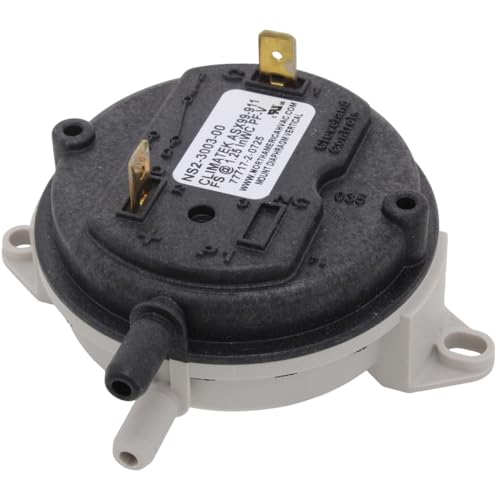
▶ This is a Brand New ClimaTek Furnace Air Pressure Switch
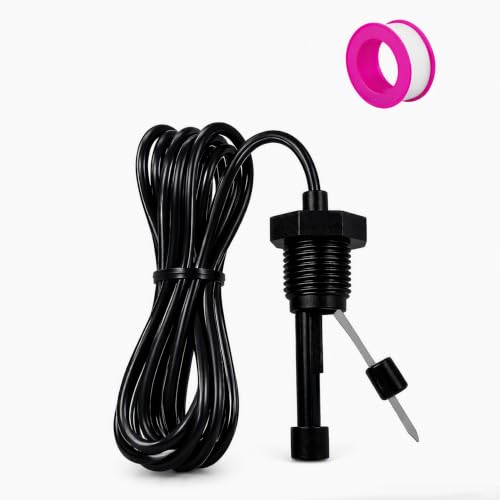
Product Information:GLX-FLO-RP flow switch compatible with Hayward all goldline aquarite Salt Cell and Chlorine Generator. Flow Switch Assembly, sensing piece is made of steel for longer service life. The description of the Swimming Pool Salt Systems brand is used only to illustrate the range of compatibility of the GLX-FLO-RP flow switch.The flow switch is manufactured by BNRSZ as a Salt Systems repair replacement component. It is not supplied by the Salt Systems brand in the description
Thermostat Issues
Thermostat settings may be inaccurate or miscalibrated. Check the thermostat to ensure it’s set to the desired temperature. If the temperature setting is too low, the heater may shut off prematurely. Calibrating or replacing a faulty thermostat typically corrects this issue.
Flow Problems
Insufficient water flow can cause a pool heater to turn off. Inspect the filter, pump, and plumbing for clogs or obstructions. A dirty filter or a malfunctioning pump can hinder water circulation, leading to overheating and automatic shutdown. Regular maintenance of these components improves overall heater performance.
Power Supply Interruptions
Electrical issues can impact the operation of your pool heater. Inspect the power supply for tripped breakers or blown fuses. Loose wiring may also disrupt power. Ensure all connections are secure. If problems persist, consult a licensed electrician for a thorough inspection.
Troubleshooting Steps
Troubleshooting your pool heater’s shutdown issues involves a systematic approach. By following these steps, you can identify and resolve the most common problems.
Recommended Products

Pool Tool In-Line Zinc Anode

Precise Compatibility - 42001-0053S heater thermistor replacement for Pentair Sta-Rite, MasterTemp, Max-E-Therm pool and spa heaters electrical systems, Please confirm your machine model before making a purchase. If you have any questions, please contact us and we will reply within 24 hours

【Wide Compatibility】This 10K Ohm thermistor is a precision-engineered direct replacement for Hayward GLX‑PC‑12-KIT temperature sensor, meeting OEM specifications. It is fully compatible with Hayward & Goldline pool automation systems including ProLogic, AquaLogic (P‑4, PS‑4, PS‑8, PS‑16), AquaPlus.
Check the Thermostat Settings
- Verify the Set Temperature: Ensure that the thermostat is set to a temperature that allows the heater to operate. Consider adjusting the temperature higher if it’s too low.
- Calibrate the Thermostat: Sometimes, a thermostat may become inaccurate, failing to read the actual water temperature. Use a separate thermometer to check if the readings match. Adjust the thermostat if needed.
- Inspect Timing Settings: If your thermostat has a timer feature, ensure it’s set correctly. A misconfigured timer might cause the heater to turn off unexpectedly.
- Examine Wiring and Connections: Look for any loose or damaged wires around the heater and control panel. Tighten any loose connections and replace damaged wires.
- Check the Power Supply: Confirm that the heater is receiving power. Inspect circuit breakers for tripped switches, and reset them if necessary.
- Test for Faulty Components: If issues persist, test components like the pressure switch and flow switch, as they might fail, leading to shutdowns. Consulting a technician might be necessary for this.
- Review Safety Features: Understand that safety features might shut down your heater in case of specific issues. Ensure all safety switches are in good working order.
By checking the thermostat settings and inspecting electrical connections, you can effectively diagnose and address issues with your pool heater’s performance.
Maintenance Tips
Regular maintenance helps ensure your pool heater operates efficiently and reliably. Implementing these strategies can minimize unexpected shutdowns.
Recommended Products

REPLACEMENT MODELS: Compatible with FC-2402, 303279, Free Flow, AquaTerra, Fantasy Hot Tub Filter. Note: All manufacturers' names and part numbers remain the property of their respective holder(s) and are used for compatibility information only. Wowreed is an independent brand.

UNIVERSAL COMPATIBILITY: Ideal for pool pumps, filters, heaters, spas, and irrigation systems. Uses seamlessly for Hayward and third-party setups. Replace for Parts SP0722, SP722, 26-150-1050, HPPSP0722, PR150010.
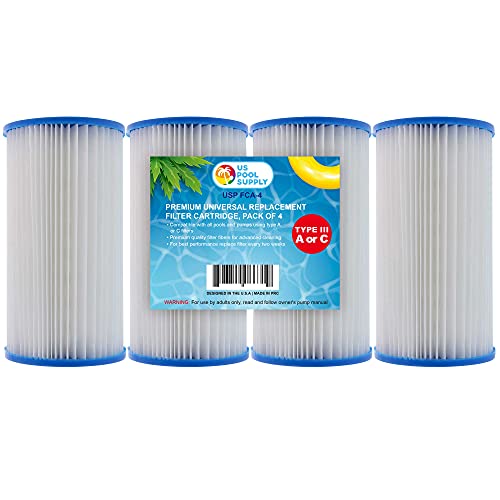
Pack of 4 Premium Quality Universal Replacement Filter Cartridges that are compatible with all above-ground pools and pumps that use type A or C filters, as well as type III filters. Filter cartridges replace Intex 59900E and 29000E filter cartridges
Regular Cleaning
Clean your pool heater regularly to prevent debris buildup. Remove leaves, dirt, and algae from the heater’s exterior. Check the water filter and clean or replace it as needed. Ensure that the water flow remains unobstructed, as poor circulation can lead to overheating and shutdowns. Schedule cleaning every month during the swimming season for optimal performance.
Professional Inspections
Schedule annual professional inspections to maintain your pool heater’s efficiency. Trained technicians can identify potential issues before they escalate. They should test the electrical components, check for leaks, and ensure that all safety features are functional. Professional services often include a comprehensive system flush, which can remove mineral deposits and improve heating performance.
Conclusion
Dealing with a pool heater that keeps turning off can be a real headache. By understanding the common causes and taking proactive steps you can keep your heater running smoothly. Regular maintenance and attention to detail can make a world of difference in performance and longevity.
Don’t hesitate to reach out for professional help if you’re unsure about any issues. With a little care and the right approach your pool heater can provide you with consistent warmth and enjoyment all season long. Happy swimming!
Frequently Asked Questions
Why does my pool heater keep shutting off?
Unexpected shutdowns can be caused by thermostat inaccuracies, flow issues, or power interruptions. It’s essential to troubleshoot and identify the specific reason for the shutdown to effectively address the problem.
How can I troubleshoot my pool heater?
Start by checking the thermostat settings, inspecting for flow problems (like blockages), and ensuring power supply continuity. Identifying the root cause will guide you in resolving the issue efficiently.
How often should I maintain my pool heater?
Regular maintenance is crucial for efficient operation. It’s advisable to schedule maintenance at least once a year, including cleaning and inspections to prevent issues and prolong the life of the heater.
What maintenance tasks should I perform for my pool heater?
Key maintenance tasks include cleaning the heater to prevent debris buildup, checking flow rates, and ensuring unobstructed water flow. Also, consider scheduling professional inspections annually to test components and flush the system.
Why is regular maintenance important for my pool heater?
Regular maintenance helps ensure optimal heating performance, prevents unexpected shutdowns, and prolongs the lifespan of your pool heater. It addresses potential issues before they escalate, saving you time and money in the long run.