Have you ever wondered if your pool pump should be running non-stop? You’re not alone. Many pool owners grapple with this question, often unsure how to keep their water clean while managing energy costs.
Imagine this: it’s a hot summer day, and you want to enjoy a refreshing swim. But if your pool water is cloudy or dirty, your fun quickly turns into frustration. Understanding how long your pool pump needs to run can make all the difference in maintaining crystal-clear water and saving money on your utility bills.
Table of Contents
- 1 Key Takeaways
- 2 Understanding Pool Pumps
- 3 Recommended Pump Running Times
- 4 The Impact of Continuous Operation
- 5 Common Misconceptions
- 6 Conclusion
- 7 Frequently Asked Questions
- 7.1 What are the different types of pool pumps?
- 7.2 How does a pool pump maintain water quality?
- 7.3 How long should I run my pool pump?
- 7.4 Are all pool pumps the same?
- 7.5 What are the benefits of variable-speed pool pumps?
- 7.6 Should I run my pool pump 24/7?
- 7.7 How can I optimize my pool pump’s effectiveness?
Key Takeaways
- Pump Operation Duration: Pool pumps generally do not need to run continuously; most pools benefit from 8 to 12 hours of operation daily, depending on size and debris levels.
- Types of Pumps: Understanding the differences between single-speed, two-speed, and variable-speed pumps can help you choose the most energy-efficient option for your pool.
- Factors Impacting Running Time: Key factors include pool size, usage frequency, water temperature, and debris levels. These factors dictate how long your pump should operate to maintain clean water.
- Energy Efficiency: Constant operation can lead to high energy costs. Using programmable timers and investing in variable-speed pumps can significantly reduce electricity consumption.
- Misconceptions: dispelling common myths—such as the belief that more running time equals cleaner water—can lead to better pool maintenance and energy efficiency.
- Regular Maintenance: Keeping filters clean and conducting regular water tests are essential for ensuring optimal pump performance and maintaining water quality.
Understanding Pool Pumps
Pool pumps play a crucial role in maintaining clean and clear water. Understanding their types and operation helps you make informed decisions about their usage.
Types of Pool Pumps
- Single-Speed Pumps: Single-speed pumps operate at one constant speed. They are cost-effective but less energy-efficient since they run at full power all the time. Ideal for small pools or those with minimal amounts of debris.
- Two-Speed Pumps: Two-speed pumps offer two operational speeds: low and high. You can run them at low speed for regular circulation, saving energy. High speed is reserved for heavy debris removal or increased filtration.
- Variable-Speed Pumps: Variable-speed pumps allow you to adjust the speed according to your needs. They are the most energy-efficient option and can run at slower speeds, reducing costs significantly while providing effective water circulation.
How Pool Pumps Work
Pool pumps circulate water through your pool’s filtration system. Water entered through the skimmer and main drain travels to the pump, where it is filtered to remove debris and contaminants. Key steps include:
- Water Inlet: Water flows into the pump from the pool through suction lines.
- Impeller Action: The impeller spins when the pump operates, drawing water in and pushing it out.
- Filtration: Water travels through the filter, capturing dirt and particles before returning to the pool.
- Return Flow: Clean water is sent back to the pool via return lines, maintaining circulation.
Optimal pump operation not only keeps your pool clean but also helps manage energy costs. Running your pump for the right amount of time, depending on your pool’s volume and usage, is essential for effective maintenance.
Recommended Pump Running Times
Pool pump running times vary based on several factors. Understanding these elements helps you maintain optimal water quality and energy efficiency.
Recommended Products

𝐒𝐌𝐀𝐑𝐓𝐄𝐑 𝐏𝐎𝐎𝐋 𝐂𝐀𝐑𝐄: Easily program 4 time segments with high/low speed, or set a manual timer (1 min–24 h) – all via 197 ft long-range RF remote; Faster self‑priming 1.5 HP pump for in/above-ground pools; Less walking, lower bills
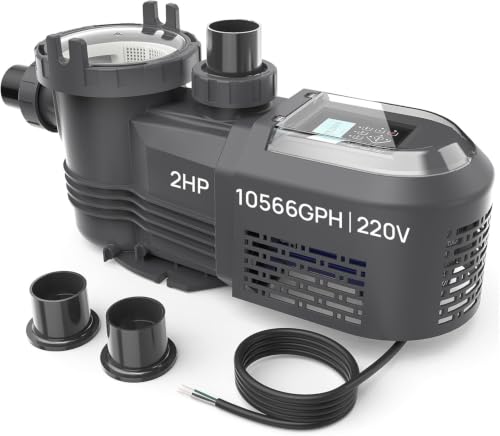
Energy-Saving Design: Utilizing variable speed technology, our pump reduces energy consumption by up to 80% compared to traditional pumps, providing significant long-term savings while maintaining optimal pool performance.

Energy-Saving Design: Utilizing variable speed technology, our pump reduces energy consumption by up to 80% compared to traditional pumps, providing significant long-term savings while maintaining optimal pool performance.
Factors Influencing Running Time
- Pool Size: Larger pools require longer pump operation to circulate water effectively. A standard 15,000-gallon pool needs about 8 hours of filtration daily.
- Usage Frequency: High-usage pools need more filtration. For example, pools hosting frequent parties or gatherings benefit from extended pump times.
- Water Temperature: Warmer water encourages algae growth. In such cases, running the pump longer, especially during summer, ensures clear water.
- Debris Levels: If your pool is in a windy area or surrounded by trees, expect more debris. Increased running time helps manage that debris efficiently.
- Pump Type: Variable-speed pumps allow you to adjust operation based on your needs. They can run longer at lower speeds to save energy while maintaining cleanliness.
- Summer Months: The pump should run longer due to heavier use and warmer temperatures. Aim for 10-12 hours in peak summer conditions.
- Spring and Fall: During these transitional months, adjust running times to 6-8 hours. This duration balances debris removal and water temperature maintenance.
- Winter Months: If you live in colder climates, consider reducing run times to 2-4 hours, especially if the pool is not in use. Ensure the pump still prevents freezing to protect plumbing.
- Rainy Seasons: Increased rain may cause the water level to rise. Increased pump operation during these times helps balance water levels and filter out contaminants.
By adjusting your pump’s running times based on these factors and seasonal changes, you maintain a clean pool while optimizing energy use.
The Impact of Continuous Operation
Continuous operation of pool pumps greatly affects energy consumption and pool water quality. Understanding these impacts helps you make informed decisions about your pool maintenance.
Recommended Products
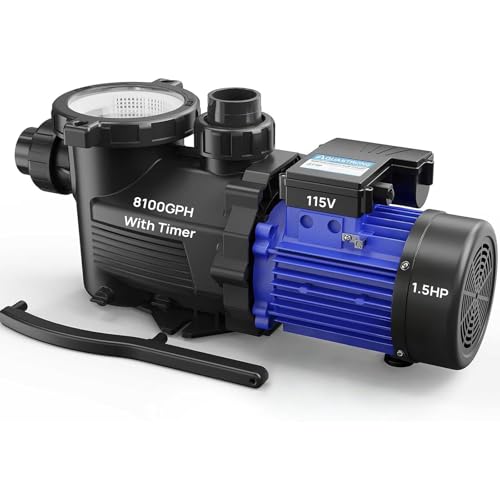
Powerful 1.5HP Pool Pump with Timer (115V): This high-performance 1.5HP pool pump operates on 115V, delivering a robust flow rate of 8100 GPH. It’s ideal for both pool pumps above ground and inground pool pump systems, providing efficient and reliable water circulation for various pool sizes.

【Smart variable speed pool pump & Up To 80% Energy Saving】CrestWave Variable Speed Pool Pump supports intelligent APP remote control, allowing 24-hour customized speed cycles & schedule setting anytime anywhere. It cuts energy consumption and monthly electric bills by up to 80%, saving up to 2000+ kWh and $300+ annually, keeping your pool water clean while saving real money for your family.
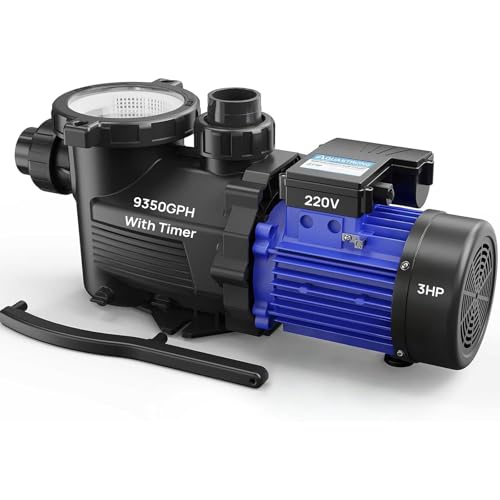
Powerful 3HP Pool Pump with Timer (220V): This high-performance 3HP pool pump operates on 220V, delivering a robust flow rate of 9317 GPH. It’s ideal for both pool pumps above ground and inground pool pump systems, providing efficient and reliable water circulation for various pool sizes.
Energy Consumption
Running a pool pump all the time leads to significant energy costs. Single-speed pumps typically consume 1,500 to 2,000 watts per hour, while variable-speed pumps can vary between 300 to 1,400 watts, depending on the settings. Over time, this results in higher electricity bills, easily reaching hundreds of dollars annually.
To save on energy costs, consider running the pump during off-peak hours when electricity rates are lower. Programmable timers can help manage pump schedules effectively. Additionally, investing in a variable-speed pump provides the flexibility to run at lower speeds for routine circulation and higher speeds for heavy debris removal, optimizing energy usage.
Pool Water Quality
Maintaining clean pool water hinges on effective circulation and filtration. Pumps are essential for moving water through the filtration system, removing dirt, debris, and contaminants. Continuous pump operation helps prevent algae growth and ensures even chemical distribution, promoting clear, safe water.
However, running the pump non-stop isn’t always necessary. Assessing factors like pool usage, weather, and debris levels can guide you in determining optimal run times. For instance, harsh weather or heavy pool use may necessitate longer pump operation. In contrast, cooler months may allow for reduced running times, balancing water quality and energy efficiency.
Regular maintenance, including checking and cleaning filters, also aids in maintaining water quality. Keeping filters clean enhances their efficiency, further optimizing pump performance.
Common Misconceptions
Many beliefs around pool pump operation can lead to confusion. Understanding these misconceptions helps you manage your pool’s efficiency and maintenance better.
Myths About Pump Operation
- Pumps Must Run 24/7
Many think pool pumps need constant operation for clean water. In reality, most pools benefit from 8 to 12 hours of pump running time each day, based on factors like pool size and debris levels. - All Pumps Are the Same
Not all pumps operate identically. Single-speed pumps use more energy and may require longer run times, while variable-speed pumps allow for adjustable flow rates, leading to better efficiency. - More Running Time Equals Cleaner Water
Some believe extended pump operation guarantees cleaner water. Proper circulation is crucial, but effective filtration and chemical balance also play significant roles in maintaining water quality. - You Can’t Over-Circulate Water
Over-circulating water is not typically harmful. However, unnecessary pump operation can increase energy costs without significant benefits for water quality.
Expert Opinions
Pool professionals recommend evaluating your unique pool needs instead of following generic guidelines. Energy-efficient variable-speed pumps optimize performance and can save up to 80% on energy costs compared to single-speed pumps.
Professionals suggest assessing your pool’s usage patterns. For instance, if your pool sees a lot of foot traffic or nearby vegetation, you might increase run times. Regular water testing is equally vital for maintaining water balance.
While your pump doesn’t need to run all the time, effective maintenance and operation depend on understanding your pool’s specific requirements.
Conclusion
Understanding how your pool pump works is key to keeping your water clean and clear. You don’t need to run your pump all the time. Instead focus on what fits your pool’s needs. By choosing the right pump and adjusting its operation based on usage and conditions you can maintain great water quality while saving on energy costs.
Regular testing and monitoring will help you find the perfect balance. So take the time to evaluate your pool’s requirements and enjoy a refreshing swim in a well-maintained oasis.
Frequently Asked Questions
What are the different types of pool pumps?
There are three main types of pool pumps: single-speed, two-speed, and variable-speed pumps. Single-speed pumps operate at a constant speed, making them less energy-efficient. Two-speed pumps allow users to switch between high and low speeds. Variable-speed pumps are the most energy-efficient option as they can be adjusted to run at different speeds, making them ideal for various pool needs.
How does a pool pump maintain water quality?
Pool pumps play a crucial role in water circulation and filtration. They help remove debris and bacteria from the pool water, ensuring proper chemical distribution and reducing the chances of algae growth. Regular circulation is essential to maintain clean and clear water.
How long should I run my pool pump?
The duration for running a pool pump depends on factors like pool size, usage frequency, and water temperature. Generally, it’s recommended to run the pump for about 8 to 12 hours a day to achieve optimal water circulation and cleanliness without overworking it.
Are all pool pumps the same?
No, not all pool pumps are the same. They differ in design, efficiency, and operation types. Understanding these differences helps you choose the right pump for your specific pool needs, ensuring better performance and energy efficiency.
What are the benefits of variable-speed pool pumps?
Variable-speed pool pumps are energy-efficient, allowing you to adjust the flow rate according to your needs. This flexibility can lead to significant energy cost savings, quieter operation, and improved water circulation, enhancing overall pool maintenance.
Should I run my pool pump 24/7?
Running your pool pump 24/7 is unnecessary and can waste energy. It’s better to run the pump for specific periods based on your pool size and activity. Regular testing and adjusting can help maintain water clarity without constant operation.
How can I optimize my pool pump’s effectiveness?
To optimize your pool pump’s effectiveness, consider using energy-efficient variable-speed pumps, adjust the running times according to your pool’s usage patterns, and regularly test your water chemistry to ensure proper filtration and balanced water quality.