Are you wondering if your little one can splash around in a chlorine pool at just four months old? You’re not alone. Many new parents face this question as summer approaches and pool days become more tempting.
Taking your baby to the pool can be a fun and memorable experience, but safety is always a top priority. This article will help you understand the considerations you need to keep in mind before introducing your infant to chlorinated water. By the end, you’ll feel more confident about making the right choice for your family.
Table of Contents
- 1 Key Takeaways
- 2 Understanding Chlorine Pools
- 3 Age Considerations for Swimming
- 4 Health Risks for Infants in Chlorine Pools
- 5 Guidelines for Swimming with Infants
- 6 Conclusion
- 7 Frequently Asked Questions
- 7.1 Is it safe for my four-month-old to swim in a chlorine pool?
- 7.2 What should I consider when introducing my baby to a pool?
- 7.3 How can I protect my baby’s skin when swimming?
- 7.4 What precautions should I take while swimming with my baby?
- 7.5 When should I consult a pediatrician regarding my baby and swimming?
Key Takeaways
- Chlorine Pool Safety: Chlorine pools disinfect water effectively, eliminating harmful germs, which generally makes them safe for infants when caution is exercised.
- Recommended Age: Many experts advise waiting until at least six months old for pool visits. Consult your pediatrician before introducing a four-month-old to chlorinated water.
- Health Risks: Infants may experience skin sensitivity and respiratory issues due to chlorine exposure. Monitor for any signs of irritation or discomfort closely.
- Supervision is Key: Always keep your baby within arm’s reach while swimming; use appropriate safety measures like life vests, and establish firm boundaries with older children.
- Gradual Introduction: Ease your baby into the water with short sessions in a warm, shallow area, observing their reactions to ensure comfort and enjoyment.
- Post-Swim Care: Rinse your baby thoroughly after swimming and apply a gentle moisturizer to protect their delicate skin from chlorine irritation.
Understanding Chlorine Pools
Chlorine pools are popular for their ability to maintain water cleanliness. It’s important to know how chlorine affects pool water and the environment for young children.
What Are Chlorine Pools?
Chlorine pools use chlorine to disinfect water. This method kills harmful bacteria and viruses. You’ll typically find two types of chlorine in pools: liquid chlorine and solid chlorine tablets. These options are effective in keeping the pool safe for swimmers. Regular monitoring of chlorine levels ensures water remains safe.
Benefits of Chlorine Pools for Swim Safety
Chlorine pools offer several advantages for swim safety.
- Disinfection: Chlorine effectively eliminates germs. Proper levels help protect your little one from infections.
- Clear Visibility: Chlorinated water generally stays clear. Clear water allows you to see your baby while swimming, minimizing supervision concerns.
- Widely Used: Most public and private pools use chlorine for sanitation. This familiarity means that you’ll find the system in pool environments wherever you go.
Be aware of your baby’s skin and respiratory sensitivity. Monitor their reactions closely to ensure their safety in chlorine pools.
Age Considerations for Swimming
Understanding the appropriate age for swimming can help you make informed decisions about your baby’s exposure to chlorinated pools. Many experts recommend waiting until your baby is at least six months old before taking them to a pool.
Recommended Products

Ultimate Safety: The baby swim float has an adjustable safety seat at the bottom to prevent slipping out. The dual air chambers and side widening design provide excellent buoyancy and stability. The reticulated area between the two chambers of the baby floaties provides a safe playing area

【120° Adjustable UPF50 Canopy】The baby pool float provide 0° - 60° - 100° - 120° four gear adjustable canopy. The float provides UPF 50 full‑Direction sun protections. Protect baby's skin in all directions.

Safe and Comfortable Design: Our baby float has 2 air chambers and a safe seat to keep baby stable and upright. It helps baby get used to water and ensures safety. The seat is made of durable, non - toxic PVC, gentle on skin and comfortable. The ergonomic design supports baby’s body, ideal for new swimmers
Recommended Age for Infants in Pools
Safety guidelines for infants in pools vary. The American Academy of Pediatrics suggests beginning swimming lessons around one year of age. Prior to that, exposure to a chlorinated pool can occur, but caution is essential. Always consult with your pediatrician before introducing your four-month-old to a pool environment, particularly for prolonged exposure.
Physical Development Milestones at 4 Months
At four months, your baby is reaching key physical milestones. Your infant likely has better head and neck control, which can aid in enjoying a water environment. You might notice improved hand movement, allowing your baby to splash and play in a shallow area. However, every baby develops at their own pace. Monitor your child’s comfort and responsiveness in the water closely. If your baby appears uneasy or fatigued, take them out immediately.
Health Risks for Infants in Chlorine Pools
Infants face specific health risks when introduced to chlorine pools. Understanding these risks helps you make informed decisions about your four-month-old’s swimming exposure.
Recommended Products
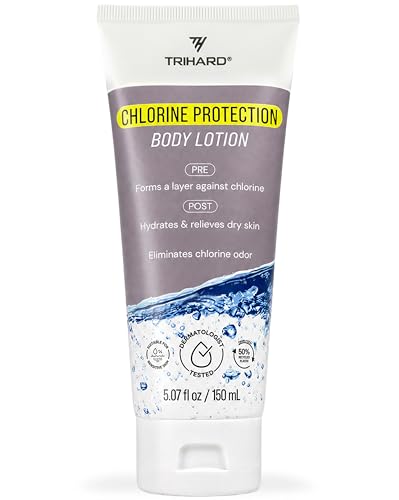
A LOTION YOU WEAR BEFORE THE POOL, NOT JUST AFTER: Applied to dry skin before you get in, it helps reduce how much chlorine and saltwater your skin absorbs; applied after, it puts moisture back into skin that feels tight
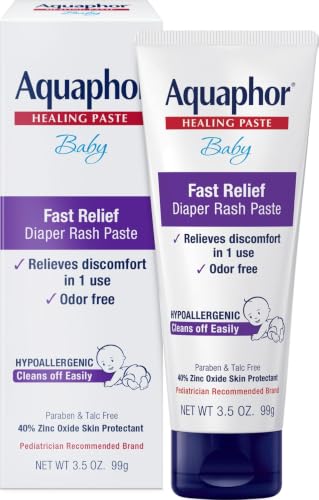
MAXIMUM ZINC OXIDE FORMULA: Formulated with maximum strength 40% Zinc Oxide (skin protectant) and enriched with Shea Butter, this zinc diaper rash treatment protects your baby's skin all night long

【UV PROTECTION WITH MATCHING SUN HAT】 High-neck, short-sleeve design helps shield delicate baby skin from harmful sunlight. The included wide-brim sun hat adds extra shade for face and eyes, perfect for beach trips, pool days, and summer outings.
Skin Sensitivity and Reactions
Skin sensitivity is a common concern for infants. Chlorine can cause irritation or allergic reactions on a baby’s delicate skin. Symptoms might include redness, itching, or rashes. For example, if you’ve noticed redness after pool exposure, that could indicate sensitivity. Always rinse your baby’s skin thoroughly after swimming and consider applying a gentle moisturizer to soothe irritation.
Respiratory Concerns and Chlorine Exposure
Respiratory issues can arise from chlorine exposure. Chlorine releases gases that may irritate an infant’s developing lungs. Symptoms such as coughing or difficulty breathing could occur. If your baby shows signs of trouble, seek a cooler, less chlorinated environment. Additionally, ensure proper ventilation around the pool area to reduce inhalation of chlorine vapors.
Guidelines for Swimming with Infants
Swimming with infants requires care and attention. You must prioritize safety and comfort at all times.
Recommended Products
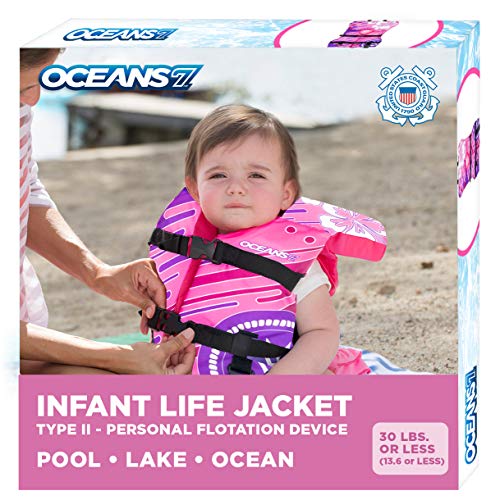
US Coast Guard-approved: Personal flotation device (PFD) passes highest USCG standards and testing; life jackets are labeled for infant, child or youth by weight range

USCG APPROVED INFANT LIFE JACKET: Coast Guard approved baby life jacket for infants and toddlers under 30 lbs. Designed for boating, pool, beach, lake and supervised family water activities.

Oversized collar for improved head support
Supervision and Safety Measures
Always supervise your baby while near the pool. You should stay within arm’s reach. Watch for signs of discomfort, such as crying or shivering. Establish clear boundaries with older children to prevent accidental bumps. Use pool floats designed for infants, but don’t rely solely on them. A life vest can offer additional security. Be alert for slippery surfaces, and ensure that the pool area has proper fencing to prevent falls.
Recommended Practices for Introducing Water
Introduce your baby to water gradually. Start with short, calm sessions in a warm pool, assessing their reaction at each step. Consider using a shallow area to allow your baby to experience water without feeling overwhelmed. Engage in gentle water play, like splashing softly or floating tummy down. Always rinse your baby afterward to remove chlorine residue. Applying a gentle, hypoallergenic moisturizer helps keep skin hydrated. Monitoring respiratory health is crucial. If you observe any coughing or unusual behavior, discontinue pool visits and consult a pediatrician.
Conclusion
Taking your four-month-old into a chlorine pool can be a big decision. It’s essential to prioritize your baby’s safety and comfort. By waiting until they’re at least six months and consulting with your pediatrician, you can make informed choices that suit your little one.
Remember to introduce water play slowly and always keep a close eye on them. With the right precautions and supervision, you can create a fun and safe environment for your baby to enjoy water activities in the future. Your child’s health and happiness should always come first, so trust your instincts and enjoy those precious moments together.
Frequently Asked Questions
Is it safe for my four-month-old to swim in a chlorine pool?
While chlorine pools can be safe for babies, it’s best to wait until your baby is at least six months old. Consult with a pediatrician to ensure your baby’s health and readiness for swimming, considering skin and respiratory sensitivities.
What should I consider when introducing my baby to a pool?
Consider your baby’s physical milestones and comfort in water. Always supervise closely, use safety gear like floats or life vests, and establish clear boundaries to ensure safety during swim time.
How can I protect my baby’s skin when swimming?
To protect your baby’s sensitive skin, rinse them with fresh water after swimming, apply moisturizer, and monitor for any signs of irritation. Always check chlorine levels to ensure they are safe for infants.
What precautions should I take while swimming with my baby?
Supervise your baby at all times, introduce water gradually, and ensure safe boundaries around the pool area. Use age-appropriate flotation devices and be attentive to your baby’s reactions in the water.
When should I consult a pediatrician regarding my baby and swimming?
Consult a pediatrician if you notice any signs of discomfort after swimming, such as coughing or unusual behavior. Always get medical advice before introducing your baby to swimming to ensure safety.