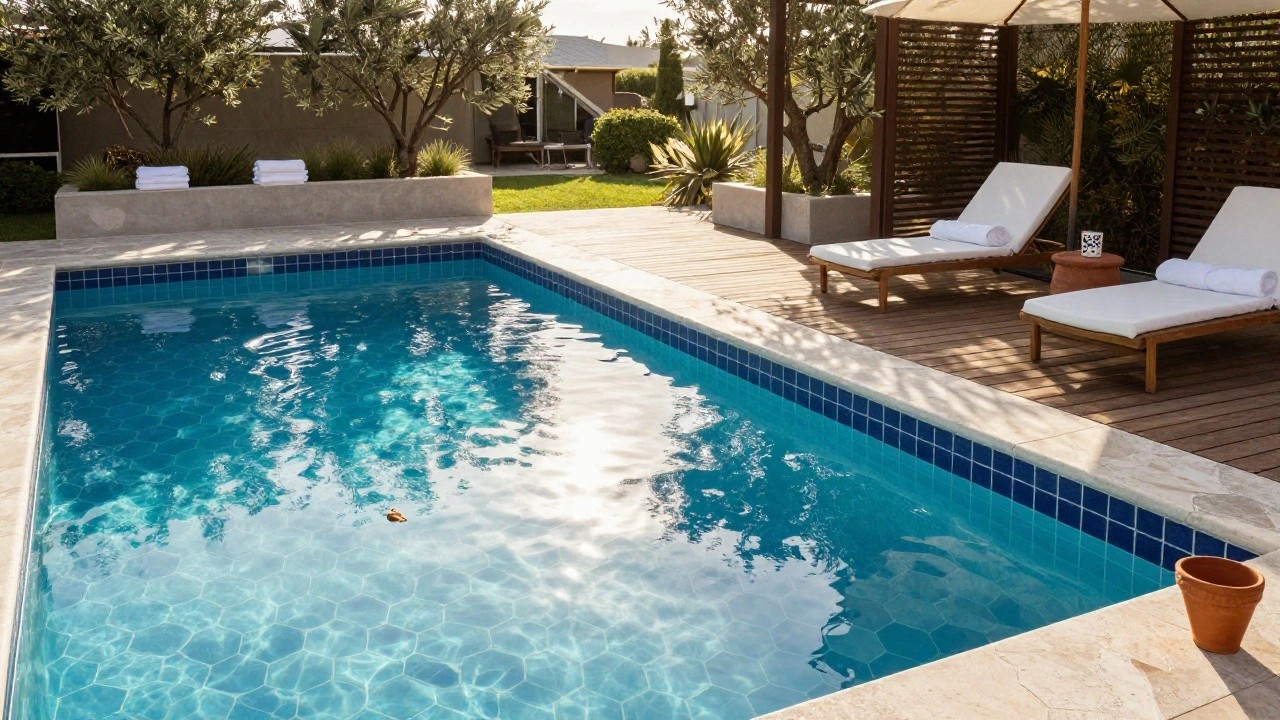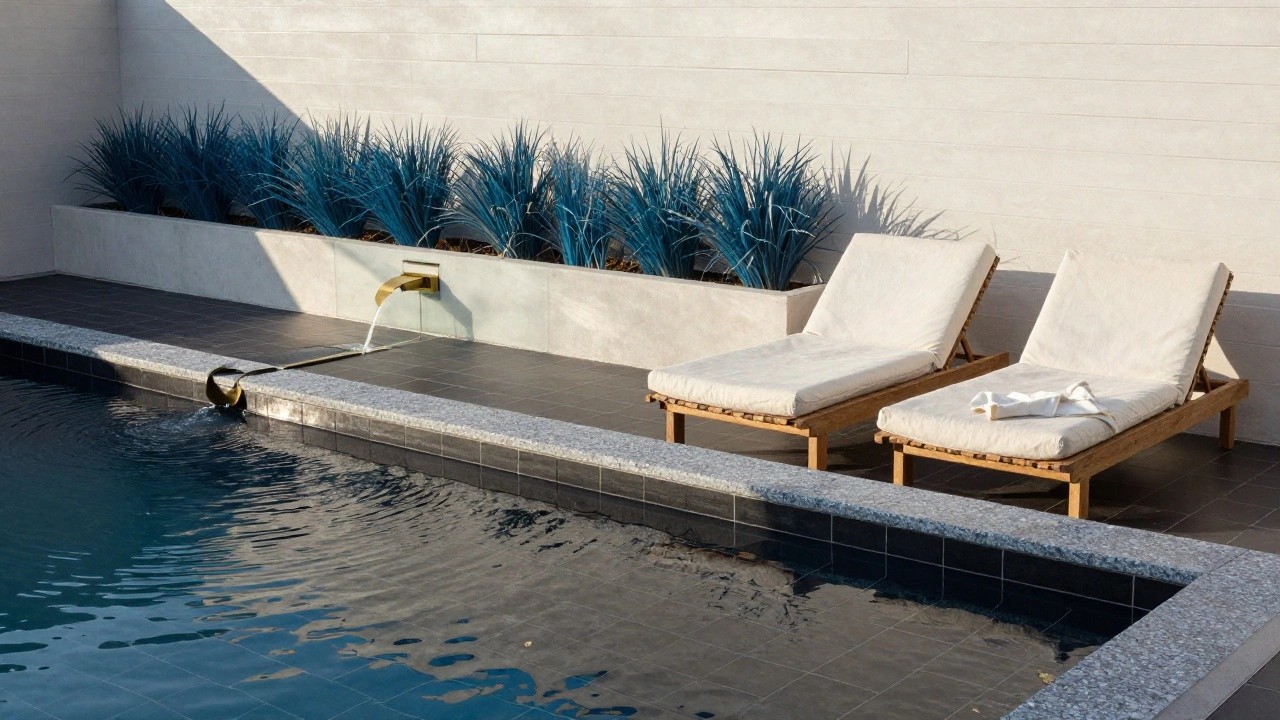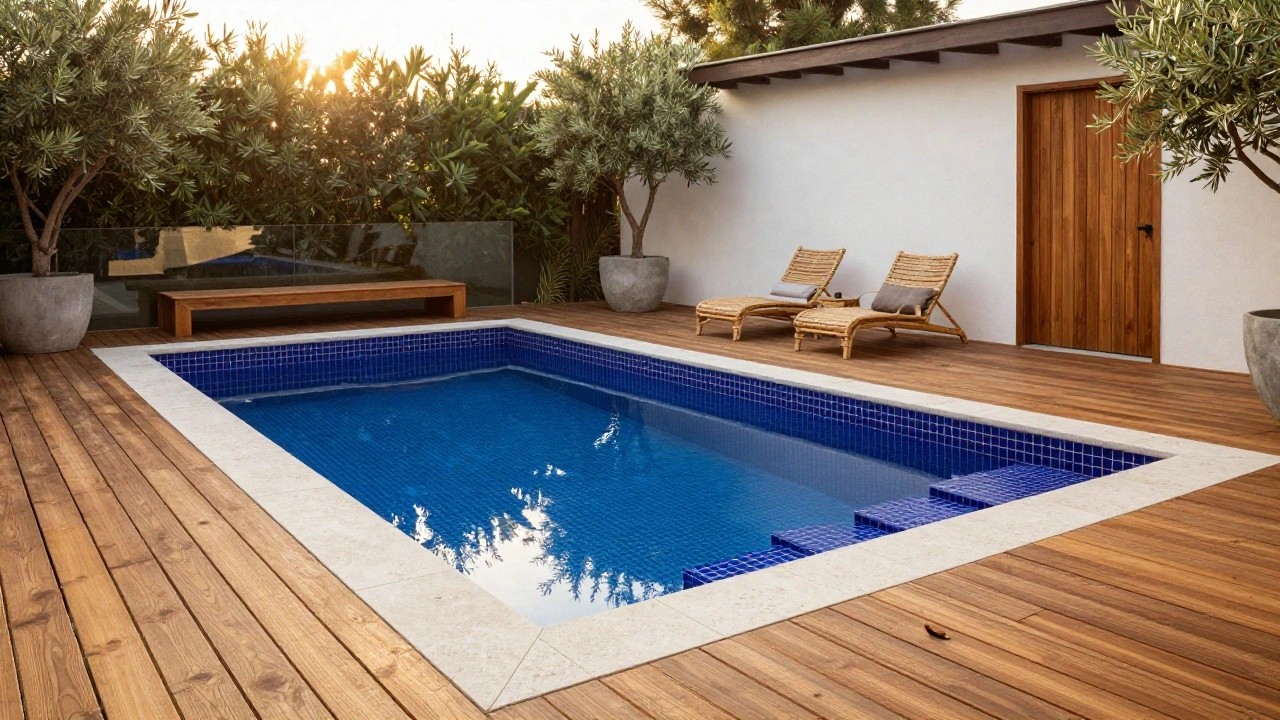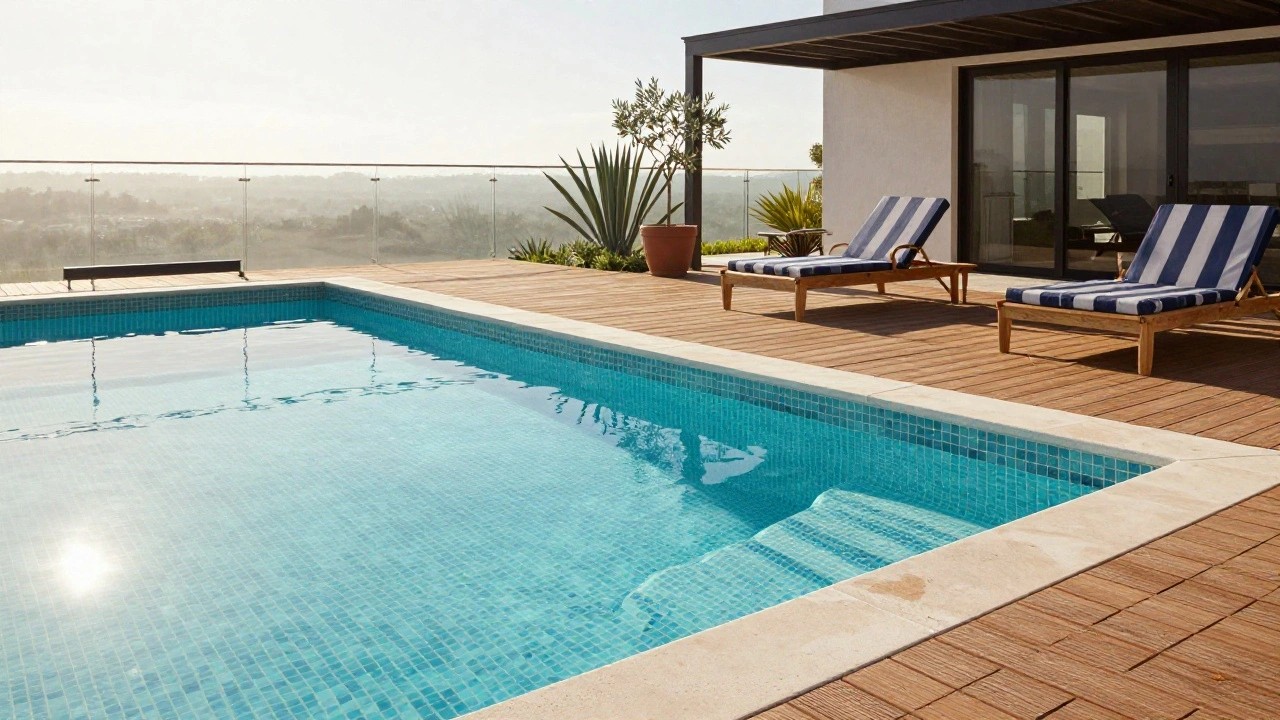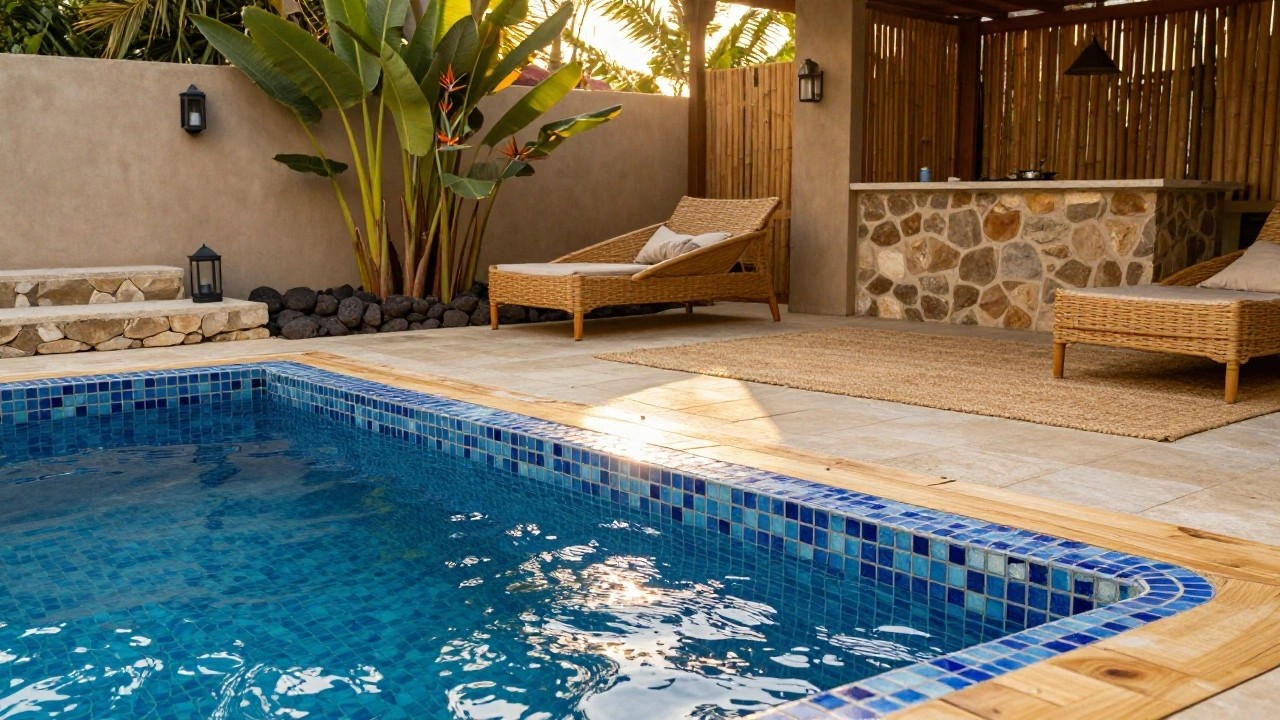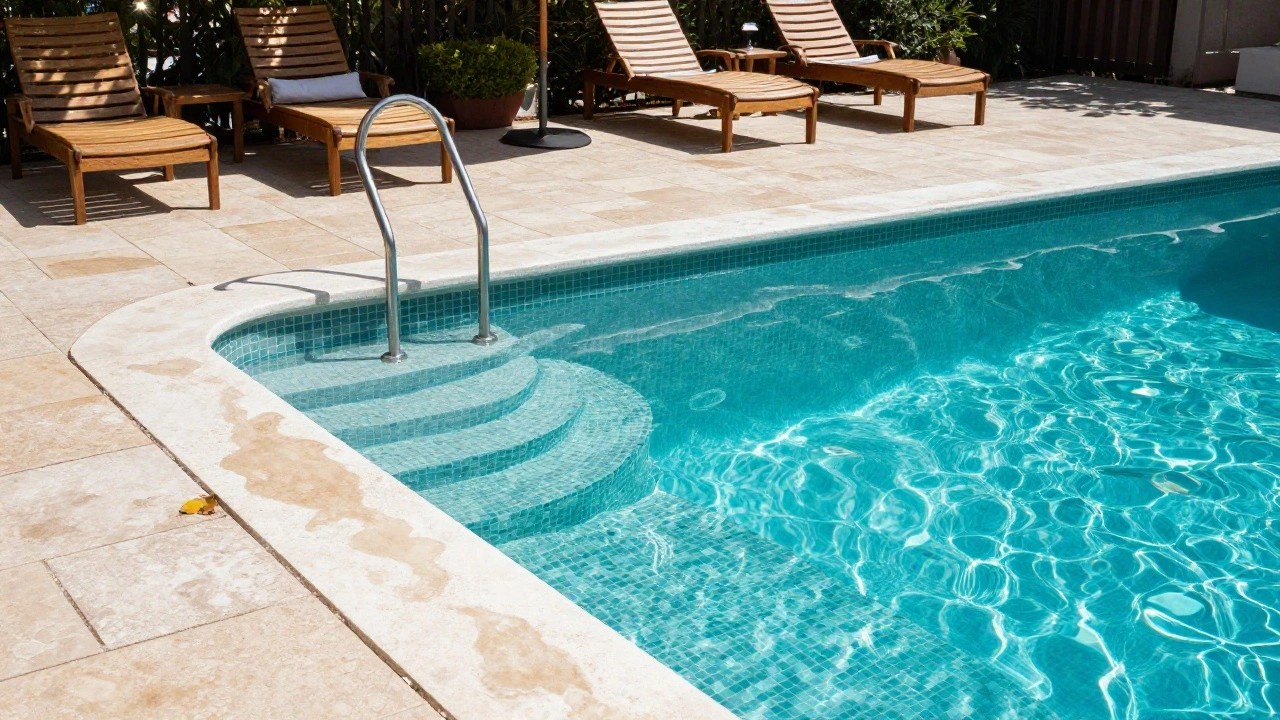
I’ve noticed that pool steps often turn into the unspoken stars of a backyard gathering, drawing eyes right when people head toward the water. They have to handle wet feet without drama, yet still pull the surrounding patio or deck together visually. A few years back, I swapped out some overly glossy tiles around our old pool, and it completely changed how safe and welcoming the space felt for kids and guests. Textures like subtle mosaics or matte stones make all the difference in keeping things slip-resistant while blending with the pool’s lines. Certain ideas in here catch that balance so well that I’ve started sketching them for anyone tackling a real outdoor refresh.
Table of Contents
- 1 Wooden Steps for Pool Entry
- 2 Terracotta Pool Steps with Patterned Tiles
- 3 Pool Steps with Dark Stone Edging
- 4 Footprint Tiles for Safer Pool Steps
- 5 Textured Travertine Pool Coping
- 6 Mosaic Tile Edges on Pool Steps
- 7 Vibrant Striped Mosaic Pool Steps
- 8 Mosaic Tiled Pool Steps
- 9 Textured Tiles for Pool Steps
- 10 Textured Stone Pool Steps
- 11 Light Stone Tiles for Pool Steps
- 12 Travertine Tiles on Pool Steps
- 13 Marble Tiled Pool Steps
- 14 Geometric Patterns on Pool Steps
- 15 Decorative Sea Theme Tiles for Pool Steps
- 16 Pebbled Tiles for Pool Steps
- 17 Blue Mosaic Pool Steps
- 18 Grooved Stone Slabs for Pool Steps
- 19 Terracotta Pool Steps
- 20 Turquoise Mosaic Pool Steps
- 21 Dark Grey Tiles Around the Pool
- 22 Travertine Pool Steps with Blue Tile Edge
- 23 Pool Steps Tiled in Light Stone
- 24 Frequently Asked Questions
Wooden Steps for Pool Entry
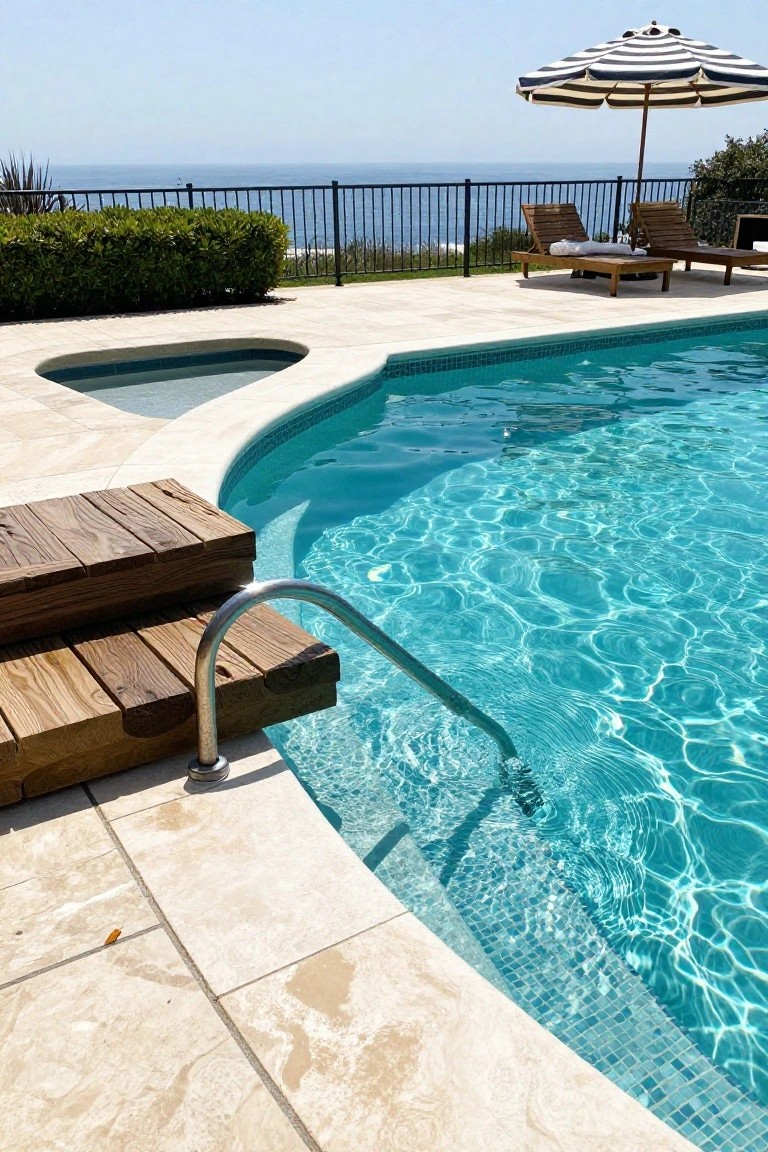
Wooden steps leading down into the pool give a warmer, more natural feel than slick tile alone. They offer better grip when wet, which makes them safer for families or anyone stepping in and out. Paired with a simple metal handrail, like the one curving right alongside, these steps fit right into a stone deck without looking out of place.
You can add them to curved or straight pool edges in coastal homes or modern backyards where you want some texture. Use treated wood or composite to handle the water and sun. Just seal them regularly so they last, and keep the treads wide enough for easy footing.
Terracotta Pool Steps with Patterned Tiles

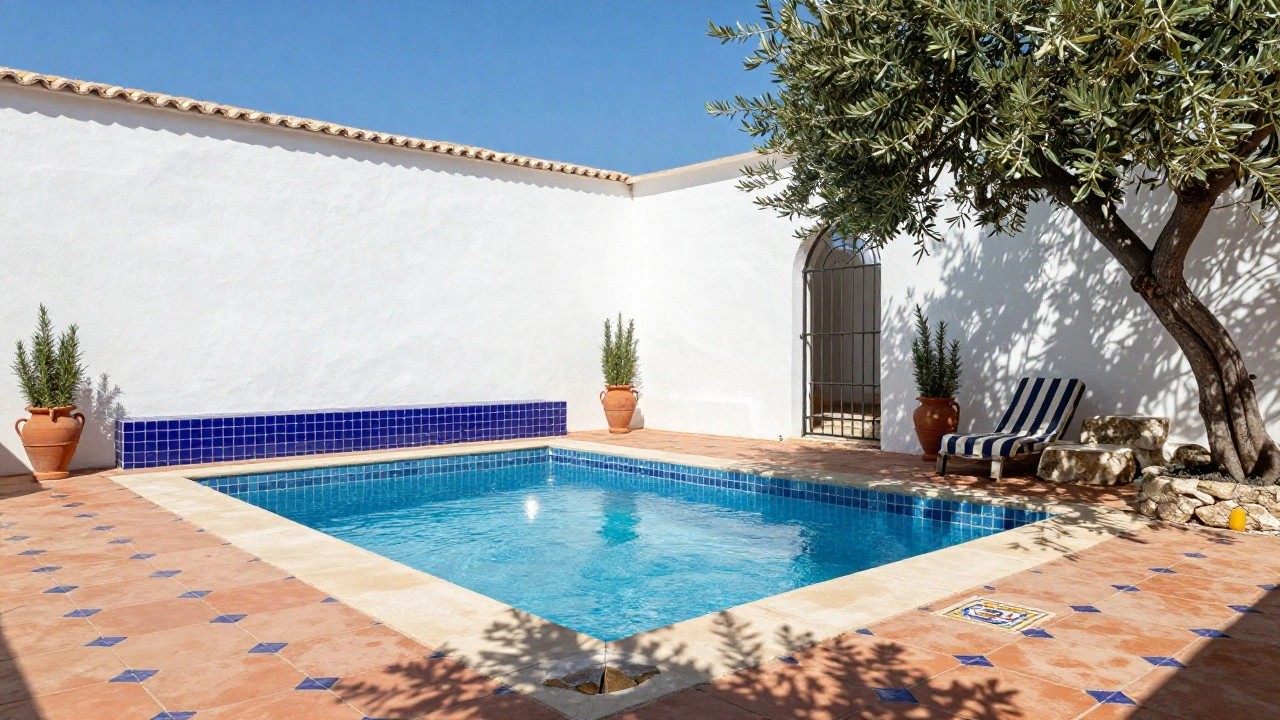
Terracotta tiles make these pool steps stand out with their warm orange tones and blue geometric patterns along the edge. The rough texture gives solid footing when wet, which is key for safety. That mix of earthy material and bold design brings a bit of Mediterranean style without overdoing it.
You can use this on steps leading into any backyard pool, especially where the surround is stone or stucco. It suits warmer spots like the Southwest or coastal areas. Seal the tiles well against chlorine, and keep plantings simple nearby so the steps stay the focus.
Pool Steps with Dark Stone Edging
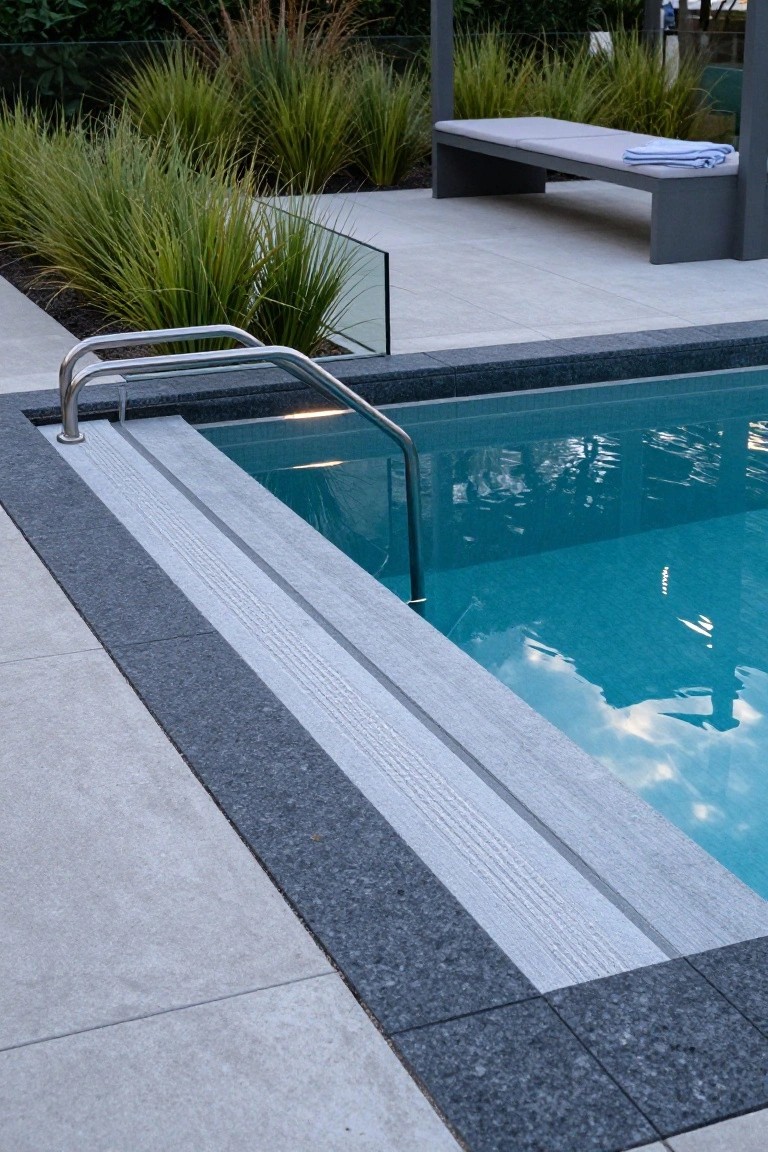
Dark stone edging around pool steps gives them a clean, defined look while keeping things safe. Black granite borders the light treads here, creating sharp lines that make the steps pop against the deck. Those built-in ridges on the treads add grip without looking busy, and the stainless rails tie it all together nicely.
This setup suits modern pools or any outdoor space with simple lines. Go for it on flat decks where contrast shows up best. It holds up well around water, but pick granite or similar for lasting color. Keeps the area feeling open too.
Recommended Products

BAREFOOT-FRIENDLY RUBBER SURFACE: Unlike sandpaper-style outdoor stair treads that scratch and irritate skin, LifeGrip rubber anti slip traction treads feature textured rubber particles that deliver reliable traction with a noticeably softer, comfortable feel underfoot. Ideal for families with babies, kids, seniors and pets — providing confident, gentle grip anywhere you walk barefoot, from bathrooms to poolside areas.

Safety Buffer Protection: This pool mat for above ground pool provides a thick buffer between the ladder feet and the pool liner, helping prevent scuffs, tears, and punctures. It protects costly vinyl liners while giving pool steps and stairs a more stable base underwater

REPLACEMENT POOL LADDER PAD - This Swimming Pool Ladder Mat used as a cushion between ladder base and pool liner and protects swimming pool liner from damage caused by ladder base. The high quality Protective Pool Ladder Pad Step Mat makes you feel more at ease with it.
Footprint Tiles for Safer Pool Steps
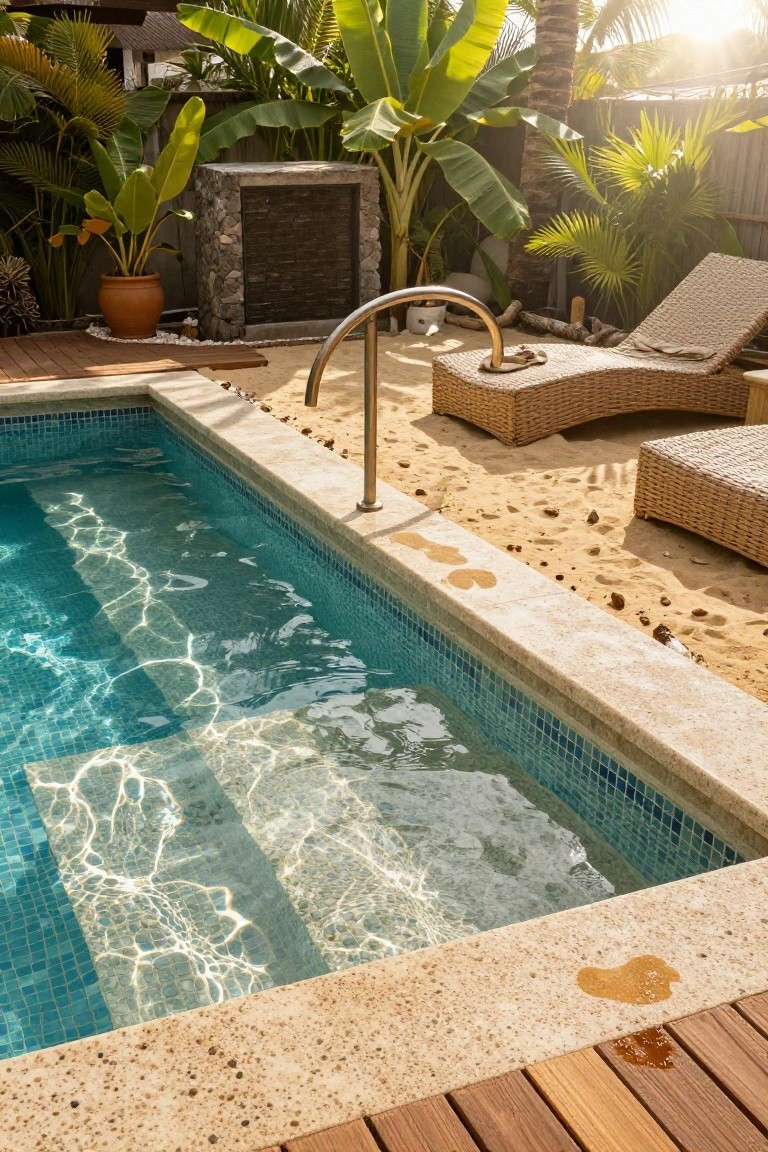
One simple way to make pool steps less slippery is etching footprint shapes right into the coping tiles around the edge. You see them here as subtle impressions in the beige stone, leading straight down to the turquoise mosaic steps below. They stand out just enough on bare feet but don’t shout, keeping the whole area looking clean and natural. It’s a practical touch that cuts down on slips without messing up the style.
These work best on any backyard pool deck, especially where sand or water might build up. Go for them in travertine or similar stone that matches your surround. They’re easy to source from tile makers who do custom stamps, and they suit tropical setups or simpler modern ones too. Just make sure the etching is deep enough to grip when wet.
Textured Travertine Pool Coping
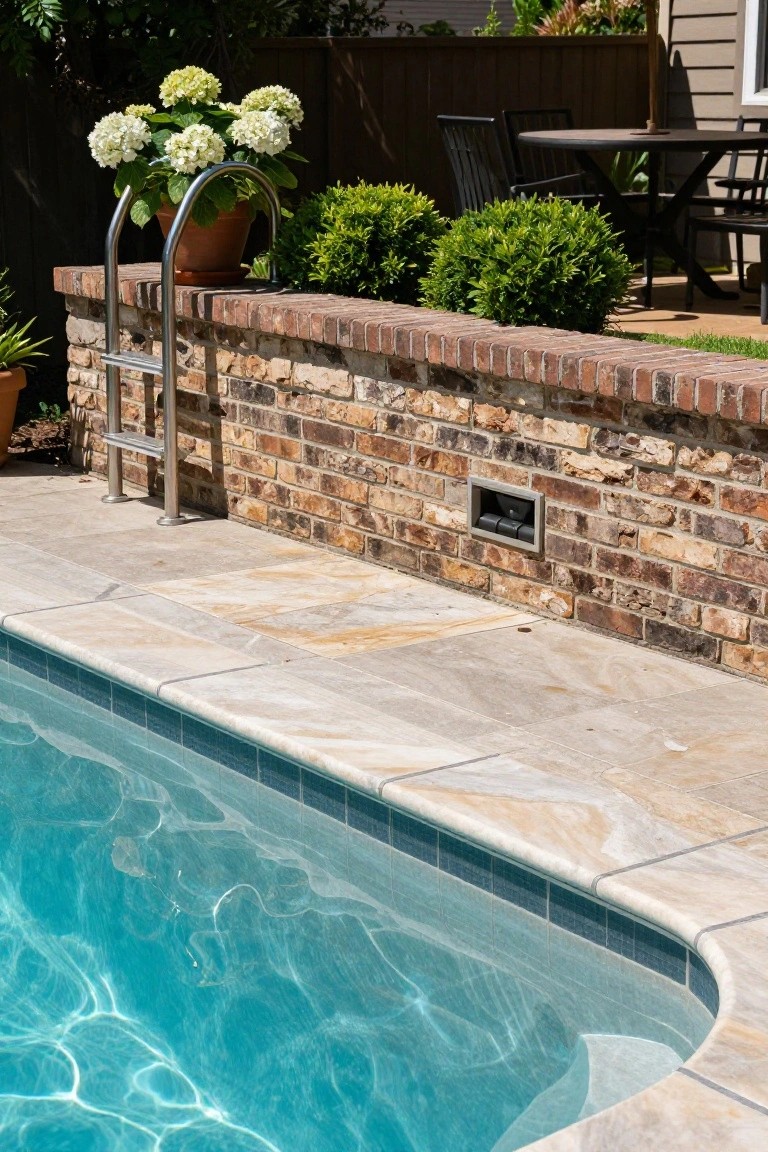
Travertine tiles like these make a solid choice for pool edges and steps. The rough surface helps with footing when things get wet, which matters around water. Paired with a thin blue tile band, it keeps the look clean without being too plain.
You can use this in backyards with some slope or raised walls, like here next to the brick. It fits homes that mix stone and plants. Just seal it now and then to handle pool chemicals.
Mosaic Tile Edges on Pool Steps

Pool steps like these use small glass mosaic tiles right along the edges where they meet the water. The tiles have a slight green tint that picks up the pool color and shimmers a bit without being too busy. That texture gives good footing when things are wet, which matters more than looks around a pool.
You can add this to any deck or rooftop setup, especially if you have plain stone steps already. It works best in modern spots with city views or simple planting nearby. Just pick tiles rated for wet areas so they stay safe over time.
Vibrant Striped Mosaic Pool Steps
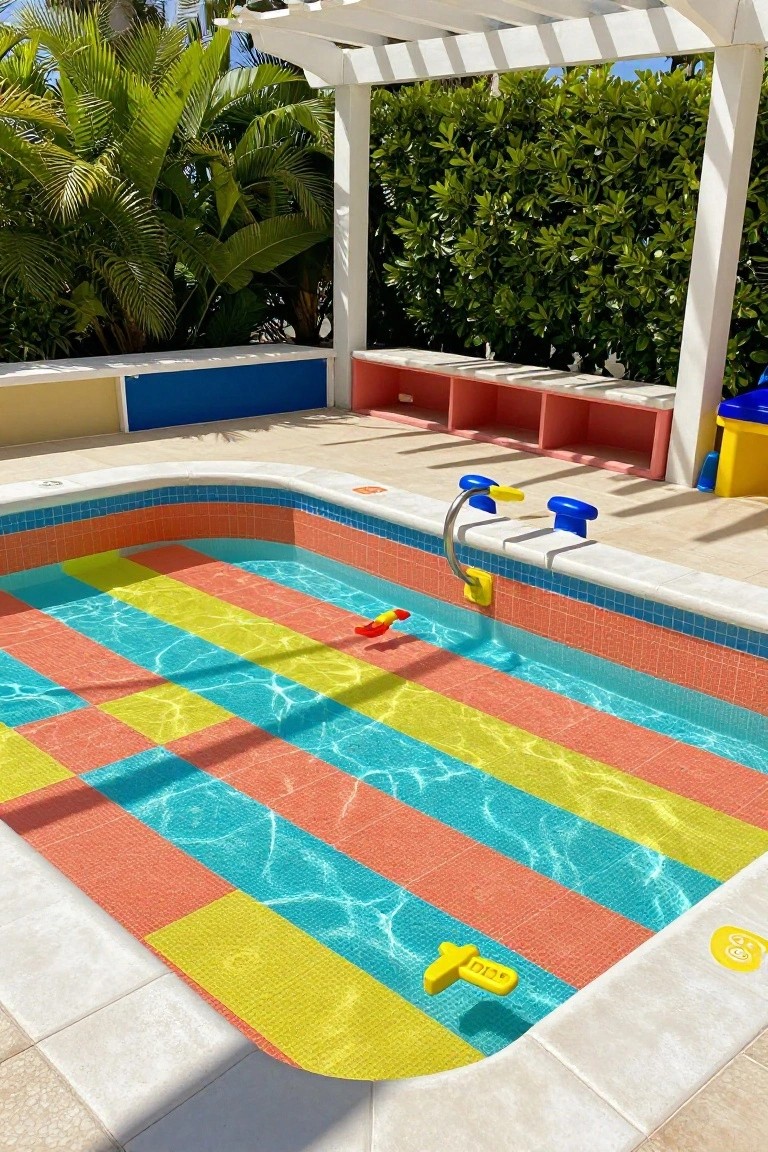
Pool steps like these stand out with their bold mosaic tiles laid in wide stripes of blue, coral, yellow, and green. The pattern pops underwater and guides your eye right to the entry, making it safer for little ones splashing around. Plus, those colors bring a playful vibe without feeling overdone.
You can pull this off in any backyard pool, especially family setups or sunny spots with a tropical feel. Go for textured mosaics to avoid slips, and keep the stripes simple so they don’t overwhelm. Works best on shallow ends where kids hang out most.
Mosaic Tiled Pool Steps
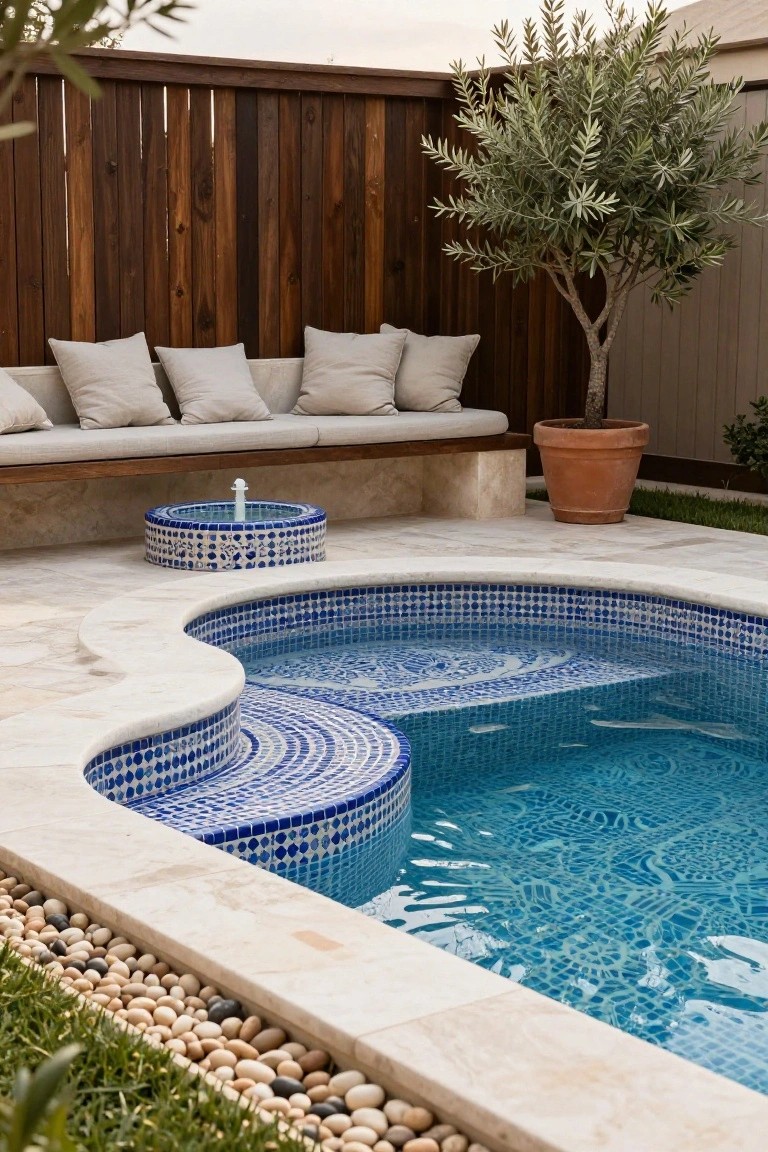
Mosaic tiles on pool steps like these small blue ones work well because they grip underfoot without feeling rough. The patterns show up nicely underwater too, turning a basic entry into something with real character. It’s a simple way to make the pool feel more like part of the yard design.
You can use this in smaller backyards where curves fit the space better than straight stairs. It suits homes with a bit of Mediterranean feel or clean modern lines. Just pick tiles rated for wet areas, and keep the surround in a light stone to let the blue pop.
Textured Tiles for Pool Steps

Pool steps like these use light stone tiles with a subtle bumpy texture. Those small dots give your feet a solid grip even when everything’s wet. It’s a smart way to add safety that doesn’t shout. The brass handrail curves right along, making it easy to hold on without clashing with the rustic stone around.
This setup suits backyard pools near barns or old stone walls. Go for tiles in a soft blue-gray tone to blend with water and gravel paths. Pair with a sturdy metal rail, and it keeps things practical for families. Just make sure the texture isn’t too rough on bare skin.
Textured Stone Pool Steps
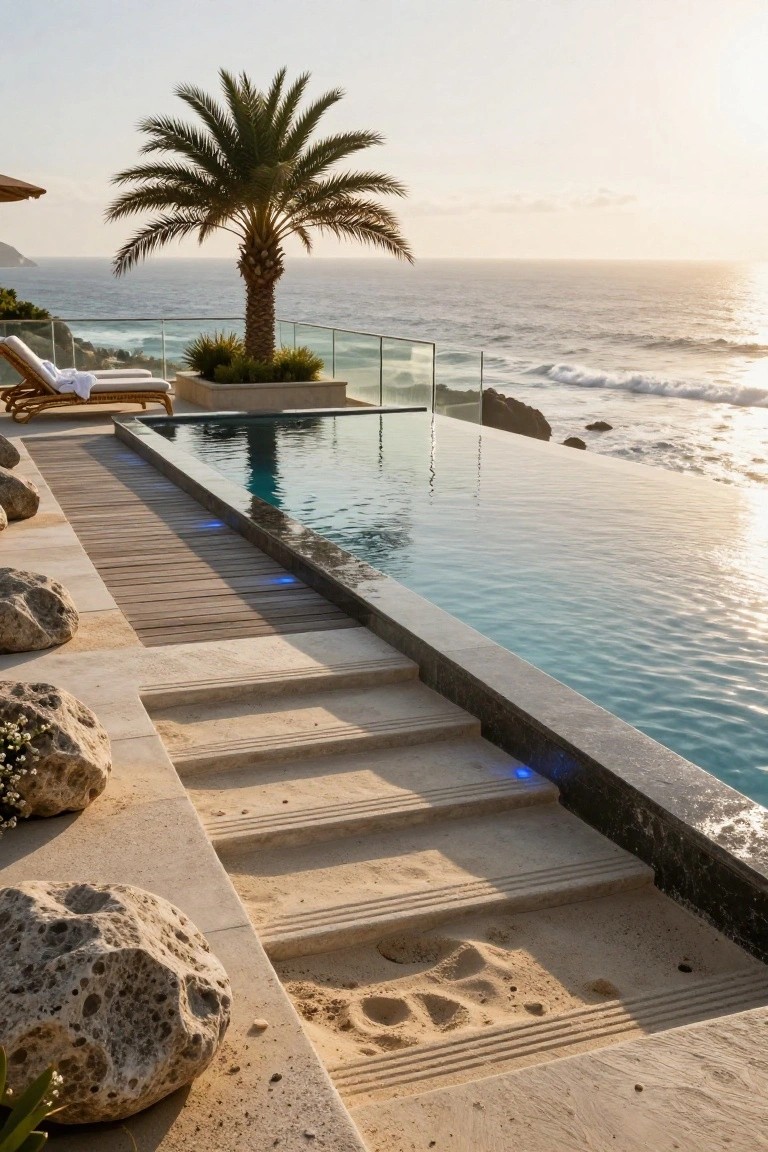
These pool steps use light-colored stone with built-in grooves that catch a bit of sand or grit for extra grip. It’s a simple way to make the steps safer without looking like a slip hazard warning. The texture fits right into coastal spots, where everything already has that natural, worn-in feel from the beach nearby.
You can pull this off on any modern pool deck or terrace that gets wet often. Go for limestone or travertine tiles cut with shallow treads, and let some fine sand settle in naturally. It works best around infinity edges or seaside pools, but keep the grooves clear of debris so they stay useful. Not too fussy for everyday use.
Light Stone Tiles for Pool Steps
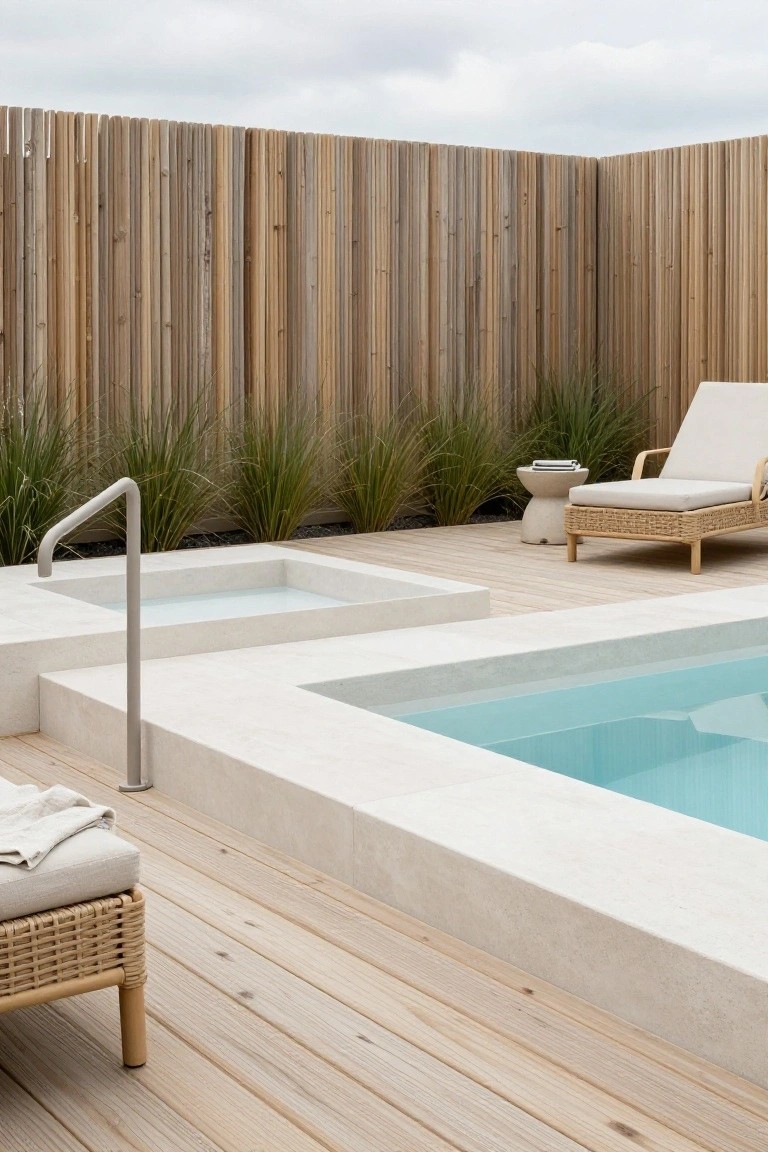
Pale stone tiles like these work great around pool steps. They create a smooth drop-off that feels safe with the added handrail, and the light color opens up the space without overwhelming it. Here, the tiles sit flush against the wood deck, making the whole area look intentional and easy to move around in.
You can pull this off in compact backyards or coastal spots where you want clean lines. Go for textured stone to avoid slips, especially near the water. It pairs well with natural wood surrounds… just keep the grout clean to maintain that fresh look.
Travertine Tiles on Pool Steps
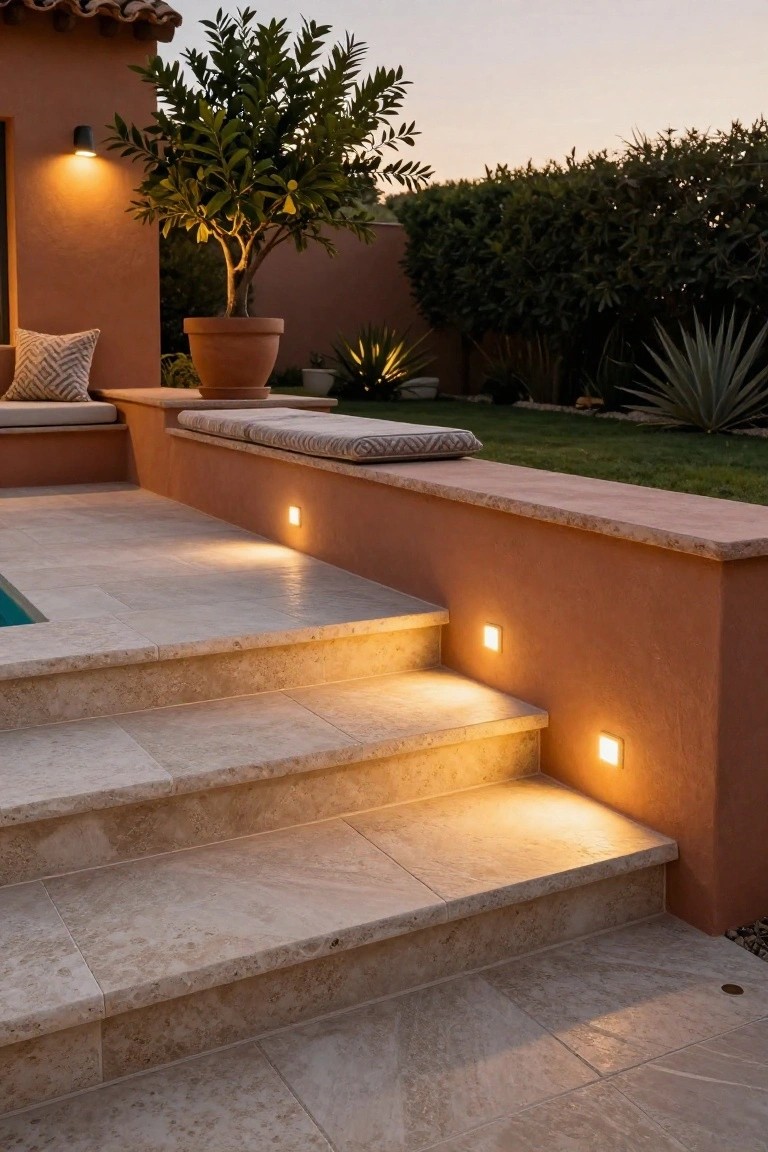
Pool steps covered in light travertine tiles like these offer good traction when wet. The creamy color keeps things bright and open around the water. Those small recessed lights along the wall add a soft glow that makes the steps easy to see at night.
This setup works well in backyards with a warmer style, like Southwestern or Mediterranean homes. Go for textured tiles rated for pools to avoid slips. Add the same lighting on both sides if steps are wider. It keeps the look simple without too much fuss.
Marble Tiled Pool Steps
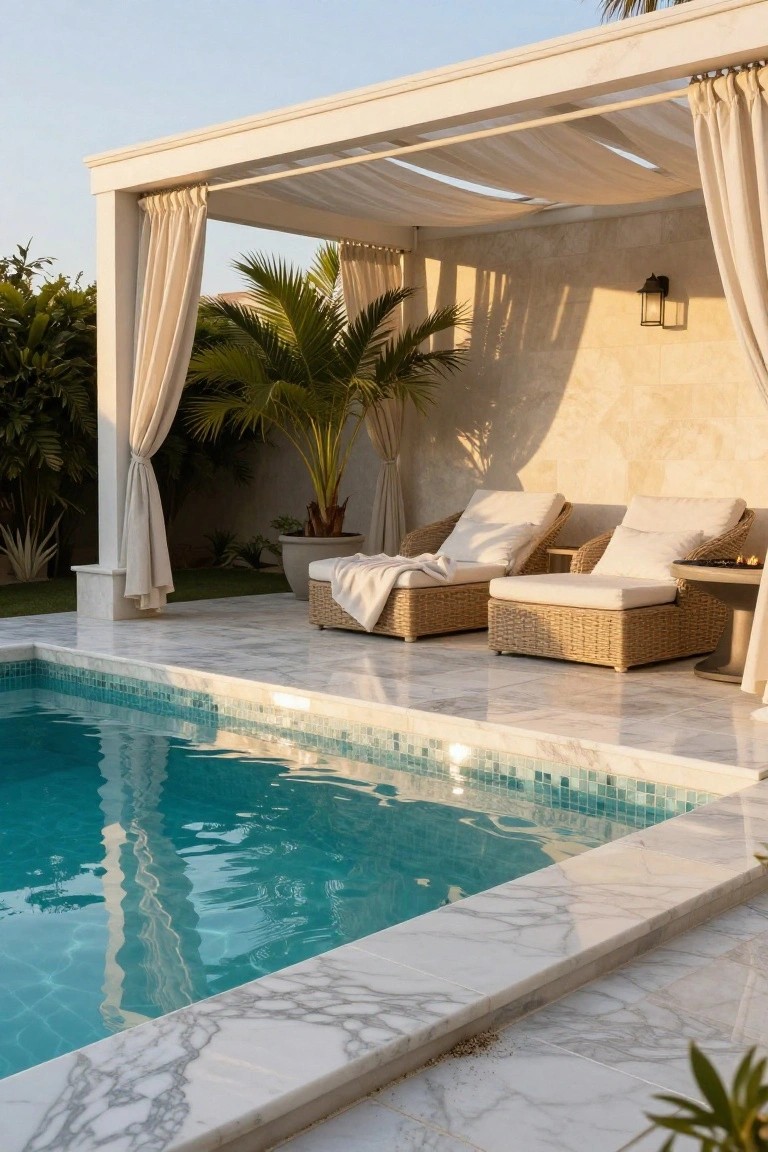
White marble tiles with soft gray veining work great for pool steps. They give that clean, upscale feel without being too stark. The texture from the veining adds grip too, which helps with safety around wet areas. In this setup, the marble runs right along the pool edge, making the steps blend smoothly into the surround.
You can pull this off in smaller backyards or resort-style patios. Go for honed marble to cut down on slipperiness, especially if kids use the pool. It suits light-colored homes best, and keeps things low-maintenance if sealed right. Just watch the grout lines. They need regular cleaning to stay crisp.
Geometric Patterns on Pool Steps
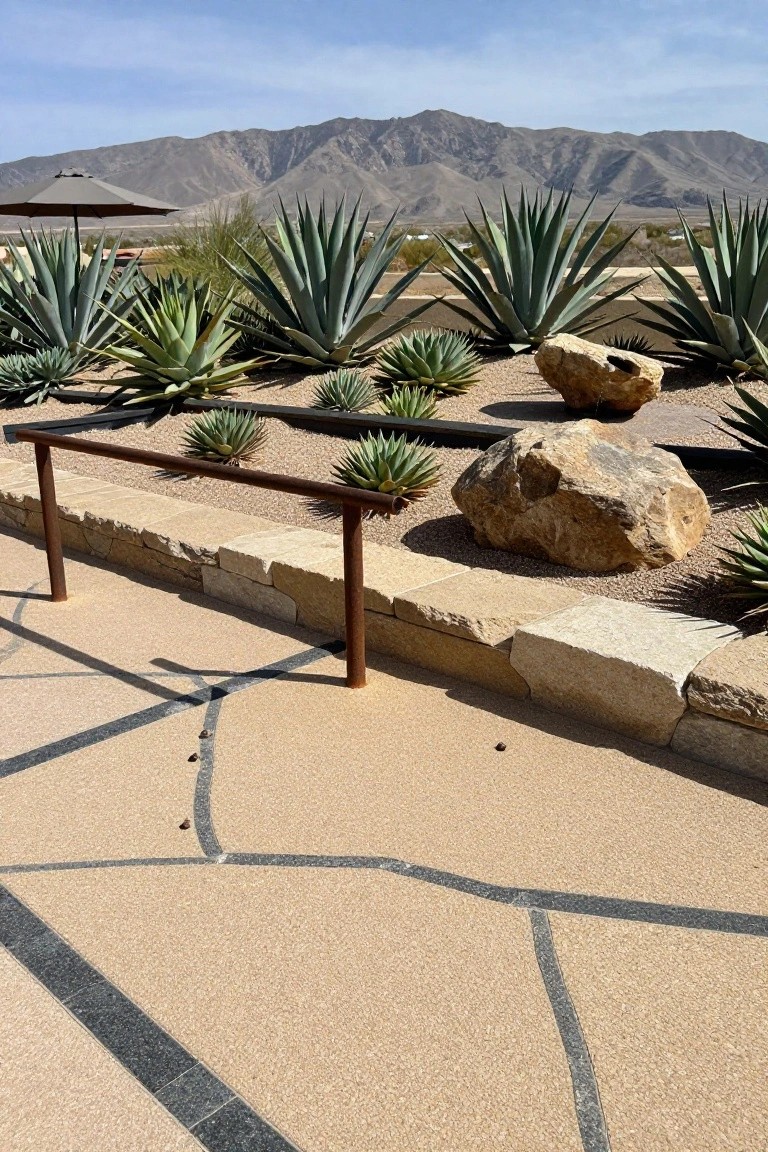
These pool steps use a pale beige concrete with sharp black geometric lines running through it. The pattern stands out against the simple deck, giving the area a clean modern feel. It’s practical too. Those bold lines make the edges clear, which helps prevent slips around water.
You can pull this off in sunny backyards or pool decks where you want style without fuss. It suits low-water landscapes, like pairing with agaves and rocks for a desert vibe. Go for textured concrete so it grips when wet, and keep the lines wide enough to read from a distance.
Decorative Sea Theme Tiles for Pool Steps
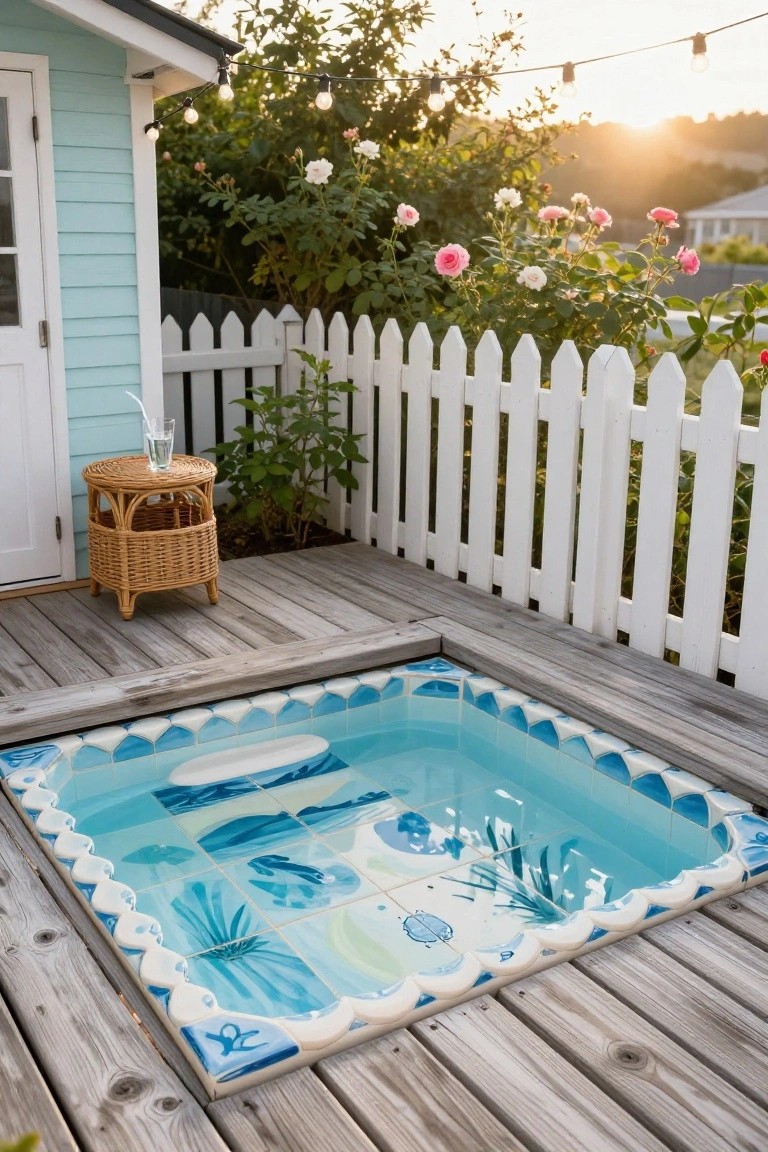
Pool steps don’t have to be plain. These ones feature artistic tiles with fish, turtles, and ocean plants in shades of blue and white. The scalloped edges around the top add a wavy, beachy touch that makes stepping in feel special. It’s a simple way to turn a basic hot tub or plunge pool into something with personality.
You can use this idea on any small pool or spa where steps are part of the design. It suits backyard decks or patios in coastal spots, or even inland if you like that relaxed vibe. Pick durable, non-slip tiles to keep it safe, especially around wet areas.
Pebbled Tiles for Pool Steps
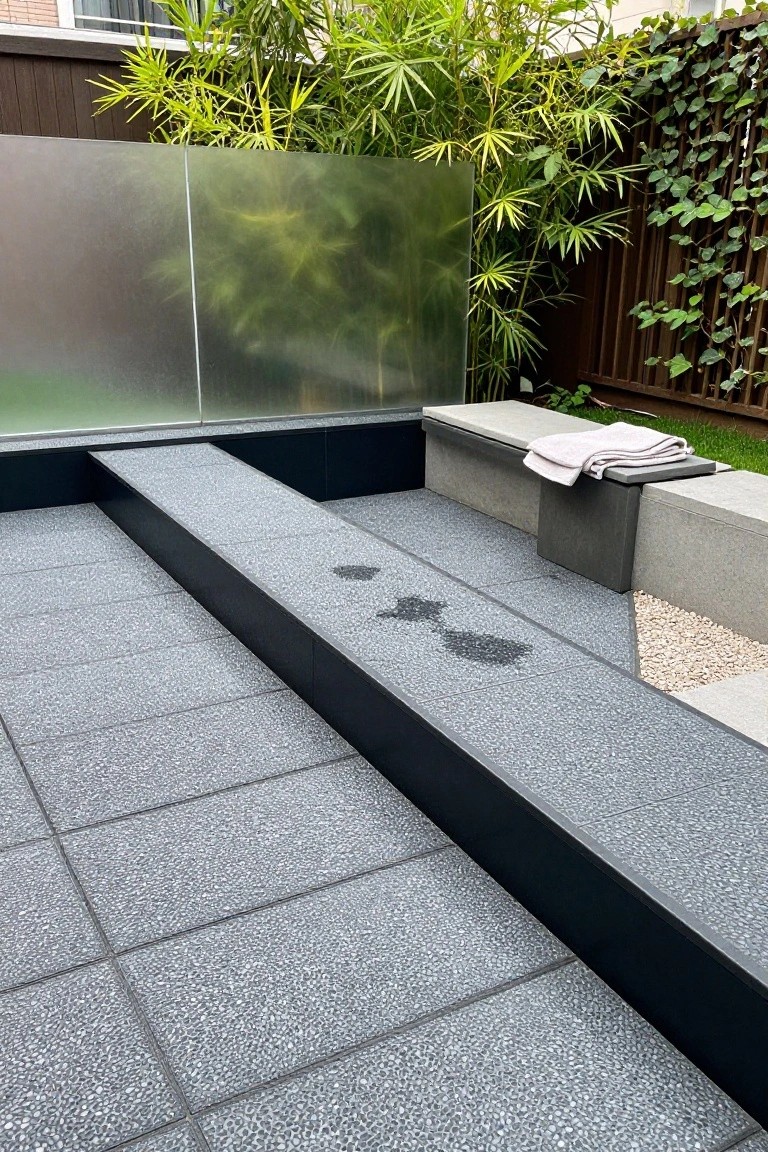
Pool steps like these use a pebbled tile finish that adds real grip, especially when wet. Those dark water spots show how the texture holds up without slipping, and it fits right in with the clean black edging around it. It’s a simple way to make the entry safer while keeping things looking sharp and modern.
This works best in backyards with a sleek setup, like next to a bench or some low plants. Go for it on straight runs or gentle curves, but seal the tiles well to cut down on algae. Suits most homes that want low-fuss style around the pool.
Recommended Products
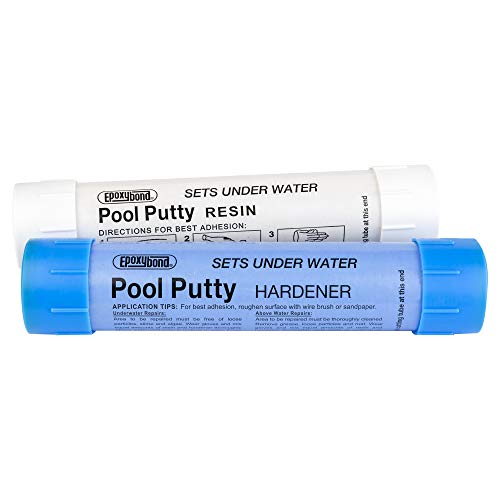
SAFE AND LASTING HAND-MOLDABLE PUTTY APPLY TO FIX LEAKS UNDERWATER: So easy and safe to use. Simply mix 1-to-1, mold putty in your hands, and apply to the area where leak or crack.
2-component acid-resistant epoxy mortar for the installation and grouting of ceramic tiles with joints of 1 to 15 mm width (3/64 in. to 19/32 in.)
Blue Mosaic Pool Steps
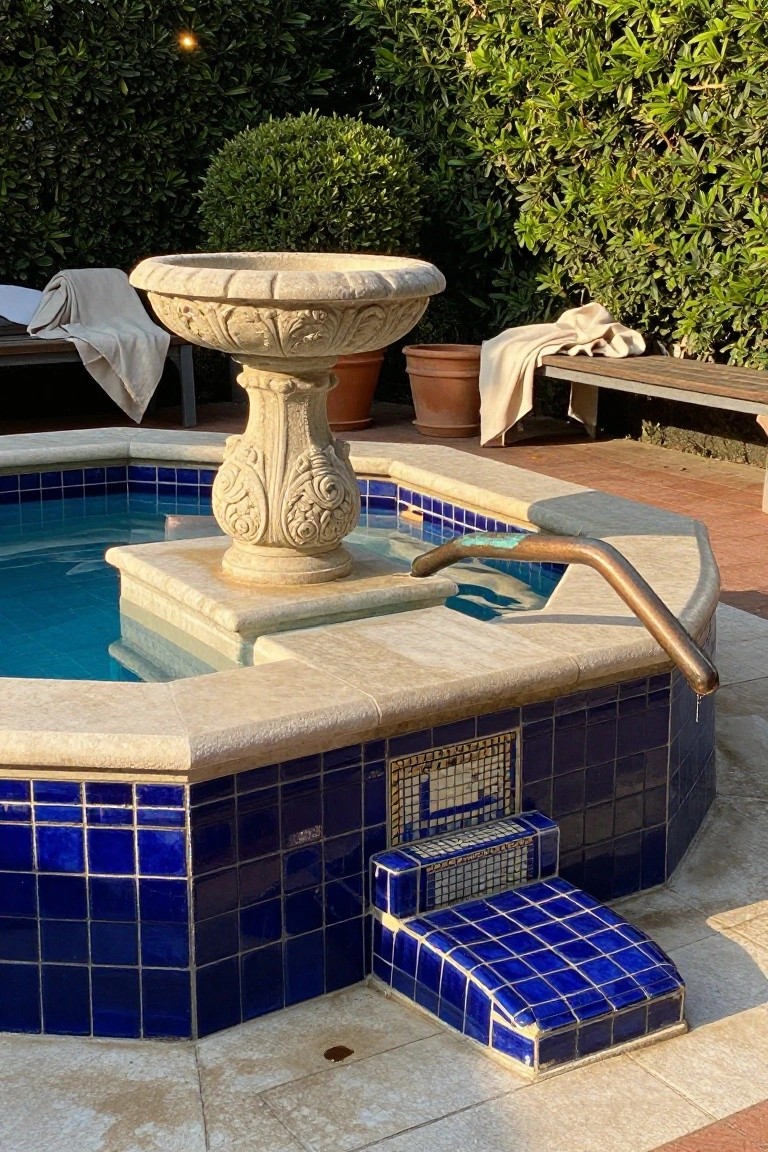
Blue mosaic tiles make for a smart choice on pool steps. The small tiles create a textured surface that helps prevent slips when things get wet. That pattern also adds a bit of visual interest without overwhelming the space. Here the deep blue picks up on the water nicely, and it ties into the stone edging around the pool.
You can use this look on entry steps for smaller pools or hot tubs. It suits gardens with a Mediterranean or classic feel… just make sure the grout lines are tight for extra grip. Pair it with a simple handrail like the bronze one shown, and avoid glossy finishes that could get too slick.
Grooved Stone Slabs for Pool Steps
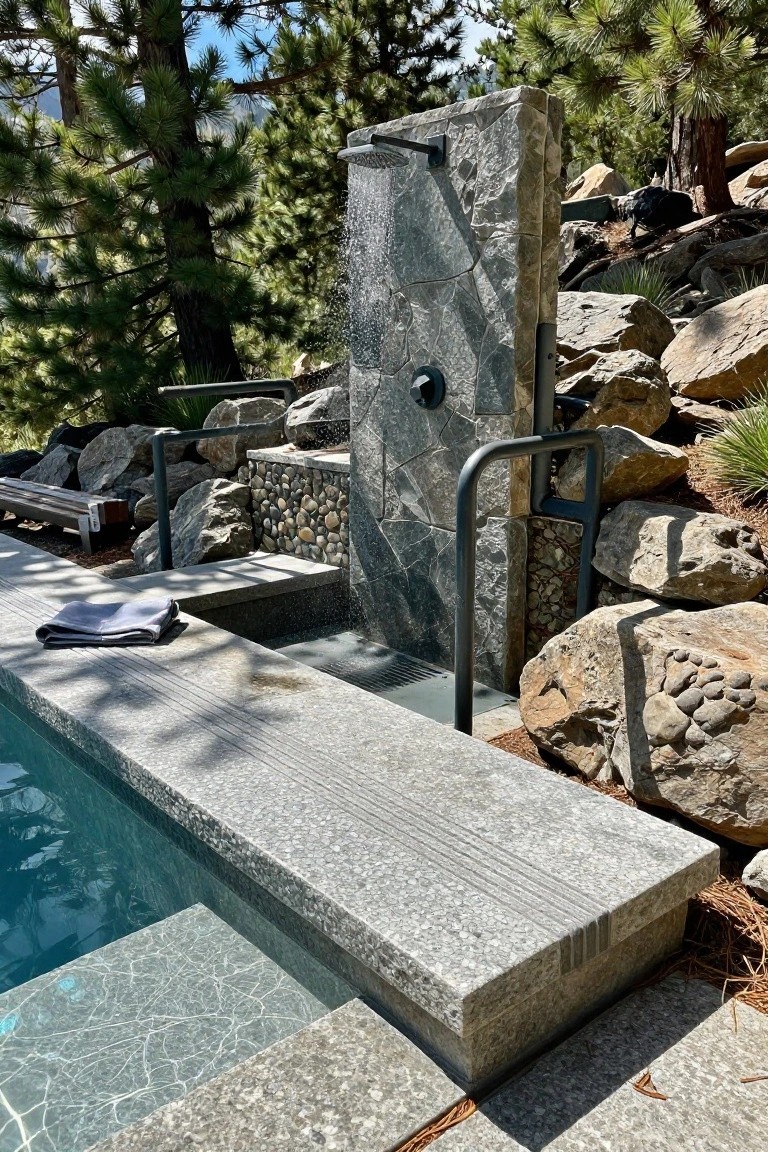
Thick stone slabs like these make solid pool steps. The linear grooves cut into the surface handle wet feet well. They keep things safe without shouting it. Here the slabs overhang the pool edge a bit, and the natural gray tone blends with the rocks around.
Use this in backyards that lean rugged or wooded. It works on modern homes or cabins with a lot of stone already. Go for granite or similar hard stone, and have it installed flat with the grooves running lengthwise. Skip it if your pool area is super flat and formal.
Terracotta Pool Steps
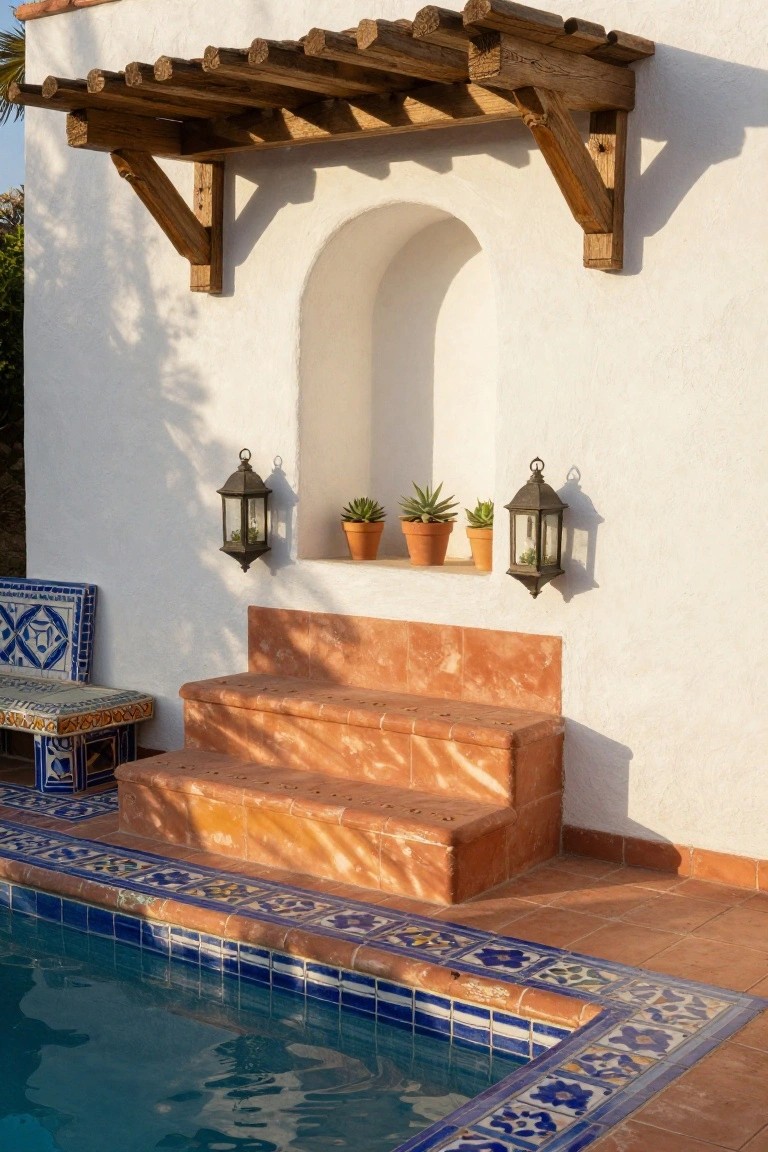
Terracotta steps like these give a pool entry a warm, grounded feel that pairs nicely with cool blue water. The rough texture helps with slip resistance, which matters a lot around wet areas. Here, the steps sit right against a pool edged in blue tiles with colorful patterns, making the whole setup feel casual and lived-in.
You can use terracotta steps in backyards with a Mediterranean or Southwest look, or just about any patio setup wanting some earth tones. Keep the steps wide enough for easy access, and seal them well to handle pool chemicals. They work best where you want style without too much upkeep.
Turquoise Mosaic Pool Steps

These pool steps use small turquoise mosaic tiles that pick up the color of the water just right. The tiles create a gentle transition from the deck into the pool, making it feel more inviting and less abrupt. With the light stone deck around them, the whole area stays bright even on overcast days.
You can pull this off in a backyard pool setup, especially if you want something modern with a tropical vibe. Add a slim metal handrail like the one here for extra safety, and go for textured tiles to avoid slips. It works best where you have sunny exposure, since the shimmer really shows up then.
Dark Grey Tiles Around the Pool

One simple way to make a pool area feel modern and safe is dark grey tiles on the deck and coping. These matte tiles have enough texture to give good grip when wet, which matters a lot around water. They stand out against the blue pool water without being too shiny or distracting. In this setup, the dark color ties into black planters and a simple bench nearby.
You can use these tiles on any flat pool surround or step edge, especially in contemporary backyards. They work well on concrete bases and pair with neutral outdoor furniture. Just make sure to seal them right for easy cleaning, since wet leaves or dirt show up more on dark surfaces.
Recommended Products
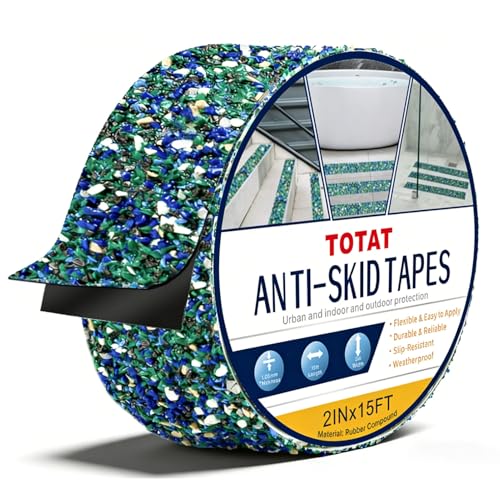
Premium Safety & High-Traction Design: TOTAT anti-slip tape features a rugged red grit rubber surface, delivering instant traction on stairs, showers, pools, and outdoor trails. Heavy-duty waterproof adhesive ensures year-round durability, even in wet bathrooms or rainy conditions. Perfect for homes, gyms, boats, and commercial spaces
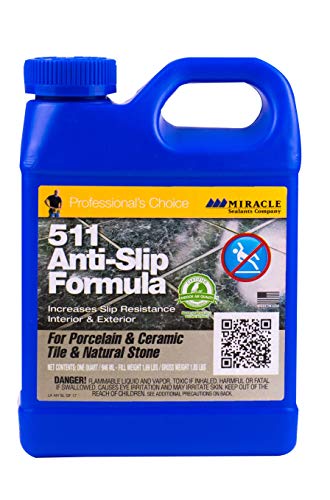
Use inside or out on interior or exterior granite, travertine, ceramic, marble, natural stone, grout, limestone, concrete and more

Size and raw materials: The surface of CHUANGDANG blue rubber anti-slip tape has uneven rubber nubs, which can increase friction and the anti-slip strength of the tape. The size is 4inchx16.5feet, 1 roll, the main raw material of this pool anti-slip tape is PEVA rubber particles + PVC film + acrylic, PEVA rubber granules are environmentally friendly, acrylic is highly viscous, can stay sticky for a long time will not fall off, and there will be no residue when used.
Travertine Pool Steps with Blue Tile Edge
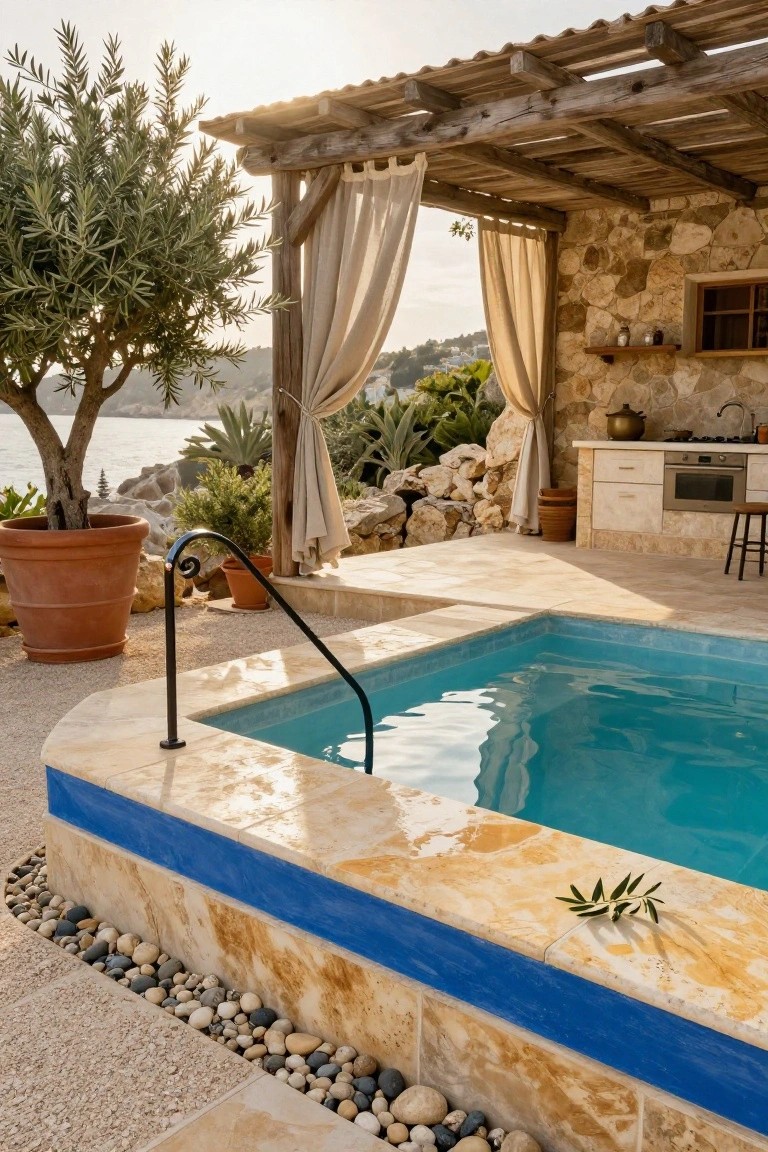
One simple way to make pool steps safer and more stylish is to run a band of blue tile right along the edge. Here, it’s set into light travertine decking, creating a sharp line that shows exactly where the drop-off is. That blue pops in sunlight… no guessing when you’re stepping in wet. Folks like it because it feels Mediterranean without trying too hard.
Put this on a smaller plunge pool like this one, where the steps are front and center. It suits stone-heavy patios or spots near the sea. Go for textured blue porcelain to avoid slips, and keep the travertine rough-cut for grip. Pairs nice with a plain black railing too.
Pool Steps Tiled in Light Stone

Those broad steps leading into the pool use light beige stone tiles that look like travertine. They give a clean, natural feel without being too slick. The subtle texture on the surface adds grip, which matters most when things get wet. A thin mosaic border at the water edge finishes it off nicely too.
You can pull this off in most backyard pools, especially where you want a resort look on a budget. It pairs well with wood decks or brick surrounds for some contrast. Go for honed tiles over polished ones. And seal them regularly since pool water can wear on porous stone over time.
Frequently Asked Questions
Q: Do non-slip tiles make a real difference on pool steps?
A: They cut down slips big time, especially when feet are wet from the pool. Pick ones with a gritty texture that feels secure underfoot. Test a sample by splashing water on it first.
Q: How do I clean textured tiles without losing their grip?
A: Soft brush and dish soap work wonders. Scrub gently, rinse well, and let them air dry. Skip the pressure washer, it wears the texture down fast.
Q: Can I install these tiles myself?
A: Sure, if your steps are straight and you’re comfy with thinset and grout. But curves or old surfaces call for a pro. They ensure everything bonds tight to water.
Q: What if I want style but still need safety?
A: Go for mosaics with built-in texture, like small pebbles. They dazzle around the pool but grip like champs. And yeah, they hide wear better than smooth glass.