Have you ever wondered how long you should wait to jump back into your pool after shocking it? You’re not alone. Many pool owners face this dilemma, especially during those hot summer days when all you want is a refreshing swim.
Key Takeaways
- Understand Pool Shocking: Pool shocking involves adding a high dose of chlorine or chemicals to eliminate contaminants and restore water clarity.
- Waiting Times: After chlorine shocking, wait 24 hours or until chlorine levels drop below 5 ppm; non-chlorine shock allows swimming after just 15 minutes.
- Signs You Need to Shock: Look for cloudy water, strong chlorine smell, algae growth, or after heavy rain as indicators that your pool requires shocking.
- Recommended Frequency: Shock your pool weekly, after heavy usage, and at the start and end of the swimming season for optimal water quality.
- Water Chemistry Awareness: Monitor chlorine and pH levels post-shock; wait for appropriate chemical balances to ensure safe swimming conditions.
- Visual and Testing Precautions: Always check for clear water and perform water tests to confirm safety before swimming after shocking your pool.
Understanding Pool Shocking
Pool shocking involves adding a high dose of chlorine or other chemicals to your pool. This process eliminates contaminants, such as bacteria, algae, and chloramines, restoring water clarity and safety.
Recommended Products
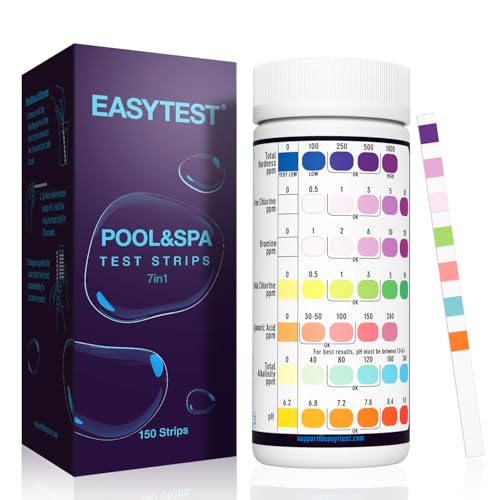
AFFORDABLE 150 STRIPS: This water chemical testing kit contains 150 test strips. Enough balanced for your swimming pool, hot tub, spa and other water testing. At least testing twice a week is recommended to keep your pool sparkling clean and safe.
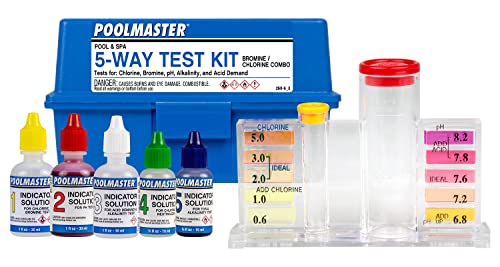
5-WAY WATER TESTING: Accurately tests chlorine, bromine, pH, acid demand, and total alkalinity to help maintain clean, balanced pool and spa water
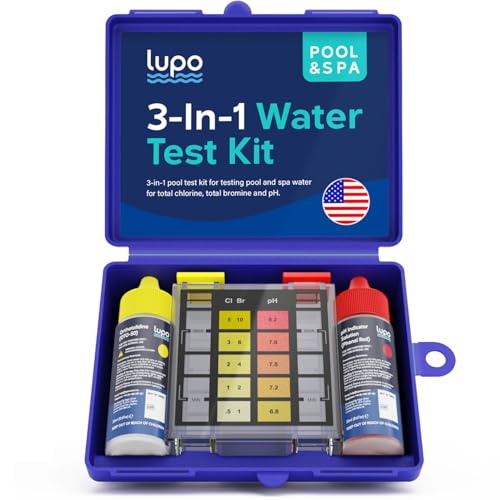
3-IN-1 POOL TESTING KIT: An easy-to-use, accurate pool test kit for testing three essential water quality parameters in residential pools and spas: Total Chlorine, Total Bromine, and pH. Includes enough reagents for 100 tests, helping keep your water safe, clean, balanced, and ready to use anytime.
Types of Pool Shocking
- Chlorine Shocking: Uses a substantial amount of chlorine to quickly raise the chemical level. Effective for regular maintenance.
- Non-Chlorine Shocking: Utilizes oxygen-based compounds that break down organic materials without raising chlorine levels. Ideal for sensitive skin.
- Shock Alternatives: Enzyme-based products attack organic waste without harsh chemicals. These serve as a gentler approach.
Signs You Need to Shock Your Pool
- Cloudy Water: Cloudiness indicates contaminants, often requiring shocking.
- Strong Chlorine Smell: A potent smell suggests high levels of chloramines, indicating a need for shocking.
- Algae Growth: Visible algae signals that shock treatment is necessary to inhibit growth.
- After a Heavy Rain: Rainwater can introduce bacteria and pollutants, making shocking essential.
Recommended Shocking Frequency
- Weekly Maintenance: Conduct a low-level shock weekly to maintain water quality.
- After Heavy Usage: Increase frequency after parties or events to clear accumulated contaminants.
- Seasonal Shocking: Shock your pool at the start and end of the swimming season for optimal water quality.
- After Chlorine Shocking: Wait 24 hours or until chlorine levels drop below 5 parts per million (ppm). Use a testing kit for accuracy.
- Non-Chlorine Shocking: Typically, swimming can occur after just 15 minutes post-treatment. Check your product’s instructions.
By understanding what pool shocking entails and recognizing its signs and timing, you can enjoy a safe, clean, refreshing swim.
Effects of Pool Shock on Chemicals
Pool shocking affects water chemistry significantly. Understanding these effects helps you maintain safe swimming conditions.
Chlorine Levels
Chlorine levels spike after shocking. The aim is to eliminate pathogens and contaminants. For chlorine shocking, levels often exceed 10 ppm immediately after treatment. You should wait at least 24 hours for the chlorine levels to drop below 5 ppm before swimming. Test kits provide accurate readings. If chlorine levels remain high, swimming can irritate skin and eyes.
pH Balance
pH balance shifts after shocking as well. Ideal pH levels range from 7.2 to 7.8. Shocking often raises pH temporarily, leading to alkalis in the water. Wait for the pH to stabilize after shocking. You can test the water using pH strips or a liquid kit. If your pH is outside the recommended range, adjust it with pH increaser or decreaser as necessary. Maintaining the correct balance ensures a comfortable swimming experience and protects pool surfaces.
Recommended Waiting Time
After shocking your pool, waiting ensures the water is safe for swimming. The critical factor is reaching appropriate chlorine levels before you dive in.
Recommended Products

6 in 1 Formula: Kills bacteria and algae to maintain a clear swimming pool. Our algae-fighting formula prevents algae for crystal-clear water. Destroys contaminants to aid filter performance and clear dull, cloudy water

BENEFIT: Shock treat, sanitize, clarify, and help prevent bacteria and algae in your swimming pool water, all with this convenient, easy-to-use product

4 in 1 Formula: Kills bacteria and won’t impact pH. Clears cloudy water. Destroys contaminants. Improves filter performance
Factors Influencing Time
- Chlorine Type: Different shock treatments affect chlorine levels. Calcium hypochlorite raises chlorine levels faster than sodium dichloride.
- Pool Size: Smaller pools may return to safe levels quicker than larger bodies of water.
- Sun Exposure: Direct sunlight breaks down chlorine, potentially reducing wait times on sunny days.
- Water Temperature: Warmer water can increase chemical reactions, which affects how quickly chlorine dissipates.
- Bather Load: High swimmer activity may require additional shocking and longer wait times.
- Chlorine Levels: Wait until chlorine levels drop below 5 ppm. Use a test strip or liquid test kit for accurate readings.
- Time Frame: Typically, a wait of 24 hours is ideal, but check chlorine levels beforehand.
- pH Balance: Ensure the pH remains between 7.2 and 7.8; adjust if necessary before swimming.
- Observational Cues: If the water appears cloudy or smells strongly of chlorine, additional time may be needed.
Following these guidelines ensures a safe swimming experience after shocking your pool.
Safety Precautions After Shocking
Following the shocking of your pool, specific safety precautions ensure your swimming experience remains enjoyable and hazard-free. Taking these steps helps maintain water quality and protects your health.
Recommended Products

LAB-TESTED FOR ACCURACY: Take the guesswork out of routine water checks with our lab-tested pool test strips. Compare the strip colors with the bottle chart to monitor water chemistry and help guide pool and spa maintenance.
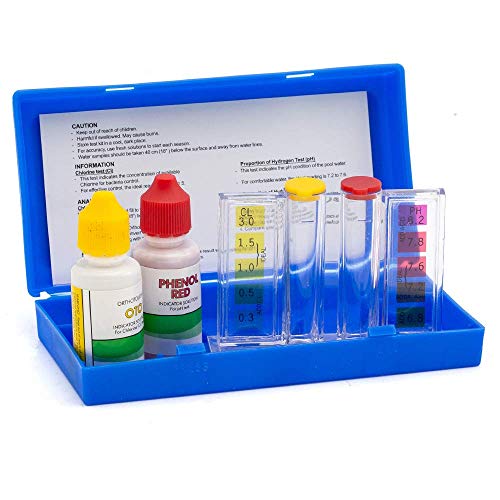
2 Way Pool Water Test Kit For Test For OTO, CL, and PH Level

17 IMPORTANT PARAMETERS: The Varify Premium Drinking Water Test Kit offers an unrivaled, complete analysis of your drinking water by testing for 17 essential parameters. This includes crucial tests for chlorine, fluoride, lead, iron, bacteria, and more, ensuring that you're fully informed about the quality of your water. With this extensive range of testing capabilities, you can detect contaminants and imbalances that could affect your health, providing a holistic view of your water's safety.
Visual Indicators
Look for visual cues before considering a swim. Clear water without a strong chlorine odor signals appropriate conditions. If the water appears cloudy or has a strong chemical scent, avoid swimming. These signs indicate elevated chlorine levels and possibly unbalanced water chemistry. Always prioritize your safety by ensuring the water looks inviting before diving in.
Testing Water Quality
Testing your water quality provides clarity and peace of mind. Use a reliable test kit or strips to measure chlorine and pH levels. Check if the chlorine level is below 5 ppm and ensure the pH balance sits between 7.2 and 7.8. Ideally, wait 24 hours after shocking to retest. This step guarantees safe swimming conditions. Always follow manufacturer instructions for test kits to ensure accuracy and reliability.
Conclusion
Waiting the right amount of time after shocking your pool is key to enjoying a safe swim. By ensuring chlorine levels drop below 5 ppm and checking the pH balance, you’re setting yourself up for a refreshing experience. Remember to trust your instincts too—clear water and a mild chlorine smell are good signs.
Taking these precautions not only protects your health but also enhances your overall enjoyment in the water. So next time you shock your pool, just be patient and take the necessary steps before diving back in. Happy swimming!
Frequently Asked Questions
What is pool shocking?
Pool shocking is the process of adding high doses of chlorine or other chemicals to eliminate contaminants in the water. This helps clarify the water and ensures it is safe for swimming.
How often should I shock my pool?
You should shock your pool at least once every 1-2 weeks, or more frequently after heavy use, rain, or algae blooms. Monitoring water clarity and chemical balance will help determine the right frequency.
What are the signs that my pool needs shocking?
Signs that your pool needs shocking include cloudy water, a strong chlorine odor, or visible algae growth. You may also notice an increase in contaminated debris or unusual water color.
What effect does pool shock have on water chemistry?
Pool shock causes chlorine levels to spike significantly, which can also alter the pH balance of the water. It’s important to monitor these levels to ensure safe swimming conditions.
How long should I wait to swim after shocking my pool?
It is recommended to wait at least 24 hours after shocking your pool. You should also ensure that chlorine levels are below 5 ppm and pH balance is between 7.2 and 7.8 before swimming.
What precautions should I take after shocking my pool?
After shocking your pool, visually check for clear water and a mild chlorine smell. Test the water quality to ensure chlorine levels have dropped below 5 ppm and that the pH is in the safe range before swimming.