Ever noticed that strong chlorine smell when you step into a pool? You’re not alone. Many people associate that scent with a clean and safe swimming environment, but there’s more to it than just a fresh aroma.
In this article, you’ll discover why pools have that distinct smell and what it really means for your swimming experience. Understanding this can help you enjoy your time in the water even more and keep your pool in top shape. So let’s explore what’s behind that familiar scent and how it impacts your pool enjoyment.
Table of Contents
Key Takeaways
- Chlorine Functions: Chlorine is essential for disinfecting pool water, effectively killing bacteria and oxidizing organic contaminants like sweat and urine.
- Chlorine Smell Causes: A strong chlorine odor typically indicates high chlorine levels or a buildup of chloramines, which result from combined chlorine and contaminants.
- Optimal Chlorine Levels: For safe swimming, maintain chlorine levels between 1 to 3 parts per million (ppm) and regularly test water quality.
- pH Balance Importance: Keep pool pH levels between 7.2 and 7.8 to enhance chlorine effectiveness and minimize unpleasant smells.
- Preventive Measures: Regular maintenance practices include weekly testing, routine cleanings, and shock treatments after heavy use to control odors.
- Addressing Strong Odors: Utilize aeration, sunlight exposure, and alternative sanitizers to help reduce chlorine smells and improve the overall swimming experience.
Understanding Chlorine and Its Role in Pools
Chlorine plays a vital role in maintaining clean and safe swimming pools. By understanding its properties and functions, you can better appreciate how it affects the overall pool experience.
What Is Chlorine?
Chlorine is a chemical element with the symbol Cl. It’s a pale green gas at room temperature, but in pools, it usually exists in liquid or tablet form. Pool owners commonly use chlorine as a disinfectant to kill harmful bacteria and algae. Chlorine effectively maintains water clarity and safety, ensuring a pleasant swimming environment.
How Does Chlorine Work in Water?
Chlorine works by undergoing a chemical reaction when it comes in contact with water. It forms hypochlorous acid, which effectively kills germs and pathogens. This process occurs through two main actions:
- Oxidation: Chlorine oxidizes organic contaminants like sweat and urine. This reaction breaks down these materials, reducing unpleasant odors and keeping water clean.
- Disinfection: Chlorine kills harmful microorganisms present in the water. This includes bacteria like E. coli and viruses that could pose health risks to swimmers.
For effective pool maintenance, ensure you maintain proper chlorine levels. Ideal free chlorine levels range from 1 to 3 parts per million (ppm). Regular testing helps you keep these levels in check, enhancing your overall swimming experience.
Common Reasons for Chlorine Smell in Pools
A strong chlorine smell in pools often signals issues with water quality and maintenance. Understanding the reasons behind this odor can help you address the problem effectively.
Recommended Products

FAST RELEASE - Lakota Naturals chlorine dioxide car deodorizer odor eliminator kit begins working immediately to eliminate any odors caused by pets, food, oils, smoke and more. Remove smoke smell from car fast!

FAST RELEASE - Lakota Naturals chlorine dioxide heavy-duty 100g tablet car and home deodorizer odor eliminator kit begins working immediately to eliminate any odors caused by pets, food, oils, smoke and more. Remove smoke smell from car, room, RV, truck, vehicle, house, basement and more fast!
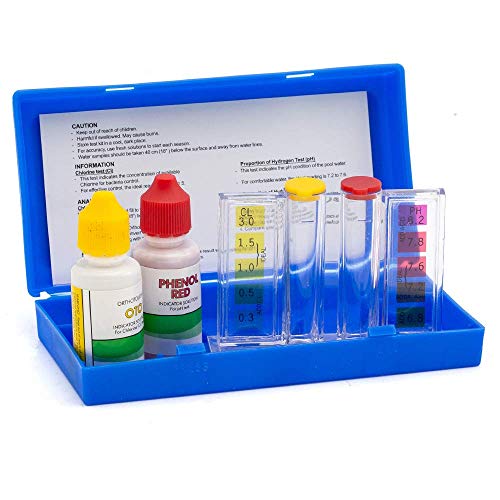
2 Way Pool Water Test Kit For Test For OTO, CL, and PH Level
Chlorine Usage and Pool Maintenance
Chlorine usage in pools primarily serves as a disinfectant. When maintained properly, you should expect minimal odor. Here are key factors affecting chlorine smell during maintenance:
- Chlorine Levels: Maintain levels between 1 to 3 parts per million (ppm). Higher concentrations can lead to stronger smells.
- Shock Treatments: Regularly shock your pool, especially after heavy use or rain. Shocking oxidizes buildup, preventing strong odors.
- pH Balance: Keep pH levels between 7.2 and 7.8. Imbalanced pH can cause chlorine to become less effective, leading to higher chemical smells.
Presence of Contaminants in Water
Contaminants in pool water often cause chlorine to produce a stronger odor. These issues arise from various sources:
- Bather Waste: Sweat, urine, and body oils introduced by swimmers combine with chlorine, forming chloramines. These compounds emit a strong smell.
- Environmental Debris: Leaves, dirt, and organic matter introduce contaminants into the water. Regular skimming can reduce their presence.
- Chemical Imbalance: Unmonitored levels of cyanuric acid or other chemicals may exacerbate odors. Regular testing promotes a balanced chemical environment.
By understanding and addressing these common reasons for chlorine smell, you can improve your pool’s water quality and enhance your swimming experience.
Factors Affecting Chlorine Smell
Several factors impact the chlorine smell in your pool. Understanding these elements can help you manage odor levels effectively.
Recommended Products

Pool Algae Treatment: Our Pool Algaecide and Clarifier is specially formulated to treat existing algae while providing long-lasting defense against stubborn growth, ensuring that your pool remains clear and algae-free for an extended period of time.

Prolongs Chlorine Effectiveness: The Chlorine Stabilizer protects your pool's chlorine from the damaging effects of the sun's harsh UV rays, thereby making chlorine last much longer, allowing you to enjoy consistently clean and sanitized pool water.

Super Water Clarifier: Clorox Pool&Spa Swimming Pool Super Water Clarifier is a concentrated solution that clears dull, hazy, or cloudy pool water, leaving it sparkling clear. Ideal for restoring the clarity and sparkle of your pool.
Water Temperature and Sunlight Exposure
Water temperature and sunlight exposure significantly influence chlorine’s effectiveness. Warmer water enhances chemical reactions, leading to faster chlorine depletion. As chlorine breaks down under UV rays, chloramines form, resulting in a stronger chlorine odor. To minimize this effect, consider using a pool cover during peak sun hours.
Pool Type and Filtration System
The type of pool and its filtration system also play a critical role. Saltwater pools produce chlorine naturally, which can sometimes lead to a different scent compared to traditional chlorine pools. Additionally, inefficient filtration systems trap debris and organic matter, causing increased chloramine buildup. Regularly check your filtration system and clean or replace filters to maintain optimal performance and reduce odors.
Addressing Chlorine Smell in Pools
Chlorine smells can be bothersome, but understanding preventive measures and solutions can help you maintain a more pleasant pool environment.
Recommended Products

BENEFIT: Shock treat, sanitize, clarify, and help prevent bacteria and algae in your swimming pool water, all with this convenient, easy-to-use product

4 in 1 Formula: Kills bacteria and won’t impact pH. Clears cloudy water. Destroys contaminants. Improves filter performance

6 in 1 Formula: Kills bacteria and algae to maintain a clear swimming pool. Our algae-fighting formula prevents algae for crystal-clear water. Destroys contaminants to aid filter performance and clear dull, cloudy water
Preventative Measures
- Regular Testing: Test your pool’s chlorine levels weekly. Aim for a chlorine level of 1 to 3 parts per million (ppm).
- Maintain pH Balance: Keep the pH between 7.2 and 7.8. Proper pH levels enhance chlorine effectiveness and minimize odors.
- Control Bather Load: Limit the number of swimmers to reduce contaminants like sweat and sunscreen, which can produce strong odors.
- Schedule Routine Cleanings: Remove debris and contaminants regularly. Skim the surface daily and vacuum the pool weekly.
- Optimize Filtration: Run your filter for at least 8 to 12 hours a day to ensure proper water circulation and chlorine distribution.
- Shock Treatment: Perform a shock treatment when odors increase. Adding 2 to 3 times the normal chlorine dosage can help eliminate chloramines.
- Use Chlorine Neutralizers: Products like sodium thiosulfate can quickly reduce chlorine levels and odors. Follow product instructions for dosage.
- Increase Aeration: Run fountains, bubblers, or pool jets to increase water circulation. This can help dissipate chlorine odor naturally.
- Introduce Sunlight Exposure: Sunlight helps break down chlorine. If possible, reposition your pool area to get more sun throughout the day.
- Alternative Sanitizers: Consider switching to saltwater systems or mineral systems, which can reduce the reliance on traditional chlorine and its associated smells.
Implementing these measures and solutions can significantly reduce chlorine odors in your pool, ensuring a more enjoyable swimming experience.
Conclusion
A strong chlorine smell doesn’t have to be a part of your pool experience. By understanding the reasons behind that odor and taking proactive steps to manage chlorine levels and maintain water quality you can enjoy a fresher swimming environment. Regular testing and proper maintenance go a long way in keeping your pool inviting.
With a little effort you can create a space that’s not only safe but also pleasant for you and your guests. So dive in and enjoy your pool without the overpowering scent of chlorine. Happy swimming!
Frequently Asked Questions
What is the role of chlorine in swimming pools?
Chlorine acts as a powerful disinfectant, essential for killing harmful bacteria and pathogens in pool water. Proper chlorine levels help maintain water clarity and safety, ensuring a pleasant swimming experience.
Why does my pool have a strong chlorine smell?
A strong chlorine smell may result from high chlorine levels, improper pH balance, or the presence of organic contaminants such as sweat or sunscreen. It often indicates that the chlorine is reacting with these substances, creating chloramines.
How can I reduce chlorine odors in my pool?
To reduce chlorine odors, maintain proper water chemistry through regular testing, keep the pH balanced, clean the pool often, and manage swimmer load. Consider shock treatments, increased aeration, and using chlorine neutralizers as well.
What are some preventive measures for chlorine odors?
Preventive measures include regular water testing, maintaining an ideal pH level, controlling bather load, and conducting routine cleanings. Optimizing filtration and exposing the water to sunlight can also help minimize chlorine smells.
Are there alternatives to traditional chlorine for pool sanitation?
Yes, alternatives to traditional chlorine include saltwater systems and mineral sanitizers. These options can provide effective sanitation while reducing chlorine odors for a more enjoyable swimming experience.