Have you ever opened a container of pool chlorine only to wonder if it’s still effective? You’re not alone. Many pool owners face this dilemma, especially when it comes time to maintain their backyard oasis. It can be frustrating to invest in pool care products and not know if they’re still good to use.
Table of Contents
- 1 Key Takeaways
- 2 Understanding Pool Chlorine
- 3 Shelf Life of Pool Chlorine
- 4 Signs of Expired Pool Chlorine
- 5 Frequently Asked Questions About Pool Chlorine
- 6 Conclusion
- 7 Frequently Asked Questions
- 7.1 What is the role of pool chlorine in water maintenance?
- 7.2 How can I tell if my pool chlorine has expired?
- 7.3 What factors affect the shelf life of pool chlorine?
- 7.4 How should I store pool chlorine?
- 7.5 What are the risks of using expired pool chlorine?
- 7.6 How can I properly dispose of expired pool chlorine?
Key Takeaways
- Understanding Chlorine Types: Familiarize yourself with the various forms of pool chlorine such as tablets, granules, liquid, calcium hypochlorite, and sodium hypochlorite, as each has different uses and shelf lives.
- Shelf Life: Pool chlorine typically lasts between 3 to 5 years, depending on the type, and it’s essential to check for expiration dates regularly.
- Storage Best Practices: Store chlorine in a cool, dry place, in airtight containers, and out of reach from pets and children to prolong its effectiveness.
- Expiry Signs: Look for signs of expired chlorine including color changes, clumping, sediment, ineffective sanitization, and unusual odors to determine if it’s still usable.
- Proper Disposal: Follow local regulations for the disposal of expired chlorine to ensure environmental safety, including sealing the original container and taking it to a hazardous waste facility.
- Testing and Monitoring: Regularly check chlorine levels in your pool for effective sanitation, aiming for a range of 1-3 parts per million (ppm).
Understanding Pool Chlorine
Pool chlorine is essential for maintaining clean and safe water. Understanding the different types of chlorine and how they work helps you keep your pool in top condition.
Recommended Products

Versatile Application - Designed for use in pool skimmers, floating dispensers, & automatic chlorinators, these chlorinating tablets offer flexible compatibility for in-ground and above-ground pool systems and standard maintenance routines. Chlorine Tabs dissolve slowly and last up to one week

Active Ingredients: each pool chlorine tablets 1 inch contains 99% Trichloro-S-Triazinetrione with 90% stabilized chlorine. Effortlessly sanitize your pool for consistently crystal-clear, clean water
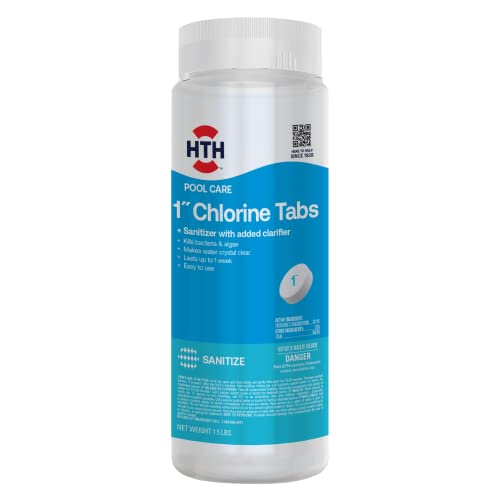
BENEFIT: Protect your swimming pool and enjoy clean, clear water with these easy-to-use chlorine-based tabs; Kills algae and bacteria
Types of Pool Chlorine
- Chlorine Tablets: Easy to use, these often come in 1-inch or 3-inch sizes. They’re slow-dissolving, making them ideal for floating dispensers.
- Chlorine Granules: Quick to dissolve, granules offer flexibility in application. You can add them directly to water for immediate results.
- Liquid Chlorine: This form acts quickly and is effective for shocking pools. It’s cost-efficient, but proper handling is crucial due to its strength.
- Calcium Hypochlorite: Commonly used in granular or tablet form, this option also adds calcium to the water, which can be beneficial in hard water areas.
- Sodium Hypochlorite: Usually found in liquid form, it’s similar to household bleach. It’s effective but tends to have a shorter shelf life.
How Chlorine Works in Pool Maintenance
Chlorine disinfects water by killing harmful bacteria, viruses, and algae. When added to pool water, chlorine forms hypochlorous acid, which effectively attacks these contaminants.
- Sanitizing Water: Chlorine breaks down organic matter, including sweat and oils, which helps keep your pool clean.
- Maintaining pH Levels: Proper chlorine levels can help stabilize pH, reducing the need for additional chemicals.
- Algaecide Properties: Chlorine prevents algae growth, saving you from costly cleanups and maintaining clear water.
- Regular Monitoring: Regularly check chlorine levels with test kits. A range of 1-3 parts per million (ppm) is ideal for effective sanitation.
Understanding these aspects equips you with the knowledge to maintain a safe and enjoyable pool environment.
Shelf Life of Pool Chlorine
Pool chlorine typically has a shelf life ranging from 3 to 5 years, depending on the type. It’s important to check the expiration date on the packaging. If stored properly, pool chlorine maintains its effectiveness within this timeframe.
Recommended Products

BENEFIT: Sanitizer, clarifier, and algaecide to protect your swimming pool and swimmers with one easy and convenient tab

5.12" Diameter 1 inch chlorine tablet dispenser with collapsible tablet tank

{EASY TO USE} Simply load your Hydrotools dispenser with chlorine or bromine tablets, and it will float in your pool or spa, saving you time & energy. This means you can focus on enjoying your pool or spa, rather than worrying about its maintenance.
Factors Affecting Expiration
Chlorine’s potency can diminish due to several factors:
- Type of Chlorine: Liquid chlorine generally expires faster than solid forms like tablets or granules.
- Exposure to Air and Moisture: Chlorine can degrade when exposed to air or humidity.
- Mixed Chemicals: Storing chlorine with other pool chemicals can accelerate its aging process.
Storage Conditions
Proper storage extends the shelf life of pool chlorine:
- Cool, Dry Location: Store chlorine in a cool area, away from direct sunlight and heat sources.
- Airtight Containers: Keep chlorine in its original, tightly sealed container to protect against moisture.
- Secure Environment: Ensure the storage area is away from pets and children for safety.
By managing these factors, you ensure your pool chlorine remains effective for maintaining clean and safe pool water.
Signs of Expired Pool Chlorine
Identifying expired pool chlorine is crucial for maintaining water quality. Look for these signs to determine if your chlorine has lost its effectiveness.
Recommended Products
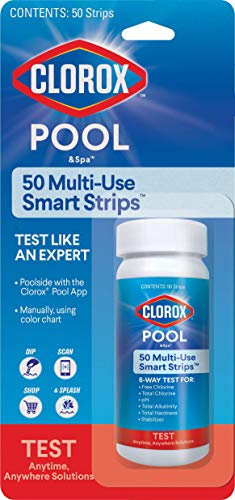
Test Like an Expert: Maintain perfectly balanced pool water with 6-Way Multi-Use Test Strips and the complimentary Clorox Pool app. The app gives do-it-yourself pool owners the tools to proudly and confidently maintain a swim-ready pool all season long.
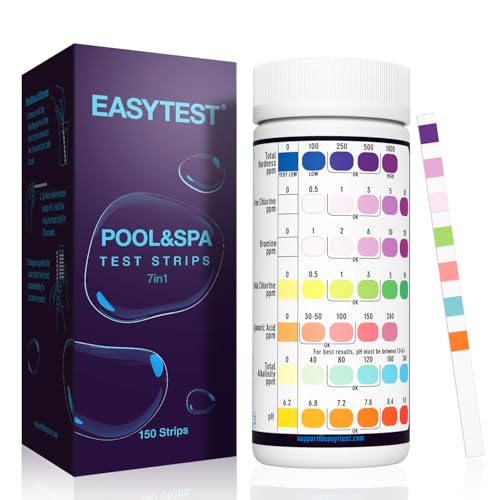
AFFORDABLE 150 STRIPS: This water chemical testing kit contains 150 test strips. Enough balanced for your swimming pool, hot tub, spa and other water testing. At least testing twice a week is recommended to keep your pool sparkling clean and safe.

Fresh, Accurate Pool Test Strips - AquaChek Yellow Chlorine 4-in-1 includes 50 precision test strips—perfect for a full season of reliable water testing for pools and spas that use chlorine. No expired extras, no bulky packs—just fresh, accurate results from AquaChek, the most trusted brand in pool and spa water testing.
Visual Indicators
- Color Changes: Fresh chlorine typically appears bright white or blue. If it turns yellow, brown, or gray, it signifies degradation.
- Clumping: When chlorine granules clump together, moisture exposure has likely occurred, indicating possible expiration.
- Unusual Sediment: Excessive sediment or a residue at the bottom of the container points to deterioration.
- Ineffective Sanitization: If chlorine fails to maintain the desired pH level or kill bacteria and algae effectively, expiration may be the cause.
- Slow Dissolving: When chlorine takes longer than usual to dissolve in water, it often means it’s lost potency.
- Smell: A strong or unusual odor from chlorine indicates it may not perform as expected.
Regularly check your chlorine’s condition to ensure your pool remains clean and safe for swimming.
Frequently Asked Questions About Pool Chlorine
Understanding pool chlorine helps you maintain your pool effectively. Here are answers to common questions.
Can You Use Expired Chlorine?
Using expired chlorine isn’t advisable. Expired chlorine often loses its potency, failing to sanitize effectively. If you notice symptoms like weak sanitization or slow dissolving, it’s best to avoid using it. For safety, regularly check the expiration date on the container and replace it as needed.
How to Properly Dispose of Expired Chlorine
Disposing of expired chlorine requires careful handling. Follow these steps:
- Check Local Regulations: Disposal methods vary by location. Research local guidelines for hazardous waste disposal.
- Seal the Container: Keep expired chlorine in its original container, ensuring it’s tightly sealed to prevent leakage.
- Take to a Hazardous Waste Facility: Deliver it to a facility that accepts hazardous materials. Look for designated collection events in your area.
- Avoid Pouring Down the Drain: Never dispose of chlorine in regular trash or down drains, as it can contaminate water supplies and harm the environment.
By following these steps, you ensure safe and responsible disposal of expired chlorine.
Conclusion
Taking care of your pool means staying on top of chlorine maintenance. Remember to check the expiration dates and look for any signs that your chlorine may have gone bad. Using effective chlorine is key to keeping your pool water clean and safe for everyone.
When in doubt throw it out and follow proper disposal methods to protect the environment. By being proactive about your pool’s chlorine, you can enjoy a sparkling clean oasis all season long. Happy swimming!
Frequently Asked Questions
What is the role of pool chlorine in water maintenance?
Pool chlorine is essential for keeping pool water clean and safe. It sanitizes the water by killing bacteria, viruses, and other harmful contaminants. Regular use of chlorine helps maintain clear water and prevents algae growth, making it crucial for pool hygiene.
How can I tell if my pool chlorine has expired?
Signs of expired pool chlorine include color changes, clumping, unusual sediment, slow dissolving, and strange odors. If the chlorine seems ineffective in sanitizing the water, it may also indicate that it has expired. Regularly checking these factors is important.
What factors affect the shelf life of pool chlorine?
The shelf life of pool chlorine is influenced by exposure to heat, sunlight, humidity, and the type of chlorine used. Chlorine stored in proper conditions can last longer, while improper storage can significantly reduce its effectiveness.
How should I store pool chlorine?
Pool chlorine should be stored in a cool, dry place away from direct sunlight and heat sources. It is important to keep it in a tightly sealed container to prevent moisture exposure and contamination.
What are the risks of using expired pool chlorine?
Using expired pool chlorine can lead to reduced potency, meaning it may not effectively sanitize the water. This could result in a higher risk of waterborne diseases and algae growth, making the pool unsafe to use.
How can I properly dispose of expired pool chlorine?
Expired pool chlorine should be disposed of according to local hazardous waste disposal regulations. Many communities offer designated drop-off locations. It’s essential to follow these guidelines to ensure safety and environmental protection.