Are you tired of cloudy water and that lingering smell of chlorine in your pool? You’re not alone. Many pool owners struggle with maintaining the right levels of free chlorine, which is essential for keeping your pool clean and safe for swimming.
Table of Contents
- 1 Key Takeaways
- 2 Understanding Free Chlorine
- 3 Factors Affecting Free Chlorine Levels
- 4 Methods to Increase Free Chlorine
- 5 Regular Maintenance Practices
- 6 Conclusion
- 7 Frequently Asked Questions
- 7.1 What is free chlorine and why is it important for pools?
- 7.2 How can I increase free chlorine levels in my pool?
- 7.3 What factors affect free chlorine levels in a swimming pool?
- 7.4 How often should I test the free chlorine levels in my pool?
- 7.5 What is the ideal pH range for pool water?
- 7.6 What are chloramines and why should I prevent their formation?
- 7.7 How can I balance pH and alkalinity in my pool?
Key Takeaways
- Understanding Free Chlorine: Free chlorine is essential for disinfecting pool water, eliminating germs, and preventing algae growth, ensuring a safe swimming environment.
- Factors Affecting Levels: Low free chlorine can result from high pool usage, debris accumulation, inadequate initial dosing, pH imbalance, and environmental factors like UV radiation and rain.
- Effective Methods to Increase Free Chlorine: Use chlorine tablets or granules, liquid chlorine solutions, or saltwater chlorine generators to enhance free chlorine levels in your pool.
- Regular Testing and Maintenance: Frequently test water levels to monitor chlorine, and maintain pH between 7.2 and 7.8 to optimize chlorine effectiveness for clean and clear pool water.
- Preventing Chloramine Formation: Minimize chloramine buildup by managing free chlorine levels, which can limit sanitation and cause strong odors.
Understanding Free Chlorine
Free chlorine plays a crucial role in pool maintenance, ensuring your water stays clean and safe. This section provides essential details about free chlorine.
What Is Free Chlorine?
Free chlorine refers to the amount of chlorine available in your pool to disinfect water. It’s the active form that works effectively to kill harmful bacteria, viruses, and algae. When added to your pool, chlorine combines with contaminants to form chloramines. These compounds can lead to cloudy water and unpleasant odors. Maintaining the right level of free chlorine is vital for effective sanitation.
Importance of Free Chlorine in Pools
Free chlorine ensures a safe swimming environment. Here’s why it’s essential:
- Sanitation: Free chlorine eliminates germs and pathogens, reducing the risk of waterborne illnesses.
- Clarity: Proper free chlorine levels help prevent algae growth, ensuring clear water.
- Comfort: Higher free chlorine levels reduce the development of chloramines, preventing strong odors and irritation.
- pH Stability: Free chlorine can help stabilize pH levels, maintaining optimal water chemistry.
By understanding and managing free chlorine, you enhance your pool experience and ensure safety for swimmers.
Factors Affecting Free Chlorine Levels
Free chlorine levels in your pool depend on several key factors. Understanding these elements helps you maintain optimal water quality.
Recommended Products

AFFORDABLE 7-IN-1 POOL TESTING KIT: Our 100 pool test strips provides an affordable, all in one pool water testing kit for various chemicals including Free Chlorine, Alkalinity, pH levels and more!

Reliable Results In Seconds – Everything you need to test your pool or spa is conveniently packaged in the handy storage case, including a comparator to mix samples, and 8 easy-to-use reagents for 6 common water test parameters for DPD testing: Free & Total Chlorine, Bromine, pH, Acid Demand, and Total Alkalinity.
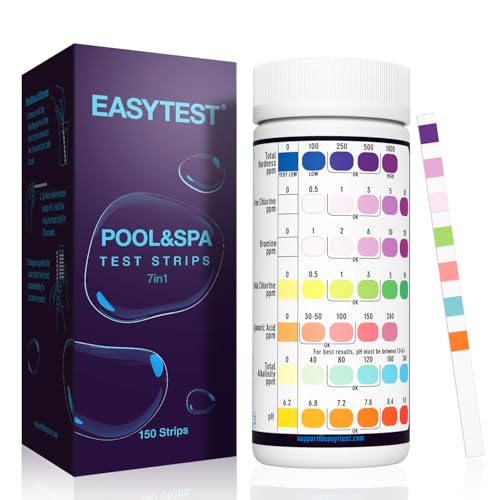
AFFORDABLE 150 STRIPS: This water chemical testing kit contains 150 test strips. Enough balanced for your swimming pool, hot tub, spa and other water testing. At least testing twice a week is recommended to keep your pool sparkling clean and safe.
Common Causes of Low Free Chlorine
- High Pool Usage: More swimmers increase organic contaminants, which depletes free chlorine rapidly.
- Debris Accumulation: Leaves, dirt, and other organic matter consume chlorine, reducing its effectiveness.
- Inadequate Chlorine Levels: Insufficient initial chlorine dosing can lead to low free chlorine.
- pH Imbalance: A high pH level (above 7.8) decreases chlorine’s disinfecting power.
- Chloramine Formation: When free chlorine reacts with contaminants, it forms chloramines, which do not sanitize effectively and can affect total chlorine readings.
- UV Radiation: Sunlight breaks down chlorine molecules, especially during peak hours. Protect your pool by using a stabilizer like cyanuric acid.
- Rain: Heavy rain can dilute chlorinated water, lowering free chlorine levels. Monitor levels after significant rainfall and adjust accordingly.
- Temperature: Warm water temperatures increase the rate at which chlorine dissipates. Regularly check chlorine levels in warmer months.
- Wind: Wind can carry debris into the pool, which consumes chlorine and necessitates more frequent testing.
By addressing these factors, you can maintain appropriate free chlorine levels, ensuring a safe and enjoyable swimming experience.
Methods to Increase Free Chlorine
Increasing free chlorine in your pool ensures water stays clean and safe. Here are effective methods to boost those levels.
Recommended Products
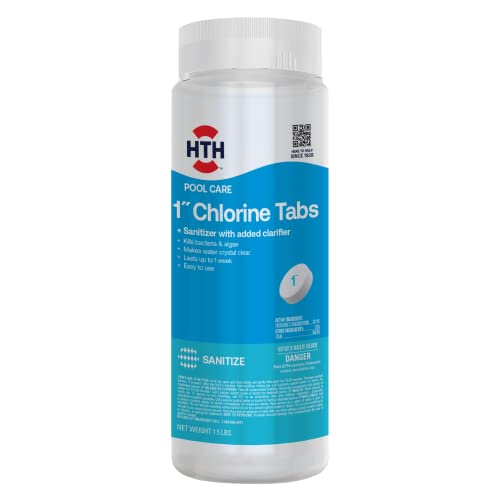
BENEFIT: Protect your swimming pool and enjoy clean, clear water with these easy-to-use chlorine-based tabs; Kills algae and bacteria
Using Chlorine Tablets or Granules
Chlorine tablets or granules offer a straightforward way to raise free chlorine levels.
- Choose Stabilized Chlorine Tablets: These help prevent chlorine loss from UV rays.
- Determine Cleaning Needs: Check your pool’s current chlorine level before adding any.
- Follow Dosage Instructions: Read the label for guidance on how many tablets or how much granule to use based on your pool size.
- Use a Skimmer: Place tablets directly in your skimmer basket for gradual release as water flows through.
Liquid Chlorine Solutions
Liquid chlorine provides immediate results in elevating free chlorine.
- Select High-Quality Liquid Chlorine: Look for solutions with at least 10-12% concentration.
- Calculate Required Amount: Use test strips to find your current chlorine level, then calculate how much liquid chlorine to add.
- Add it Slowly: Pour the liquid around the edge of the pool while the pump is running to evenly distribute it.
- Wait for Circulation: Allow the pool pump to run for several hours to ensure the chlorine mixes well.
Saltwater Chlorine Generators
Saltwater systems continuously produce chlorine, supporting long-term sanitation.
- Check Salt Levels: Ensure salt concentration meets manufacturer recommendations, usually between 2700-3400 ppm.
- Adjust Generator Settings: Increase the output on your generator to produce more chlorine, especially after heavy pool use.
- Monitor Water Chemistry: Regularly test the water to confirm that free chlorine is at safe levels.
- Clean Cell as Needed: Inspect and clean the generator cell periodically to maintain optimal performance.
By understanding and utilizing these methods, keeping your pool’s free chlorine levels where they need to be becomes straightforward.
Regular Maintenance Practices
Regular maintenance practices promote water quality and enhance free chlorine levels in your pool. Consistent efforts ensure a safe and appealing swimming environment.
Recommended Products

Fresh, Accurate Pool Test Strips - AquaChek Yellow Chlorine 4-in-1 includes 50 precision test strips—perfect for a full season of reliable water testing for pools and spas that use chlorine. No expired extras, no bulky packs—just fresh, accurate results from AquaChek, the most trusted brand in pool and spa water testing.

AFFORDABLE 7-IN-1 POOL TESTING KIT: Our 150 pool test strips provides an affordable, all in one pool water testing kit for various chemicals including Free Chlorine, Alkalinity, pH levels and more!
Testing Water Levels
Testing water levels frequently helps you monitor free chlorine concentration. Use a reliable test kit or strips to measure chlorine and other essential parameters. Test at least once a week, adjusting frequency based on pool activity. For optimal results, aim for a free chlorine level of 1-3 parts per million (ppm). If values are low, consider adding chlorine products immediately.
Balancing pH and Alkalinity
Balancing pH and alkalinity is crucial for maintaining chlorine effectiveness. Keep pH levels between 7.2 and 7.8 for optimal chlorine performance. High pH limits chlorine’s disinfecting ability. Add pH reducers like sodium bisulfate to decrease pH or prevent its rise.
Keep total alkalinity between 80 and 120 ppm to stabilize pH levels. Using alkalinity increasers like sodium bicarbonate can help if levels drop. Regular adjustments promote an efficient chlorine process and maintain clear, clean water.
Conclusion
Keeping your pool’s free chlorine levels up is key to a safe and enjoyable swim. By regularly testing your water and adjusting the chlorine as needed you can maintain a clean and inviting environment. Remember to consider factors like pool usage and pH levels to ensure everything stays balanced.
With the right methods and consistent maintenance you’ll create a sparkling oasis that’s perfect for relaxing or having fun with family and friends. So grab those chlorine tablets or check your saltwater generator and enjoy your time in the pool!
Frequently Asked Questions
What is free chlorine and why is it important for pools?
Free chlorine is the active form of chlorine that disinfects pool water by killing bacteria and viruses. It is crucial for maintaining water cleanliness and ensuring swimmer safety. Proper levels of free chlorine help prevent the formation of chloramines, which can cause irritation and unpleasant odors.
How can I increase free chlorine levels in my pool?
You can increase free chlorine levels by using chlorine tablets, granules, liquid chlorine solutions, or saltwater chlorine generators. Each method effectively adds chlorine to your pool, helping maintain proper water sanitation levels.
What factors affect free chlorine levels in a swimming pool?
Free chlorine levels can be affected by several factors including pool usage, water temperature, sunlight exposure, and pH imbalance. Higher bather loads and increased sunlight can deplete chlorine more quickly, necessitating regular monitoring and adjustments.
How often should I test the free chlorine levels in my pool?
It’s recommended to test the free chlorine levels in your pool at least 1-2 times a week, and more frequently during heavy use or after heavy rain. Regular testing ensures that you maintain optimal chlorine levels for water safety.
What is the ideal pH range for pool water?
The ideal pH range for pool water is between 7.2 and 7.8. Keeping the pH within this range helps maximize the effectiveness of free chlorine and keeps swimmers comfortable while reducing the risk of algae growth and other water quality issues.
What are chloramines and why should I prevent their formation?
Chloramines are byproducts formed when free chlorine combines with organic matter like sweat and urine. They can cause unpleasant odors, skin and eye irritation, and reduced water clarity. Preventing their formation helps maintain a safe and enjoyable swimming environment.
How can I balance pH and alkalinity in my pool?
To balance pH and alkalinity, use pH increaser or decreaser products as needed. Regularly test both levels and adjust them within the recommended ranges: alkalinity should be between 80-120 ppm, and pH between 7.2-7.8 for optimal chlorine effectiveness.