Ever found yourself staring at your pool pump, wondering why it won’t turn on? You’re not alone. This is a common issue that can turn a sunny day into a frustrating one, especially when all you want is to enjoy a refreshing swim.
Understanding the reasons behind a non-functional pump can save you time and money. In this article, you’ll discover practical tips to troubleshoot the problem and get your pool back in action. Whether it’s a simple fix or something that needs a professional touch, you’ll be equipped with the knowledge to tackle the situation head-on.
Table of Contents
Key Takeaways
- Common Causes: Electrical issues (like tripped circuit breakers and faulty power cords) and mechanical problems (such as clogged impellers and worn motors) are the most frequent reasons a pool pump won’t turn on.
- Troubleshooting Steps: Start by checking power supply connections, testing different outlets, and inspecting the circuit breaker for tripped switches or blown fuses.
- Maintenance Importance: Regular cleaning and seasonal checks can enhance the efficiency and longevity of your pool pump, preventing many common issues.
- Know When to Call for Help: If basic troubleshooting fails, or if you hear unusual noises or see leaks, it may be time to consult a professional for a thorough inspection.
- Safety First: Prioritize safety by avoiding electrical repairs if you’re uncomfortable handling electrical systems. Always seek professional assistance when needed.
Common Reasons For Pool Pump Failure
Several factors can cause your pool pump to fail to turn on. Understanding these reasons can help you pinpoint the issue and get your pool back in action quickly.
Recommended Products

【Fits For】 This start capacitor fits for Hayward Super Pump and Max Flo pumps 0.75HP, 1.0HP, and 1.5HP,Used on both 110 volt & 220 volt motors.
Electrical Issues
Electrical problems often lead to a non-functioning pool pump. Here are some common culprits:
- Tripped Circuit Breaker: Check the circuit breaker to see if it has tripped. Resetting it may resolve the issue.
- Faulty Power Cord: Inspect the power cord for damage. If it’s frayed or broken, replacing it might solve the problem.
- Loose Connections: Tighten any loose electrical connections. A simple tightening can restore power.
- Defective Start Capacitor: The start capacitor helps the pump start. If it’s defective, the pump won’t turn on. Testing and replacing it can often fix the issue.
Mechanical Problems
Mechanical failures also hinder your pool pump from operating. Consider the following possibilities:
- Clogged Impeller: If debris blocks the impeller, the pump can’t function properly. Cleaning the impeller can help restore operation.
- Damaged Seal or Bearing: Check for any leaks or unusual noises. Replacing worn-out seals or bearings may be necessary.
- Worn Motor: A pump motor can wear out over time. If you notice a lack of power or strange smells, it could indicate a motor issue that requires replacement.
- Locking Mechanisms: Ensure that the pump’s locking mechanisms are functioning. If any parts are engaged, the pump may not start.
By investigating these areas, you can often identify the reason your pool pump won’t turn on, making repairs easier and more efficient.
Troubleshooting Steps
If your pool pump won’t turn on, a systematic approach helps identify the issue. Start with these steps.
Recommended Products

Fast Water Removal with Powerful 1HP Motor: This submersible water pump delivers up to 4755GPH, quickly draining water from pools, hot tubs, and flooded basements.

900W AC/DC Solar Hybrid Pool Pump: The in-ground pool pump adopts high-tech DC brushless motor with qualified material to achieve stable performance and ensure a long lifespan. Eco-Friendly Solar Power and electric, designed for sustainable, off-grid operation ideal for pool cleaning, hot water circulation, and garden irrigation.

All Capacitors are MADE IN THE USA , Individually Boxed
Check Power Supply
- Verify connections. Ensure all power cords plug securely into their outlets. Loose connections can disrupt power flow.
- Examine the power switch. Make sure the switch is in the “on” position. Sometimes, it may accidentally get switched off.
- Test with another outlet. Plug the pump into a different outlet. If it starts, the original outlet might be faulty.
- Locate the breaker panel. Find the main circuit breaker panel for your home.
- Check for tripped breakers. Look for switches that are in the “off” position or appear to be out of line with the others. Reset any tripped breakers by flipping them fully off, then back on.
- Assess for blown fuses. If your panel has fuses, inspect each one for damage. Replace any blown fuses with the correct amperage.
By methodically assessing these areas, you can pinpoint why your pool pump won’t turn on and take appropriate action.
Maintenance Tips
Regular maintenance ensures your pool pump operates efficiently and lasts longer. Follow these tips for optimal performance.
Recommended Products
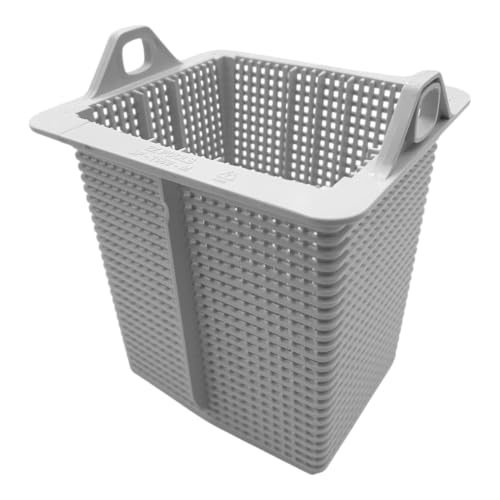
Durable Pool Filter Basket – Built for long-term use, this mesh design filters out large particles and protects your motor, making it a reliable replacement for hayward pool pump basket for cleaner, uninterrupted circulation.

Efficient Design: A premium wall mounted above ground pool surface skimmer that automatically skims out leaves and debris from the pool's surface before they sink. The skimmer is made of durable polypropylene plastic that is not affected by pool chemicals.

Wide Compatibility: this 1 pack universal blue pool skimmer basket is compatible with Pentair, besides buried pump baskets and is compatible with models R38024, 355318, and V36-192, enhancing their practicality and making them a versatile addition to your pool cleaning tools
Regular Cleaning
Regularly cleaning your pool pump keeps it free of debris. Clear leaves, dirt, and other particles from the pump basket and strainer. Rinse the filter regularly to prevent clogs. Use a garden hose to remove buildup. Perform this cleaning every week during the swimming season. Inspect the pump’s impeller for any blockages as well. Routine cleaning not only improves performance but also reduces the risk of costly repairs.
Seasonal Checks
Conduct seasonal checks to prepare your pool pump for changing weather. At the start of the swimming season, check the pump’s electrical connections. Ensure cords are secure and free from fraying. Examine seals and gaskets for deterioration. Clean or replace filters as needed. Before winter, winterize the pump to prevent freeze damage. Drain all water from the system and store the pump in a dry location. Routine seasonal checks prolong your pump’s longevity and maintain effective operation throughout the year.
When To Call A Professional
Call a professional if the pool pump doesn’t respond after basic troubleshooting. If the pump remains silent even after checking the power source, the issue might involve electrical components that are beyond DIY fixes.
Listen for unusual noises. Strange sounds during operation can indicate a failing motor or trapped debris. If you hear grinding or humming, it’s wise to consult an expert.
Check for persistent leaks. If you notice water pooling around the pump and your attempts to seal it haven’t worked, a professional can identify and fix underlying issues.
Monitor performance changes. Sudden drops in water flow or pressure often signal mechanical or electrical problems. A technician can perform a thorough inspection and diagnose the cause swiftly.
Consider pump age. If your pump’s over ten years old, it may lack updated efficiency standards. Consulting with a professional ensures you’re making the best choice for replacement or repair.
Assess safety concerns. If you’re uncomfortable working with electrical systems or feel unsure about handling repairs, it’s best to call a professional. Safety should always come first when dealing with equipment that uses electricity and water.
Conclusion
Dealing with a pool pump that won’t turn on can be a hassle but understanding the potential issues can make a big difference. By following the troubleshooting tips and maintenance practices shared in this post you can keep your pump running smoothly. Regular upkeep not only helps prevent problems but also extends the life of your equipment. If you find yourself stuck don’t hesitate to reach out to a professional. They can provide the expertise needed to get your pool back in action. Enjoy those refreshing swims knowing your pump is in top shape!
Frequently Asked Questions
What should I do if my pool pump won’t turn on?
Check the power supply first, ensuring that the pump is plugged in and the circuit breaker is not tripped. If the power is fine, inspect for clogs, debris, or mechanical issues like a jammed impeller. Regular maintenance and cleaning are key to avoiding these issues.
How can I prevent my pool pump from failing?
Regular maintenance is vital. Clean the pump regularly, inspect the impeller, and check electrical connections, seals, and filters seasonally. Winterize the pump to avoid freeze damage. Consistent care helps prolong its lifespan and maintains optimal performance.
When should I call a professional for pool pump issues?
If basic troubleshooting does not resolve the problem, especially if you hear unusual noises, notice persistent leaks, or see performance changes, it’s time to call a pro. Additionally, older pumps and safety concerns, particularly related to electrical components, warrant a professional inspection.
How often should I maintain my pool pump?
Aim for routine maintenance at least once a month during the swimming season. Clean the pump and check filters regularly. Conduct seasonal checks before winter and after reopening for the swimming season to ensure everything is in proper working order.
What are common signs of a failing pool pump?
Look for signs such as strange noises, reduced water flow, persistent leaks, or the pump not starting at all. These can indicate electrical or mechanical issues that require immediate attention. Addressing these signs early can save you from costly repairs.