Are you struggling with low pH levels in your saltwater pool? You’re not alone. Many pool owners face this issue, which can lead to uncomfortable swimming experiences and even damage to your pool equipment.
Key Takeaways
- Understanding pH Importance: Maintaining a pH level between 7.2 and 7.8 is essential for a safe swimming environment and prolonging pool equipment life.
- Signs of Low pH: Look for skin and eye irritation, corroded metal, cloudy water, and increased chlorine demand as indicators of low pH levels.
- Effective pH-raising Methods: Use sodium carbonate or baking soda to raise pH levels, following specific dosage instructions for your pool size.
- Regular Testing: Test your pool’s pH at least once a week, and increase frequency during periods of heavy use or after rain to catch imbalances early.
- Monitor Other Chemistry Factors: Keep chlorine, alkalinity, and calcium hardness levels in check to maintain overall water balance and enhance swimming quality.
Understanding pH Levels in Saltwater Pools
pH levels play a crucial role in the overall health of your saltwater pool. Maintaining the right pH ensures a safe and pleasant swimming environment while protecting your pool equipment.
Recommended Products
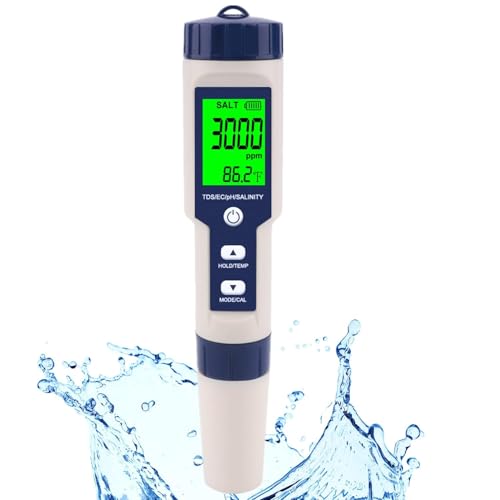
Wide Usage PH Meter : Hofun ph meter is an essential tool to improve your life quality. This digital ph tester can be applied in the following applications,drinking water quality test, swimming pools quality monitor, PH balance measurement in RO/DI system, aquarium, spa, hot tub or hydroponics.

Salt Pool Test Strips: Meet the most comprehensive test strips for saltwater system. Combine sodium chlorine(salt) and regular parameters in one strip. Easily test total hardness, free chlorine, bromine, total chlorine, cyanuric acid, total alkalinity, pH and salt level in just one dip.

LAB-TESTED FOR ACCURACY: Take the guesswork out of routine water checks with our lab-tested pool test strips. Compare the strip colors with the bottle chart to monitor water chemistry and help guide pool and spa maintenance.
Importance of Maintaining Proper pH
Maintaining proper pH levels between 7.2 and 7.8 keeps the water balanced. Proper pH prevents skin and eye irritation for swimmers. Balanced levels also reduce the risk of corrosion to pool equipment, including salt chlorinators. Monitoring pH regularly can save you from costly repairs and unpleasant swimming experiences.
Signs of Low pH in Saltwater Pools
Low pH levels manifest in several ways. Common signs include:
- Skin and Eye Irritation: Swimmers often experience discomfort, redness, or itching.
- Corroded Metal: You might notice rust on railings or ladders.
- Cloudy Water: Water can appear murky, indicating an imbalance.
- Increased Chlorine Demand: You may struggle to maintain proper chlorine levels, leading to poor sanitation.
Recognizing these signs promptly allows for quick adjustments, preventing further complications.
Methods to Increase pH in Saltwater Pools
Increasing pH in saltwater pools involves several straightforward methods. You can raise the pH effectively using specific chemicals like sodium carbonate and baking soda.
Recommended Products

Raises Low pH: Clorox Pool&Spa Swimming Pool pH Up is formulated to elevate the pH levels in swimming pool water. By increasing pH levels, it helps in restoring water parameters to their ideal ranges, ensuring a balanced and healthy swimming environment.

For Raising Total Alkalinity: The Alkalinity Increaser helps maintain balanced pH levels in your pool water. Proper alkalinity levels reduce the need for frequent maintenance, and our product's granulated formula is easy to apply and dissolves quickly.

Quick-Dissolving Granular Formula: SpaGuard pH Increaser provides spa owners with a quick-dissolving granular formula to raise dangerously low pH levels, preventing costly damage to spa plumbing, fixtures, and surfaces.
Using Sodium Carbonate
Using sodium carbonate, often referred to as soda ash, presents a quick way to raise pH levels in your pool. Follow these steps:
- Test Your Water: Use a reliable pH test kit to ascertain the current pH level.
- Calculate Dosage: For every 10,000 gallons of water, approximately 6 ounces of sodium carbonate raises the pH by about 0.2.
- Dissolve in Water: Mix the sodium carbonate in a bucket of pool water before adding it to the pool.
- Even Distribution: Pour the mixture into the deep end of the pool, allowing for better dispersion.
- Retest After 24 Hours: Let the water circulate for 24 hours and retest the pH. Repeat if necessary.
Incorporating Baking Soda
Incorporating baking soda is another efficient strategy for adjusting pH. Here’s how to use it:
- Check Current pH Levels: Start by testing your pool’s pH.
- Determine Amount Needed: Use approximately 1.5 pounds of baking soda for every 10,000 gallons of water to raise the pH by about 0.2.
- Dissolve Before Adding: Like sodium carbonate, dissolve the baking soda in a bucket of pool water.
- Add Gradually: Pour the solution along the edges of the pool to enhance circulation.
- Monitor Levels: Wait 24 hours, then retest the pH. Adjust as needed.
Utilizing these methods ensures you maintain a balanced environment in your saltwater pool, enhancing your swimming experience and preserving pool equipment.
Best Practices for pH Maintenance
Maintaining balanced pH levels in your saltwater pool is crucial for water clarity and comfort. Follow these best practices to keep your pH within the ideal range of 7.4 to 7.6.
Recommended Products

7-in-1 Smart Water Tester: Monitor key water parameters with one compact device. Measure pH, ORP, EC, TDS, Salinity, Specific Gravity (SG), and Temperature in seconds. Easily monitor water conditions for saltwater pools, hot tubs, spas, aquariums, and hydroponics—no more guessing or complicated test strips.

WHAT IS SALTWATER POOL : Saltwater pools are some pools which can create chlorine by adding salt in the pool water. Swimming in a saltwater may be better for someone who is uncomfortable to chlorine. However,it must be maintained regularly to keep clean.
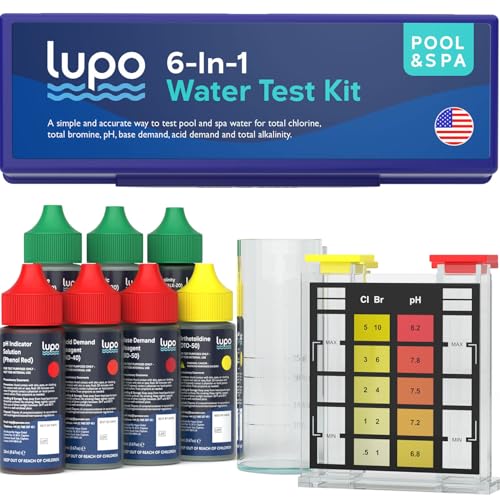
6-IN-1 POOL TESTING KIT: An easy-to-use, accurate pool test kit for testing six essential water quality parameters in residential pools and spas: Total Chlorine, Total Bromine, pH, Base Demand, Acid Demand and Total Alkalinity. Includes reagents for 100 tests, helping keep your water safe and balanced.
Regular Testing of pH Levels
Testing your pool’s pH regularly helps prevent problems before they arise. Use test strips or liquid test kits to check pH levels at least once a week. On weeks of heavy usage or after significant rain, test more often.
- Test Kit Selection: Choose a reliable kit designed for saltwater pools.
- Follow Instructions: Always adhere to the manufacturer’s instructions for accurate readings.
- Record Results: Maintain a log of your test results to track changes over time.
Monitoring Other Water Chemistry Factors
Besides pH levels, other water chemistry factors significantly influence your pool’s health. Keep an eye on the following:
- Chlorine Levels: Maintain a chlorine level between 1.0 and 3.0 ppm to ensure sanitation.
- Alkalinity Levels: Aim for total alkalinity between 80 and 120 ppm, as it acts as a buffer for pH adjustments.
- Calcium Hardness: Ideal calcium hardness ranges from 200 to 400 ppm; proper levels prevent corrosion.
Adjusting these factors alongside pH balances creates a healthier swimming environment. Regular testing ensures you catch any imbalances quickly, allowing for timely corrections.
Conclusion
Keeping your saltwater pool’s pH balanced is key to enjoying a safe and pleasant swim. By using the right methods like sodium carbonate or baking soda and testing regularly, you can ensure your pool stays in top shape.
Don’t forget to keep an eye on other factors like chlorine and alkalinity too. A little maintenance goes a long way in providing a sparkling clean and inviting swimming environment. With these tips in mind, you’ll be ready to dive in and enjoy your pool all season long. Happy swimming!
Frequently Asked Questions
Why is pH level important in saltwater pools?
Maintaining the right pH level in saltwater pools is essential for swimmer safety, comfort, and equipment longevity. A balanced pH prevents skin and eye irritation and helps preserve pool surfaces and equipment.
How can I increase pH levels in my saltwater pool?
You can increase the pH levels using sodium carbonate or baking soda. These substances help to raise the pH and create a healthier swimming environment.
How often should I test the pH levels of my pool?
It’s best to test your pool’s pH levels regularly, ideally once a week. This ensures you can quickly detect and correct any imbalances for optimal water quality.
What other factors should I monitor in my saltwater pool?
In addition to pH levels, keep an eye on chlorine, alkalinity, and calcium hardness. Monitoring these factors ensures a well-balanced pool environment for swimmers.
What tools do I need for testing pH?
You can use reliable pool testing kits or strips specifically designed for saltwater pools. These tools provide accurate readings and are easy to use for regular maintenance.