Have you ever wondered what to do with your pool pump when a storm rolls in? It’s a common dilemma for many pool owners. You might be worried about the safety of your equipment or the quality of your water.
In this article, you’ll find practical advice on whether to turn off your pool pump during a storm. Understanding the best practices can save you time, money, and headaches down the road. Let’s explore how to keep your pool in great shape while keeping your worries at bay.
Key Takeaways
- Electrical Safety: Turn off your pool pump during storms to minimize risks of electrical shock or damage from power surges.
- Water Circulation: If safe, keep the pump running to prevent water stagnation and maintain chemical distribution, monitoring weather conditions closely.
- Debris Protection: Shutting off the pump can prevent damage from debris clogging the system during high winds or heavy rain.
- Equipment Security: Secure your pool pump and associated equipment to avoid wind and debris damage while ensuring connections are water-tight.
- Lightning Risks: Unplug the pump during storms to protect against lightning strikes, and consider using surge protectors for added safety.
- Post-Storm Water Quality: Turning off the pump allows sediment to settle, making cleaning easier, and helps manage chemical balance in the pool after heavy rainfall.
Understanding Pool Pumps
Pool pumps play a vital role in maintaining your pool’s cleanliness and circulation. These devices filter debris, distribute chemicals, and keep the water clear. Understanding how pool pumps function helps you make informed decisions about their use, especially during adverse weather conditions like storms.
Components of a Pool Pump
- Motor: The motor powers the pump, creating suction to pull water through the filtration system.
- Impeller: The impeller moves the water, pushing it through the filtration system and back into the pool.
- Strainer Basket: The strainer basket captures large debris before water enters the pump, protecting the motor and impeller.
How Pool Pumps Work
Pool pumps operate by drawing water from the pool through the skimmer and main drain. The pump forces this water through the filter, removing contaminants. After filtration, the clean water returns to the pool via return jets. Regular operation of the pump ensures consistent water circulation and sanitization.
Safety Considerations for Pool Pumps During Storms
You may wonder whether to turn off your pool pump during a storm. Here are key points to consider:
- Electrical Safety: If your area experiences heavy rain or winds, consider turning off the pump to minimize the risk of electrical shock or damage from power surges.
- Water Circulation: Maintaining water circulation is crucial for preventing stagnation and ensuring chemical distribution. If conditions allow, keep the pump running while monitoring the storm.
- Debris Protection: Heavy winds can blow debris into your pool. If the power goes out or the storm intensifies, shutting off the pump may prevent possible damage from debris clogging the system.
- Secure Equipment: Make sure your pump and associated equipment are secured against wind and debris.
- Use a GFCI Outlet: Ensure your pump is connected to a Ground Fault Circuit Interrupter (GFCI) outlet for added safety against electrical issues.
- Monitor Weather Conditions: Keep an eye on local weather updates. Prepare to turn off the pump if severe weather approaches.
Understanding your pool pump’s function and how to manage it during storms helps protect your investment and maintain your pool’s condition.
Risks of Leaving Pool Pump On During Storm
Leaving your pool pump running during a storm poses several risks. Understanding these hazards can help you make an informed decision.
Recommended Products

✅【Always Safe】GFCI features surge protection and lightning protection function with standing 6 kilovolts. Performed 3000+ times factory tests, which is the testing times of UL standard.

Ultimate Safety with Surge & Lightning Protection – This GFCI replacement plug offers surge protection and lightning resistance, with standing up to 6kV. Factory-tested 3000+ times to meet ETL standards, ensuring top-notch safety for your electrical systems
Lightning Strikes
Lightning poses a significant threat to electrical equipment, including pool pumps. If your pool pump remains on during a storm, it can attract lightning, leading to damage or complete equipment failure. It’s advisable to unplug the pump during severe storms to avoid this risk. For enhanced safety, consider installing surge protectors. This adds an extra layer of protection against power surges caused by lightning.
Heavy Rain and Wind
Heavy rain can lead to flooding, which risks electrical shock hazards when your pool pump is operational. If water levels rise, the pump may become submerged, causing it to short circuit or fail completely. Additionally, strong winds can send debris, such as branches, into your pool area, potentially damaging the pump and surrounding equipment. Secure the area before storms and ensure the pump is off during extreme weather conditions to minimize these risks.
Benefits of Turning Off Pool Pump
Turning off the pool pump during a storm provides several advantages that protect both your equipment and the quality of your pool water.
Recommended Products

Automatic On/Off Switch: Acquaer pool cover pump has a automatic switch. It will automatically turn on when water has been detected at 2 ''. When the pump remove water to approximately 2/5 ", the pump will run for additional 60 seconds and then turn off
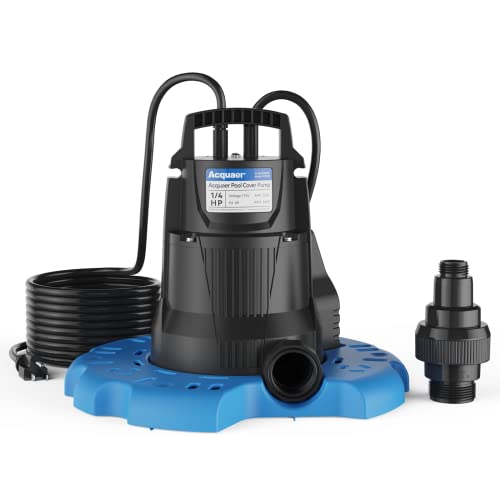
Automatic On/Off Switch: Acquaer pool cover pump has a automatic switch. It will automatically turn on when water has been detected at 2 ''. When the pump remove water to approximately 2/5 ", the pump will run for additional 60 seconds and then turn off
Equipment Protection
Protecting your pool pump from storm-related damage is crucial. Lightning strikes can severely damage electrical components; turning off the pump minimizes this risk. Additionally, high winds can introduce debris into your pool. Debris like branches or leaves can clog the pump, creating costly repairs. By unplugging the pump, you safeguard your investment and ensure the equipment remains functional for future use.
Water Quality Considerations
Water quality maintenance improves with strategic pump management. Heavy rains can introduce contaminants and debris into your pool, affecting clarity and sanitation. When the pump is off, sediment settles at the bottom, enabling easier cleaning later. Keeping the pump off during storms also helps maintain chemical balance. Chlorine levels may dilute in heavy rainfall, affecting overall water quality. Turning off the pump helps you manage chemical adjustments after the storm, ensuring a safer swimming environment.
Guidelines for Turning Off the Pool Pump
Turning off your pool pump during a storm can protect your equipment and enhance water quality. Here are specific guidelines to follow.
Recommended Products
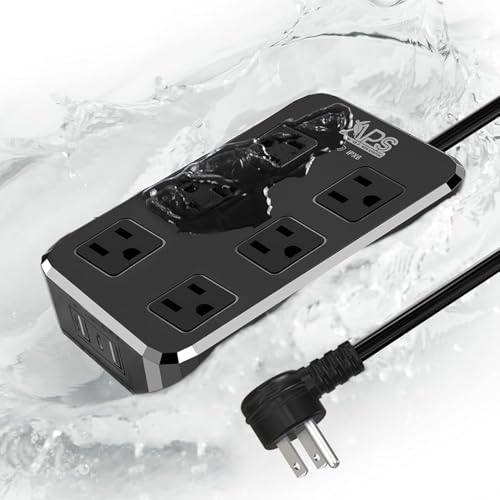
6 WIDE-SPACED OUTLETS - USE ALL SIX AT ONCE: Every socket is spaced far enough apart to take oversized wall warts, timers and transformer blocks side by side, so you actually get to use all 6 - not 3 of 6 like crowded strips. Three extra USB ports handle phones and tablets, letting one strip run your string lights, inflatable decorations, pond pump and devices at the same time.

Electrical Connection Box: Creates a watertight sealing space, keeps outdoor electrical connection dry and safety, ideal to protect outdoor landscape lighting, pool pump, power tool, fountain, Christmas decorations and other devices.

6 WIDE-SPACED OUTLETS - USE ALL SIX AT ONCE: Every socket is spaced far enough apart to take oversized wall warts, timers and transformer blocks side by side, so you actually get to use all 6 - not 3 of 6 like crowded strips. Three extra USB ports handle phones and tablets, letting one strip run your string lights, inflatable decorations, pond pump and devices at the same time.
When to Turn Off
- Monitor Weather Conditions: Turn off the pump if you anticipate severe weather, including high winds or thunderstorms.
- Check Local Alerts: Pay attention to weather warnings. If there’s a tornado or hurricane warning, switch off the pump as a precaution.
- Watch for Lightning: Turn off the pump immediately if you see lightning. Lightning can strike nearby objects, risking damage to your pool equipment.
- Consider Flood Risk: If flooding is possible, disabling the pump helps prevent issues related to electric shock and sediment build-up.
- Unplug Before the Storm: Disconnect the pump from the electrical outlet to prevent damage from power surges.
- Use a Surge Protector: If you can’t unplug the pump, invest in a surge protector to safeguard against voltage spikes during storms.
- Secure Connections: Ensure that all connections are tight and properly sealed to minimize exposure to water.
- Turn Off Circuit Breaker: If necessary, turn off the circuit breaker dedicated to the pump before unplugging it for added safety.
Taking these steps helps ensure your pool remains in good condition while keeping your equipment safe during storms.
Conclusion
Deciding whether to turn off your pool pump during a storm is crucial for protecting both your equipment and water quality. By being proactive and following safety guidelines you can minimize risks associated with severe weather.
Always keep an eye on weather updates and be ready to unplug your pump if conditions worsen. Taking these steps not only safeguards your investment but also ensures your pool remains in great shape for when the sun comes back out. Stay safe and enjoy your pool responsibly!
Frequently Asked Questions
Should I turn off my pool pump during a storm?
Yes, it’s recommended to turn off your pool pump during storms. This helps protect the equipment from potential damage caused by lightning strikes, flooding, and debris.
What are the risks of leaving the pump on during a storm?
Leaving the pump on can expose it to lightning strikes, which may cause damage, and flooding that can lead to electrical hazards. Debris can also obstruct the pump, impacting its functionality.
How can I protect my pool pump during severe weather?
You can protect your pool pump by unplugging it prior to the storm, using surge protectors, and securing the area around the pump. Additionally, consider turning off the circuit breaker if needed.
What should I monitor before turning off my pool pump?
Before turning off the pump, monitor weather conditions, check local alerts, and look for signs of lightning or potential flooding in your area to ensure safety.
Will turning off the pool pump affect water quality?
Turning off the pool pump temporarily can affect water quality if left off for extended periods. However, it’s a necessary precaution during severe storms to protect equipment and prevent damage.