Wondering how long you should backwash your pool filter? You’re not alone. Many pool owners struggle with this common maintenance task, unsure if they’re doing it right. Backwashing is essential for keeping your pool clean and clear, but getting the timing just right can feel a bit tricky.
Table of Contents
Key Takeaways
- Importance of Backwashing: Regular backwashing is essential for maintaining pool cleanliness and clear water by removing dirt and debris from the filter.
- Optimal Timing: Backwash your pool filter for 2-3 minutes, or until the water in the sight glass appears clear; longer durations may be necessary based on pool usage and environmental factors.
- Signs to Backwash: Look out for a pressure gauge reading that is 8-10 psi above normal, cloudy water, reduced water flow, and visible debris on the filter to know when to backwash.
- Benefits of Proper Maintenance: Proper backwashing enhances water clarity, increases filter efficiency, reduces chemical usage, and promotes healthy swimming conditions.
- Steps to Follow: Ensure to turn off the pump, set the filter to backwash, monitor the waste water, rinse the filter, and return to the normal filter setting for effective maintenance.
Importance Of Backwashing Your Pool Filter
Backwashing your pool filter is crucial for maintaining a healthy swimming environment. It removes dirt, debris, and other contaminants that accumulate in the filter, ensuring clean water circulation.
Benefits Of Backwashing
- Enhances Water Clarity
Backwashing keeps pool water clear. Clean filters improve water transparency, making it more enjoyable for swimming. - Increases Filter Efficiency
Regular backwashing prevents clogs and maintains optimal flow rates. A well-functioning filter uses less energy and extends the filter’s lifespan. - Reduces Chemical Usage
When filters operate efficiently, fewer chemicals are needed to treat the water. This helps you save money and minimizes the impact on the environment. - Promotes Healthy Swimming Conditions
Filters that lose effectiveness may lead to bacteria growth. Backwashing eliminates waste and helps maintain safe swimming conditions.
Recommended Frequency
Backwash your filter after pressure readings indicate a 5-10 psi increase from the normal operating level or at least once every month. This frequency can vary based on pool usage and environmental factors.
- Turn Off the Pump
Always start by turning off your pool pump to prevent damage. - Set the Multiport Valve
Change the multiport valve setting to ‘Backwash.’ This directs water flow to the waste line, removing contaminants from the filter. - Turn On the Pump
Activate the pump and let it run for 2-3 minutes. Watch for clear water in the sight glass; this indicates that the filter is clean. - Rinse the Filter
After backwashing, set the valve to ‘Rinse’ and run the pump for an additional 1-2 minutes. This helps settle any remaining debris in the filter. - Return to Normal Setting
Finally, switch the multiport valve back to ‘Filter,’ and resume normal operation.
Backwashing your pool filter ensures a sparkling clean swimming area, making it a key part of your pool maintenance routine.
How Long Should I Backwash My Pool Filter?
Backwashing your pool filter usually requires a specific duration to ensure optimal results. Aim for a duration that clears out dirt and debris effectively.
Recommended Products

𝐒𝐢𝐠𝐡𝐭 𝐆𝐥𝐚𝐬𝐬 𝐟𝐨𝐫 𝐇𝐚𝐲𝐰𝐚𝐫𝐝: SPX0710MA Pool Sight Glass with Gasket, fit Hayward Pro Series Sand Filters and Top Mount Sand Filters valve. Threaded Sight Glass For Hayward 1-1/2 Inch Vari-Flo Valve Models: SP0710, SP0710X, SP0711,SP0712,SP0714T Multiports. Also Fits Hayward 2 Inch Vari-Flo Valve Models: SP0715 and SP0716 Multiports Series.

Part Number: 272550 Sight Glass & 271106 Sight Glass Gasket

1.272550 Sight Glass Compatible With Pen-tair Clamp Style Valve,Fits for Models 262504,262505,262506 and TA Filters 6 in Buttress Style Valve 261130.(Notice:Valves Manufactured Before MARCH 1, 1993 Do Not Contain 272550 Sight Glass)
Recommended Duration
Backwash your pool filter for 2-3 minutes. This timeframe generally clears most dirt and restores water flow. After 2-3 minutes, check the sight glass. If you see clear water, stop backwashing. If it’s still cloudy, extend backwashing for an additional minute and check again.
Factors Affecting Backwash Time
Several factors influence how long you should backwash your pool filter:
- Pool Usage: High usage increases debris accumulation, requiring longer backwash times.
- Environmental Conditions: Leaves, pollen, and dust in your area lead to more dirt in the filter, extending backwash duration.
- Type of Filter: Some filters inherently require longer backwashing than others. For example, DE filters usually need a bit more time compared to sand or cartridge filters.
- Filter Size: Larger filters hold more debris, which might necessitate longer backwashing to fully clear.
Consider these factors when determining the backwash duration for your specific situation. Adjusting your approach based on these variables keeps your pool water clean and inviting.
Steps To Backwash Your Pool Filter
Backwashing your pool filter involves a few straightforward steps. Following them ensures your pool remains clean and inviting.
Recommended Products

{HEAVY DUTY MATERIAL} Our pool backwash hoses are built to be exceptionally durable to withstand general wear & tear but are also easy to pack and store as they are designed to lie flat for easy roll-up when not-in-use

【Hassle-free Storage】: Our water discharge hose comes with a connector for easy pump connection and storage.

【Perfect Size】:1-1/2" x 50ft,our 50eet, hose set is ideal for all your pool cleaning needs.
Preparation Steps
- Gather Tools: You’ll need a backwash hose, gloves, and safety goggles. These tools help keep you safe and prevent any mess.
- Turn Off Equipment: Shut off the pool pump and filter system. Always handle equipment when it’s powered down to avoid accidents.
- Check Pressure Gauge: Inspect your filter’s pressure gauge. If the reading is 8-10 psi above the normal operating level, backwashing becomes necessary.
- Position the Hose: Attach the backwash hose to the filter’s waste port. Make sure the hose directs wastewater away from your pool area.
- Set Filter to Backwash: Change the filter valve setting to “Backwash.” This allows the water to flow in the opposite direction, dislodging dirt inside the filter.
- Start the Pump: Turn on the pump. Pumping water through the filter in the reverse direction helps push out contaminants.
- Monitor the Waste Water: Watch the water exiting the hose. When it runs clear, backwashing stops effectively. This usually takes 2-3 minutes, but you might adjust based on factors like pool usage and filter type.
- Switch to Rinse: After backwashing, set the filter valve to “Rinse.” This step helps settle the filter media and removes any remaining debris.
- Run the Rinse Cycle: Turn on the pump again for about 30 seconds. This ensures the filter is properly reset before returning to the normal filtering mode.
- Return to Filter Mode: Set the valve back to “Filter.” Allow the pump to run again and monitor the pressure gauge to ensure it’s back to normal levels.
- Clean Up: Disconnect the backwash hose and store all tools safely. It’s essential to keep your equipment in good condition for future use.
By following these steps, you effectively maintain your pool filter, ensuring your pool remains clean and ready for fun.
Signs That Indicate It’s Time To Backwash
Recognizing when to backwash your pool filter is essential for maintaining optimal cleanliness. Here are the key signs to watch for:
- Increased Pressure Gauge Reading
An elevated pressure gauge reading indicates debris accumulation. If your filter reads 8-10 psi higher than the normal operating level, it’s time to backwash. - Dirty Water in the Pool
If you notice cloudy or dirty water, backwashing often resolves the issue. This situation suggests a buildup of contaminants that the filter can’t remove effectively. - Reduced Water Flow
A noticeable reduction in water flow from the return jets indicates clogging within the filter. If circulation seems weak, backwashing might be necessary. - Visible Debris on the Filter
Inspecting your filter may reveal visible debris. If you spot dirt or algae, it’s a clear sign that backwashing is due. - Presence of Algae
If algae blooms appear, regardless of treatments, backwashing can help prevent their return. A clean filter plays a vital role in maintaining clear water. - Frequent Chemical Adjustments
If you often adjust chemicals to maintain balance, the filter might be ineffective. A backwash can improve filtration and reduce the need for constant chemical changes.
By monitoring these signs, you can maintain a clean, inviting pool and ensure your filtration system works efficiently.
Recommended Products

【DESIGNED FOR POOL & SPA SYSTEMS】 – This 0–60 PSI pool pressure gauge is purpose-built for swimming pool filters, water pumps, spas, and aquariums. Compatible with sand, DE, and cartridge filter systems

PRV-Tex Series: The circular dial is encased in a 304 stainless steel casing, providing robustness and corrosion resistance. IP67 waterproofing reduces the occurrence of window fogging caused by internal condensation, thus providing clear readings and weather resistance.
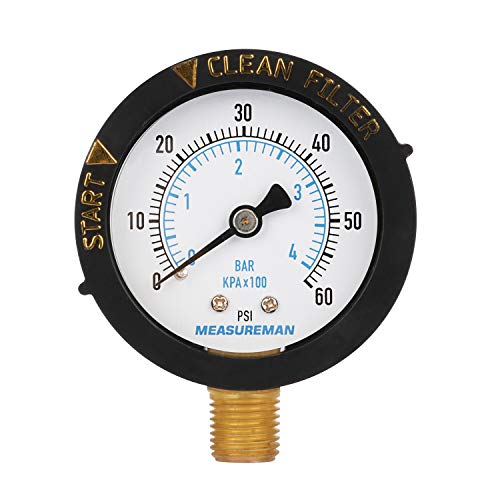
For pressure measuring on the filter of swimming pool,Spa, Aquarium Water etc
Conclusion
Keeping your pool filter in top shape is key to enjoying a sparkling clean swimming experience. By paying attention to pressure readings and other signs you can easily determine when it’s time to backwash. Regular maintenance not only boosts your filter’s efficiency but also helps you save on chemicals and keeps your water clear.
So next time you notice those telltale signs don’t hesitate to take action. Your pool will thank you for the extra care and attention. Happy swimming!
Frequently Asked Questions
What is backwashing a pool filter?
Backwashing a pool filter is the process of reversing the flow of water through the filter to remove accumulated dirt and debris. This helps maintain a clean and efficient filtration system, ensuring clearer pool water and a healthier swimming environment.
How often should I backwash my pool filter?
You should backwash your pool filter when the pressure gauge indicates a significant increase, typically around 8-10 psi above the normal operating range. If you don’t have a gauge, backwash at least once a month, or adjust based on pool usage and environmental factors.
What are the signs that my pool filter needs backwashing?
Key signs include increased pressure gauge readings, dirty water returning to the pool, reduced water flow, visible debris on the filter, algae presence, and frequent adjustments in chemical usage. Monitoring these indicators helps determine when to backwash.
What are the benefits of backwashing a pool filter?
Backwashing enhances water clarity, improves filter efficiency, and reduces chemical usage. Regular backwashing keeps your pool clean, reduces the workload on the filtration system, and promotes a healthier swimming environment.
Can I backwash my pool filter too often?
Yes, backwashing too frequently can waste water and may not allow the filter to effectively capture contaminants. It’s essential to monitor pressure readings or follow the manufacturer’s guidelines to determine the right frequency for backwashing.