Ever wondered how long you need to wait to jump back into your pool after treating it? You’re not alone! Many pool owners face this question, especially after adding chemicals to keep the water clean and safe.
Table of Contents
Key Takeaways
- Wait Times Vary: Swimming wait times differ based on the type of pool treatment used, ranging from 15 minutes for non-chlorine shock to 24 hours for chlorine shock treatments.
- Check Product Instructions: Always refer to specific product guidelines before swimming, as recommendations may vary based on the chemicals employed.
- Weather Influences Safety: Weather conditions can affect chemical dispersion; hot, sunny days may allow for quicker re-entry, while rain can prolong wait times due to dilution effects.
- Test Water Chemistry: Regularly test your pool water’s chemistry after treatment to ensure pH and chlorine levels are within safe ranges, enhancing your swimming experience.
- Recognize Imbalance Indicators: Stay alert for signs of chemical imbalance, such as cloudy water or strong chlorine odors, which can signal unsafe swimming conditions.
- Practice Safety Precautions: To maintain a safe swimming environment, always take precautions such as waiting the designated times and testing water chemistry before diving in.
Understanding Pool Treatment
Understanding the types of pool treatments and the chemicals involved helps you maintain a safe swimming environment. Proper knowledge ensures you wait the right amount of time before diving back in.
Types of Pool Treatments
- Sanitization – This method keeps water free from bacteria and algae. Common sanitizers include chlorine and bromine.
- Shock Treatment – This involves adding a large dose of sanitizer to kill off contaminants. It’s typically done after heavy use or rain.
- Algaecides – These chemicals prevent and eliminate algae growth, essential for maintaining clear water.
- pH Balancers – These products adjust the water’s acidity to keep it within the ideal range of 7.2 to 7.8, promoting effective sanitization.
| Chemical | Purpose | Re-entry Time |
|---|---|---|
| Chlorine | Sanitizes water | 1-2 hours |
| Bromine | Alternative sanitizer for pools | 30 minutes |
| Non-chlorine shock | Quick-dissolve sanitizer | 15 minutes |
| Algaecides | Prevents algae growth | 20-30 minutes |
| pH balancers | Adjusts pH level | Instant effect |
Understanding these chemicals and their functions helps you decide when swimming is safe. Always check instructions on chemical products for specific guidelines and recommendations.
Factors Affecting Wait Time
Understanding the factors that influence how long you wait to swim after treating your pool helps ensure safety. Two primary factors impact this wait time: the type of treatment used and weather conditions.
Recommended Products

BENEFIT: Shock treat, sanitize, clarify, and help prevent bacteria and algae in your swimming pool water, all with this convenient, easy-to-use product

6 in 1 Formula: Kills bacteria and algae to maintain a clear swimming pool. Our algae-fighting formula prevents algae for crystal-clear water. Destroys contaminants to aid filter performance and clear dull, cloudy water

4 in 1 Formula: Kills bacteria and won’t impact pH. Clears cloudy water. Destroys contaminants. Improves filter performance
Type of Treatment Used
Different treatments require varying wait times before swimming. Here’s a breakdown of common pool treatments and their recommended wait times:
- Chlorine: If you add chlorine, wait at least 30 minutes before swimming.
- Shock Treatment: For shock treatments, a wait time of 24 hours is often necessary.
- Algaecides: With algaecides, waiting about 20 minutes usually suffices.
- pH Balancers: After using pH balancers, a wait of at least 30 minutes is ideal.
Always check the product instructions. They provide detailed recommendations for the specific chemicals you use.
Weather Conditions
Weather affects chemical dispersion in your pool. Hot, sunny days cause chemicals to dissipate faster, while cloudy or rainy conditions may prolong their effectiveness. If temperatures are high, you might swim sooner after treating with chlorine or similar chemicals. If it’s raining, the treatment may require more time due to dilution risks. Keeping an eye on the forecast can help you plan your swim better.
Recommended Wait Times for Common Treatments
Understanding the wait times for different pool treatments ensures you enjoy a safe swimming experience. Below are the recommended wait times for common treatments.
Recommended Products
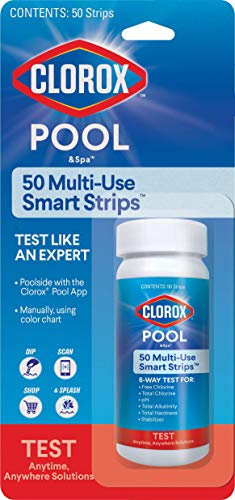
Test Like an Expert: Maintain perfectly balanced pool water with 6-Way Multi-Use Test Strips and the complimentary Clorox Pool app. The app gives do-it-yourself pool owners the tools to proudly and confidently maintain a swim-ready pool all season long.

Roll of approximate 15 ft.
Chlorine Shock Treatment
After applying chlorine shock, wait at least 24 hours before swimming. Shock treatments significantly increase chlorine levels to eliminate contaminants. Testing the water to confirm the chlorine level drops to below 3 parts per million (ppm) before swimming is essential.
Algaecide Treatment
For algaecide treatments, a wait of 20 minutes is generally sufficient before swimming. This short time allows the algaecide to disperse properly throughout the pool, targeting algae effectively. Always verify that the water is balanced and that the product instructions are followed.
pH Balancing Treatments
When balancing pH levels, a wait of 30 minutes to 1 hour is recommended after adding chemicals. Allowing this time ensures that the pH reads stable, making the water safe for swimming. Regular testing of pH levels helps maintain overall water quality, which contributes to a pleasant swimming experience.
Safety Precautions Before Swimming
Before diving into the treated pool, certain safety precautions enhance your swimming experience. Following these steps ensures a safe and enjoyable time in the water.
Recommended Products
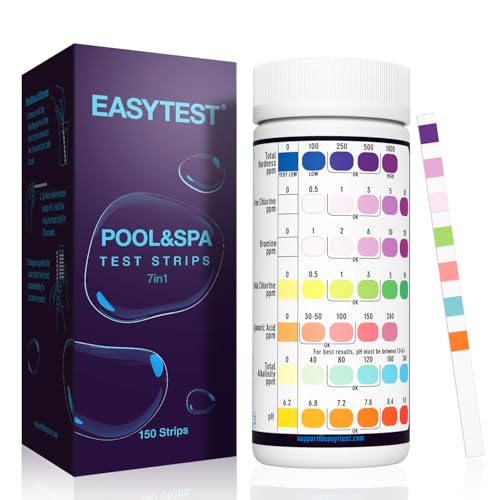
AFFORDABLE 150 STRIPS: This water chemical testing kit contains 150 test strips. Enough balanced for your swimming pool, hot tub, spa and other water testing. At least testing twice a week is recommended to keep your pool sparkling clean and safe.
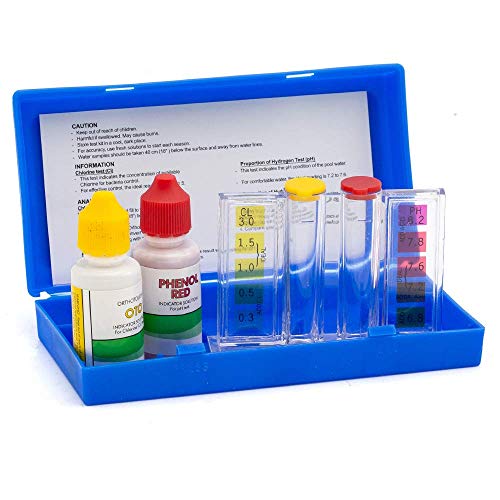
2 Way Pool Water Test Kit For Test For OTO, CL, and PH Level

3-Way Test Kit: Clorox Pool&Spa Swimming Pool 3-Way Water Test Kit tests like an expert. It accurately measures bromine, chlorine, and pH levels, providing reliable poolside results.
Testing Water Chemistry
Testing your pool’s water chemistry is crucial. Use a reliable test kit to check the levels of pH, chlorine, alkalinity, and other sanitizers. Ideal pH levels range from 7.2 to 7.8, while chlorine levels should stay between 1 and 3 parts per million (ppm). Test the water 24 hours after any treatment to confirm that it’s safe for swimming. If the levels are off, avoid swimming until adjustments restore balance. Regular testing helps maintain water quality and safety.
Recognizing Signs of Chemical Imbalance
Recognizing signs of chemical imbalance helps prevent swimming in unsafe conditions. Look for these indicators:
- Cloudy water: This often signals high particles or low chlorine levels.
- Strong chlorine smell: A potent odor may indicate too much chloramine due to insufficient chlorine.
- Skin irritation: Red or itchy skin can result from high chemical levels or imbalanced pH.
- Unusual color: Green or murky water suggests algae growth or chemical issues.
If you notice any of these signs, wait to swim until testing confirms proper water balance. Taking these precautions ensures a safer swimming environment for everyone.
Conclusion
Knowing when it’s safe to dive back into your pool after treatment is key to keeping your swimming experience enjoyable and safe. By following the recommended wait times and keeping an eye on your water chemistry you’ll ensure that everyone can swim without worry.
Remember to consider factors like weather and always follow the product instructions for the best results. With a little patience and attention to detail you can enjoy a sparkling clean pool while keeping your loved ones safe. Happy swimming!
Frequently Asked Questions
What are the key chemicals used in pool treatments?
Pool treatments typically involve sanitizers, shock treatment, algaecides, and pH balancers. Sanitizers kill harmful bacteria, shock treatments eliminate chloramines, algaecides prevent algae growth, and pH balancers maintain proper water acidity for effective sanitation.
How long should I wait to swim after treating my pool?
Wait times vary by treatment type. Generally, after sanitation and pH balancing, it’s safe to swim after about 20 minutes. For shock treatments, a wait of 24 hours is recommended. Always check specific product guidelines for exact times.
Can weather conditions affect pool chemical treatments?
Yes, weather can impact pool chemicals. Rain or wind can dilute or disperse treatments, potentially requiring you to retest and adjust chemical levels. Always consider weather predictions when planning pool maintenance and treatments.
Why is it essential to test pool water chemistry regularly?
Regular testing of pool water chemistry ensures that your pool remains safe and balanced. It helps to identify imbalances that can lead to health issues, equipment damage, and algae growth. Consistent testing promotes a better swimming experience.
What safety precautions should I take before swimming?
Before swimming, always test the pool’s water chemistry and check for any signs of chemical imbalance, like cloudy water or unusual odors. Additionally, ensure that advised wait times after treatments have passed to maintain a safe swimming environment.