Have you ever jumped into a pool only to feel that uncomfortable sting in your eyes? It might not just be the chlorine; the pH level could be off. Maintaining the right pH in your swimming pool is essential for keeping the water safe and enjoyable for everyone.
Table of Contents
- 1 Key Takeaways
- 2 Importance Of pH In Swimming Pools
- 3 Ideal pH Levels For Swimming Pools
- 4 Measuring pH In Swimming Pools
- 5 Adjusting pH Levels
- 6 Common pH Issues In Swimming Pools
- 7 Conclusion
- 8 Frequently Asked Questions
- 8.1 What is the ideal pH range for swimming pools?
- 8.2 Why is pH important in swimming pools?
- 8.3 What factors can influence pH levels in a pool?
- 8.4 How often should I test my pool’s pH level?
- 8.5 How can I raise the pH level in my pool?
- 8.6 How can I lower the pH level in my pool?
- 8.7 What are common causes of high pH in swimming pools?
- 8.8 What causes low pH levels in pools?
Key Takeaways
- Optimal pH Range: The ideal pH range for swimming pools is between 7.2 and 7.6, ensuring effective chlorine sanitization and swimmer comfort.
- Impact on Water Quality: pH levels significantly influence chlorine efficacy; low pH (<7.2) reduces sanitization, while high pH (>7.6) leads to cloudy water and contaminants.
- Effects on Swimmers: Maintaining balanced pH levels prevents discomfort, such as eye irritation and skin issues, enhancing the overall swimming experience.
- Regular Testing: Regularly test pH levels—ideally weekly or after heavy use/rainfall—to catch fluctuations early and ensure optimal water conditions.
- Adjustment Methods: Use sodium carbonate to raise pH and muriatic acid or sodium bisulfate to lower it, adjusting according to the pool size for accurate results.
- Common Issues: Recognize causes of pH imbalance, such as chemical use or environmental factors, to proactively manage water quality and swimmer safety.
Importance Of pH In Swimming Pools
Maintaining the correct pH level in your swimming pool is crucial for water quality and swimmer comfort. Proper pH levels keep the pool safe, inviting, and enjoyable for everyone.
Impact On Water Quality
pH affects chlorine efficacy in your pool. When pH levels fall below 7.2, chlorine can’t effectively sanitize the water, leaving it vulnerable to bacteria and algae. Conversely, if pH exceeds 7.8, chlorine becomes less potent, causing cloudy water and increasing the risk of contaminants.
Furthermore, a balanced pH level, ideally between 7.2 and 7.6, promotes clear water and optimizes chemical interactions. Regularly check your pool’s pH with test strips or kits to ensure optimal chemical balance.
Effects On Swimmers
pH levels directly influence swimmer comfort and health. If the pH dips below 7.2, you may experience eye irritation, skin dryness, and respiratory issues from chlorine fumes. In contrast, a high pH can lead to itchy skin, rashes, and discomfort during swimming.
Adjusting the pH to the recommended range as needed reduces these discomforts. For example, using pH increasers like sodium carbonate can elevate low pH, while sodium bisulfate can lower high pH levels. Regular tests help you keep the pH balanced and enhance swimmer experience.
Ideal pH Levels For Swimming Pools
Maintaining the ideal pH levels in your swimming pool is crucial for water quality and swimmer comfort. The pH scale ranges from 0 to 14, with 7 being neutral. Understanding the recommended range helps ensure safe and pleasant swimming.
Recommended pH Range
The optimal pH range for swimming pools is between 7.2 and 7.6. At this level, chlorine works effectively to sanitize the water. A pH of 7.2 helps maintain maximum chlorine effectiveness, while 7.6 provides swimmer comfort. Regularly test your pool’s pH to keep it within this range to prevent issues.
Factors Influencing pH Levels
Several factors can impact your pool’s pH levels:
- Bather Load: More swimmers introduce contaminants like sweat and oils, which can lower pH levels.
- Chemical Use: Adding chlorine or algaecides can alter pH. Always check levels after chemical treatments.
- Environmental Factors: Rain, leaves, and debris can affect pH, increasing acidity.
- Source Water: Tap water can differ in pH based on local conditions. Test your source water before filling your pool.
Monitoring and adjusting these factors ensure a balanced, healthy swimming environment.
Measuring pH In Swimming Pools
Measuring pH in your swimming pool involves using specific tools to ensure you maintain optimal water conditions. Proper pH measurement contributes to clear water and reduces swimmer discomfort.
Recommended Products
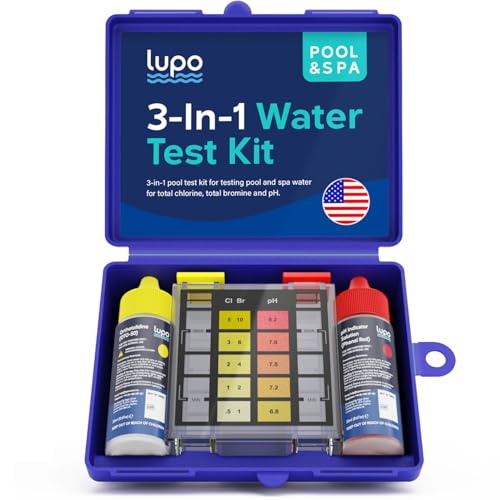
3-IN-1 POOL TESTING KIT: An easy-to-use, accurate pool test kit for testing three essential water quality parameters in residential pools and spas: Total Chlorine, Total Bromine, and pH. Includes enough reagents for 100 tests, helping keep your water safe, clean, balanced, and ready to use anytime.
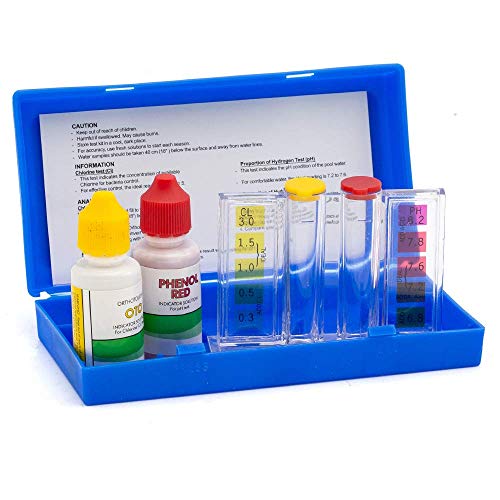
2 Way Pool Water Test Kit For Test For OTO, CL, and PH Level
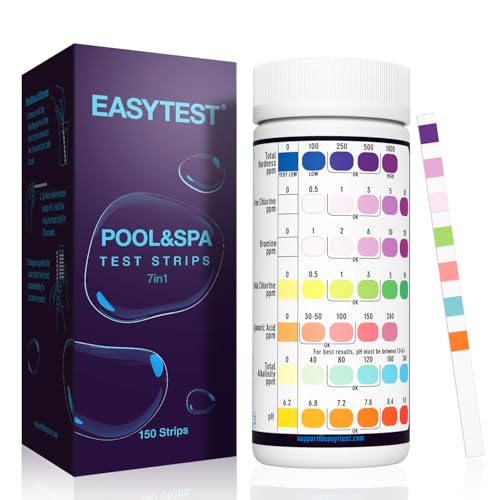
AFFORDABLE 150 STRIPS: This water chemical testing kit contains 150 test strips. Enough balanced for your swimming pool, hot tub, spa and other water testing. At least testing twice a week is recommended to keep your pool sparkling clean and safe.
Tools For Measurement
- Test Strips: Quick and easy; simply dip a strip in the water and compare the color to a chart.
- Liquid Test Kits: More precise; you mix pool water with reagents and compare the resulting color to a scale.
- Digital pH Meters: Offer the most accurate readings; just insert the probe into the water for instant results.
- pH Monitors: Automated systems keep continuous track of pH levels and alert you to any changes.
- Weekly Testing: Test pH weekly during the swimming season. This ensures you catch any fluctuations early.
- After Heavy Use: If the pool has heavy bather load, test afterward. Swimmers introduce contaminants that can alter pH.
- After Rainfall: Natural events like rain can affect pool chemistry. Test pH after significant rainfall to confirm levels are stable.
- Before Adding Chemicals: Always measure pH before adding chemicals. Accurate readings help you apply the correct dosage for adjustments.
Adjusting pH Levels
Maintaining the right pH levels in your swimming pool is crucial for safety and comfort. If the pH drifts outside the ideal range of 7.2 to 7.6, taking action becomes necessary. Here’s how you can adjust pH levels effectively.
Recommended Products

NEWPOL (100strips) 7-IN-1 POOL TEST: each test strip include 7 testing range, Hardness , Free Chlorine, Bromine, Total Chlorine, Cyanuric Acid,Total Alkalinity and pH. Check your pool water quality any time with just one strip, so easy.

AFFORDABLE 7-IN-1 POOL TESTING KIT: Our 150 pool test strips provides an affordable, all in one pool water testing kit for various chemicals including Free Chlorine, Alkalinity, pH levels and more!

LARGEST POOL TESTING STRIPS: Extra long strips with the largest pads and color chart for the clearest chemical readings. Every batch is lab tested to guarantee accuracy and quality
Methods To Raise pH
If your pool’s pH falls below 7.2, you’ll need to raise it. Follow these steps:
- Test the Water Again: Always retest after your initial measurement to confirm the low pH level.
- Add Sodium Carbonate: Also known as soda ash, this chemical effectively raises pH.
- Application: Add 1 pound of sodium carbonate for every 10,000 gallons of water, adjusting based on your pool size.
- Dissolve and Distribute: Mix the sodium carbonate in a bucket of pool water and pour it evenly around the deep end of the pool for proper distribution.
- Re-Test: Check the water’s pH 30 minutes to an hour after applying the soda ash to ensure it’s within the desired range.
Methods To Lower pH
If your pool’s pH exceeds 7.6, action is needed to lower it. Here’s how:
- Test Again: Recheck the pH level after your initial test to confirm it’s high.
- Add Muriatic Acid or Sodium Bisulfate: These chemicals effectively lower pH.
- Muriatic Acid: Use about 1 quart per 10,000 gallons for a drop of about 0.3 in pH.
- Sodium Bisulfate: Use roughly 1.5 pounds for a similar drop in pH for 10,000 gallons.
- Mix and Add: Dilute your chosen chemical in a bucket of water and distribute it around the pool, avoiding splashes.
- Check pH Levels: Retest the water after 30 minutes to confirm that pH levels have adjusted accordingly.
By utilizing these methods for adjusting pH levels, you ensure that your pool remains safe, clean, and enjoyable for all swimmers. Regular monitoring and adjustment keep the water conditions comfortable and effective for sanitation.
Common pH Issues In Swimming Pools
Maintaining the right pH level is crucial for your swimming pool’s health. Several common issues can arise from incorrect pH readings, impacting water clarity and swimmer comfort.
Recommended Products

5-WAY WATER TESTING: Accurately tests chlorine, bromine, pH, acid demand, and total alkalinity to help maintain clean, balanced pool and spa water

7 Way: These test strips for pools and spas read 7 different chemicals in the water. The pool strips test 7 way offer clear readings in daylight and come with detailed instructions

Causes Of High pH
High pH levels, typically above 7.6, can lead to cloudy water and reduced chlorine effectiveness.
- Alkalinity Levels: If total alkalinity is too high, it often raises pH. Test and adjust alkalinity to keep it between 80-120 ppm.
- Chemical Additives: Using certain types of chemicals, like chlorine tablets, can contribute to increased pH. Always check the pH level after adding chemicals.
- Rain and Fill Water: Freshwater sources, like rain or municipal water, may have a high pH. Test and balance these sources before adding to your pool.
Causes Of Low pH
Low pH levels, generally below 7.2, can cause irritation to skin and eyes, along with corrosion of pool equipment.
- Acidic Additives: Using muriatic acid or sodium bisulfate can lower pH quickly. Only add these when necessary to avoid drastic shifts.
- Organic Debris: Leaves, bacteria, and other organic materials can introduce acidity. Regular skimming and cleaning help prevent pH drops.
- High Water Temperature: Warmer water can lower pH levels. Monitor temperature regularly, especially during the summer months, to manage pH adequately.
By understanding these common pH issues, you can take proactive steps to maintain balanced water chemistry in your pool.
Conclusion
Keeping your pool’s pH level in check is key to enjoying a safe and pleasant swim. By regularly testing and adjusting the pH, you can enhance the effectiveness of your chlorine and ensure crystal-clear water. Remember to stay on top of factors that can influence pH levels so you can tackle any issues before they become a problem. With a little diligence and the right tools, you’ll create a refreshing oasis for you and your friends. Happy swimming!
Frequently Asked Questions
What is the ideal pH range for swimming pools?
The ideal pH range for swimming pools is between 7.2 and 7.6. This range helps ensure clear water and optimal effectiveness of chlorine, providing a comfortable swimming experience.
Why is pH important in swimming pools?
pH is crucial because it affects water quality and swimmer comfort. Proper pH levels improve chlorine efficacy, help maintain clear water, and prevent skin and eye irritation for swimmers.
What factors can influence pH levels in a pool?
Several factors can influence pH levels, including pool chemicals, rainwater, alkalinity levels, and organic debris. Regular monitoring helps manage these factors effectively.
How often should I test my pool’s pH level?
It’s recommended to test your pool’s pH at least once a week. During heavy usage or after rain, you might want to test it more frequently to ensure balanced water chemistry.
How can I raise the pH level in my pool?
To raise pH levels, you can use sodium carbonate (soda ash). Always follow the manufacturer’s instructions for dosing, and test the water afterward to ensure proper levels.
How can I lower the pH level in my pool?
You can lower pH levels using Muriatic Acid or Sodium Bisulfate. Add the acid carefully and retest the water to confirm adjustments are within the ideal range.
What are common causes of high pH in swimming pools?
High pH can be caused by high alkalinity levels, certain chemical additives, and untreated water sources. Identifying these causes helps in maintaining balanced water chemistry.
What causes low pH levels in pools?
Low pH levels can result from acidic additives, organic debris, and high water temperatures. Understanding these causes allows for timely adjustments to maintain proper pH.