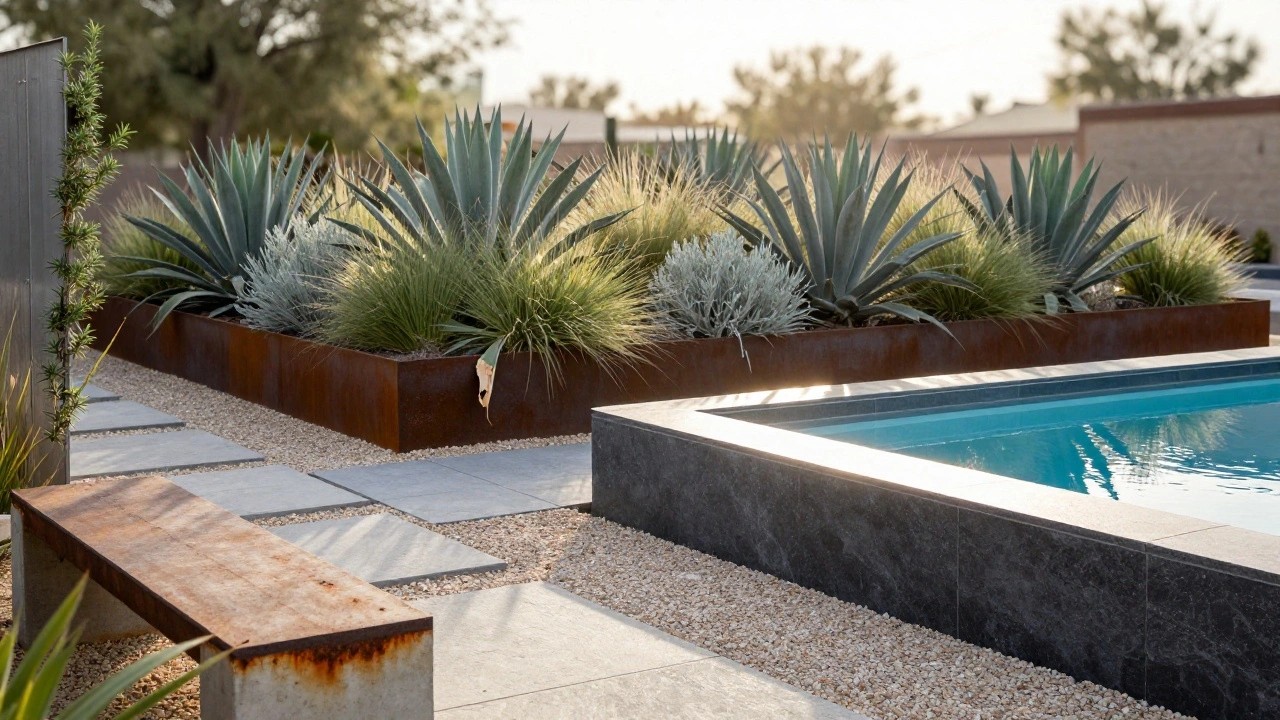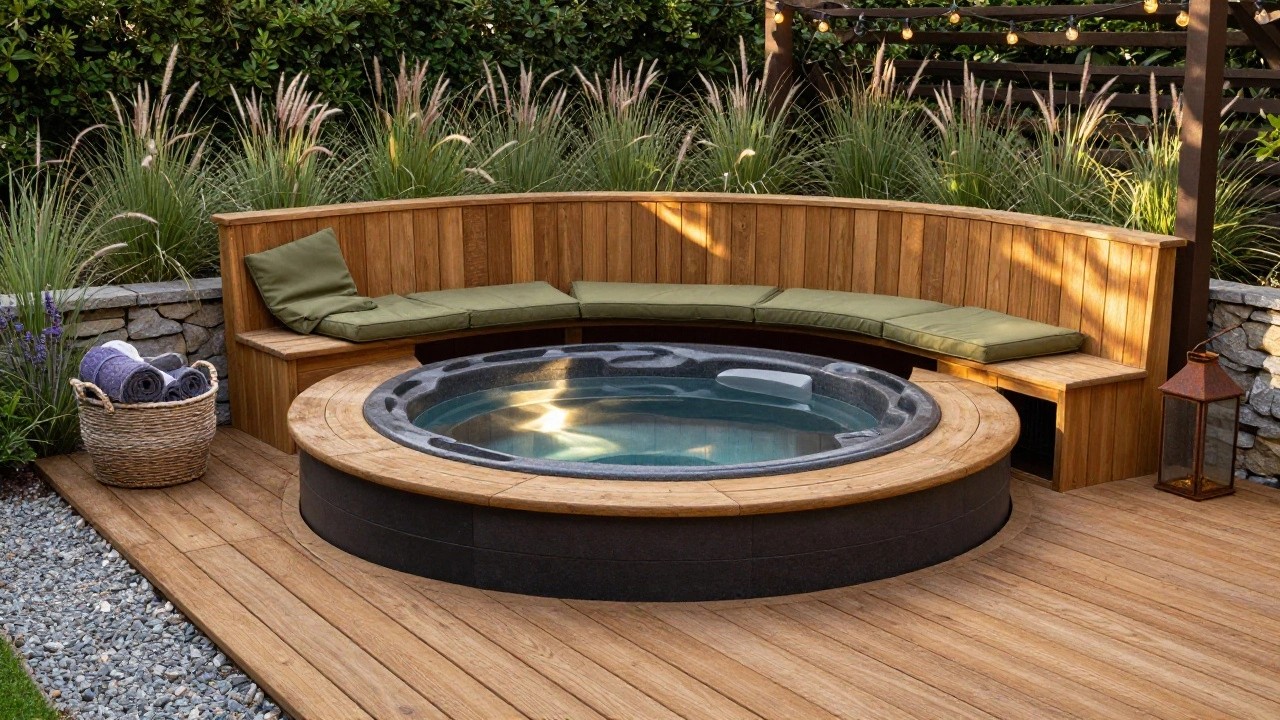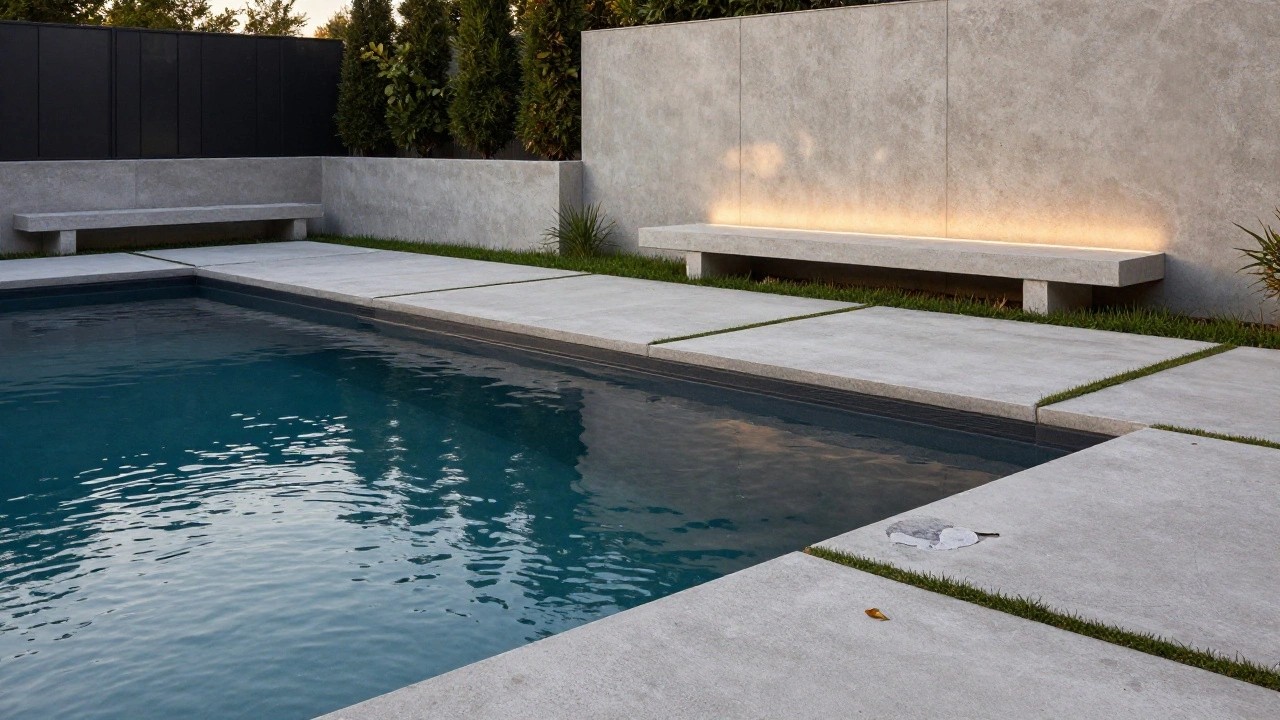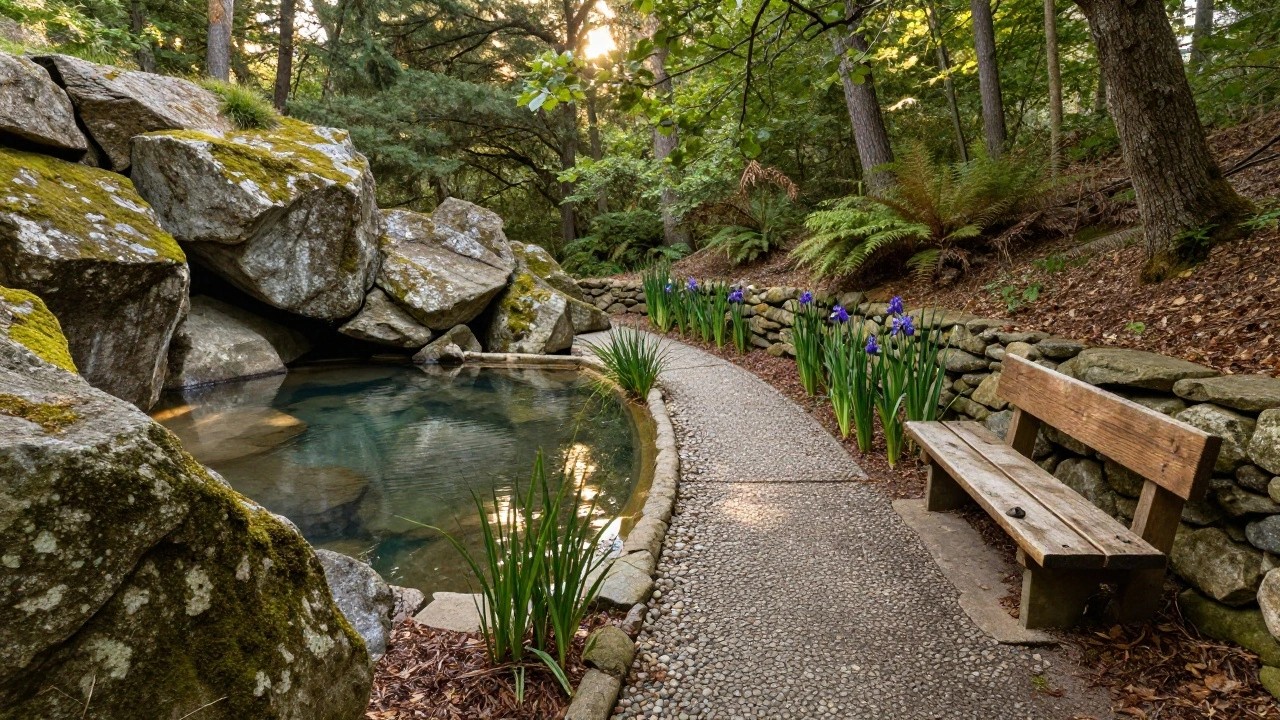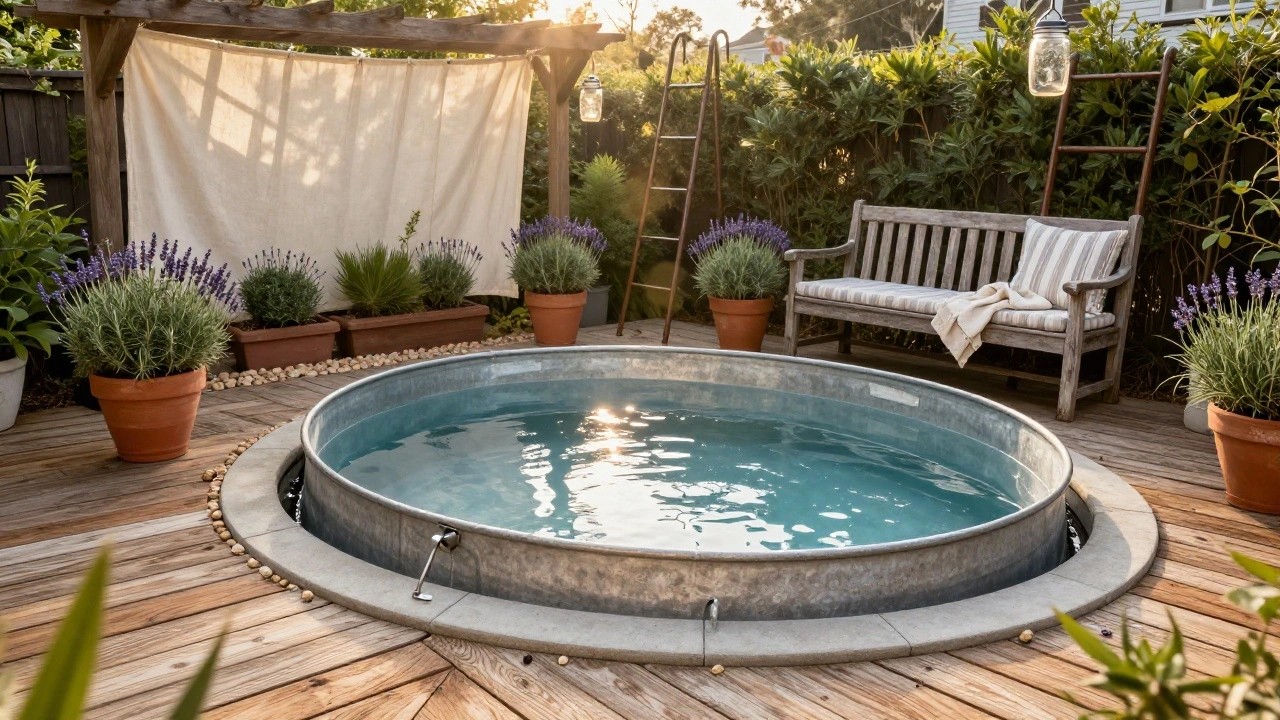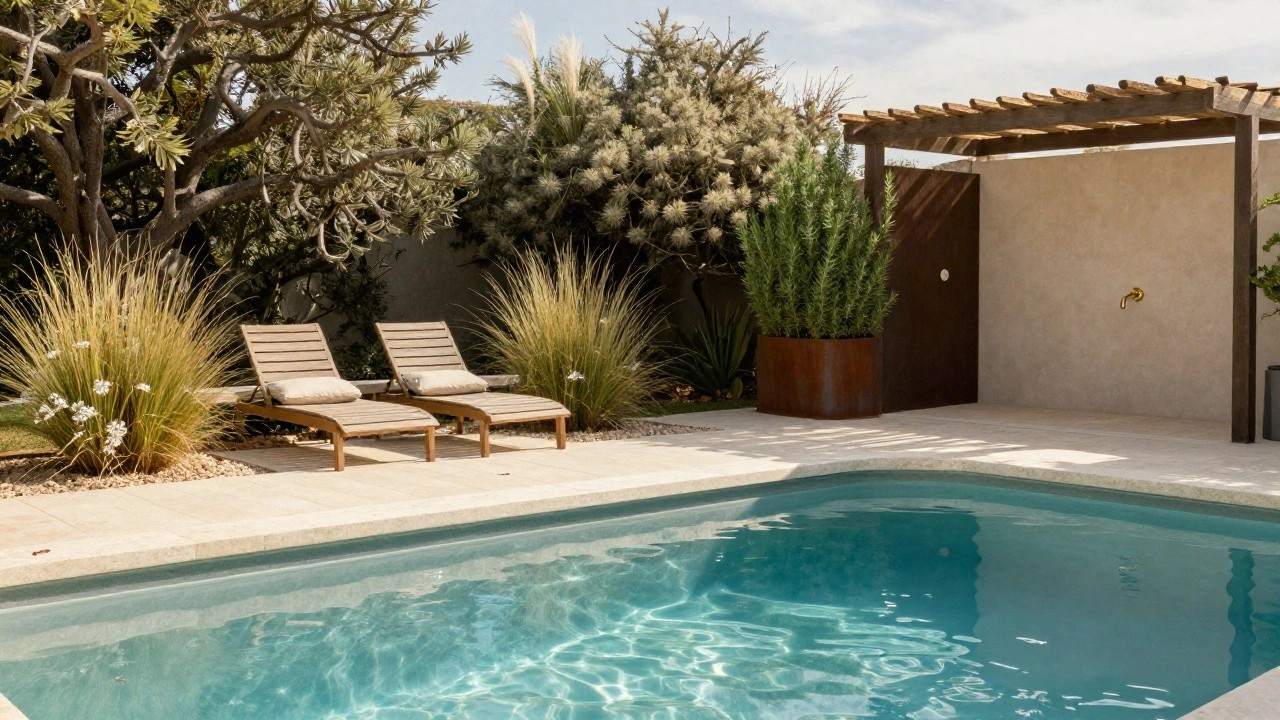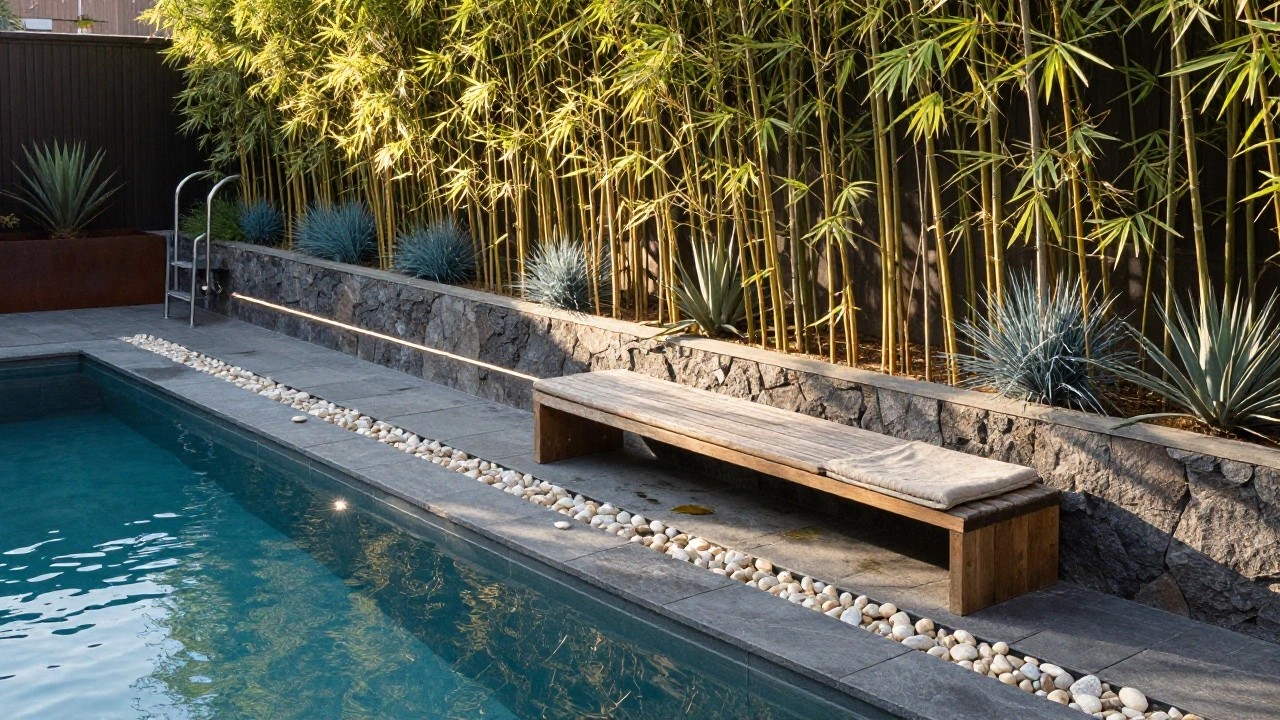
I’ve spent time tweaking the landscaping around pools in a few backyards, and pebbles always emerge as the quiet hero for adding real texture without overpowering the scene. They ground the hard lines of the pool deck into the yard’s natural rhythm, especially when layered along pathways or as edging for low plantings. The setups that last mix pebble sizes to cradle drought-tolerant shrubs, letting everything settle and shift with the seasons. I first noticed their pull in a neighbor’s yard, where they softened the water’s edge so the whole area read as one flowing space. A few of these approaches are the kind you sketch out for your own plot, testing how they handle foot traffic and sun.
Pebbled Grounds Around Pools
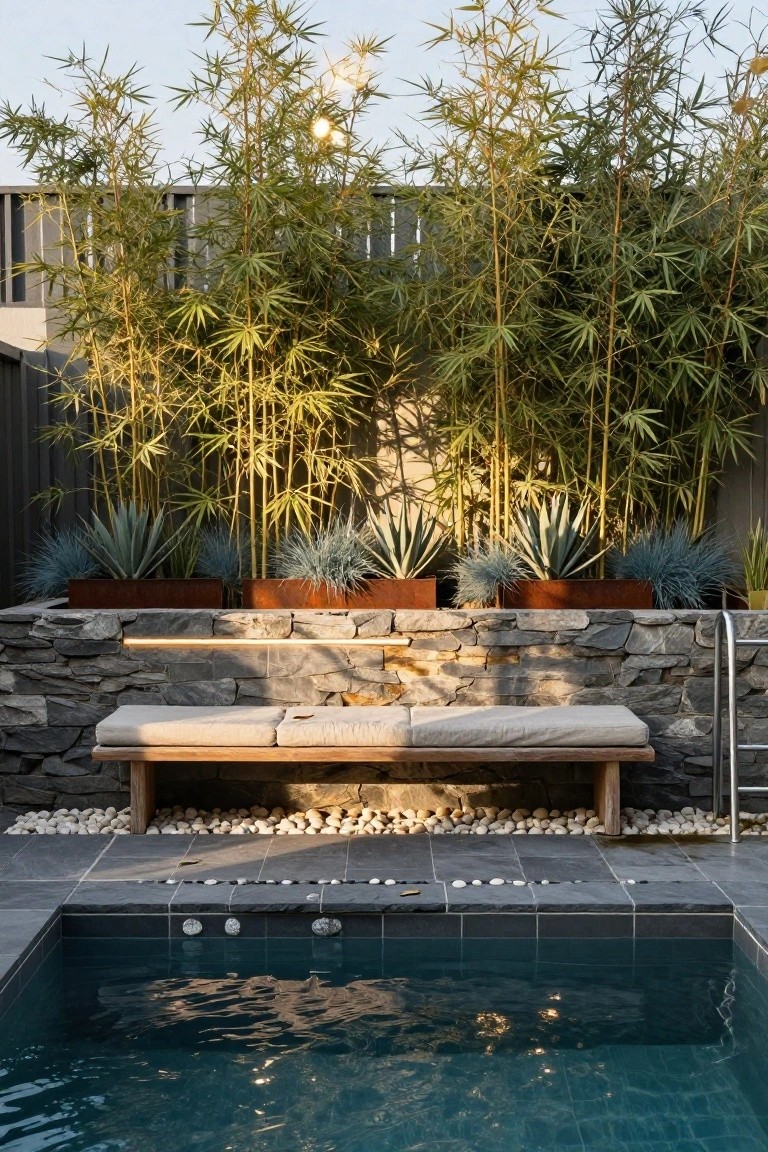
White pebbles make a smart choice for ground cover right next to the pool. In this setup, they fill in around a stone wall bench and tie into the hard lines of the tiled water and dark pavers. The texture feels natural and catches the light without needing constant mowing or watering.
You can use them in small backyards or along pool edges where grass won’t grow well. They suit modern or Asian-inspired gardens best. Lay down landscape fabric first to block weeds, and add plants like agave in pots nearby for some height. Keep an eye on drainage… wet pebbles can get slippery.
Pebbled Edges Around the Pool
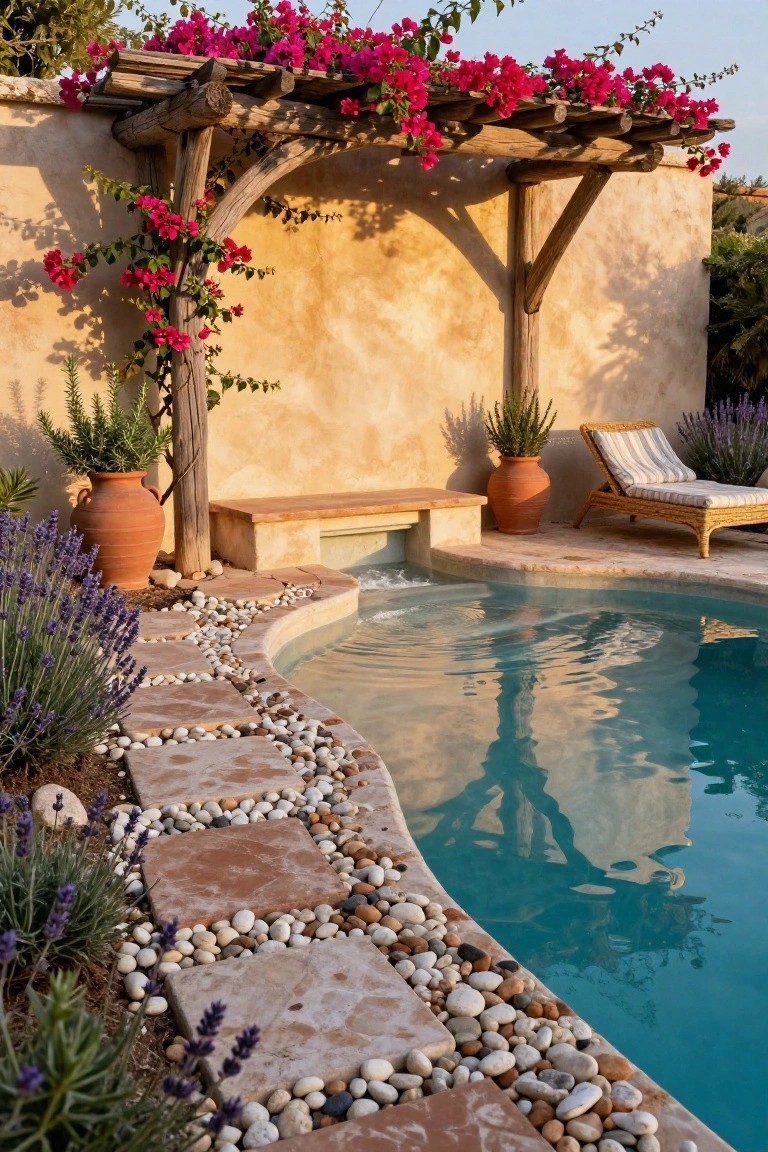
One simple way to add natural texture to a pool area is filling gaps between stone pavers with smooth pebbles. Here, the curved border follows the pool’s shape nicely, with white and gray pebbles tucked between larger tan stones. It keeps things from looking too stark, and the mix feels right at home with nearby lavender and terracotta pots.
This works best on contoured pools where straight lines might feel off. Use it in warmer climates with low-water plants, like along a Mediterranean-style patio. Just pick pebbles that won’t shift too much, and top them off now and then. Fits older homes wanting that casual yard vibe.
Hot Tub Edged in Black Pebbles
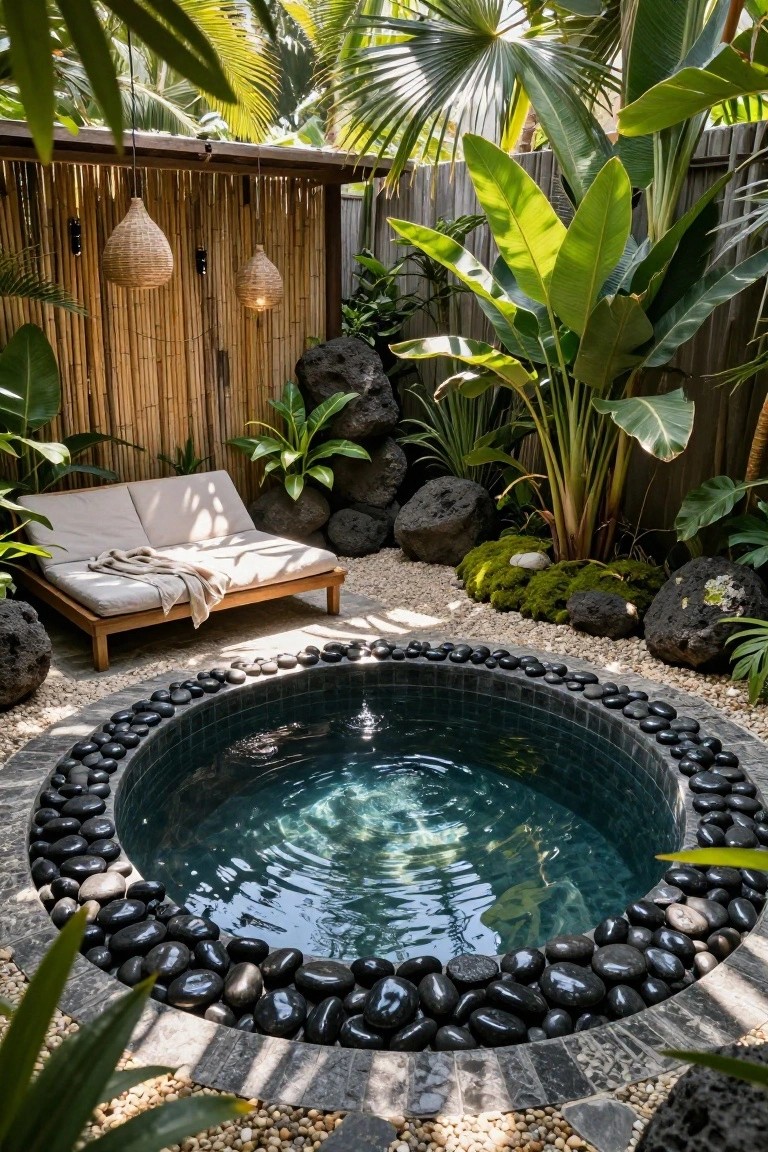
Smooth black pebbles ringing a round hot tub make the water feel like part of the garden. The dark stones pick up on the pool tiles and mix right in with nearby lava rocks. It keeps things simple and natural. No sharp lines here. Just easy texture that pulls your eye around without trying too hard.
This works best in a tucked-away spot with some plants for shade. Think small patios or backyard corners where you want low upkeep. Grab pebbles from a local supplier, layer them a couple inches deep around the edge. Skip it if your yard floods easy, though. Pebbles shift. Add a daybed nearby and you’ve got a spot to unwind.
Recommended Products

INDUSTRIAL-STRENGTH VINYL ADHESIVE FOR TOUGH CONDITIONS: HH-66 is the original, professional grade vinyl adhesive. It bonds in temperatures from 35 °F to 95 °F (2 °C to 35 °C) and can even be applied underwater. Once cured, this waterproof adhesive remains flexible and serviceable from -30 °F to 150 °F (-34 °C to 66 °C), helping prevent cracking and brittle seams over time.
Poolside Paths with Pebbles and Stone Slabs
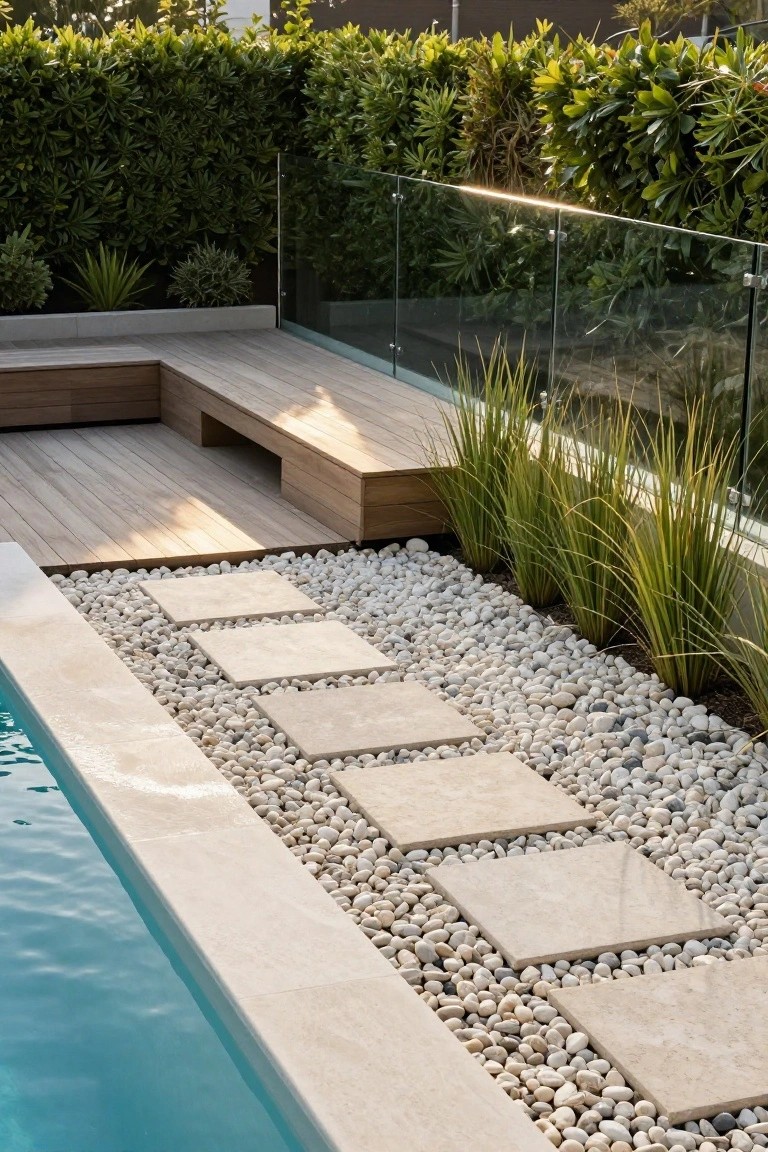
One straightforward way to handle the walk to your pool is filling the ground with white pebbles and setting large square stone slabs right into them as steps. It keeps things simple and natural looking. The pebbles give a soft, beach-like texture that fits right along the pool edge without needing grass or mulch that might get messy when wet.
This works well in sunny spots around modern or midcentury homes where you want low upkeep. Just make sure the slabs are level and stable so no one trips. Layer the pebbles a couple inches deep for good drainage, and it stays looking clean year round.
Raked Gravel Waves Around the Pool
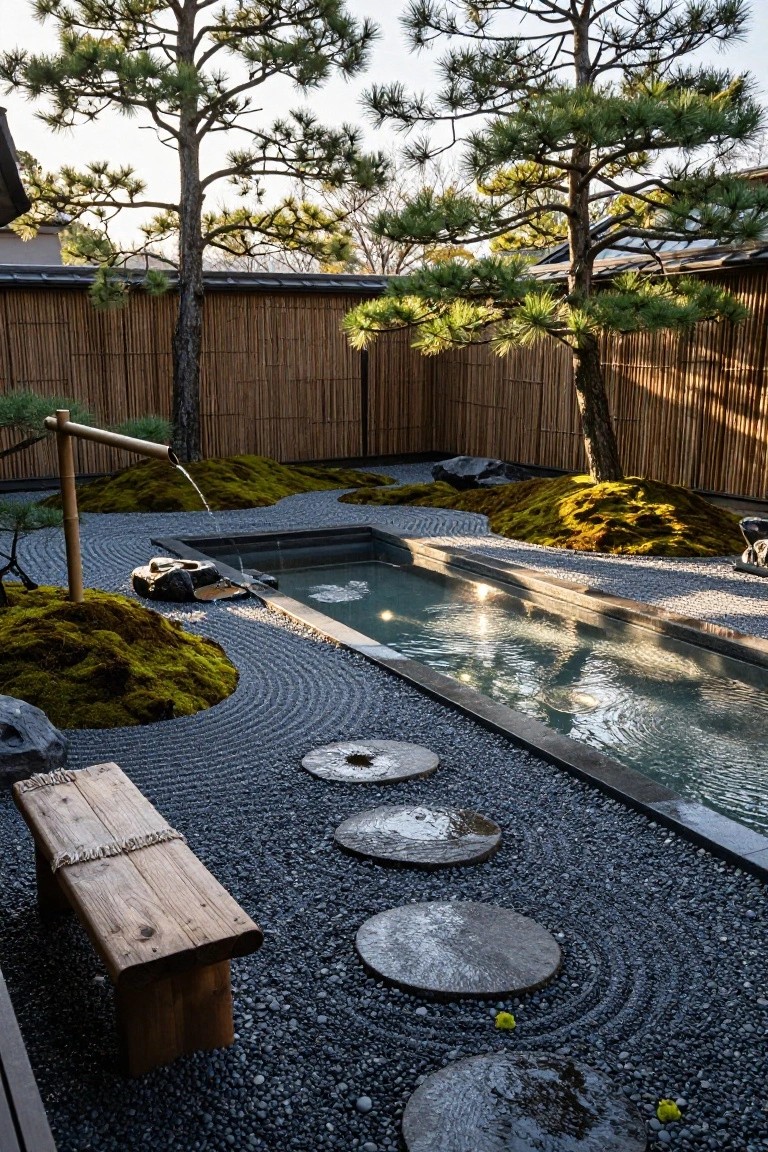
Dark gravel raked into soft, flowing waves makes a simple backdrop for this narrow pool. It pulls in that natural texture without a lot of plants or color. The moss mounds and a few rocks break up the gravel nicely, keeping things calm and easy on the eyes.
Try this in a side yard or courtyard where space is tight. It suits modern or minimalist homes, especially with a reflective pool surface to mirror the patterns. Go for pea gravel size to rake easier, and add flat stones for walking paths. Skip it if your area gets heavy foot traffic.
Poolside Pebble Edging
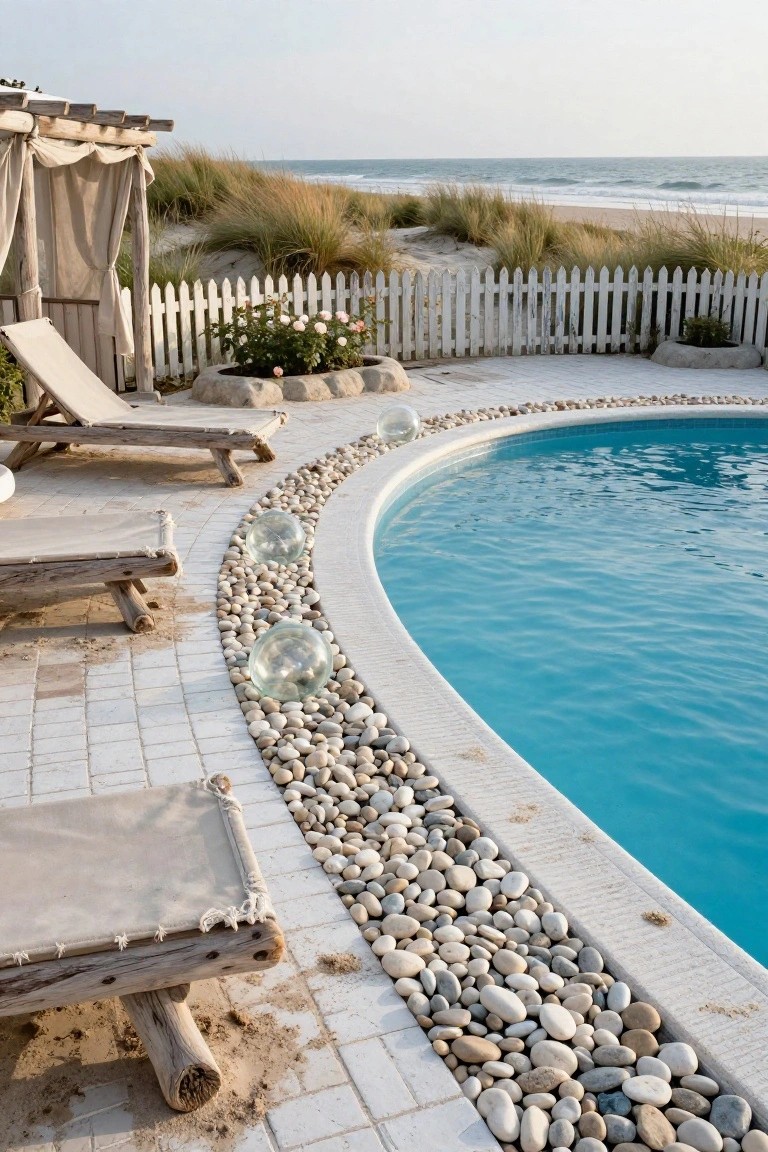
Smooth pebbles laid along the pool edge bring in a bit of nature right where you need it most. They soften the hard lines of the tile and concrete, making the whole area feel more connected to the beach just beyond the fence. Those larger glass orbs tucked in add a subtle sparkle without overdoing it.
This kind of edging suits casual coastal backyards or any spot aiming for low-key relaxation. Go with rounded stones in light tones to keep things bright and easy to rake clean now and then. It holds up well around curved pools like this one, and pairs nicely with simple wood loungers nearby.
Natural Pebble Borders Around Pools
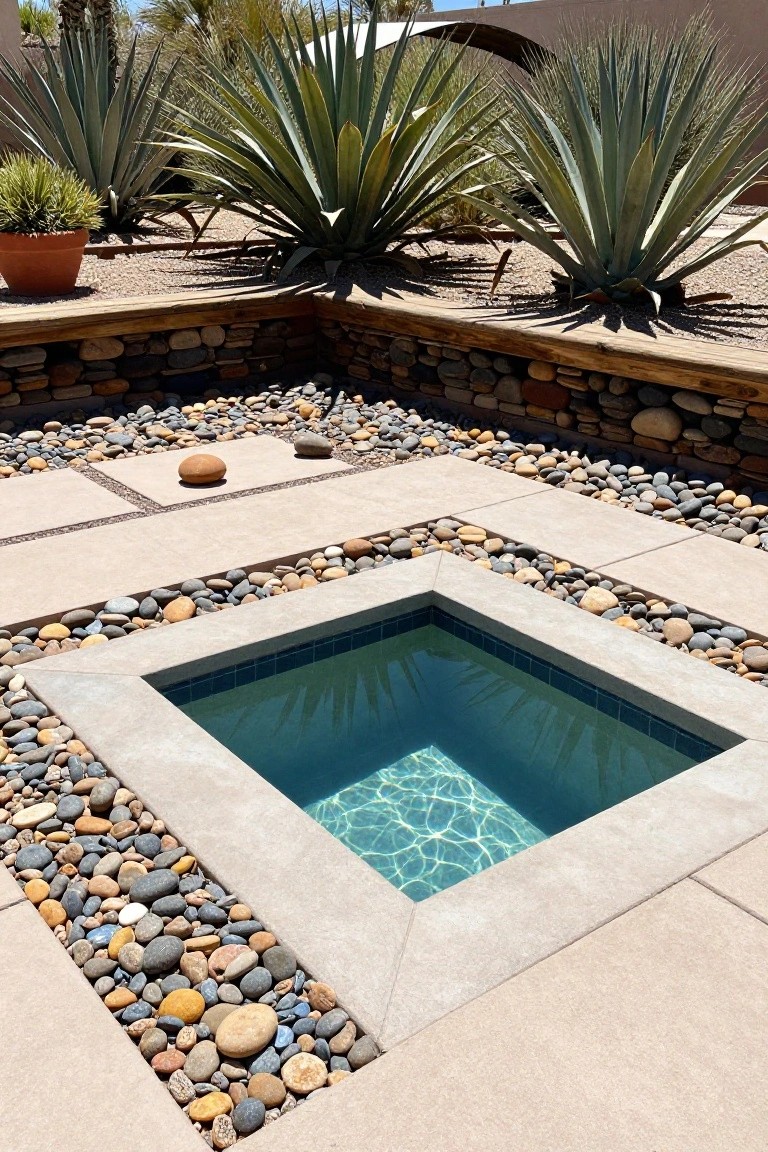
One straightforward way to add texture to a pool area is to border it with pebbles and small rocks. Here you see a square sunken pool edged in smooth, multicolored stones that mix blues, oranges, and grays. That simple layer right against the deck keeps water splashes contained without grout lines or sharp edges. It blends right into the desert plants like those big agaves nearby, making the whole spot feel more like part of the yard.
This works best in dry climates where you want low upkeep. Just fill the shallow trenches around your pool deck with washed river rocks, maybe add a few bigger boulders for scale. Skip it if you have heavy foot traffic, though. The stones can shift over time unless you set them in sand or light mortar. Suits modern or southwest-style homes nicely.
Pebbles and Stone Steps to the Water
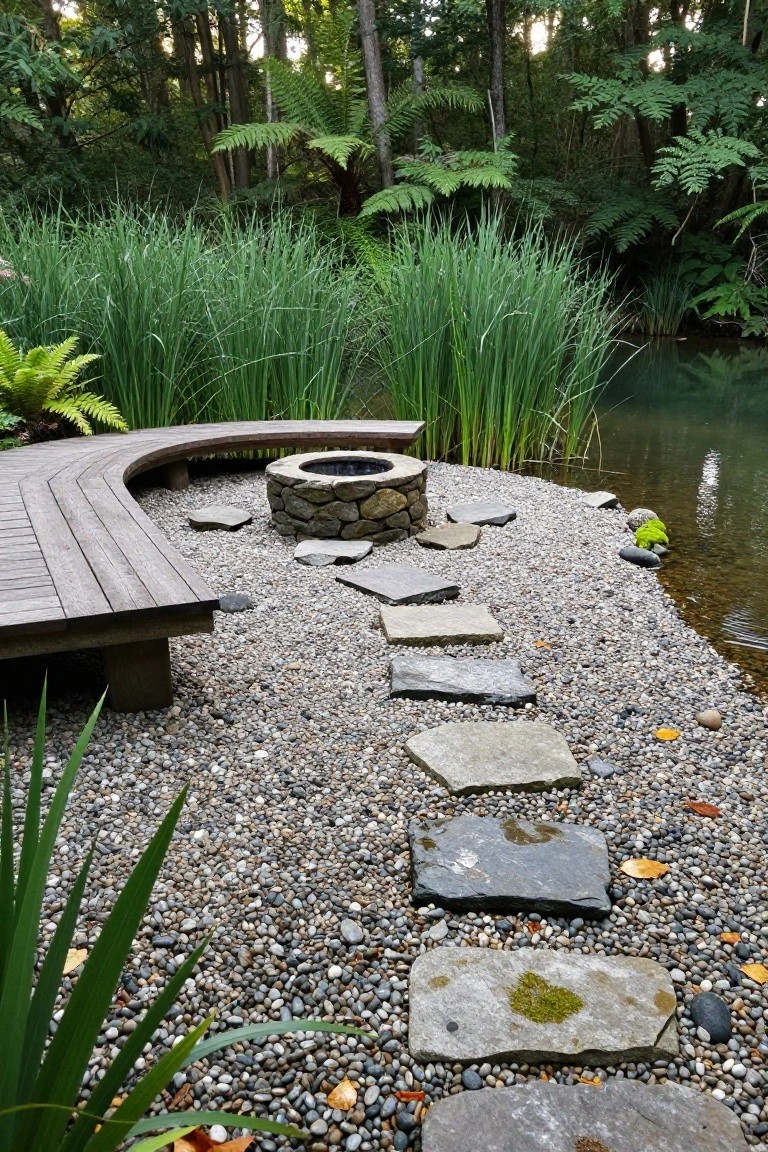
One easy way to handle the ground around a pool or pond is to spread pebbles thick and set flat stones as steps right into them. Like here with the path leading past the fire pit to the water edge. The pebbles fill every gap, giving a soft beach feel without the mess of sand, and the rough stones add grip and interest. It ties right into the reeds and ferns without looking forced.
This works best in spots with some slope or wet areas, keeping things clean and walkable. Try it along pool sides or backyard water features on homes with a woodsy vibe. Go for rounded pebbles in grays and a mix of stone sizes for that natural flow… just level the stones well or folks might slip.
Pebble Surrounds Around Small Pools
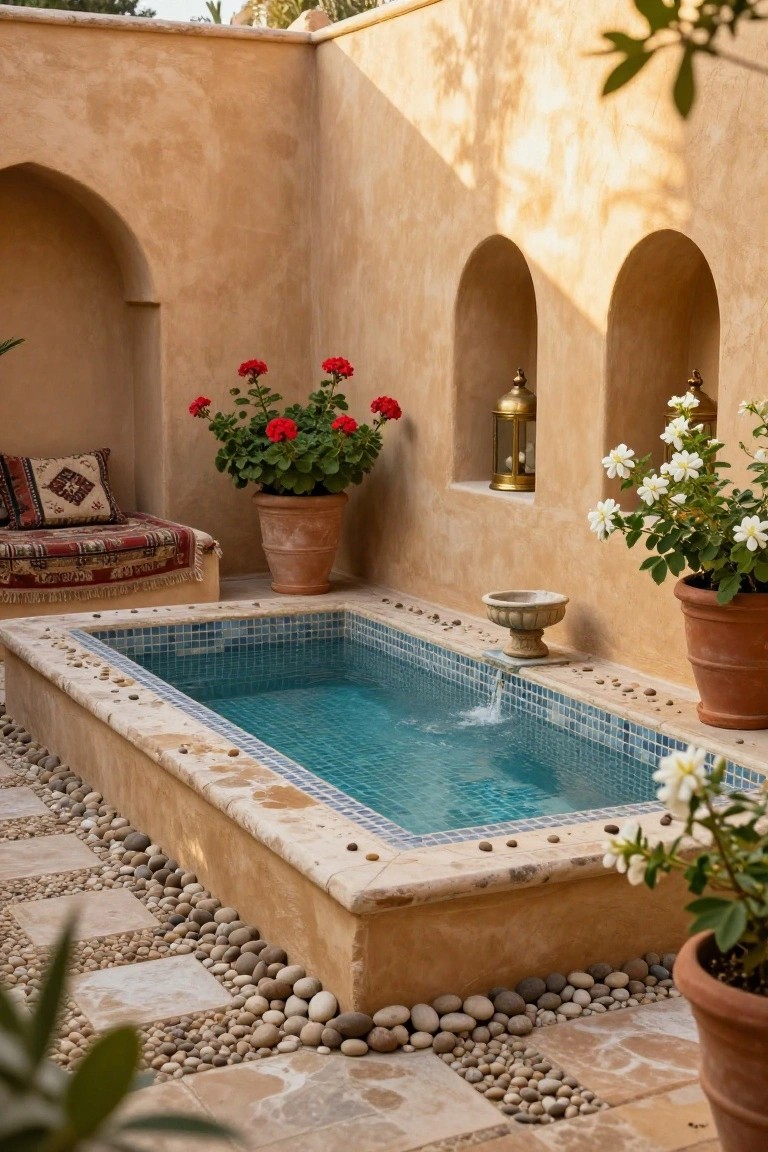
Smooth pebbles packed around the base of a pool like this one create a clean, natural border that ties into the stone edges without any fussy planting. They add subtle texture and movement, especially when sunlight hits them, and keep things looking tidy even in a casual courtyard spot.
This works best for compact plunge pools in walled patios or Mediterranean-style yards where drainage matters. Pair them with terracotta pots nearby for some color, and go for rounded river rocks to avoid sharp edges underfoot. Skip it if you have heavy foot traffic, though… they can shift a bit.
Pool Edging with Mixed Pebbles
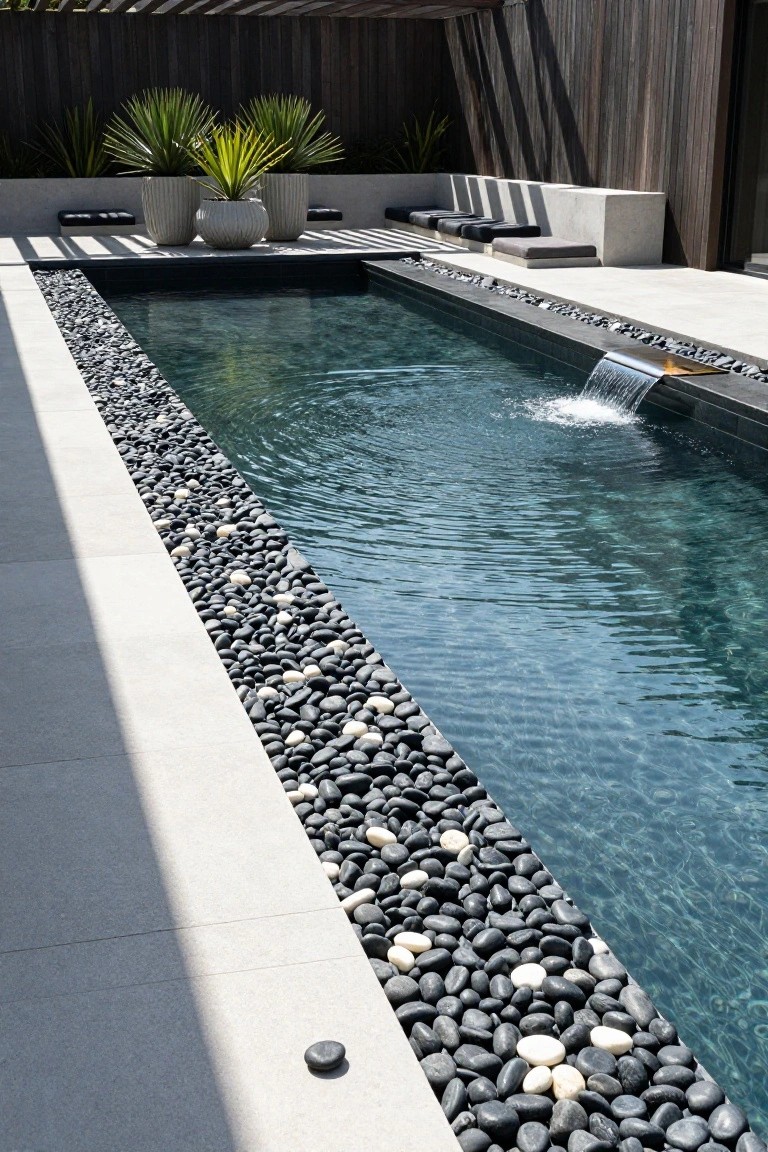
A narrow lap pool like this one gets a nice touch from pebbles lining both edges. The black and white stones mix together casually, giving some natural texture to the smooth water and dark coping. It keeps the look clean but not too stark, and that small waterfall at the end ties in without stealing the show.
This edging works best in modern backyards or tight spaces where you want low upkeep. Just pile the pebbles a foot or so wide along the pool sides, over a gravel base for good drainage. It suits concrete surrounds and simple plantings nearby… avoids muddy edges after rain.
Pebble Mosaic Pool Border
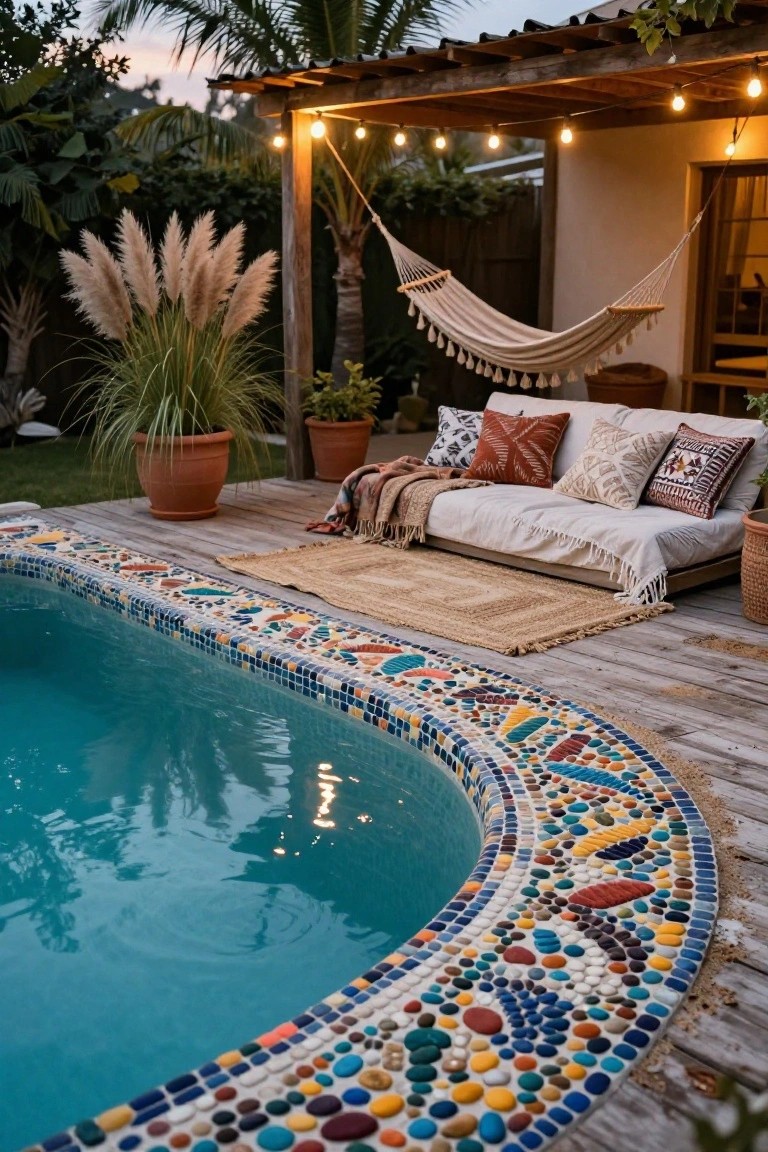
A simple way to add natural texture to your pool area is with a mosaic border made from small, colorful pebble-like tiles. This edge wraps right around the water, giving it a handmade feel that ties into the surrounding deck and plants. The varied shapes and tones make it lively but still serene, especially against clear blue water.
You can use this on curved pools or straight ones, in backyards with a boho vibe or more casual setups. Stick to earthy colors like blues, yellows, and reds for that organic look. Just make sure the tiles are pool-safe and grouted well… it holds up to splashes and feet traffic without losing its charm.
Black and White Pebbles Line the Pool Edge
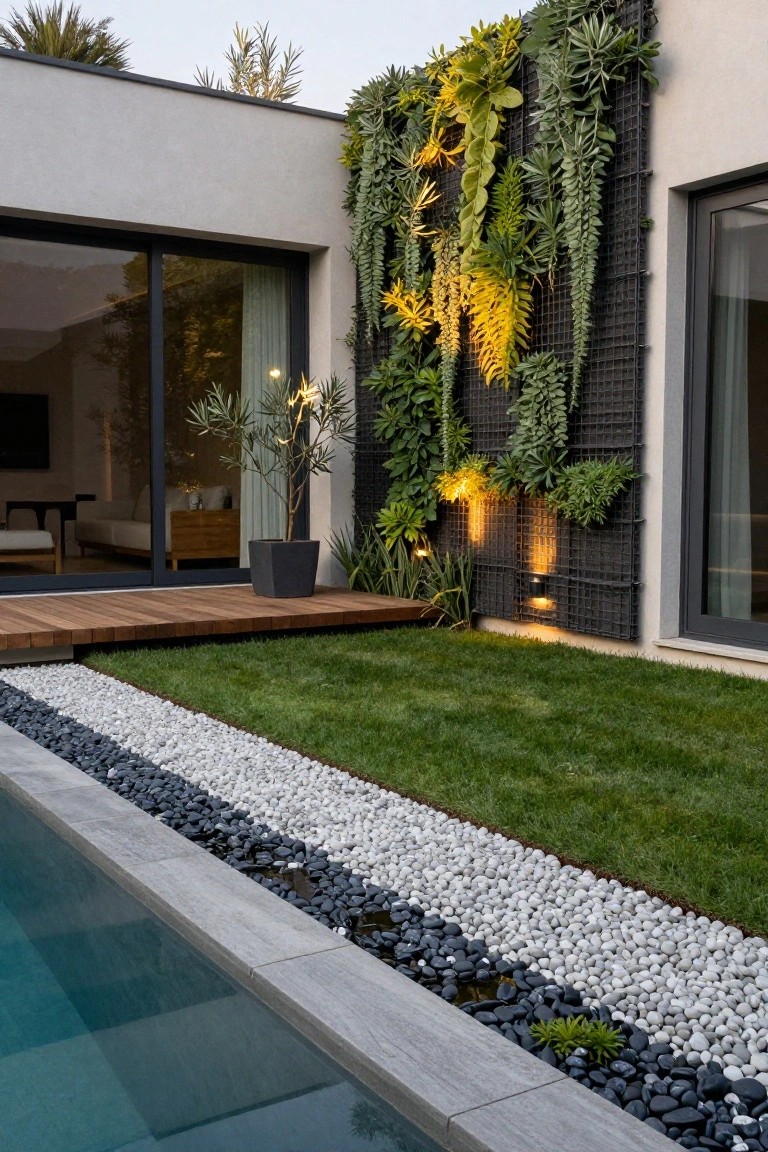
One easy way to give a pool area more interest is to run a band of pebbles right along the edge. Here black and white stones create a clean divide between the water and the grass lawn. It keeps things neat without looking too fussy and adds that natural texture folks are after in outdoor spaces.
This works best in modern yards or anywhere you want low upkeep around the pool. Just lay down some landscape fabric first then add the pebbles in a simple pattern. Skip it if your pool gets heavy foot traffic though. It suits homes with straight lines like this one.
Pebbles Filling Gaps Around Pool Edges
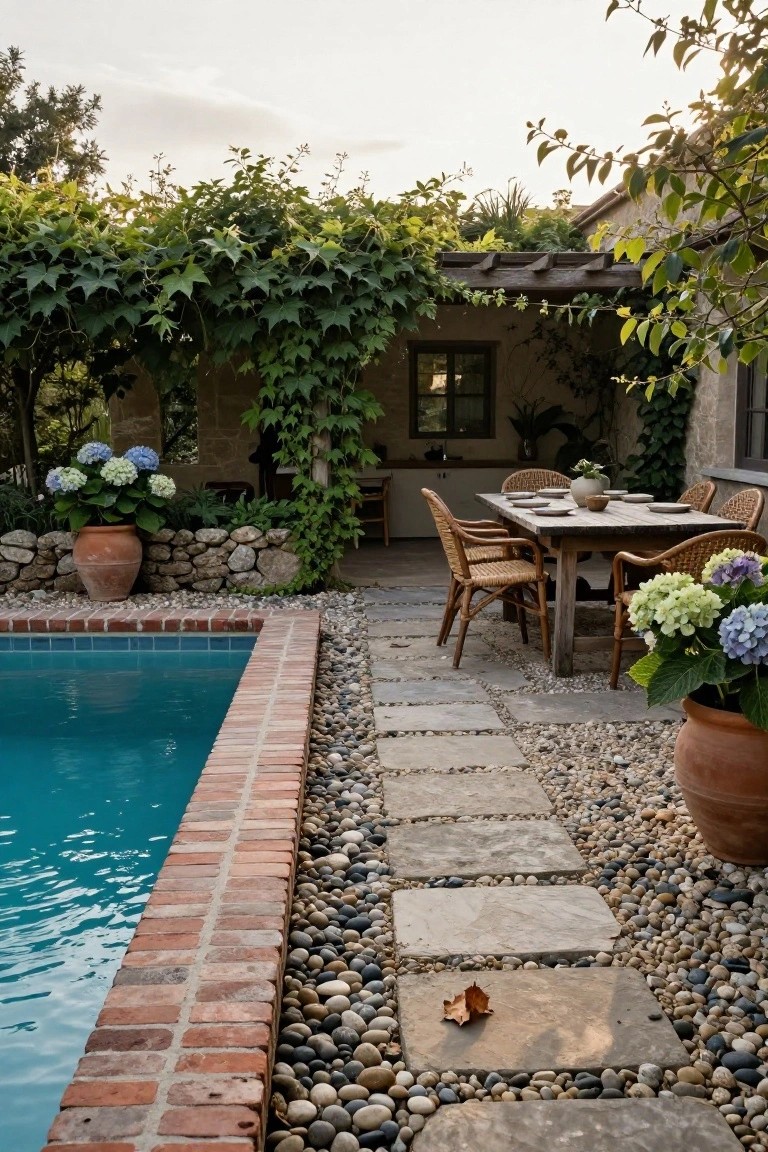
One straightforward way to add natural texture near a pool is filling the strip between brick coping and a stone walkway with pebbles. Here, smooth rounded stones in grays and blacks sit right up against the pool’s edge, where the brick overhangs just a bit. It keeps things from looking too hard-edged and gives a soft, beach-like feel without much upkeep.
This works best in backyards with simple lines, like next to a pergola or patio. Grab pebbles about the size of marbles, mix a couple colors for subtle interest, and edge them with something sturdy like brick to hold them in place. Skip it if you have heavy foot traffic, since they can shift a little over time.
Pebble Edges Around Small Pools
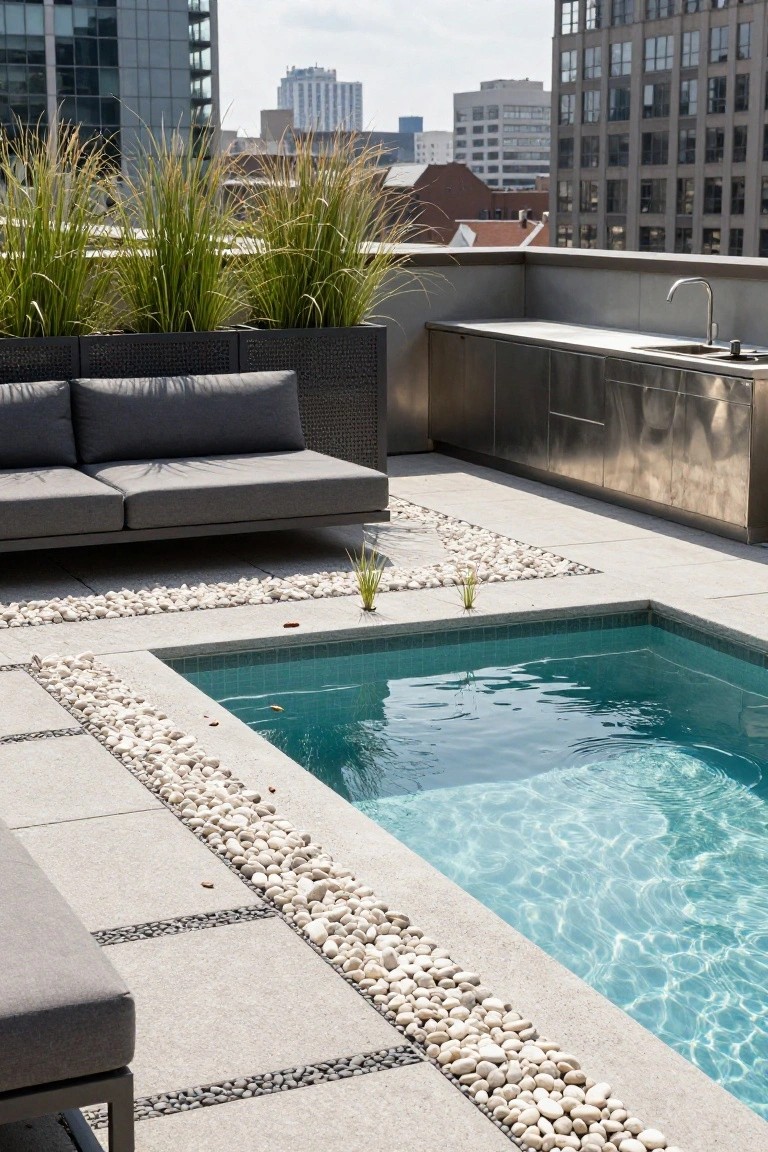
White pebbles lining the edge of this compact rooftop pool bring a soft, natural touch to the hard concrete deck. They add just enough texture to make the space feel grounded without overwhelming the clean lines. Paired with a few tall grasses nearby, it keeps things serene even with the city view in the background.
This works best on urban terraces or balconies where room is tight. Go for smooth, rounded pebbles to stay safe around water, and keep the border narrow, maybe 6 to 12 inches wide. It suits modern homes looking for low-maintenance calm… no fussy plants needed.
Pool Borders with Pebbles and Succulents
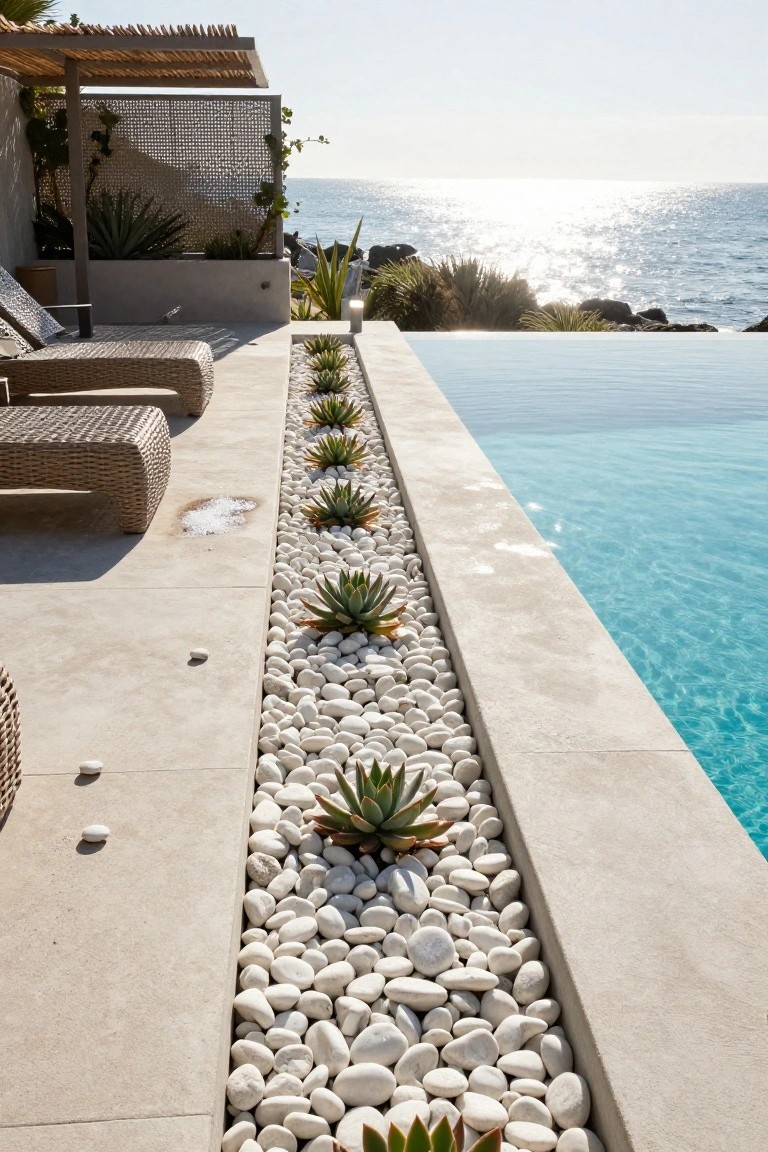
One easy way to edge a pool is with a narrow bed of white pebbles packed with tough succulents like agaves. It creates a clean line that separates the deck from the water, and the pebbles give off that soft, natural look without grass or mulch to fuss over. In this setup, the plants add just enough green height to feel planted, but stay low enough not to crowd the space.
This works best around infinity pools or sunny terraces where you want low upkeep. Pick plants that handle full sun and poor soil, then layer in the pebbles for drainage. Skip it if your area gets heavy rain… water can shift things around. Suits modern coastal homes pretty well.
Black Pebbles Edge the Pool
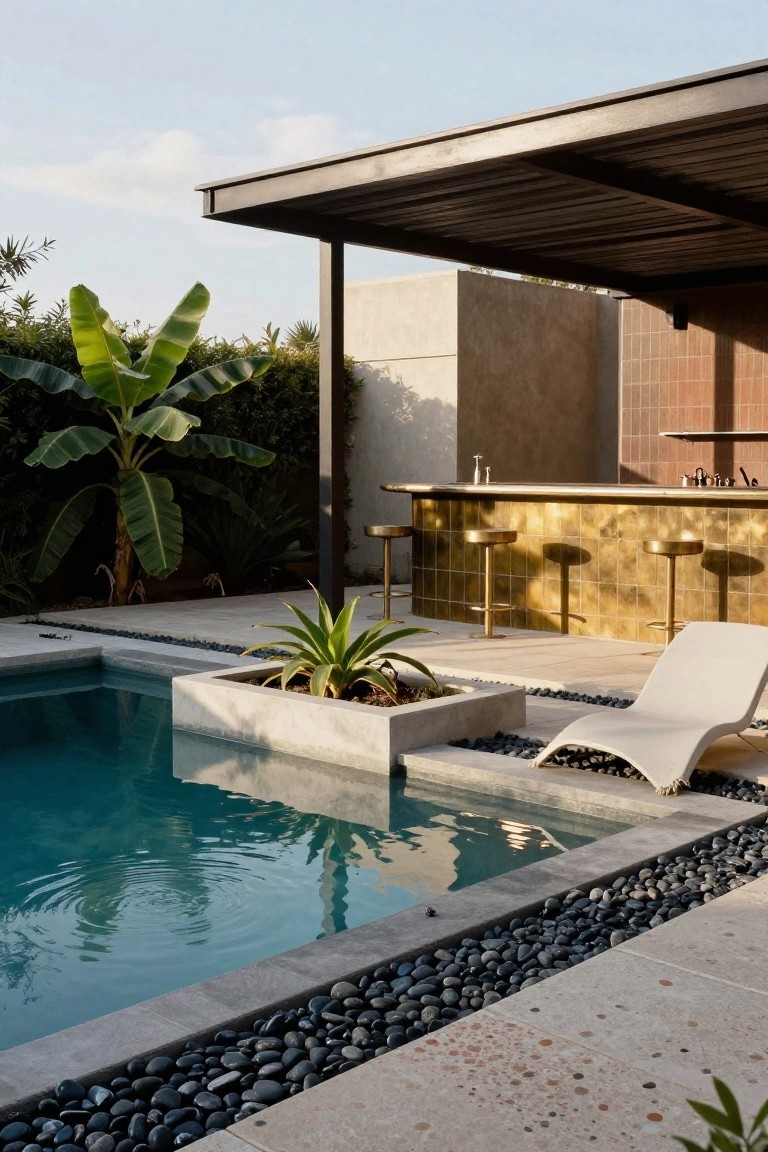
One straightforward way to add natural texture around a pool is lining the edge with black pebbles. They sit right up against the concrete deck, creating a soft break from all the hard surfaces. The dark stones catch the light and contrast nicely with turquoise water, without overpowering the space.
This works best in sunny yards where you want low upkeep. Grab smooth river rocks and set them into a shallow trench along the pool coping. It suits modern setups or tropical gardens. Just keep them contained so they don’t wander into the pool.
Pebble Edges Around Small Pools
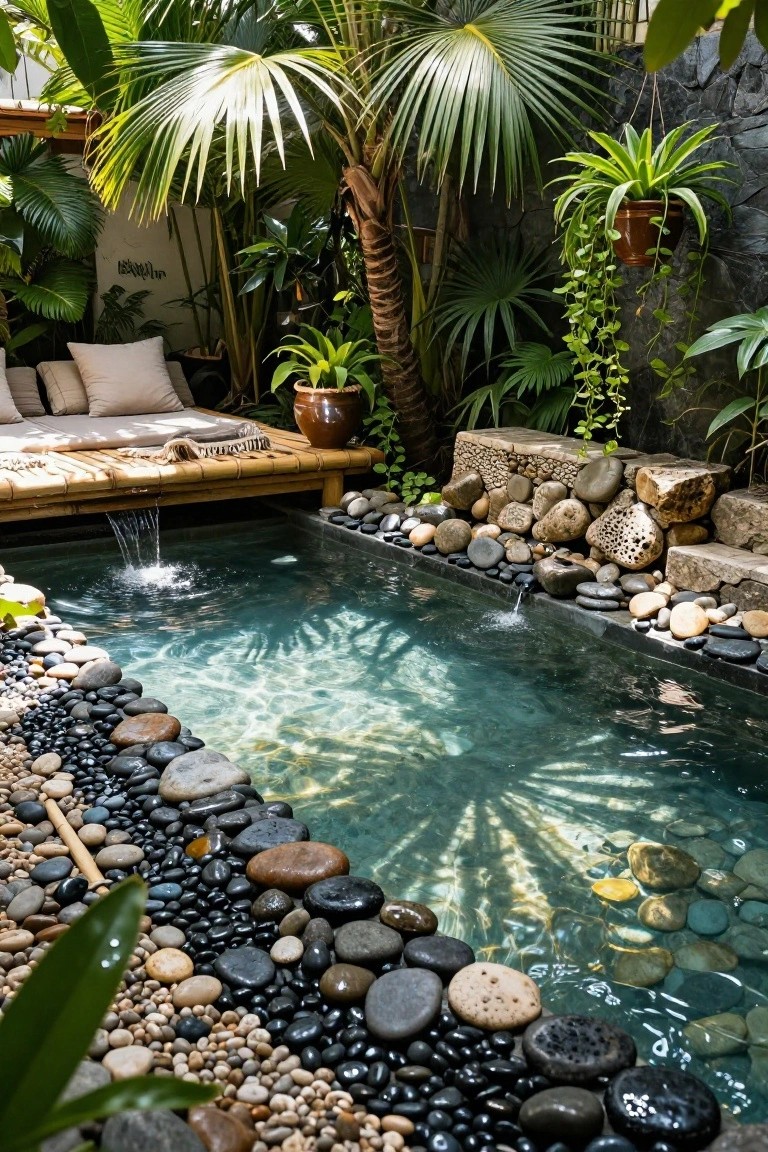
A mix of smooth black pebbles, colorful stones, and larger rocks lines this compact pool, giving the water a soft, natural frame that pulls in the surrounding tropical plants. It adds that riverbed texture without much upkeep, making the whole spot feel like an easy extension of the garden.
Try this in tight courtyards or backyards where space is short. Layer different pebble sizes along the edge for depth, and keep plants close by to soften it. Works best in warmer spots… just rinse the stones now and then to stay fresh.
Pebble-Embedded Pool Coping
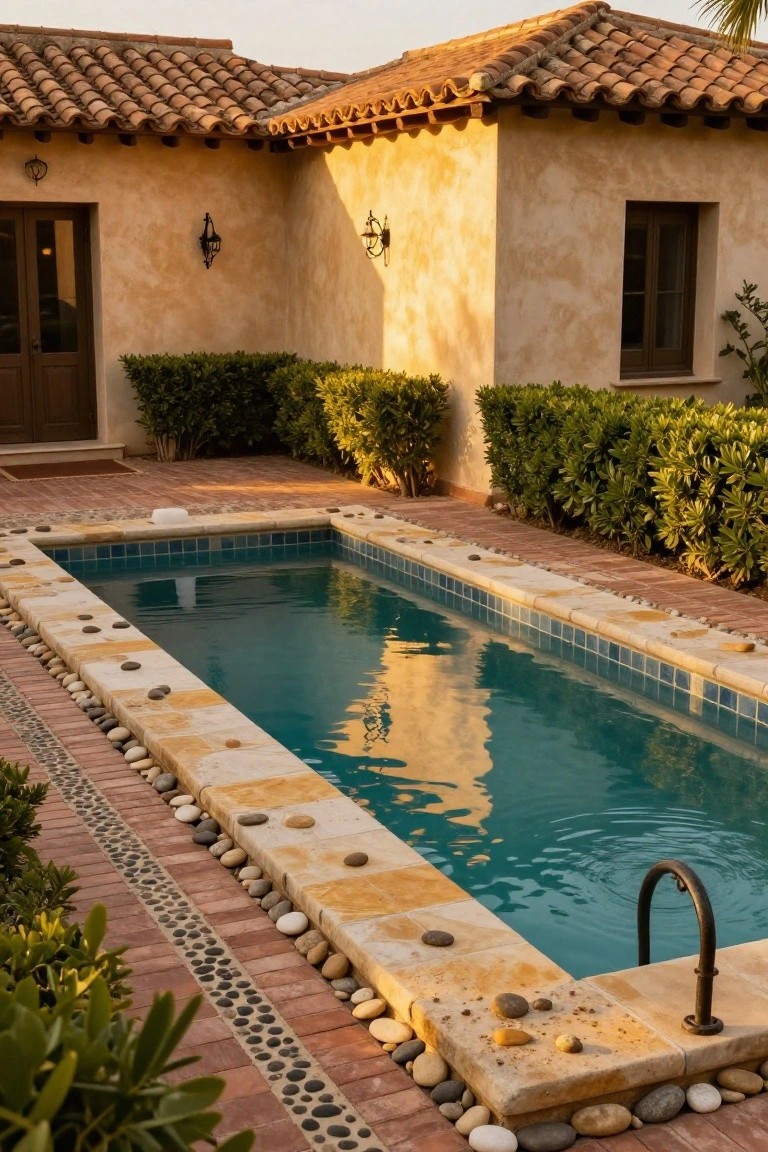
One straightforward way to give a pool a more natural look is to set pebbles right into the coping stones around the edge. Here, smooth stones are pressed into the beige limestone rim, mixing with turquoise tiles below. It breaks up the hard lines of the pool and ties into the nearby paths without much effort.
This works well for narrow lap pools in cozy yards, especially next to a simple house wall like this stucco one. Pick river pebbles in earth tones to match your stone, and set them sparingly so they don’t slip underfoot. Avoid overdoing it on high-traffic spots… just enough for that textured feel.
Pool Edging with Pebbles and Grasses
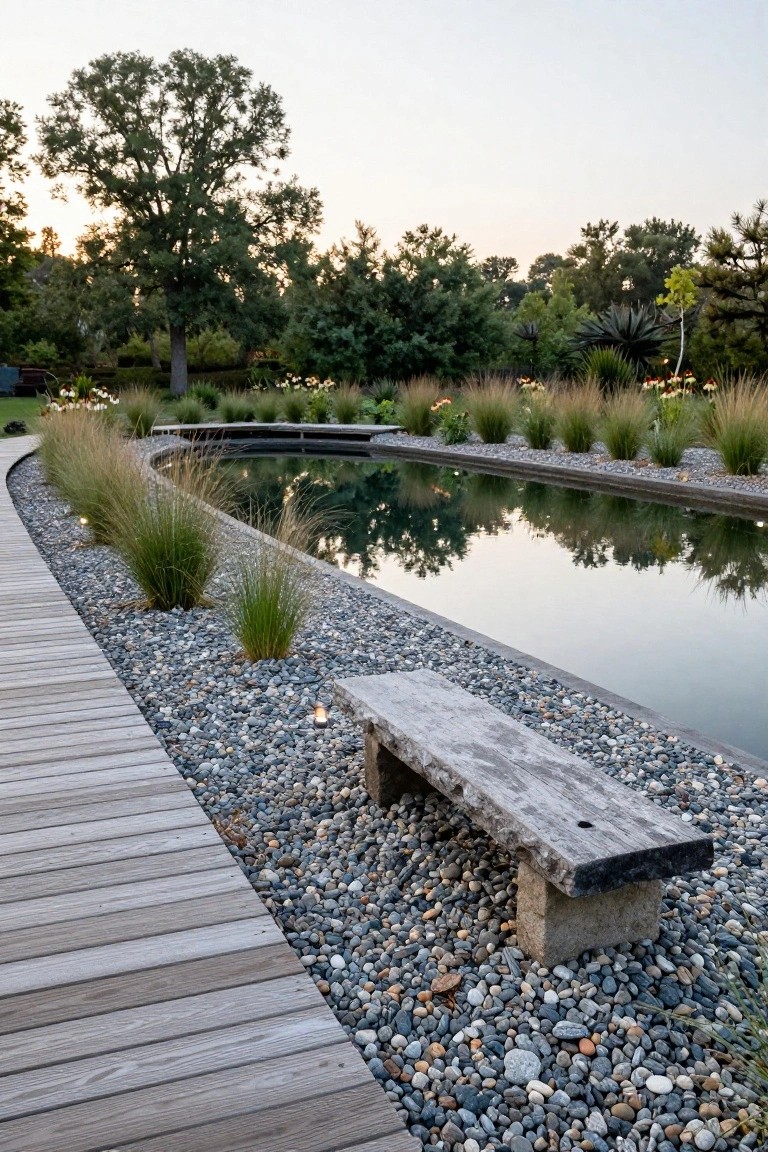
One simple way to landscape around a pool is to edge it with smooth pebbles and tall ornamental grasses. The pebbles form a clean border that handles water splash without mud, while the grasses add movement and soften the hard lines. That weathered bench and wooden walkway nearby keep things practical for sitting or strolling.
This works best in yards with a natural vibe, like ones backed by trees. Go for mixed-size pebbles in grays and whites, and grasses that sway in the breeze but stay tidy. Skip it if your pool gets heavy foot traffic, since pebbles shift under too much wear.
Pebble Edging for Small Pools
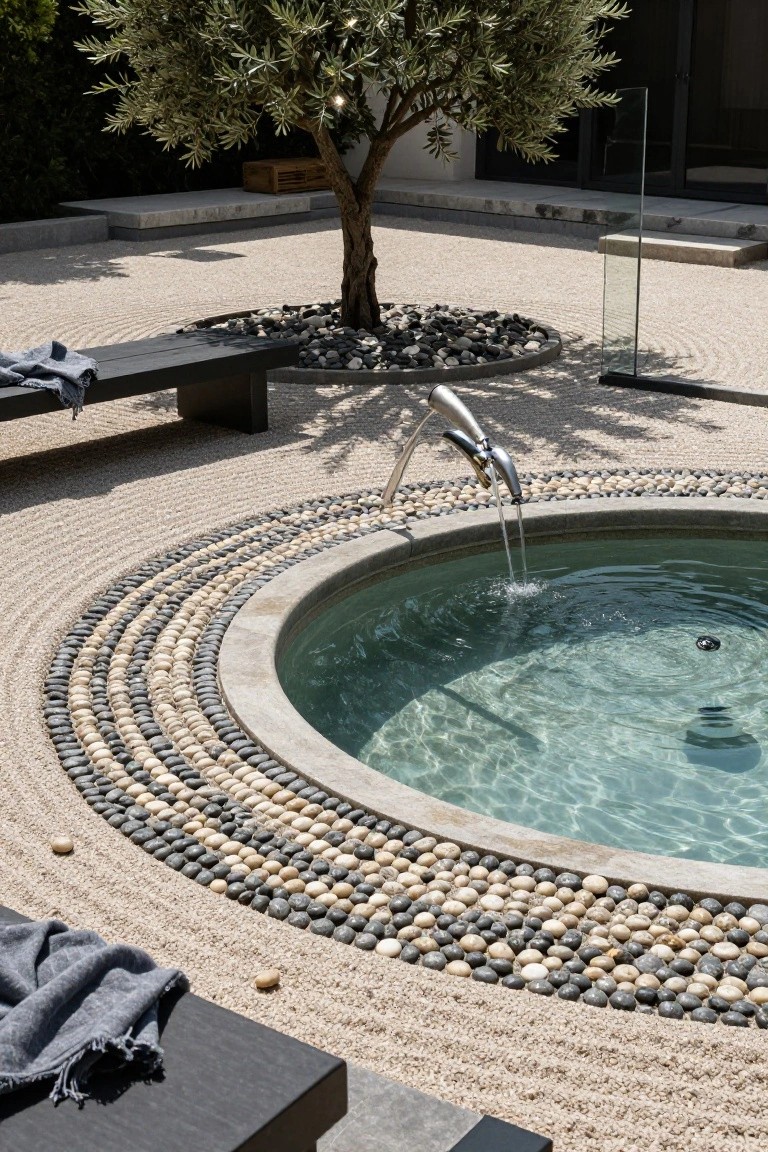
A simple ring of pebbles around a small round pool adds real texture without overdoing it. Here the light and dark stones mix into a mosaic that edges the stone rim just right. It ties into the surrounding gravel garden and keeps everything looking natural and settled.
This works best in a courtyard or backyard nook where you want low-key relaxation. Grab river pebbles in a couple sizes, layer them along the pool base, and rake nearby sand for that extra calm. Suits modern homes or any spot needing a quiet water feature… just keep the pool size modest so the stones don’t overwhelm.
Frequently Asked Questions
Q: What size pebbles work best around a pool to avoid a messy shift? A: Grab pebbles around one to two inches across. They settle nicely and won’t scatter underfoot. Tuck landscape fabric underneath first to keep them stable.
Q: Do pebbles get too hot for bare feet in the summer sun?
A: Lighter shades like white or beige bounce back heat better than dark ones. Rinse them down in the afternoon if temps climb high. And they cool off fast once shade hits.
Q: How do I keep weeds from sneaking through the pebbles?
A: Roll out heavy-duty landscape fabric before you spread the pebbles. Pile on at least three inches deep to starve out the light weeds crave. Pull any stragglers by hand right away.
Q: Can I mix pebbles with plants for more poolside color?
A: Tuck in drought-tough succulents or low grasses between pebble zones. They root right into the edges without much fuss. Water sparingly so roots don’t wash pebbles away.