Are you tired of dealing with a murky inflatable pool? You’re not alone. Many people love the idea of having a fun, refreshing spot in their yard, but keeping it clean can feel like a daunting task, especially without a pump.
The good news is that you don’t need fancy equipment to maintain crystal-clear water. With a few simple techniques and some everyday items, you can keep your pool inviting and enjoyable all summer long. In this article, you’ll discover practical tips that make pool maintenance easy and effective, so you can spend less time cleaning and more time splashing around.
Key Takeaways
- Regular Maintenance is Essential: Keeping your inflatable pool clean safeguards your health and prolongs the pool’s lifespan by preventing the growth of harmful bacteria and algae.
- Daily and Weekly Cleaning Routines: Establish a routine that includes daily skimming of debris and weekly scrubbing of walls and floors to maintain clarity and cleanliness in the water.
- Utilize Manual Cleaning Tools: Equip yourself with a skimmer net, pool brush, sponge, and broom to effectively clean the pool without a pump, ensuring easy removal of debris and dirt.
- Monitor Water Chemistry: Test and balance chlorine and pH levels regularly to maintain a healthy swimming environment and prevent algae growth.
- Implement Preventative Measures: Use chlorine tablets and algaecide consistently, along with regular water changes, to enhance water quality and reduce cleaning frequency.
- Simplify with Smart Strategies: Combine effective cleaning techniques and the right supplies to make maintaining your inflatable pool manageable and enjoyable all summer long.
Understanding Inflatable Pool Maintenance
Maintaining cleanliness in your inflatable pool is crucial for a pleasant swimming experience. Regular upkeep prevents water from getting murky and reduces the risk of health issues.
Importance of Keeping Your Pool Clean
Keeping your inflatable pool clean protects both your health and the longevity of the pool. Clean water prevents the growth of harmful bacteria and algae. It also maintains water clarity, making swimming enjoyable. Consistent cleaning enhances chemical balance, improving both the safety and comfort of your swimming experience.
Common Challenges Without a Pump
Without a pump, you face unique challenges when maintaining your inflatable pool. These include:
- Debris Accumulation: Leaves, dirt, and insects easily end up in the pool.
- Water Clarity Issues: Without circulation, the water can quickly become murky.
- Chemical Imbalance: Achieving the correct pH and chlorine levels proves difficult without filtration.
- Manual Cleaning Efforts: You’ll rely more on manual cleaning methods, which can be time-consuming.
Addressing these challenges requires consistent effort and smart strategies to ensure your pool stays clean and safe for enjoyment.
Essential Tools and Supplies
Keeping your inflatable pool clean without a pump involves having the right tools and supplies. These essentials simplify the cleaning process and help maintain water quality.
Recommended Products

Enjoy a Clean Pool: An ideal daily-use swimming pool leaf skimmer pool net for fast, easy, and efficient cleanup of leaves and fine debris from pools, spas, ponds, and kids' pools. An excellent long-lasting net with a little bit of flex for easier maneuvering.

Enjoy a Clean Pool: Ideal daily use hand-held 26" long leaf skimmer pool net that provides fast, easy, and efficient cleanup of leaves and debris in spas, hot tubs, ponds, small swimming pools, or an inflatable kid, kiddie pools.

Handy Skimmer Net: Our pool skimmer net is compact and easy to handle making it the perfect tool for quick and efficient debris pick up. Whether you need to skim leaves, bugs, or other floating debris, this net is designed to get the job done swiftly
Manual Cleaning Equipment
- Skimmer Net: Use a skimmer net with a long handle to remove debris like leaves and bugs from the water’s surface. Sweep regularly, especially after windy days.
- Pool Brush: A pool brush helps scrub the sides and bottom of your inflatable pool. Choose a brush with soft bristles to prevent damage. Do this at least once a week.
- Sponge: Keep a sponge handy for removing dirt and grime from the pool walls. This small tool is effective for spot cleaning.
- Broom and Dustpan: Use a broom to clean the surrounding area of the pool. This reduces the amount of debris blown into the water.
- Chlorine Tablets: Chlorine tablets maintain safe water levels by killing harmful bacteria. Place them in a floating chlorine dispenser for even distribution. Aim for a chlorine level of 1-3 parts per million (ppm).
- pH Testing Strips: Test the water’s pH regularly, aiming for a range of 7.2-7.8. Use pH testing strips for quick results. Adjust pH levels using pH increaser or decreaser as needed.
- Algaecide: Apply an algaecide weekly to prevent algae growth. Follow the product instructions for dosage based on your pool size.
- Shock Treatments: Use shock treatments periodically, especially after heavy use. This boosts chlorine levels and helps clear cloudy water. Follow the package directions for timing and dosage.
Effective Cleaning Techniques
Keeping your inflatable pool clean without a pump requires some practical techniques. Use these methods to maintain a clear and inviting swimming area.
Recommended Products
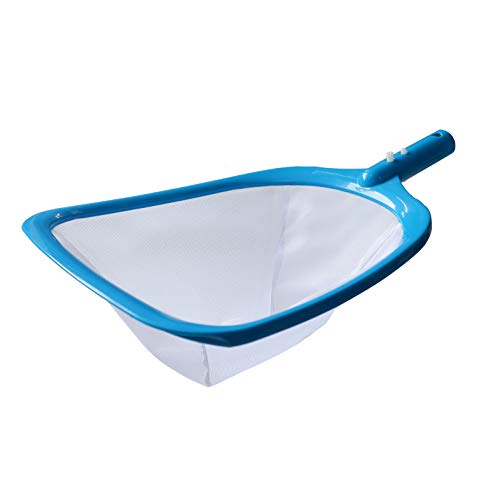
Ultra Fine Mesh netting to collect pollen, leaves, and debris to help prevent dirt from entering your filter system.

Lightweight leaf skimmer pool net with a hand-held pole a durable ultra-fine nylon mesh netting.

【Pool Skimmer Net - Upgraded Materials】 Our skimmer net features a meticulously crafted, upgraded structure. The durable, reinforced frame enhances the tool's lifespan, while the ultra-fine leaf rake net bag is made of high-quality, elastic nylon that resists deformation. Whether it's large leaves or fine debris, this pool net can easily scoop them up, providing a thorough pool cleaning.
Skimming Debris
Skim the surface daily. Use a skimmer net to remove leaves, twigs, and other debris. Make quick, shallow strokes across the water’s surface to catch floating objects. For stubborn debris, consider using a pool brush with a net attachment. This method not only keeps the water clean but also prevents debris from sinking and causing further issues.
Scrubbing the Pool Walls and Floor
Scrub the walls and floor weekly. A dedicated pool brush effectively removes dirt and algae buildup. Focus on the waterline and corners, where grime can accumulate. If your pool has a textured bottom, additional scrubbing might be necessary. After brushing, manually vacuum the pool with a handheld vacuum or use a sponge to wipe down surfaces. This process clarifies the water and enhances the overall appearance.
Managing Algae Growth
Prevent algae growth by checking chemical levels weekly. Use pH testing strips to ensure the water’s balance. Aim for a pH level between 7.2 and 7.8. If you notice green or cloudy water, add algaecide according to the product instructions. Superchlorinate the pool with shock treatments if significant algae growth occurs. Consistently monitoring water quality helps avoid algae blooms and keeps your pool inviting.
Preventative Measures
Maintaining a clean inflatable pool requires proactive steps. By implementing preventative measures, you can significantly reduce cleaning frequency and ensure a safe swimming environment.
Recommended Products
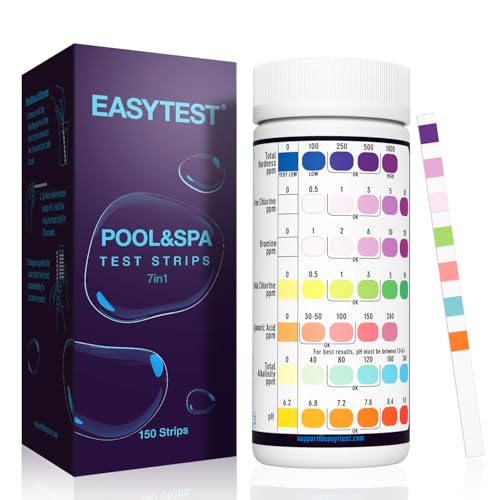
AFFORDABLE 150 STRIPS: This water chemical testing kit contains 150 test strips. Enough balanced for your swimming pool, hot tub, spa and other water testing. At least testing twice a week is recommended to keep your pool sparkling clean and safe.
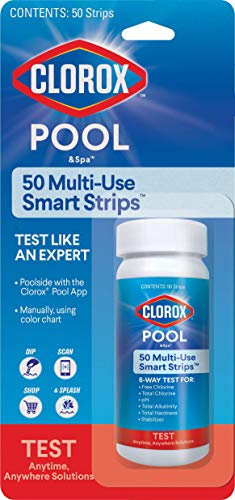
Test Like an Expert: Maintain perfectly balanced pool water with 6-Way Multi-Use Test Strips and the complimentary Clorox Pool app. The app gives do-it-yourself pool owners the tools to proudly and confidently maintain a swim-ready pool all season long.

LAB-TESTED FOR ACCURACY: Take the guesswork out of routine water checks with our lab-tested pool test strips. Compare the strip colors with the bottle chart to monitor water chemistry and help guide pool and spa maintenance.
Water Chemistry Balance
Balancing water chemistry keeps your pool clear and algae-free. Test the water’s pH levels regularly, aiming for a range between 7.2 and 7.8. Use pH testing strips for accurate readings.
Add chlorine tablets to maintain appropriate sanitizer levels, typically between 1-3 parts per million (ppm). Adjust with shock treatments whenever there’s heavy use or after a rainstorm, ensuring the chlorine level rises to 10 ppm for a short time to eliminate contaminants. Consider using algaecide weekly to prevent growth, especially in warm weather.
Regular Maintenance Schedule
Establish a consistent maintenance schedule. Skim debris daily with a skimmer net to remove leaves, insects, and dirt. Scrub the walls and floor of the pool weekly using a pool brush to eliminate algae and dirt buildup.
Replace the water every 1-2 weeks to maintain freshness, especially for smaller pools. Monitor water levels to keep them stable, as low water can lead to concentrated contaminants.
With these preventative measures, you’ll preserve water quality and reduce the need for extensive cleaning efforts.
Conclusion
Keeping your inflatable pool clean without a pump is totally doable with a bit of effort and the right tools. By staying on top of daily skimming and regular scrubbing you can enjoy clear water and a safe swimming space. Don’t forget to keep an eye on your water chemistry to prevent algae and other issues.
With a solid maintenance routine and some preventative measures you’ll find that your pool remains inviting and fun all summer long. Dive in and enjoy the refreshing experience of a well-kept inflatable pool!
Frequently Asked Questions
Why is cleanliness important for inflatable pools?
Cleanliness in inflatable pools is crucial to ensure a safe and enjoyable swimming experience. Regular cleaning prevents debris accumulation, maintains water clarity, and addresses chemical imbalances, reducing health risks associated with contaminated water.
What challenges are faced when cleaning inflatable pools without a pump?
Cleaning inflatable pools without a pump can lead to challenges like debris accumulation, murky water, and difficulty managing chemical imbalances. These issues can make it harder to maintain a safe swimming environment and may require more frequent cleaning efforts.
What essential tools are needed for manual cleaning?
Essential tools for manually cleaning inflatable pools include skimmer nets for debris removal, pool brushes for scrubbing, chlorine tablets for sanitation, pH testing strips to monitor water chemistry, algaecide to prevent algae growth, and shock treatments for water clarity.
How often should I clean my inflatable pool?
You should skim debris daily, scrub the pool walls and floor weekly, and regularly test chemical levels. Additionally, it’s important to replace the water periodically to keep the pool clean and inviting.
What preventative measures can I take for pool maintenance?
To maintain your inflatable pool, establish a regular maintenance schedule, monitor water chemistry consistently, and replace the water as needed. These measures will reduce cleaning frequency and help maintain a clear and safe swimming environment.