Have you just installed a pool and feel overwhelmed by the chemicals? You’re not alone. Many new pool owners find themselves puzzled about which chemicals to use to keep their water clean and safe.
Key Takeaways
- Key Pool Chemicals: Essential chemicals include chlorine for sanitation, pH balancers for acidity control, alkalinity increasers, calcium hardness, and stabilizers to protect chlorine from sunlight.
- Chlorine Maintenance: Regularly test chlorine levels to keep them between 1-3 ppm, essential for eliminating harmful bacteria and algae.
- pH Level Importance: Maintain a balanced pH between 7.2 and 7.8 to enhance comfort and chlorine effectiveness; use appropriate increasers and decreasers as needed.
- Regular Testing: Weekly testing of pool water is crucial for maintaining chemical balance and ensuring a safe swimming environment.
- Safety Precautions: Always wear protective gear when handling pool chemicals, store them properly, and never mix different chemicals to avoid dangerous reactions.
- Seasonal Adjustments: Adapt your chemical management practices according to seasonal changes, as warmer months necessitate more frequent adjustments due to increased evaporation and usage.
Understanding Pool Chemistry
Understanding pool chemistry involves recognizing key chemical components that maintain healthy water. You need to balance these elements for safe swimming.
Recommended Products

For Raising Total Alkalinity: The Alkalinity Increaser helps maintain balanced pH levels in your pool water. Proper alkalinity levels reduce the need for frequent maintenance, and our product's granulated formula is easy to apply and dissolves quickly.

Lowers High pH: Clorox Pool&Spa Swimming Pool pH Down is formulated to restore neutral pH in pool water. By decreasing pH levels, it helps restore water parameters to their ideal ranges, ensuring a balanced and healthy swimming environment.

Raises Low pH: Clorox Pool&Spa Swimming Pool pH Up is formulated to elevate the pH levels in swimming pool water. By increasing pH levels, it helps in restoring water parameters to their ideal ranges, ensuring a balanced and healthy swimming environment.
Key Pool Chemicals
- Chlorine
Chlorine sanitizes your pool. It kills harmful bacteria and algae. You can use granular, liquid, or tablet forms depending on your pool type. - pH Balancer
pH affects chlorine’s effectiveness. Aim for a pH level between 7.2 and 7.8. If your water is too acidic (low pH), add a pH increaser like sodium carbonate. For high pH levels, use a pH decreaser such as sodium bisulfate. - Alkalinity Adjuster
Total alkalinity stabilizes pH. It should be between 80 and 120 parts per million (ppm). Use sodium bicarbonate to increase alkalinity, or muriatic acid to decrease it if needed. - Calcium Hardness
Proper calcium levels prevent corrosive water and protects pool surfaces. Maintain calcium hardness between 200 and 400 ppm. Calcium chloride can elevate hardness levels. - Stabilizer
Stabilizer (cyanuric acid) shields chlorine from sun degradation. Keep its concentration between 30 and 50 ppm. Use a stabilizer product to increase this level.
Testing and Monitoring
Regular testing is vital for pool maintenance. Use a test kit or test strips weekly. This practice allows you to monitor chemical levels and make adjustments accordingly.
Troubleshooting Common Problems
- Cloudy Water: Check your chlorine levels and pH. Adjust these first.
- Algae Growth: Test for insufficient chlorine. Shock the pool with a higher dose of chlorine if necessary.
- Skin Irritation: If swimmers experience irritation, check for improperly balanced pH or chlorine levels.
- Automated Testing: Consider investing in a pool testing device for convenience.
- Chemical Safety: Always store chemicals in a cool, dry place and follow the manufacturer’s instructions.
- Adding Chemicals: Add chemicals at dusk or nighttime to prevent evaporation and ensure effectiveness.
Understanding these fundamental aspects of pool chemistry helps you maintain a safe and enjoyable swimming environment.
Essential Chemicals for Pool Start-Up
Starting up a pool requires careful attention to key chemicals that ensure water safety and clarity. Here’s a breakdown of the essential chemicals you need to begin your pool journey.
Recommended Products

Prolongs Chlorine Effectiveness: The Chlorine Stabilizer protects your pool's chlorine from the damaging effects of the sun's harsh UV rays, thereby making chlorine last much longer, allowing you to enjoy consistently clean and sanitized pool water.

LARGEST POOL TESTING STRIPS: Extra long strips with the largest pads and color chart for the clearest chemical readings. Every batch is lab tested to guarantee accuracy and quality

BENEFITS: Raise the total alkalinity level to ensure healthy swimming pool water and happy swimmers
Chlorine
Chlorine acts as the primary sanitizer for your pool. It eliminates bacteria, viruses, and algae, keeping your water clean and safe for swimming. The recommended level is typically between 1-3 parts per million (ppm). You can use liquid chlorine, chlorine tablets, or chlorine granules. Test chlorine levels regularly using a test kit to maintain proper sanitation.
pH Balancers
pH balancers maintain the water’s acidity, which is crucial for comfort and effective sanitation. A balanced pH level ranges from 7.2 to 7.8. Use pH increasers if the level drops below 7.2 and pH decreasers if it climbs above 7.8. Regularly testing and adjusting pH ensures swimmers enjoy comfortable water while enhancing chlorine effectiveness.
Alkalinity Increasers
Alkalinity increasers stabilize pH levels by acting as a buffer. Aim for total alkalinity between 80-120 ppm. Sodium bicarbonate (baking soda) serves as a common alkalinity increaser. Add it gradually, testing levels after each addition, to maintain balance and prevent pH fluctuations.
Stabilizers
Stabilizers, commonly cyanuric acid, protect chlorine from degradation caused by sunlight. A stabilizer level of 30-50 ppm is ideal. You can add stabilizer during the pool start-up process. This addition prolongs chlorine life, reducing the need for frequent chlorine dosing under sunny conditions.
Regularly testing and adjusting these essential chemicals sets a strong foundation for your pool’s health, ensuring an inviting environment for all swimmers.
Additional Considerations
Understanding factors beyond basic chemicals is vital for pool maintenance. Regular attention to various elements ensures water quality and pool longevity.
Recommended Products
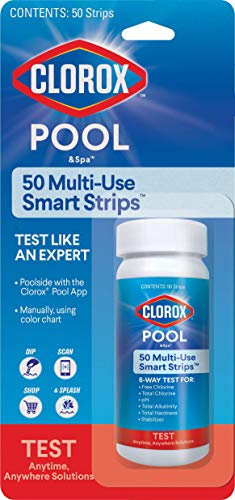
Test Like an Expert: Maintain perfectly balanced pool water with 6-Way Multi-Use Test Strips and the complimentary Clorox Pool app. The app gives do-it-yourself pool owners the tools to proudly and confidently maintain a swim-ready pool all season long.

Fresh, Accurate Pool Test Strips - AquaChek Yellow Chlorine 4-in-1 includes 50 precision test strips—perfect for a full season of reliable water testing for pools and spas that use chlorine. No expired extras, no bulky packs—just fresh, accurate results from AquaChek, the most trusted brand in pool and spa water testing.
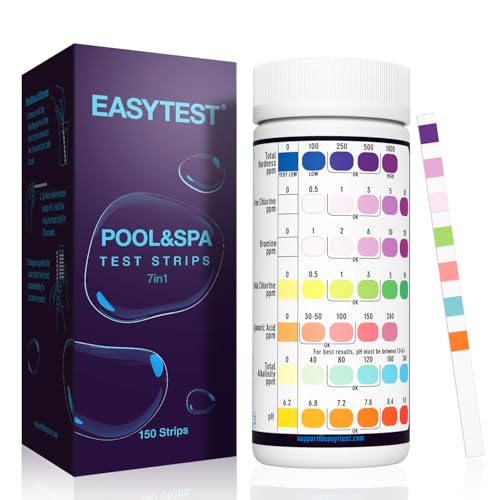
AFFORDABLE 150 STRIPS: This water chemical testing kit contains 150 test strips. Enough balanced for your swimming pool, hot tub, spa and other water testing. At least testing twice a week is recommended to keep your pool sparkling clean and safe.
Water Testing
Testing your pool water regularly keeps it balanced and safe. Use test strips or kits to measure chlorine levels, pH, and alkalinity. Aim for chlorine between 1-3 ppm, pH between 7.2-7.8, and alkalinity of 80-120 ppm. Test at least once a week during the swim season. Consider testing twice weekly if you experience heavy usage or after rainstorms. Quick results let you address issues promptly, helping maintain an inviting swimming environment.
Seasonal Changes
Seasonal changes impact your pool chemistry. In warmer months, increased sunlight and usage can deplete chlorine faster. Add stabilizers to help protect chlorine from UV rays. During cooler months, you might need fewer chemicals, as lower temperatures slow down chemical reactions. Before closing the pool for winter, balance your water chemistry and add algaecides to prevent algae growth during the off-season. Adapting your chemical approach to the seasons ensures your pool stays clear and inviting year-round.
Safety Precautions
Prioritize safety when handling pool chemicals. Knowing the correct storage and usage practices helps prevent accidents and injuries.
Wear Protective Gear
- Gloves: Always wear gloves when handling pool chemicals. This protects your skin from irritation or burns.
- Goggles: Use goggles to shield your eyes from splashes. Chemicals can cause serious eye injuries if they come into contact.
- Masks: Consider wearing a mask to avoid inhaling fumes. This is particularly important when working with powdered chemicals.
Store Chemicals Properly
- Cool, Dry Place: Store chemicals in a cool, dry area away from direct sunlight. Heat can alter their effectiveness or increase the risk of reactions.
- Locked Cabinet: Utilize a locked cabinet to keep chemicals out of reach of children and pets. Make sure the cabinet is well-ventilated.
- Original Containers: Keep chemicals in their original containers. This maintains clarity on usage instructions and safety warnings.
Handle Chemicals Carefully
- Read Labels: Always read the labels before using any chemical. Understanding the proper dosage and application is crucial for safe use.
- No Mixing: Never mix different chemicals together. This can create dangerous reactions, producing toxic gases or even explosions.
- Use Tools Appropriately: Use the recommended tools for measuring and applying chemicals. Accurate measurements prevent imbalances that can harm your pool.
- Eye Wash Station: Set up an eye wash station nearby when working with chemicals. This allows for immediate flushing of the eyes if there’s contact.
- Spill Response: Have materials on hand to manage spills. Use sand or absorbent material to soak up spills and follow local guidelines for disposal.
- First Aid Kit: Keep a first aid kit accessible. Treat minor injuries immediately and seek professional help for more serious incidents.
By following these safety precautions, you create a safer environment for yourself and others while enjoying your pool.
Conclusion
Keeping your pool in top shape is all about the right chemicals and regular maintenance. By understanding what each chemical does and how to use it safely you can create a sparkling oasis in your backyard.
Remember to test your water regularly and adjust as needed to keep everything balanced. With a little attention and care your pool will be a refreshing retreat for you and your loved ones all season long. Enjoy those sunny days and make the most of your swimming experience!
Frequently Asked Questions
What essential chemicals do new pool owners need?
New pool owners need chlorine, pH balancers, alkalinity adjusters, calcium hardness regulators, and stabilizers to maintain proper pool chemistry. These chemicals help keep the water clean, clear, and safe for swimming.
How often should I test my pool water?
It’s recommended to test your pool water at least once a week, especially during peak swimming season. Regular testing ensures that chlorine levels, pH, and alkalinity remain within safe and effective ranges.
How do seasonal changes affect pool chemistry?
Seasonal changes can significantly impact pool chemistry. Warmer months may require more chlorine and pH adjustments due to increased algae growth, while cooler months might need fewer chemicals. Regular testing helps manage these variations.
What safety precautions should I take when handling pool chemicals?
When handling pool chemicals, always wear protective gear like gloves and goggles. Store chemicals in a cool, dry place, keep them away from children, and have a first aid kit and an eye wash station readily available.
How can I troubleshoot common pool issues?
To troubleshoot common pool issues, regularly test the water and adjust the chemicals based on the results. Look for signs of algae, cloudiness, or high chlorine levels and address them with appropriate treatments or adjustments.