Wondering what size pump you need for your pool? You’re not alone. Many pool owners face this challenge, and choosing the right pump can make all the difference in keeping your water clean and clear.
Key Takeaways
- Calculate Pool Volume: Determine your pool’s volume using the formula: Length × Width × Average Depth × 7.48 to find the appropriate flow rate and pump size.
- Understand Flow Rate Requirements: Ensure your pump can circulate the entire pool volume within eight hours. Divide total volume by 480 to determine the GPM needed for efficiency.
- Choose the Right Pump Type: Consider the different pump types—single-speed, two-speed, and variable-speed—based on your pool size, features, and energy efficiency goals.
- Energy Efficiency Matters: Opt for ENERGY STAR-rated pumps, particularly variable-speed models, as they can lead to significant long-term savings on energy costs.
- Consider Pool Features: Account for additional features (like slides or jets) that may require adjusting pump size to ensure proper circulation and maintenance.
- Consult Professionals When Needed: If unsure, consulting a pool professional can help assess your specific pool needs and guide you in selecting the ideal pump size and type.
Understanding Pool Pumps
Choosing the right pool pump involves understanding several key factors. Size, efficiency, and type are crucial elements that determine how well your pump performs.
Pool Volume and Flow Rate
Start by knowing your pool’s volume in gallons. Use this formula to find it: Length × Width × Average Depth × 7.48. Once you have the volume, calculate the flow rate, which is measured in gallons per minute (GPM).
Most pools require a pump that can circulate the entire volume of water within eight hours. To find the required flow rate, divide your pool volume by 480. For example, a 20,000-gallon pool requires a pump with a flow rate of about 42 GPM.
Pump Types
Understand the different types of pumps available:
- Single-Speed Pumps: These operate at a fixed speed. Simple, but often less efficient due to high energy consumption.
- Two-Speed Pumps: These offer flexibility with a high-speed setting for cleaning and a low-speed setting for quieter operation.
- Variable-Speed Pumps: These allow you to adjust the speed based on your needs, providing significant energy savings.
Energy Efficiency
Opt for energy-efficient models when possible. Look for the ENERGY STAR label, which indicates a pump meets strict energy efficiency guidelines. A variable-speed pump may cost more upfront but can save you money in the long run through lower energy bills.
Horsepower Requirements
Horsepower (HP) ratings impact pump performance. For typical residential pools, pumps with 0.5 to 1.5 HP are common. A larger pool may require a higher HP rating for adequate circulation. However, too much horsepower can lead to increased energy costs, so balance is key.
Pool Features and Accessories
Consider additional features like water slides, waterfalls, or spa jets, which may require a more powerful pump. If your pool has these, adjust your pump size to ensure proper circulation.
Consulting a Professional
When in doubt, consulting a pool professional can be helpful. They can evaluate your specific pool requirements and recommend the ideal pump size and type tailored to your needs.
Understanding these aspects ensures you’ll select the right pump for your pool, allowing for efficient cleaning and maintenance.
Factors Affecting Pump Size
Choosing the right pump size for your pool involves several critical factors. Understanding these aspects ensures optimal circulation and maintenance.
Recommended Products

🔄 Compatible with Type A & C Filters – Customizable Filtration for Above Ground Pools Works with multiple filter cartridges to meet your specific needs. Designed for faster water circulation, reducing waste and maintenance while keeping your pool fresh and clear.

{EFFORTLESS WATER MANAGEMENT} The classic Hydrotools submersible cover water pump keeps your pool cover free from water, hassle-free. Includes an extra long power cord!
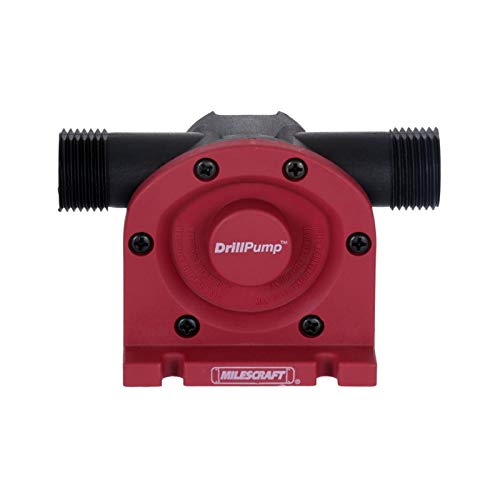
SELF PRIMING: Pumps up to 750 gallons per hour
Pool Volume Calculation
Calculate your pool’s volume to find the right pump size. Measure the length, width, and average depth. Use this formula for rectangular pools:
[ \text{Volume} = \text{Length} \times \text{Width} \times \text{Average Depth} \times 7.48 ]
For example, a pool measuring 20 feet by 10 feet with an average depth of 5 feet has a volume of 1,490 gallons. Knowing your pool’s volume helps you determine the flow rate needed to keep the water clean.
Desired Turnover Rate
The turnover rate dictates how often your pool’s water circulates through the pump. A common industry standard is to achieve a complete turnover every 8 hours. To calculate the required pump flow rate, use this formula:
[ \text{Flow Rate (GPH)} = \frac{\text{Pool Volume (gallons)}}{8 \text{ hours}} ]
For that 1,490-gallon pool, the flow rate would be about 186 gallons per hour (GPH). Adjust the turnover rate based on pool usage, type of features, and specific needs.
Resistance and Head Loss
Resistance and head loss impact your pump’s efficiency. Head loss occurs when water flows through pipes, filters, and fittings. Factors causing head loss include pipe length, diameter, and any obstructions. To account for this, consider these aspects:
- Piping Length: Longer pipes create more resistance.
- Pipe Diameter: Smaller diameter pipes restrict flow.
- Fittings: More elbows or fittings lead to increased resistance.
To minimize head loss, use wider pipes and fewer bends. Calculate total dynamic head (TDH) using a pool professional’s guidance. Knowing TDH enables you to choose a pump that overcomes these challenges efficiently.
Types of Pool Pumps
Selecting the right type of pool pump impacts your pool’s efficiency and maintenance. Here’s a breakdown of the main types to help you make an informed choice.
Recommended Products

Efficient Sump Pump: Aquastrong sump pump with 1HP powerful motor. Draining water up to 4500GPH Per Hour( 75 gallons per minute) at 5ft. Lift water up to 30ft of vertical height

HYDROAERATION TECHNOLOGY BY INTEX -– Transforming the Above Ground Pool industry, by bringing revolutionary water aeration benefits such as improved circulation and filtration, improved water clarity, increased negative ions at the water surface

Main Parameters: pool cover pump QMAX: 3000lL/H, HMAX: 3.2m AC:110V/60HZ 75W, Max Water Temperature:95℉, waterproof level: IPX8
Above-Ground vs In-Ground
- Above-Ground Pumps: These pumps are specifically designed for above-ground pools. They tend to be lighter, easier to install, and more affordable. You’ll find that they often have lower flow rates, making them suitable for smaller pools.
- In-Ground Pumps: In-ground pool pumps are typically more powerful and built to handle larger volumes of water. They are designed for permanent installations and may include advanced features, such as variable speeds and integrated filtration systems. Choose these for effective circulation in larger pool structures.
- Variable Speed Pumps: Variable speed pumps offer flexibility in adjusting flow rates. You control the speed according to your specific needs, which leads to greater energy efficiency. This translates to lower electricity bills and a longer lifespan for your pump. They work best for varied pool activities, like heating or cleaning.
- Single Speed Pumps: Single speed pumps run at a constant speed and are easier to install and maintain. While generally less expensive, they operate less efficiently, especially if you don’t require constant high flow. Use these for smaller pools where energy costs are not a significant concern.
Understanding the characteristics of each pump type helps you select the best option for your pool’s size and usage.
Choosing the Right Size Pump
Selecting the correct pool pump size ensures effective circulation and maintenance. Understanding your pool’s requirements helps enhance water quality and system performance.
Recommended Products
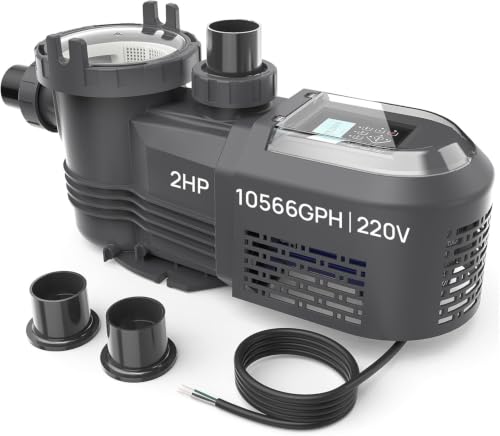
Energy-Saving Design: Utilizing variable speed technology, our pump reduces energy consumption by up to 80% compared to traditional pumps, providing significant long-term savings while maintaining optimal pool performance.

Energy-Saving Design: Utilizing variable speed technology, our pump reduces energy consumption by up to 80% compared to traditional pumps, providing significant long-term savings while maintaining optimal pool performance.

High-Performance 1.5 HP Pool Pump: Designed for both above-ground and in-ground swimming pools, this variable-speed pool pump features a permanent magnet motor and a precision-engineered impeller, delivering a maximum flow rate of up to 7,260 GPH (gallons per hour) while significantly reducing energy consumption. The pump is ETL and CEC certified, meeting the California Energy Commission's energy efficiency standards.
Recommendations by Pool Size
- Above-Ground Pools: For pools up to 15,000 gallons, a pump with a flow rate of 1,000 to 1,500 gallons per hour (GPH) works well. Larger pools, between 15,000 and 30,000 gallons, need pumps with a flow rate of 1,500 to 2,500 GPH.
- In-Ground Pools: Pools up to 20,000 gallons typically require pump flow rates from 1,500 to 2,000 GPH. For pools larger than 20,000 gallons, aim for pumps with flow rates between 2,000 to 3,000 GPH.
- Variable Speed Pumps: Ideal for larger pools, variable speed pumps offer adjustable flow rates for energy efficiency. They can operate at lower flow rates when needed to save on electricity. Consider a variable speed pump if you frequently change your pool’s usage or require different flow rates.
- Overestimating Flow Rate Needs: Many pool owners choose pumps with excessive flow rates, leading to rapid water turnover. This can cause less effective filtration and create turbulence that hinders chemical distribution.
- Ignoring Plumbing Size: Failing to consider pipe diameter can lead to head loss, reducing pump efficiency. Always match pump size to your plumbing configuration.
- Not Evaluating Total Dynamic Head (TDH): Neglecting TDH calculations can result in miscalculating the necessary pump size. Measure the vertical distance from the water level to the equipment, along with resistance from plumbing and fittings.
- Choosing Based on Price Alone: Selecting a pump solely based on initial cost often leads to replacement sooner than expected. Invest in a quality pump that meets your pool’s needs for long-term savings.
By applying these recommendations and avoiding common mistakes, you can successfully choose the right size pump for your pool.
Conclusion
Choosing the right pump size for your pool can make all the difference in keeping your water clean and clear. By understanding your pool’s specific needs and considering factors like flow rate and efficiency you can find a pump that fits perfectly. Avoid common mistakes and don’t hesitate to reach out to a pool professional for tailored advice. With the right pump in place your pool will be a refreshing oasis for you and your family to enjoy all season long. Happy swimming!
Frequently Asked Questions
What factors should I consider when choosing a pool pump?
When selecting a pool pump, consider the size and type of your pool, the pump’s efficiency, and its flow rate. Proper calculation of pool volume and flow rate is essential to ensure optimal circulation and maintenance.
How do I calculate my pool’s flow rate?
To calculate your pool’s flow rate, divide the volume of water in the pool by the desired turnover time (in hours). Ensure you measure your pool accurately to get the correct volume for precise calculations.
What is Total Dynamic Head (TDH)?
Total Dynamic Head (TDH) measures the total resistance to water flow in a pool system, including elevation, friction, and fittings. It’s crucial for determining the right pump size and ensuring efficient circulation.
Why is pump efficiency important?
Pump efficiency directly affects energy costs and the performance of your pool system. An efficient pump operates better, reducing energy consumption and maintaining optimal water circulation for cleanliness.
What mistakes should I avoid when selecting a pool pump?
Avoid overestimating your flow rate needs, ignoring plumbing size, neglecting TDH calculations, and choosing pumps based solely on price. These errors can lead to inefficiencies and increased operational costs.
Should I consult a professional for pump selection?
Yes, consulting a pool professional is recommended. They can provide personalized advice based on your specific pool size, type, and maintenance needs, ensuring you choose the best pump for effective circulation.