Have you ever wondered if you can enjoy an above ground pool without the hassle of a pump? You’re not alone. Many people dream of a backyard oasis but worry about the maintenance and costs that come with it.
Key Takeaways
- Above ground pools are a cost-effective solution for home swimming, available in various types like frame, inflatable, and semi-inground options.
- Pumps are essential for maintaining clean water by ensuring circulation, distributing chemicals evenly, and preventing algae growth.
- While it’s possible to have an above ground pool without a pump, it presents significant challenges in maintaining water quality and clarity.
- Manual methods, such as regular cleaning and chemical treatments, can help, but they require diligent effort to keep the pool safe and enjoyable.
- Proper water quality management is crucial; maintain balanced pH and sanitizer levels through regular testing and treatment.
- Adopting strategies like regular cleaning, using covers, and frequent water changes can effectively mitigate issues associated with not using a pump.
Overview of Above Ground Pools
Above ground pools provide a practical and cost-effective way to enjoy swimming at home. They come in various sizes and shapes, making it easy to find one that fits your yard.
Types of Above Ground Pools
- Frame Pools: These pools feature a metal or resin frame. They’re easy to assemble and disassemble, offering flexibility for seasonal use.
- Inflatable Pools: These pools can be inflated and filled with water. They typically offer a lower cost but may require more frequent replacement.
- Semi-Inground Pools: These pools sit partially above ground and partially in the ground. They blend better with the landscape, offering a more luxurious appearance.
Key Features
- Sizes: Above ground pools vary from small, family-sized options to large, multi-user designs. Choosing the right size depends on your yard space and intended use.
- Materials: Common materials include steel, aluminum, and polymer, each offering different durability and aesthetics.
- Liners: Liner thickness and materials can affect longevity. Thicker liners typically resist wear and tear better than thinner ones.
Installation Considerations
- Level Ground: Ensure your site is level. Uneven ground can lead to instability and structural issues.
- Access: Consider access to your pool with walkways, stairs, or ladders. Safe entry and exit points enhance enjoyment.
- Surrounding Area: Plan for surrounding landscaping or decking. A well-maintained area enhances safety and enjoyment.
Maintenance Essentials
- Water Quality: Regularly test water chemistry. This ensures a safe swimming environment and maintains pool condition.
- Cleaning: Use a pool vacuum or net to remove debris. Regular cleaning prevents algae growth and maintains clarity.
- Winterization: When the season ends, follow proper winterization steps. This includes draining, covering, and protecting your pool from elements.
Costs
Above ground pools are generally less expensive than in-ground options. Initial costs may vary based on size and materials, but don’t forget to account for ongoing maintenance and supplies. Expect to invest in chemicals, cleaning tools, and possible repairs.
Conclusion
Understanding the fundamentals of above ground pools helps you make informed decisions. Choosing the right type, maintaining water quality, and planning installation can ensure a fun and safe swimming experience.
Importance of Pumps in Pool Maintenance
Pumps play a crucial role in maintaining the cleanliness and safety of your above ground pool. Their primary function is to circulate water, ensuring it stays fresh and free from debris and contaminants.
Recommended Products

POWERFUL 3/4 HP PUMP FOR POOLS UP TO 15,000 GAL – With a high-flow 3,100 GPH circulation rate, this 16" sand filter system keeps your above-ground pool crystal clear all season long. No more green water, cloudy days, or excessive chemical use—let the pump do the heavy lifting.

HYDROAERATION TECHNOLOGY BY INTEX -– Transforming the Above Ground Pool industry, by bringing revolutionary water aeration benefits such as improved circulation and filtration, improved water clarity, increased negative ions at the water surface
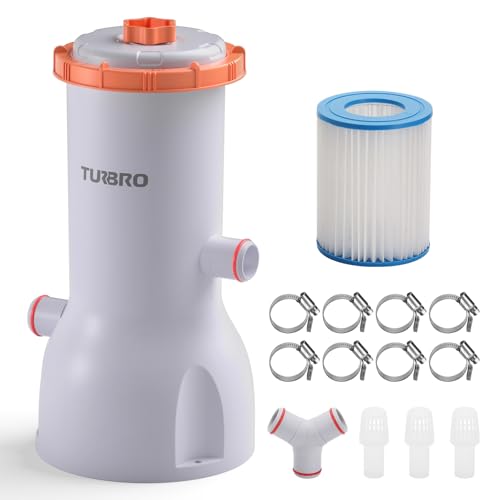
Efficient Water Circulation: TURBRO FlowMind FM1K pool filter pump provides a 1,000 GPH flow rate for water circulation; removes impurities for a crystal-clear swimming area; compatible with TURBRO M18 pool heat pump
Function of Pumps
Pumps facilitate water circulation in your pool. This process helps distribute chemicals evenly, maintains temperature, and keeps dirt and algae in suspension so that filters can remove them efficiently. Without a pump, stagnant water leads to algae growth, making your pool unsafe for swimming.
Benefits of Using a Pump
Using a pump offers several key advantages:
- Clean Water: Pumps help filter out dirt, leaves, and bugs, keeping your pool inviting.
- Chemical Distribution: Pumps ensure that sanitizers and other chemicals spread evenly, maintaining water balance.
- Algae Prevention: Regular circulation prevents the formation of algae and other harmful microorganisms.
- Temperature Regulation: Pumps can aid in heating systems, ensuring warm water during cooler months.
Investing in a quality pump enhances your above ground pool experience, contributing to a safe and enjoyable swimming environment.
Can You Have an Above Ground Pool Without a Pump?
You can technically have an above ground pool without a pump, but it poses various challenges. Without a pump, maintaining clean and clear water becomes difficult. Understanding the alternatives and limitations helps in making an informed decision.
Recommended Products
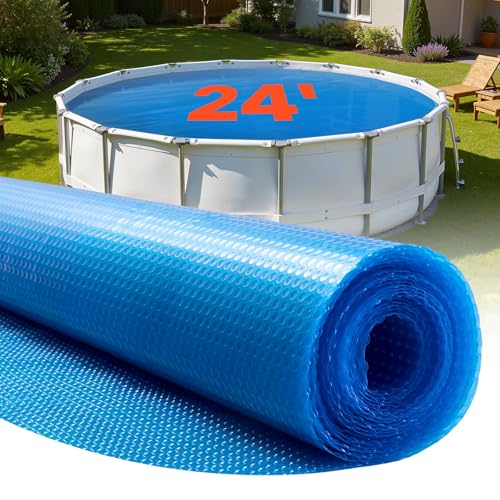
Enjoy Longer Swims: This 24ft/7.32m round solar pool cover works as a reliable pool cover, using an 8 mil bubble design to help retain heat and keep water warmer. The pool solar cover supports a longer swimming time while offering an easy-to-trim fit for irregular pool shapes.

Extend Swimming Season: Embrace warmth with VEVOR solar pool cover, which efficiently absorbs heat during the day and reduces heat loss at night. Depending on environmental conditions, it can increase water temperature by 8-15°C, enjoying a longer swimming season and lower heating costs.

【Durable Protection】Round pool cover is made of 420D painted silver material and equipped with 8 windproof ropes and ground nails. It provides reliable protection against debris, leaves, and harsh weather elements, extending the life of your pool.No standing water goes through the cover to keep your water fresh, It's a money saver!
Potential Alternatives
- Manual Filtration: You can use manual methods like skimmers or nets to remove debris. This approach requires regular effort to keep the pool clean.
- Solar Pool Covers: These covers help retain heat and minimize debris. They don’t replace a pump but can reduce maintenance by protecting the pool.
- Chemical Treatments: Using chemicals like algaecides and sanitizers can assist in keeping the water clean. However, they don’t circulate water, so their effectiveness is limited without a pump.
- Water Changes: Regularly replacing a portion of the pool water can help maintain quality. This method requires more effort and can be costly over time.
- Water Clarity: Without a pump to circulate water, debris accumulates quickly. This leads to murky water and inhibits visibility.
- Algae Growth: Stagnant water encourages algae. Without proper circulation, you’ll experience frequent outbreaks that require additional treatments.
- Chemical Distribution: Ensuring even distribution of chemicals is challenging without a pump. Uneven chemical levels can result in skin irritation and pool damage.
- Temperature Regulation: Pumps help in distributing heat evenly across the pool. Without them, water temperature may vary in different areas.
Managing an above ground pool without a pump requires consistent effort and vigilance. While alternatives exist, the challenges can diminish your overall enjoyment and safety.
Maintenance Tips for Pump-Free Pools
Maintaining an above ground pool without a pump requires diligence and specific strategies. Focus on water quality management and algae prevention to ensure a pleasant swimming experience.
Recommended Products
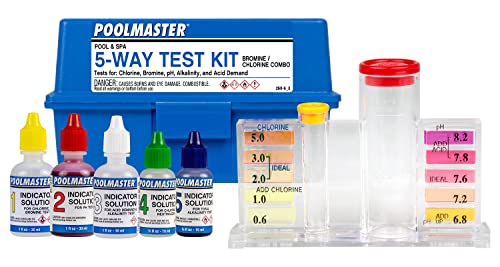
5-WAY WATER TESTING: Accurately tests chlorine, bromine, pH, acid demand, and total alkalinity to help maintain clean, balanced pool and spa water

LARGEST POOL TESTING STRIPS: Extra long strips with the largest pads and color chart for the clearest chemical readings. Every batch is lab tested to guarantee accuracy and quality

2 Way Pool Water Test Kit For Test For OTO, CL, and PH Level
Water Quality Management
Managing water quality in a pump-free pool is crucial. Regular testing of your pool water helps maintain the right balance of chemicals. Use test strips or liquid test kits for pH, chlorine, and alkalinity levels, aiming for:
- pH: Keep levels between 7.4 and 7.6 for comfort and safety.
- Chlorine: Aim for 1-3 ppm (parts per million) to effectively sanitize the water.
- Alkalinity: Maintain levels between 80-120 ppm to stabilize pH fluctuations.
Conduct water testing at least twice a week. Additionally, add chlorine regularly to keep the water sanitized. If you notice cloudy water, take measures to clear it quickly. Manual filtration methods like submerging fine mesh nets or using pool vacuum equipment can help remove debris effectively.
Algae Prevention Strategies
Preventing algae growth is a cornerstone of pool maintenance without a pump. Algae can develop quickly in stagnant water. Implement these strategies:
- Regular Cleaning: Use a pool brush to scrub the walls and floor weekly. This prevents algae adhesion and keeps surfaces smooth.
- Chemical Treatments: Add algaecides as needed, especially during warmer months. Follow manufacturer instructions for dosage.
- Cover the Pool: Use a solar cover when the pool isn’t in use. This reduces sunlight, limiting algae growth and helps maintain temperature.
- Frequent Water Changes: Replace a portion of the pool water every couple of weeks. This refreshes chemicals and reduces contaminants.
By following these maintenance tips, managing your pump-free above ground pool becomes much easier, ensuring clean, safe water for enjoyment.
Conclusion
You can definitely enjoy your above ground pool without a pump if you’re willing to put in some extra effort. By staying on top of water quality and regularly testing and balancing chemicals you can maintain a safe and inviting swimming environment. Manual filtration and proactive algae prevention will also play a key role in keeping your pool clean.
While it might be a bit more work without a pump investing that time can lead to a rewarding experience. Embrace the challenge and enjoy your backyard oasis all summer long. Happy swimming!
Frequently Asked Questions
What are low-maintenance above ground pools?
Low-maintenance above ground pools are designed to require minimal upkeep while providing a fun swimming experience. They are cost-effective options that allow you to create a beautiful backyard oasis without the intense maintenance demands of traditional in-ground pools.
How do I choose the right above ground pool?
Consider factors like space, budget, type of pool (e.g., inflatable, frame), and ease of installation. Evaluate features like size and shape to match your backyard, and check durability ratings to ensure long-term enjoyment.
What maintenance is required for above ground pools?
Key maintenance tasks include regular water testing, balancing chemicals, filtering, and keeping the pool clean. Even without a pump, you can maintain water quality through manual methods like skimming and using chemicals to prevent algae growth.
How important is the pump for pool maintenance?
The pump is crucial for circulation, chemical distribution, and algae prevention in above ground pools. A quality pump ensures that your water stays clean and safe, enhances temperature regulation, and improves your overall swimming experience.
How can I maintain an above ground pool without a pump?
You can maintain a pump-free above ground pool by regularly testing and balancing the water chemistry, using manual filtration methods, skimming debris, and applying algae prevention strategies to ensure clean water. Regular attention is key to avoiding issues.