Are you tired of the harsh chemicals in your chlorine pool? You’re not alone. Many pool owners are making the switch to saltwater systems for a more pleasant swimming experience. Saltwater pools offer softer water, less maintenance, and can even save you money in the long run.
In this article, you’ll learn the step-by-step process to convert your chlorine pool into a saltwater oasis. We’ll cover everything from choosing the right saltwater system to tips on maintaining your new setup. By the end, you’ll be ready to enjoy the benefits of a saltwater pool and say goodbye to those irritating chlorine odors.
Key Takeaways
- Understanding Saltwater Benefits: Saltwater pools provide softer water, reduced maintenance, and fewer chlorine odors, enhancing the overall swimming experience.
- Preparation is Key: Assess your current pool equipment and gather necessary supplies, including a saltwater chlorinator and salt, to ensure a smooth transition.
- Step-by-Step Conversion: Follow a structured process for draining, cleaning, and installing the salt chlorinator, which is crucial for successful conversion.
- Regular Maintenance: Consistently test and balance water chemistry, focusing on salinity, pH, alkalinity, and chlorine levels to maintain optimal pool health.
- Winterization Tips: Properly winterize your saltwater pool by cleaning, adjusting water levels, and using winterizing chemicals to protect it during the off-season.
- Consider Costs and Compatibility: Be aware of the higher initial costs and any potential corrosion risks associated with saltwater systems to make an informed decision.
Understanding Chlorine and Salt Water Pools
Chlorine pools and saltwater pools serve the same purpose of keeping water clean. However, they differ in how they sanitize the water. Understanding these differences helps you appreciate the benefits and drawbacks of each system.
Benefits of Salt Water Pools
- Softer Water: Saltwater pools contain lower chlorine levels, offering a gentler swimming experience. Soft water is less harsh on your skin and eyes.
- Lower Maintenance: Saltwater systems generate chlorine naturally through electrolysis. This process reduces the frequency of adding chlorine, making maintenance easier.
- Cost Savings: Although initial setup costs may be higher, saltwater pools often lead to lower chemical costs over time. Salt is cheaper than chlorine, and you won’t need to buy other balancing chemicals as often.
- Fewer Chlorine Odors: Saltwater pools minimize the strong chemical smell associated with chlorine. You can enjoy swimming without the unpleasant odors.
- Higher Initial Costs: Installing a saltwater system requires a salt chlorine generator, which can be costly upfront. Factor in installation fees for a complete budget.
- Corrosion Risks: Salt can corrode certain materials. Fixtures, metal ladders, and heaters might require replacements or special maintenance.
- Balancing Water Chemistry: While maintenance is generally lower, you still need to monitor water balance. pH and alkalinity levels must stay within the ideal range to prevent issues.
- Impact on Landscaping: Saltwater can damage plants if pool water spills over or during backwashing. Be cautious about pool placement near gardens or landscaped areas.
Understanding these factors helps you make an informed decision as you transition from chlorine to a saltwater system. Each option has its pros and cons, which may influence your choice based on your needs and lifestyle.
Preparing for the Change
Preparing for the switch from a chlorine pool to a saltwater system requires careful consideration and planning. You’ll want to ensure a smooth transition while minimizing disruptions.
Assessing Your Current Pool System
Assess your existing pool equipment. Look for the type of filtration system you currently have and any potential compatibility issues with saltwater. Check for signs of corrosion in your pool surfaces, ladders, and lights, as these may need replacement. Evaluate the overall condition of your pool to determine if any repairs or upgrades are necessary before the transition. Understanding these factors helps identify what needs replacement or modification.
Gathering Necessary Supplies
Gather supplies for the conversion process. You’ll need a saltwater chlorinator, which generates chlorine from salt, and salt specifically designed for pools. Ensure you have tools for installation, such as wrenches, screwdrivers, and a hose for filling your pool. Stock up on water testing kits or strips to monitor salinity levels and water balance post-conversion. Having everything ready ahead of time simplifies the transition and helps avoid delays.
Step-by-Step Guide to Making the Change
Transitioning from a chlorine pool to a saltwater system involves several important steps. By following this guide, you can make the process smooth and effective.
Recommended Products

Self-Cleaning Function: The chlorination system features a self-cleaning function, which can be set to reverse polarity every 4, 8, or 12 hours to maintain efficient cleaning of the titanium cell and extend the service life of the titanium cell.

ENJOY COMFORTABLE CLEAN: Rinoson saltwater pool chlorinator system is designed for above-ground pools, in-ground pools, and hot tubs up to 12,000 gallons, delivering soft, smooth water that eliminates red eyes and skin irritation. Producing up to 0.35 oz of chlorine per hour (10g/h), it activates only when water flow meets requirements and features customizable runtime settings.
Draining the Pool
- Turn Off Equipment: Switch off the pool pump and heater to prevent any damage during draining.
- Drain Pool Water: Use a submersible pump to drain water. Position the pump at the deepest part of the pool for efficient draining.
- Check Local Regulations: Confirm whether regulations govern pool water disposal in your area to avoid fines.
Cleaning the Pool
- Remove Debris: Clear leaves or debris left at the bottom. A pool vacuum or skimmer will help.
- Clean Surfaces: Scrub the pool walls and floor with a suitable cleaner. A soft brush works well for tile or vinyl; a rough brush serves for concrete.
- Empty Pool Equipment: Clean out any filters and skimmers to remove chlorine residue. Make sure all components are ready for saltwater use.
- Choose Correct Unit: Select a salt chlorinator based on your pool size. Size affects its efficiency and water coverage.
- Identify Installation Area: Find a location near the pool, ideally between the pump and the filter.
- Follow Manufacturer Guidelines: Attach the chlorinator according to specific instructions. This generally involves cutting PVC pipes and gluing fittings.
- Add Salt: After installation, gradually add the recommended amount of salt to the pool. Use a salt calculator for precise measurements based on your pool’s size.
- Test Water Chemistry: Use water testing kits to check salinity and balance pH levels. Ensure that the water meets the ideal salt levels for effective chlorination.
Following these steps ensures a smoother transition to a saltwater pool, enhancing your swimming experience with softer water and reduced maintenance.
Maintenance Tips for Salt Water Pools
Maintaining a saltwater pool involves some specific practices that optimize the system’s performance and extend its lifespan. Keep these tips in mind for smooth operation.
Recommended Products
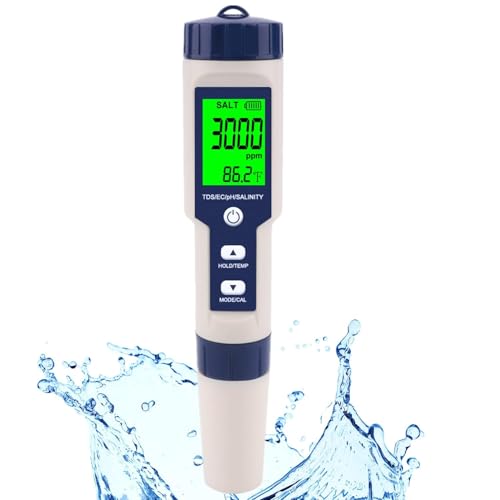
Wide Usage PH Meter : Hofun ph meter is an essential tool to improve your life quality. This digital ph tester can be applied in the following applications,drinking water quality test, swimming pools quality monitor, PH balance measurement in RO/DI system, aquarium, spa, hot tub or hydroponics.

Salt Pool Test Strips: Meet the most comprehensive test strips for saltwater system. Combine sodium chlorine(salt) and regular parameters in one strip. Easily test total hardness, free chlorine, bromine, total chlorine, cyanuric acid, total alkalinity, pH and salt level in just one dip.

Reliable Results In Seconds – Everything you need to test your saltwater pool or spa is conveniently packaged in the handy storage case, including a comparator to mix samples, and 15 easy-to-use reagents for 9 common water test parameters for FAS-DPD High Range testing: Free & Combined Chlorine, pH, Acid & Base Demand, Total Alkalinity, Calcium Hardness, Cyanuric Acid (CYA), and Chloride (Sodium Chloride).
Regular Testing and Balancing
Testing your pool water regularly ensures the proper balance of chemicals. Aim for testing at least once a week during swimming season. Focus on the following key parameters:
- Salinity Levels: Maintain between 2700 and 3400 parts per million (ppm). Assess levels using a reliable salt meter.
- pH Levels: Keep pH between 7.2 and 7.8. Adjust with pH increaser or decreaser as needed.
- Alkalinity: Aim for total alkalinity levels between 80 and 120 ppm to stabilize pH.
- Chlorine Levels: Ideal free chlorine levels sit between 1 and 3 ppm. Adjust salt chlorinator settings if necessary.
Use a quality testing kit to check these levels. Ensure proper chemical balance promotes crystal-clear water and prevents equipment corrosion.
Winterization Procedures
Preparing your saltwater pool for winter extends its life and reduces spring workload. Follow these steps for effective winterization:
- Clean the Pool: Remove debris and brush the pool surface. A clean pool stays in better condition over winter.
- Adjust Water Levels: Lower water levels below skimmers to prevent freezing damage. Typically, lowering by 4-6 inches suffices.
- Balance Chemicals: Ensure water is balanced before closing the pool. Test for proper pH, alkalinity, and chlorine levels.
- Add Winterizing Chemicals: Use winterizing algaecide to prevent algae growth. Add water clarifier to enhance water clarity.
- Drain and Store Equipment: Remove pool accessories and store them indoors. Drain the pump, filter, and heater to prevent freeze damage.
- Cover the Pool: Invest in a durable winter cover. Ensure it’s securely fastened to minimize debris accumulation.
Following these winterization steps protects your investment and prepares your saltwater pool for a hassle-free reopening in spring.
Conclusion
Transitioning to a saltwater pool can be a game changer for your swimming experience. You’ll enjoy softer water and reduced maintenance that keeps your pool inviting year-round.
By following the steps and tips provided you can ensure your new system runs smoothly and efficiently. Regular testing and proper winterization will help you maximize the benefits of your saltwater pool.
Embrace the change and dive into the refreshing world of saltwater swimming. You won’t regret it!
Frequently Asked Questions
What are the benefits of saltwater pools over traditional chlorine pools?
Saltwater pools offer softer water, lower maintenance, and cost savings compared to traditional chlorine pools. They also reduce skin and eye irritation, making swimming more enjoyable.
How do I transition from a chlorine pool to a saltwater pool?
To transition, choose a saltwater chlorinator system, remove the existing chlorine system, and install the new equipment. Adjust water chemistry levels and add the appropriate amount of salt to initiate the saltwater process.
How often should I test the water in a saltwater pool?
Regular testing of your saltwater pool water is recommended at least once a week. Focus on balancing salinity, pH, alkalinity, and chlorine levels to maintain optimal water quality.
What maintenance is required for a saltwater pool?
Maintenance includes regular water testing, cleaning filters, brushing pool surfaces, and monitoring chemical levels. It’s vital to keep an eye on salt levels and ensure the saltwater chlorinator is functioning properly.
How can I winterize my saltwater pool?
To winterize, clean the pool, balance the water chemicals, lower water levels, add winterizing chemicals, and cover the pool. Proper winterization helps prolong the lifespan and performance of your saltwater pool.