Have you ever found yourself ready to enjoy a night swim only to discover your pool lights aren’t working? It’s a frustrating situation that can put a damper on your evening plans. If you’re tired of fumbling around in the dark or dealing with flickering lights, you’re not alone.
Key Takeaways
- Types of Pool Lights: Familiarize yourself with the different types of pool lights—incandescent, LED, and halogen—each offering unique benefits and costs.
- Common Issues: Recognize common pool light problems such as burnt-out bulbs, faulty wiring, and corroded fixtures to effectively troubleshoot malfunctions.
- Maintenance Tips: Regular inspections, cleaning fixtures, and performing seasonal maintenance can prolong the lifespan and efficiency of your pool lights.
- Resetting Procedure: Follow a step-by-step guide to reset your pool lights, including turning off the power, inspecting for damage, and checking electrical connections.
- Professional Assistance: Don’t hesitate to consult a certified electrician for persistent issues to ensure safe and effective troubleshooting of your pool lighting system.
- Upgrading Options: Consider upgrading to energy-efficient LED lights or smart lighting systems for improved functionality and enhanced nighttime ambiance in your pool area.
Understanding Pool Lights
Pool lights enhance your swimming experience, creating a festive atmosphere during night swims. These lights come in different types, including incandescent, LED, and halogen, each offering unique benefits.
Types of Pool Lights
- Incandescent Lights: These are the traditional option for pool lighting. They provide warm light and are relatively inexpensive. However, they consume more energy and have a shorter lifespan, typically lasting about 1,000 hours.
- LED Lights: Energy-efficient and long-lasting, LED lights can last up to 25,000 hours. They come in various colors, allowing you to customize your pool ambiance. While the initial cost is higher, the energy savings often justify the investment.
- Halogen Lights: Halogen lights give off bright, white light, providing excellent visibility. They are somewhat more efficient than incandescent options and typically last around 2,000 hours. However, they generate more heat, which can be a consideration.
How Pool Lights Work
Pool lights typically operate on low voltage to ensure safety while submerged. Most use a transformer to reduce standard voltage, making them safe for use in water. They can be controlled via manual switches, remote controls, or smart home systems, depending on the model.
Common Problems with Pool Lights
- Burnt-Out Bulbs: A frequent issue, especially with incandescent bulbs. If your lights flicker or don’t turn on, check if the bulb needs replacement.
- Faulty Wiring: This may result in inconsistent performance or a lack of functionality. Inspect the wiring for signs of wear or damage.
- Corroded Fixtures: Water can damage the fixtures over time. Regular maintenance checks can prevent corrosion and prolong the lifespan of your pool lights.
- Regular Inspections: Check your pool lights periodically for any signs of wear.
- Cleaning Fixtures: Remove debris and dirt to ensure optimal light output. Use a soft cloth and mild soap for cleaning.
- Seasonal Maintenance: Before the swimming season, inspect electrical connections and test the lights to ensure they’re operational.
Understanding these facets of pool lights helps you enjoy a safe, pleasant swimming experience at night. Knowing the types, common issues, and maintenance tips empowers you to troubleshoot and maintain your pool lighting efficiently.
Common Issues with Pool Lights
Pool lights may malfunction, affecting your enjoyment during nighttime swims. Recognizing symptoms and following troubleshooting steps can help resolve these issues quickly.
Recommended Products

NEWEST Rechargeable Submersible Lights: Our LED floating pool lights come with built-in Li-polymer batteries that can be conveniently recharged via any power source with a USB port (USB cable included). You'll never need to buy batteries again! With a full charge time of just 2.5 hours, these lights can continuously last up to 24 hours at their brightest setting and up to 100 hours at their dimmest setting. Plus, they're five times brighter than the AA version!

♒♒♒【PREPARATION】One transformer: 120v, ≥ 60w * N. eg: 5 pool lights, 120V, ≥ 300W. Additionally, if don't connect the transformer to the light or if it is too low, the light may burn out and can't turn on. One battery for remote control: 23A 12V valkaline battery. We strongly recommend using the provided parts and drill again. Installing in place or using own parts may not be compatible.

Upgraded pool lights deliver even brighter illumination with an extended battery life(15H). The new 5‑hour auto‑off timer adds flexible energy saving with improved larger suction cups installation pool lights for above ground pool, spa, pond, and more
Malfunction Symptoms
- No Light: When the pool light doesn’t illuminate, it indicates a complete power failure or bulb issue.
- Flickering Light: Flickering may suggest loose wiring or a failing bulb, causing inconsistent lighting.
- Dim Light: Dimness often points to a worn-out bulb or an issue with the power supply.
- Water Ingress: Water inside the fixture signals a seal failure, risking electrical hazards.
- Corrosion: Signs of rust or corrosion may affect connectivity and overall function.
- Check Power Supply: Ensure the circuit breaker is on. Look for any tripped breakers or blown fuses.
- Inspect the Bulb: Remove the bulb and check for any visible damage. Replace it if burnt-out.
- Examine Connections: Ensure all connections are tight. Look for frayed wires or loose terminals.
- Test the Circuit: Consider using a multimeter to test the voltage at the light fixture. If there’s no voltage, investigate further upstream.
- Inspect Fixtures for Water: Open the light fixture and look for moisture. If you find water, allow it to dry and seal any leaks.
- Call a Professional: If issues persist or you’re uncomfortable with electrical tasks, consult a certified electrician for assistance.
How to Reset Pool Lights
Resetting your pool lights can restore their functionality and enhance your nighttime swimming experience. Follow these steps to reset different types of pool lights.
Recommended Products

DESIGNED FOR PENTAIR GLOBRITE: Precisely shaped to engage compatible for Pentair GloBrite LED pool light housings, providing stable contact and controlled turning force; Designed for GloBrite lights only; please verify your pool light model before ordering

PRODUCT OVERVIEW:Package includes 1 premium durable light removal wrench tools for swimming pool lights.

Compatibility: Perfectly compatible with Glo-Brite color LED pool light, evenly distributes pressure, effectively protecting the lamp housing from scratches, please note it not compatible with Jandy LED pool light
Step-by-Step Guide
- Turn Off the Power
Switch off the circuit breaker or remove the fuse that powers the pool lights. This prevents electrical shock during the reset process. - Inspect the Lights
Look for visible damage like cracked lenses or corrosion. Replace any burnt-out bulbs or damaged fixtures to ensure proper operation. - Reset the Light
For LED pool lights, turn the power back on and off within five seconds. This usually resets the light to its default settings. For other types, check the manufacturer’s instructions for specific reset techniques. - Check the Connections
Examine all electrical connections for looseness or corrosion. Tighten any loose connections and clean corroded areas to enhance conductivity. - Test the Lights
Restore power and switch the lights back on. Check if the lights illuminate correctly. If they don’t, further troubleshooting may be necessary.
- Always Turn Off Power
Before beginning any maintenance or reset procedures, ensure power to the pool lights is disconnected. This protects you from potential electrical hazards. - Use Proper Equipment
Use insulated tools when working with electrical connections. This adds an extra layer of safety when making adjustments. - Consult Professionals if Unsure
If you’re uncertain about troubleshooting steps or if the issue persists, consider hiring a qualified electrician. They can provide expert advice and ensure your pool’s electrical systems are safe.
Alternative Solutions
If you encounter persistent issues with your pool lights, consider these alternative solutions.
Recommended Products
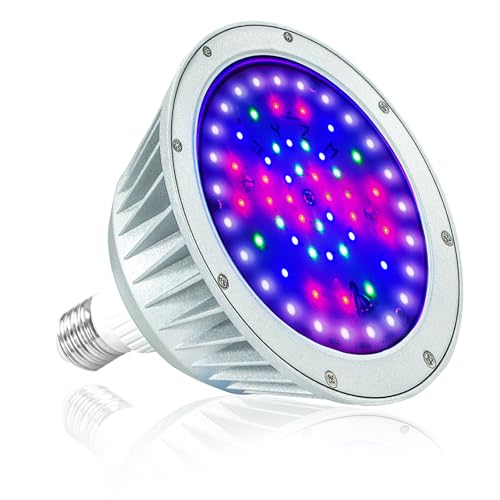
✔️120V led pool light & IP65 Waterproof:This is a 120V led pool light bulb with IP65 waterproof rating. IP68 waterproof rating ensures reliable performance in submerged environments. Note: Please double-check that you require a 120V pool light before ordering to avoid voltage mismatch issues (e.g., accidentally purchasing 120V instead of 12V).

【 RGBW Color Control 】 – With the LC01 system, PN01DC offers 10+ dynamic modes, including flashing, jumping transitions, and fixed single colors. Pair up to 10 lights with a single remote or app for synchronized, effortless control.

🔋 Up to 200 Hours Runtime & Magnetic Rechargeable Design — Say goodbye to disposable batteries forever. Built-in Li-Polymer cells charge via magnetic contact in just 2.5 hours. Enjoy up to 100 hours at full brightness or 200 hours at dimmest setting — 5× longer than AA-powered alternatives. Ideal as rechargeable pool lights, hot tub lights, and underwater pool lights for hassle-free illumination all season long.
Professional Help
Hiring a professional can save time and ensure proper handling of complex electrical systems. Electricians experienced in pool lighting can identify hidden problems like faulty wiring or control issues. They also ensure compliance with local electrical codes and safety regulations. If the troubleshooting steps don’t solve the issue, don’t hesitate to reach out for expert assistance.
Upgrading Pool Lighting
Upgrading your pool lighting enhances both functionality and aesthetics. Switching to LED lights increases energy efficiency and lifespan while offering brighter illumination. Consider smart pool lighting options that provide remote control via mobile apps, enabling you to adjust brightness and color. Installing multi-color LED lights can create a dynamic atmosphere for evening swims or gatherings, transforming your pool area into a stunning focal point.
Conclusion
Getting your pool lights back in working order can make a big difference in your pool experience. Whether you’re dealing with a simple reset or more complex issues it’s essential to approach the situation safely. Remember to follow the troubleshooting steps and don’t hesitate to reach out to a professional if you’re unsure.
Upgrading to energy-efficient LED lights can also be a smart move for both your wallet and the ambiance of your pool area. With the right maintenance and a little know-how you can enjoy a beautifully lit pool that enhances your outdoor space. Happy swimming!
Frequently Asked Questions
What types of pool lights are available?
There are three main types of pool lights: incandescent, LED, and halogen. Incandescent lights provide warm lighting but consume more energy. LED lights are energy-efficient, have a longer lifespan, and can be colorful. Halogen lights offer bright illumination but generate heat.
How do pool lights operate safely?
Pool lights operate on low voltage to ensure safety and prevent electrical hazards. This low voltage is crucial since it reduces the risk of electrical shock, allowing safe operation for both users and maintenance personnel.
What are common issues with pool lights?
Common issues include burnt-out bulbs, flickering lights, and water ingress. Symptoms may vary—burnt-out bulbs might simply not turn on, while flickering can indicate wiring problems. Always troubleshoot these issues to determine the cause.
How can I maintain my pool lights effectively?
Regular maintenance includes checking for burnt-out bulbs, inspecting wiring for damage, and ensuring fixtures are clean and corrosion-free. Replace any faulty components promptly and check for water ingress to avoid further issues.
What should I do if my pool light is not working?
If your pool light isn’t working, start by checking the breaker and ensuring the bulb is intact. If issues persist, inspect for faulty wiring or water ingress. For complex problems, consult a certified electrician familiar with pool lighting.
Can I upgrade my pool lighting?
Yes, upgrading to LED pool lights is recommended for improved energy efficiency and longevity. LED lights also offer various color options and smart features for remote control, enhancing your pool’s overall look and functionality.
When should I consult a professional for pool lighting issues?
You should consult a professional if you encounter persistent problems, such as recurring flickering or water ingress. It’s also wise to seek expert help during installations or upgrades to ensure compliance with safety regulations.