Ever wondered why your pool water sparkles or why it sometimes feels a bit harsh on your skin? The answer often lies in the levels of free chlorine. This essential chemical not only keeps your pool water clean and safe but also plays a crucial role in your swimming experience.
If you’ve ever faced the frustration of cloudy water or unwanted algae blooms, understanding free chlorine can be a game-changer. In this article, you’ll learn what free chlorine is, why it’s important, and how to maintain the right balance for a refreshing swim. With the right knowledge, you can ensure your pool stays inviting and enjoyable all season long.
Key Takeaways
- Definition and Role: Free chlorine is the active form of chlorine in pool water that disinfects and kills harmful bacteria and viruses, ensuring a safe swimming environment.
- Optimal Levels: Maintaining free chlorine levels between 1 to 3 ppm is essential for preventing cloudy water, algae blooms, and bacterial growth.
- Testing Methods: Regular testing using test strips, liquid test kits, or digital testers is crucial for monitoring free chlorine levels and ensuring adequate sanitation.
- Adjusting Levels: To increase free chlorine, methods like adding chlorine tablets, liquid chlorine, or conducting shock treatments can quickly restore balance.
- Factors Impacting Levels: Temperature, sunlight, and pH levels greatly influence free chlorine effectiveness; managing these factors is key to maintaining a healthy pool.
- Maintenance Practices: Regular water testing, pH adjustments, using pool covers, and shocking the pool help sustain free chlorine levels and enhance overall pool safety and enjoyment.
What Is Free Chlorine in Pool Water
Free chlorine refers to the amount of chlorine available in pool water to disinfect and kill harmful bacteria and viruses. It’s the active form of chlorine that helps maintain clean, safe swimming conditions.
Free chlorine differs from combined chlorine, which forms when chlorine reacts with contaminants in the water, such as sweat, oils, and urine. Combined chlorine is less effective at sanitizing and can lead to unpleasant odors and eye irritation.
Importance of Free Chlorine Levels
Maintaining proper free chlorine levels ensures a safe swimming environment. Optimal free chlorine concentration typically ranges from 1 to 3 parts per million (ppm). Having this level prevents issues like:
- Cloudy Water: Insufficient free chlorine can lead to an increase in algae growth, resulting in hazy water.
- Algae Blooms: Low free chlorine levels allow algae to thrive, affecting water clarity and safety.
- Bacterial Growth: A well-balanced free chlorine level protects against harmful microorganisms.
Testing Free Chlorine
Regular testing of free chlorine is essential for pool maintenance. Consider using one of these methods:
- Test Strips: Simple and quick. Submerge the strip in pool water, wait for the designated time, then compare the color to the chart.
- Liquid Test Kits: More accurate. Follow the kit instructions to mix pool water with reagents, yielding a color change indicative of free chlorine levels.
Adjusting Free Chlorine Levels
If your free chlorine levels are off, here are ways to adjust them:
- Add Chlorine: Use chlorine tablets or liquid chlorine, aiming for a gradual addition to achieve desired levels.
- Shock Treatment: Administer a higher dose of chlorine (often called superchlorination) to quickly elevate free chlorine and reduce contaminants. Aim for levels above 10 ppm temporarily.
- Sunblock: Consider using chlorine stabilizers, such as cyanuric acid, to prevent chlorine loss from sunlight exposure.
Tips for Maintaining Free Chlorine Balance
Follow these tips to keep your free chlorine levels stable:
- Monitor Regularly: Test water at least once a week, adjusting as needed to stay within the optimal range.
- Maintain pH Levels: Keep pH between 7.2 and 7.6, as proper pH enhances chlorine effectiveness.
- Avoid Overuse of Pool: Limit heavy use during peak sun hours to reduce chlorine loss and contamination from swimmers.
By understanding and managing free chlorine in your pool water, you ensure a safe, enjoyable swimming experience for everyone.
Importance of Free Chlorine
Free chlorine plays a crucial role in maintaining a safe and enjoyable swimming experience. It serves as a powerful disinfectant, ensuring that pool water remains clean and free from harmful microorganisms.
Disinfection and Sanitization
Free chlorine effectively kills bacteria, viruses, and other pathogens in pool water. When you maintain free chlorine levels between 1 to 3 parts per million (ppm), you create a barrier against infections such as swimmer’s ear or gastrointestinal illnesses. Regular testing can help ensure your chlorine levels are adequate. Using test strips or a liquid test kit allows you to quickly assess your pool’s sanitation. If levels fall below the recommended range, adding granular or liquid chlorine will restore balance promptly.
Algae Prevention
Free chlorine prevents algae growth by targeting and destroying algae spores before they can multiply. If free chlorine levels drop, you might notice green or cloudy water, indicating a potential algae bloom. To combat this, consistently monitor your free chlorine levels. If you encounter an algae problem, shock your pool with a higher dose of chlorine to eliminate existing algae. Brushing pool surfaces and improving water circulation also helps keep algae at bay. Consistent filtration and regular maintenance ensure your pool remains algae-free and inviting.
Measuring Free Chlorine Levels
Measuring free chlorine levels in your pool is essential for maintaining water quality and safety. Regular testing ensures the right balance for effective disinfection.
Recommended Products

Reliable Results In Seconds – Everything you need to test your pool or spa is conveniently packaged in the handy storage case, including a comparator to mix samples, and 8 easy-to-use reagents for 6 common water test parameters for DPD testing: Free & Total Chlorine, Bromine, pH, Acid Demand, and Total Alkalinity.
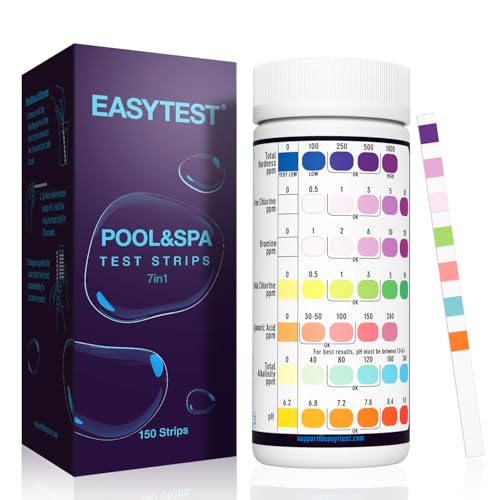
AFFORDABLE 150 STRIPS: This water chemical testing kit contains 150 test strips. Enough balanced for your swimming pool, hot tub, spa and other water testing. At least testing twice a week is recommended to keep your pool sparkling clean and safe.

Fresh, Accurate Pool Test Strips - AquaChek Yellow Chlorine 4-in-1 includes 50 precision test strips—perfect for a full season of reliable water testing for pools and spas that use chlorine. No expired extras, no bulky packs—just fresh, accurate results from AquaChek, the most trusted brand in pool and spa water testing.
Testing Methods
You can use several methods to test free chlorine levels:
- Test Strips: Dip a test strip into the water and compare the color change with the chart provided. This method offers quick results, ideal for frequent checks.
- Liquid Reagent Test Kits: Use liquid reagents to get a precise measurement. Add the specified number of drops to a water sample, then compare the resulting color to the scale. This method provides accurate readings.
- Digital Testers: Use electronic testers for convenience and accuracy. These devices provide instant readings and are easy to use.
Test your pool water at least once a week, and more often during peak swimming seasons or after heavy rainfall.
Ideal Chlorine Levels
Free chlorine levels should be maintained between 1 to 3 parts per million (ppm) for optimal disinfection.
| Chlorine Level (ppm) | Water Quality |
|---|---|
| 0.5 or lower | Unhygienic, unsafe |
| 1 to 3 | Ideal for swimming |
| Above 5 | Potential irritation |
Aim for a constant level of about 2 ppm for an effective barrier against contaminants. Regular testing helps keep your pool safe, clean, and enjoyable for everyone.
Factors Affecting Free Chlorine
Several key factors influence the levels of free chlorine in pool water, impacting its effectiveness as a disinfectant. Understanding these factors helps maintain optimal levels for a safe swimming environment.
Recommended Products

AFFORDABLE 7-IN-1 POOL TESTING KIT: Our 100 pool test strips provides an affordable, all in one pool water testing kit for various chemicals including Free Chlorine, Alkalinity, pH levels and more!

LAB-TESTED FOR ACCURACY: Take the guesswork out of routine water checks with our lab-tested pool test strips. Compare the strip colors with the bottle chart to monitor water chemistry and help guide pool and spa maintenance.

Enjoy Crystal Clear Pool & Hot Tub & Spa Water: Are you concerned that the levels of certain chemicals(especially chlorine or bromine) in your pool, spa or hot tub water may be too high or too low? Which may cause skin irritation, skin problems, or safety issues for you or your family, especially children. If so, just choose our pool test strips. Let everyone enjoy crystal clear & healthy water is our original intention
Temperature and Sunlight
Temperature and sunlight significantly affect free chlorine levels. Higher temperatures speed up chlorine dissipation, reducing its effectiveness. Sunlight, particularly ultraviolet (UV) rays, can degrade chlorine as well. For example, pools exposed to direct sunlight may lose up to 90% of their free chlorine in just a few hours. To counterbalance these effects, consider using a pool cover to reduce UV exposure when the pool is not in use. Additionally, adding stabilizers like cyanuric acid can help protect chlorine from UV degradation, maintaining effective disinfection.
pH Levels
pH levels play a crucial role in the effectiveness of free chlorine. The ideal pH range for pool water is between 7.4 and 7.6. If the pH is too low (acidic), free chlorine becomes more corrosive and less effective at killing bacteria. If the pH is too high (alkaline), free chlorine becomes less efficient at its disinfection role. For instance, at a pH of 8.0, up to 60% of free chlorine can lose its effectiveness. Regularly test and adjust the pH using pH increasers or decreasers to maintain optimal levels and enhance free chlorine’s ability to keep the pool clean.
Maintaining Free Chlorine in Pools
Maintaining free chlorine levels in your pool ensures safety and cleanliness. Keeping these levels balanced involves monitoring and regular maintenance practices.
Recommended Products

Reliable Results In Seconds – Everything you need to test your pool or spa is conveniently packaged in the handy storage case, including a comparator to mix samples, and 3 easy-to-use reagents for 3 common water test parameters for DPD testing: Free Chlorine, Free Bromine, and pH

LARGEST POOL TESTING STRIPS: Extra long strips with the largest pads and color chart for the clearest chemical readings. Every batch is lab tested to guarantee accuracy and quality
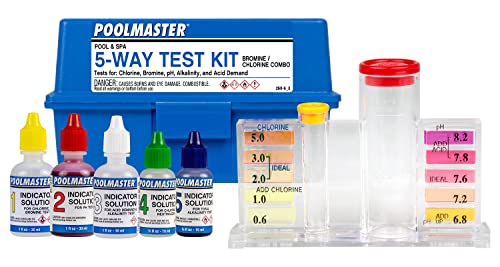
5-WAY WATER TESTING: Accurately tests chlorine, bromine, pH, acid demand, and total alkalinity to help maintain clean, balanced pool and spa water
Chemical Additions
Adding chlorine to your pool chemically disinfects the water. You can use liquid chlorine, chlorine tablets, or granular chlorine. Each form has its own benefits. Liquid chlorine acts quickly, while tablets dissolve slowly, providing a consistent release. When adding chlorine, do it in the evening to minimize sunlight degradation. Always follow the manufacturer’s instructions to avoid over-chlorination.
Regular Maintenance Practices
Implement regular maintenance practices to keep free chlorine levels steady.
- Test Water Frequently: Test pool water every few days, especially in high-use seasons. Use test strips or liquid reagents to measure free chlorine as well as pH levels.
- Adjust pH Levels: Keep pH between 7.4 and 7.6. Use pH increasers or decreasers as needed. Proper pH enhances chlorine effectiveness.
- Use Pool Covers: Cover the pool when not in use to reduce chlorine loss from sunlight. This simple step helps retain chemical balance.
- Shock Your Pool Regularly: Shock treatments raise chlorine levels rapidly, killing bacteria and algae. Do this every 1 to 2 weeks or after heavy rains or pool parties.
- Clean Pool Filters: Regularly clean and maintain your filters to ensure they effectively remove debris and help maintain water clarity, which also supports free chlorine levels.
Consistent practice of these methods effectively maintains free chlorine, enhancing your pool’s safety and enjoyment for everyone.
Conclusion
Maintaining the right level of free chlorine is key to a clean and safe swimming environment. By staying proactive with your pool care routine you can ensure that your water remains inviting and free from harmful bacteria.
Whether you’re using liquid chlorine tablets or granular options remember that timing and regular testing are your best friends. A little effort goes a long way in keeping your pool sparkling and enjoyable for everyone.
So dive in and enjoy your pool knowing you’ve got the chlorine levels just right!
Frequently Asked Questions
What is free chlorine and why is it important for pools?
Free chlorine is the active form of chlorine in pool water that disinfects and kills harmful microorganisms. Maintaining optimal free chlorine levels is crucial for ensuring pool cleanliness and safety for swimmers.
How can I maintain optimal free chlorine levels in my pool?
To maintain optimal free chlorine levels, regularly test your pool water, add chlorine (liquid, tablets, or granular) as needed, and perform regular maintenance practices like pH adjustments and shock treatments.
When is the best time to add chlorine to my pool?
The best time to add chlorine to your pool is in the evening. This reduces the impact of sunlight, which can degrade chlorine levels, ensuring better sanitation overnight.
What are the different forms of chlorine for pools?
The three main forms of chlorine for pools are liquid chlorine, chlorine tablets, and granular chlorine. Each has its benefits, such as convenience, stability, and ease of application, making them suitable for different user preferences.
How often should I test the chlorine levels in my pool?
You should test your pool’s chlorine levels at least 1-2 times a week, and more frequently during periods of heavy usage or extreme weather, to ensure proper sanitation and safety for swimmers.
What maintenance practices help keep free chlorine levels steady?
Regular maintenance practices include testing water regularly, adjusting pH levels, using pool covers to reduce contamination, performing shock treatments, and cleaning filters. These methods collectively help maintain steady free chlorine levels.