Wondering when it’s safe to take a dip after adding bleach to your pool? You’re not alone. Many pool owners face the same question, especially when they want to enjoy a refreshing swim without worrying about safety.
Adding bleach is essential for keeping your pool clean and clear, but timing is everything. If you’ve ever felt the urge to jump in right after treating the water, you might be risking your health. This article will guide you through the recommended waiting times and help you understand why they matter. By the end, you’ll know exactly when it’s safe to enjoy your pool again.
Key Takeaways
- Wait Before Swimming: After adding bleach to your pool, wait at least 30 minutes to 1 hour for chlorine levels to stabilize before swimming.
- Ideal Chlorine Levels: Ensure chlorine levels fall between 1-3 ppm for safe swimming. Testing your pool water before diving in is essential.
- Influencing Factors: The amount of bleach added, pool size, water temperature, sunlight exposure, and water circulation can all impact the necessary waiting time.
- Size-Specific Guidelines: Smaller pools may allow swimming sooner than larger pools; always adjust your wait time based on pool size and chlorine concentration.
- Visual Indicators: Clear, sparkling water signifies a likely safe swimming environment, while cloudy water or a strong bleach smell suggests waiting longer.
- Always Test Water: Use a reliable test kit or strips to check chlorine levels after adding bleach before resuming swimming activities.
Understanding Bleach and Pool Chemistry
Bleach plays a vital role in pool maintenance, helping to keep the water clean and safe for swimming. Understanding how bleach works in pool chemistry can help you determine the right time to jump back into your pool.
What Is Bleach?
Bleach is a chemical solution primarily composed of sodium hypochlorite. It’s widely used as a disinfectant and sanitizer. In pools, bleach helps kill bacteria and algae, keeping the water clear. Pouring bleach into your pool raises the chlorine levels, making it effective for sanitation.
How Bleach Affects Pool Water
When you add bleach, it immediately begins to dissolve and mix with the water. This reaction releases chlorine, which oxidizes impurities and effectively sanitizes the pool. It’s crucial to check the chlorine levels before swimming. Ideally, the level should read between 1 and 3 parts per million (ppm).
You can use a test kit or strips to measure the water’s chlorine concentration. The higher the concentration, the longer you should wait before swimming. After adding bleach, a general recommendation is to wait about 30 minutes to 1 hour for every 5 ppm increase in chlorine. Always follow the manufacturer’s instructions for the bleach product you use to ensure safety.
Safety Guidelines for Swimming After Adding Bleach
Understanding the right protocol for swimming after adding bleach keeps you safe and ensures a pleasant pool experience. Follow these guidelines to determine when it’s safe to enjoy your pool.
Recommended Products
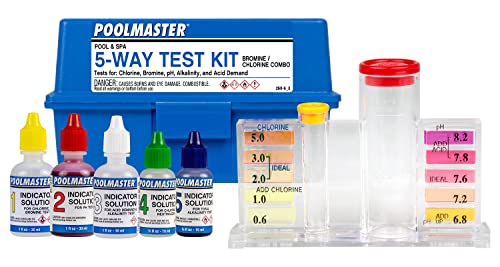
5-WAY WATER TESTING: Accurately tests chlorine, bromine, pH, acid demand, and total alkalinity to help maintain clean, balanced pool and spa water
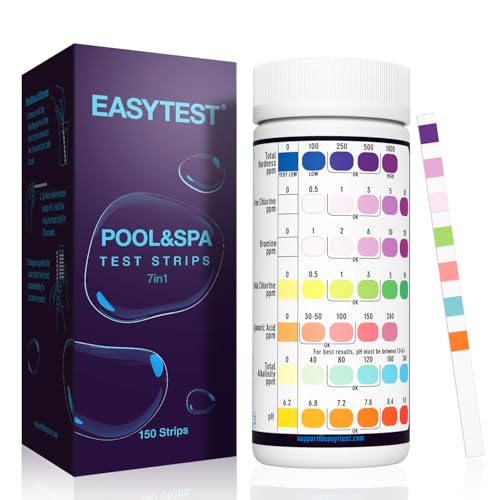
AFFORDABLE 150 STRIPS: This water chemical testing kit contains 150 test strips. Enough balanced for your swimming pool, hot tub, spa and other water testing. At least testing twice a week is recommended to keep your pool sparkling clean and safe.

3-Way Water Test Kit: Save both time and money with these convenient refill packs designed specifically for your 3-way test kit. Ensure you always have the supplies you need on hand for accurate and hassle-free water testing.
Importance of Waiting Period
You must wait before swimming after adding bleach. This waiting period allows chlorine levels to stabilize, minimizing the risk of skin irritation or respiratory issues. Chlorine at levels greater than 3 ppm can lead to discomfort and health problems. Always check chlorine concentrations using a test kit. Once levels drop to between 1-3 ppm, swimming is safe.
Factors That Influence Wait Time
Several factors can affect how long you should wait before swimming:
- Amount of Bleach Added: More bleach increases chlorine levels, necessitating a longer wait. For example, adding 1 cup of bleach raises the chlorine level by about 5 ppm in an average-sized pool.
- Pool Size: Larger pools dilute chlorine faster, leading to a shorter waiting time. Smaller pools may require longer periods for chlorine levels to become safe.
- Water Temperature: Warmer water allows chlorine to dissipate quicker. If your pool water is heated, plan for a shorter wait time.
- Sunlight Exposure: Sunlight breaks down chlorine. If your pool is in direct sunlight, you might swim sooner than expected.
- Water Circulation: Running the pool pump speeds up chlorine distribution and helps lower levels. Ensure the pump runs for at least 30 minutes after adding bleach.
By considering these factors, you can determine the best timing for a safe swim.
Recommended Timeframe for Swimming
Waiting the right amount of time after adding bleach to your pool ensures a safe swimming experience. It’s important to consider various factors when determining this timeframe.
Recommended Products
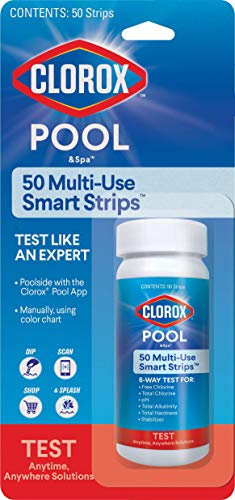
Test Like an Expert: Maintain perfectly balanced pool water with 6-Way Multi-Use Test Strips and the complimentary Clorox Pool app. The app gives do-it-yourself pool owners the tools to proudly and confidently maintain a swim-ready pool all season long.

Fresh, Accurate Pool Test Strips - AquaChek Yellow Chlorine 4-in-1 includes 50 precision test strips—perfect for a full season of reliable water testing for pools and spas that use chlorine. No expired extras, no bulky packs—just fresh, accurate results from AquaChek, the most trusted brand in pool and spa water testing.

AFFORDABLE 7-IN-1 POOL TESTING KIT: Our 150 pool test strips provides an affordable, all in one pool water testing kit for various chemicals including Free Chlorine, Alkalinity, pH levels and more!
General Recommendations
Wait at least 30 minutes to 1 hour after adding bleach before swimming. This duration allows the chlorine levels to settle. Always test your pool water afterwards to ensure chlorine levels fall within the safe range of 1-3 ppm. If your levels are still high, wait longer before entering the water.
Pool Size and Chlorine Levels
Larger pools require different waiting times compared to smaller ones. For example:
- Small Pools (up to 10,000 gallons): After adding bleach, wait about 30-45 minutes if chlorine levels rise to 5 ppm.
- Medium Pools (10,000 – 20,000 gallons): Wait about 1 hour for each 5 ppm increase in chlorine levels.
- Large Pools (over 20,000 gallons): You may wait up to 1.5 hours for a similar 5 ppm increase.
Always keep in mind that faster circulation systems can help distribute bleach more evenly, reducing the waiting time. Factors like sunlight and water temperature also affect chlorine breakdown, so consider these elements when planning your swim.
Signs It’s Safe to Swim
Before diving in, confirm it’s safe to swim. Monitoring chlorine levels and observing visual cues helps ensure safety.
Recommended Products

Chlorine Test Kit: Equipped water quality chart with scientifically calibrated high-resolution colorimetric cards. The color blocks are clearly distinguishable, numerical values are clearly marked. Say goodbye to vague guesses. Whether you are an elderly person or a novice, you can easily and accurately take readings, ensuring that every water quality judgment you make is reliable and accurate.

Reliable Results In Seconds – Everything you need to test your pool or spa is conveniently packaged in the handy storage case, including a comparator to mix samples, and 8 easy-to-use reagents for 6 common water test parameters for DPD testing: Free & Total Chlorine, Bromine, pH, Acid Demand, and Total Alkalinity.

AFFORDABLE 7-IN-1 POOL TESTING KIT: Our 100 pool test strips provides an affordable, all in one pool water testing kit for various chemicals including Free Chlorine, Alkalinity, pH levels and more!
Testing Pool Water
Test your pool water using a reliable test kit. Aim for chlorine levels between 1-3 ppm for safe swimming. If the reading shows higher than 3 ppm, wait until it drops into the safe range. Using test strips provides quick results, while liquid test kits offer precise readings. Conduct testing a few hours after adding bleach to check for even distribution.
Visual Cues
Look for visual indicators that signal it’s time to swim. Clear, sparkling water suggests proper chlorine levels. If the water appears cloudy or has a strong bleach smell, wait until conditions improve. Additionally, observe if any floating debris or algae is present. The absence of these issues typically indicates a safe swimming environment. Always ensure you conduct these checks before entering the pool.
Conclusion
Waiting for the right chlorine levels after adding bleach is all about keeping you and your loved ones safe. By giving it the necessary time and checking the water clarity you can enjoy a refreshing swim without worries. Always remember to test the water before diving in and trust your instincts when it comes to safety. With a little patience and care your pool can be a sparkling oasis ready for fun. Enjoy your swim!
Frequently Asked Questions
What is the role of bleach in pool maintenance?
Bleach, containing sodium hypochlorite, is a disinfection agent used to kill bacteria and algae in swimming pools. It helps maintain clear and safe water for swimming by controlling microbial growth.
How long should I wait to swim after adding bleach?
It is recommended to wait for at least 30 minutes to 1.5 hours after adding bleach before swimming. This allows chlorine levels to stabilize between 1-3 parts per million (ppm), ensuring safe swimming conditions.
How can I check if it’s safe to swim after using bleach?
To ensure safe swimming, test the pool water using a reliable kit to measure chlorine levels. You should also observe visual cues such as water clarity and the absence of debris before entering the pool.
What should chlorine levels be before swimming?
Chlorine levels should be between 1-3 parts per million (ppm) for safe swimming. Keeping within this range helps ensure that the water is effectively disinfected and safe for swimmers.
Why is monitoring chlorine levels important?
Monitoring chlorine levels is crucial for pool safety as it ensures effective disinfection. High or low levels can lead to health risks or ineffective algae and bacteria control, affecting water quality.