Have you ever wondered if you could switch your saltwater pool to a freshwater one? You’re not alone. Many pool owners face this dilemma, whether it’s due to maintenance concerns or personal preference.
Converting a saltwater pool can seem daunting, but it’s definitely possible. This article will guide you through the process, highlighting the benefits and challenges along the way. You’ll discover practical steps to make the switch and tips to ensure a smooth transition. By the end, you’ll have a clearer understanding of what it takes to enjoy a freshwater pool experience.
Key Takeaways
- Feasibility of Conversion: It is entirely possible to convert a saltwater pool into a freshwater system, allowing you to tailor your swimming experience to your preferences.
- Steps Involved: Essential steps for conversion include draining the pool, cleaning it thoroughly, inspecting and potentially upgrading equipment, refilling with freshwater, and balancing water chemistry.
- Cost Considerations: Budget for the conversion, as initial costs can range from $300 to $800 for draining and cleaning, plus additional expenses for equipment upgrades if necessary.
- Maintenance Differences: Transitioning to a freshwater pool requires more frequent testing and adjustment of chemical levels compared to saltwater pools, impacting maintenance routines.
- Pros and Cons: Freshwater pools provide benefits such as lower chemical costs and easier maintenance but may also come with challenges, including higher long-term maintenance and the potential for increased algae growth if not monitored closely.
- Equipping for Success: Having the right tools, like a submersible pump and water testing kits, is crucial for a smooth conversion process and ongoing maintenance.
Understanding Saltwater Pools
Saltwater pools use a salt-chlorine generation system to maintain clean and sanitized water. You don’t add chlorine manually; instead, the system converts salt into chlorine through electrolysis. This process keeps the water clear while having a lower chlorine concentration compared to traditional pools.
How Saltwater Pools Work
Saltwater pools contain a salt-chlorinator, which generates chlorine by passing an electrical current through a saltwater solution. The common salt used is sodium chloride, typically at a concentration of 2,500 to 4,000 parts per million. The generator converts this salt into chlorine, effectively killing bacteria and algae while softening the water. This method minimizes the need for chemical additives and reduces skin and eye irritation, creating a more pleasant swimming experience.
Benefits of Saltwater Pools
Saltwater pools offer several advantages, making them increasingly popular among pool owners. These include:
- Lower Chlorine Levels: Saltwater pools maintain chlorine levels that are generally lower than those found in traditional pools, resulting in less irritation for swimmers.
- Softer Water: Saltwater feels softer and gentler on the skin, enhancing your swimming experience.
- Reduced Chemical Use: You rely less on harsh chemicals for sanitation, lowering overall pool maintenance costs.
- Easier Maintenance: The automatic chlorine generation means less frequent manual chlorination, simplifying your pool upkeep.
- More Eco-Friendly: Saltwater pools are often perceived as more environmentally friendly due to reduced chemical usage, which can positively impact local ecosystems.
By understanding how saltwater pools operate and their key benefits, you can make informed decisions about pool maintenance and the potential transition to a freshwater system.
Converting a Saltwater Pool to Freshwater
Converting a saltwater pool to a freshwater system is entirely possible and involves a few clear steps. By understanding the process and preparing adequately, you can achieve this transformation smoothly.
Recommended Products

Parts Number # 4560 40mm Fit for Intex Hose Adapter: The pool filter hose to filter port converter 40mm male end and one 1 1/2-inch (38mm) male end,for connecting Intex, Coleman above-ground filter hoses to other brands of pool filter pumps. Suitable for 1 1/2" standard inlet and outlet.Also fit for Bes'tway pools hose adapter

Hose Conversion Adapter Kit --- Replacement Intex Short Connection Kit connects a 40mm hose to a 1 1/4" or 1 1/2" standard filter port for connecting Intex Brand Above Ground Pools to non-Intex Brand Above Ground Pools.

Compatible with Intex Pool Hose Connector Kit: 4560 pool hose conversion kit 40mm hoses to standard 1 1/4”or 1 1/2'' conversion kit, compatible with Intex Hayward Coleman hose conversion adapters kit for connecting above ground pools pump.
Steps to Conversion
- Drain the Pool: Start by draining the saltwater from your pool. Use a submersible pump for efficiency. Ensure you follow local regulations regarding water discharge.
- Clean the Pool: After draining the water, thoroughly clean the pool surfaces. Scrub away any salt deposits, algae, or debris. This step keeps water quality high in the future.
- Inspect Equipment: Check your pool’s filtration and circulation systems. If they’re compatible with freshwater, no need for replacements. If not, prepare to upgrade specific parts.
- Add Freshwater: Refill the pool with fresh, clean water. Use a hose or water truck for large volumes, depending on your pool size.
- Balance Water Chemistry: Test and balance the water chemistry, focusing on pH, alkalinity, and chlorine levels. Aim for a pH between 7.2 and 7.8 and alkalinity around 80-120 ppm.
- Install a New Chlorinator (If Necessary): Depending on your maintenance preference, you might want to add a traditional chlorinator for sanitization. Follow manufacturer instructions for installation.
- Regular Maintenance: Post-conversion, maintain water balance regularly. Keep the pool filter clean and check chlorine levels, ensuring a safe swimming environment.
- Submersible Pump: For draining the pool efficiently.
- Pool Cleaning Supplies: Brushes, scrubbing pads, and possibly a pressure washer for cleaning surfaces.
- Water Testing Kit: To check your pool’s chemical balance.
- Chlorinator: If required for chlorine addition.
- Hose or Water Truck: For refilling your pool with freshwater.
- Pool Filter: Ensure your current filter can handle the new freshwater system; upgrade if necessary.
By following these steps and having the right equipment, you can transition your saltwater pool into a refreshing freshwater oasis.
Challenges of Conversion
Converting a saltwater pool to a freshwater pool involves several challenges that pool owners should consider. Understanding these challenges helps ensure a successful transition.
Recommended Products

Reliable Results In Seconds – Everything you need to test your pool or spa is conveniently packaged in the handy storage case, including a comparator to mix samples, and 8 easy-to-use reagents for 6 common water test parameters for DPD testing: Free & Total Chlorine, Bromine, pH, Acid Demand, and Total Alkalinity.
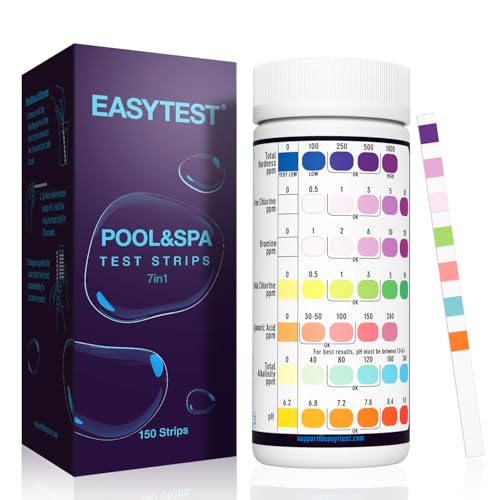
AFFORDABLE 150 STRIPS: This water chemical testing kit contains 150 test strips. Enough balanced for your swimming pool, hot tub, spa and other water testing. At least testing twice a week is recommended to keep your pool sparkling clean and safe.

3-Way Water Test Kit: Save both time and money with these convenient refill packs designed specifically for your 3-way test kit. Ensure you always have the supplies you need on hand for accurate and hassle-free water testing.
Cost Considerations
Initial expenses for the conversion include draining the pool, cleaning, and potentially replacing equipment. You might face costs of approximately $300 to $800 for professional help to drain and clean your pool. If your saltwater system needs a replacement with a freshwater chlorinator, consider an additional $200 to $600. Routine maintenance costs may also change. Freshwater systems often require different chemical balances, which can add $50 to $150 a month for water treatments.
Maintenance Differences
Transitioning from saltwater to freshwater requires a shift in maintenance routines. Maintaining freshwater pools involves more frequent checking of pH levels and chlorine. This might mean testing the water once a week instead of every two weeks, especially during peak swim seasons. You may need to add chlorine more often, particularly in warmer months. Regularly cleaning the pool is essential, possibly requiring more vacuuming and brushing than before. Keeping a close eye on calcium hardness and alkalinity becomes crucial, along with checking for algae growth, which can become more pronounced in freshwater pools.
By understanding these challenges, you can navigate the conversion process more smoothly and ensure a safe swimming experience.
Pros and Cons of Freshwater Pools
Freshwater pools offer unique benefits and drawbacks that can influence your decision on conversion. Understanding these aspects helps ensure you make informed choices.
Recommended Products
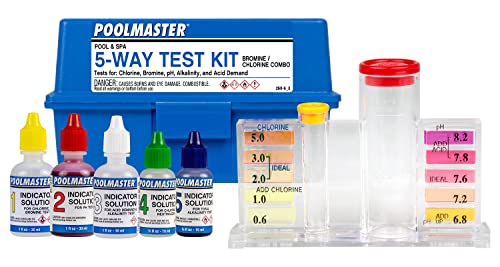
5-WAY WATER TESTING: Accurately tests chlorine, bromine, pH, acid demand, and total alkalinity to help maintain clean, balanced pool and spa water

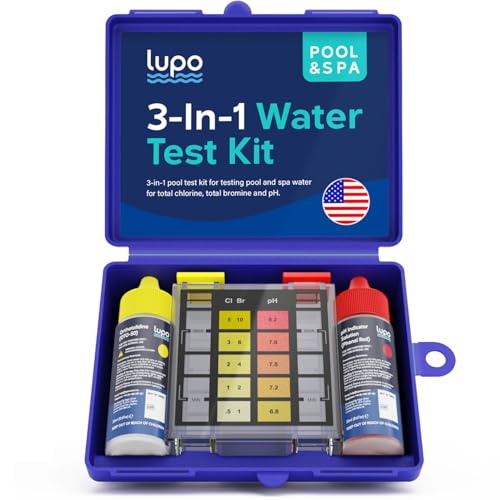
3-IN-1 POOL TESTING KIT: An easy-to-use, accurate pool test kit for testing three essential water quality parameters in residential pools and spas: Total Chlorine, Total Bromine, and pH. Includes enough reagents for 100 tests, helping keep your water safe, clean, balanced, and ready to use anytime.
Advantages of Freshwater Pools
- Lower Chemical Costs: Freshwater pools often use less expensive chlorine products and fewer chemicals compared to saltwater systems.
- Easier Maintenance: Monitoring pH levels and chlorine levels can be simpler. You use standard testing kits and increase chemical treatment when necessary.
- Better for Sensitive Skin: Freshwater typically causes less irritation for those with sensitive skin or allergies, providing a more comfortable swimming experience.
- Clearer Water: Freshwater pools maintain clarity due to fewer dissolved solids, making them visually appealing and inviting for swimmers.
- Lower Equipment Corrosion: Flowers less salty water results in diminished corrosion risk for pool equipment, extending their lifespan.
- Frequent Chemical Balancing: Freshwater pools require regular adjustments to maintain proper chemical levels. You must test and treat the water more often than in saltwater pools.
- Higher Chlorine Dependency: Freshwater pools heavily rely on chlorination, which can lead to strong odors, especially when levels are high.
- Initial Cost of Equipment: You might need to purchase new equipment like a chlorinator, depending on previous installations and current needs.
- Higher Long-Term Maintenance: More labor-intensive maintenance schedules can be necessary. Regular cleaning, vacuuming, and monitoring become routine tasks.
- Potential for Algae Growth: Freshwater pools may experience more frequent algae blooms if not properly maintained, necessitating additional cleanup and chemical treatments.
Conclusion
Switching your saltwater pool to a freshwater one can be a rewarding decision. You’ll enjoy the benefits of lower chemical costs and clearer water while providing a gentler swimming experience for those with sensitive skin.
Just keep in mind the challenges you might face with maintenance and chemical balancing. With the right preparation and knowledge, you can make this transition smoothly. Embrace the change and enjoy your new freshwater oasis!
Frequently Asked Questions
How can I convert my saltwater pool to a freshwater pool?
To convert a saltwater pool to a freshwater pool, first, drain the pool completely. Next, clean all surfaces and equipment to remove salt residue. After that, balance the water chemistry, and consider installing a new chlorinator suitable for freshwater. Regular maintenance is essential to ensure optimal water quality.
What are the benefits of having a freshwater pool?
Freshwater pools generally have lower chemical costs and require easier maintenance. They are beneficial for users with sensitive skin, providing clearer water and reduced equipment corrosion. Additionally, they can enhance the overall swimming experience.
What challenges might I face when changing to a freshwater pool?
Key challenges include the need for frequent chemical balancing and potentially increased dependency on chlorine. Initial equipment costs might be higher, and long-term maintenance could also increase. There’s also a risk of algae growth if not monitored properly.
Is a chlorinator necessary for a freshwater pool?
Yes, a chlorinator is typically necessary for a freshwater pool to maintain proper sanitation levels. It helps to regulate chlorine levels, ensuring that the water remains safe and clean for swimming.
How often should I check the chemical balance of a freshwater pool?
It’s advisable to check the chemical balance of a freshwater pool at least once a week. Regular testing helps prevent issues such as algae growth and maintains a healthy swimming environment.