Have you ever thought about converting your above ground pool to a saltwater system? You’re not alone. Many pool owners are making the switch to enjoy the softer water and lower maintenance that comes with saltwater pools. But is it really possible to transform your existing setup?
In this article, you’ll discover whether your above ground pool can be upgraded to saltwater and what steps you need to take. We’ll cover the benefits of saltwater systems, the necessary equipment, and any potential challenges you might face. By the end, you’ll have a clear understanding of how to make your pool experience even better.
Key Takeaways
- Conversion Feasibility: Above ground pools can be converted to saltwater systems, offering numerous benefits compared to traditional chlorination methods.
- Key Benefits: Saltwater pools provide softer water, lower chemical maintenance costs, and reduce skin and eye irritation, promoting a more enjoyable swimming experience.
- Equipment Compatibility: It’s crucial to evaluate your existing pool equipment, such as pumps, filters, and heaters, for compatibility with saltwater systems to avoid additional costs.
- Maintenance Changes: Transitioning to saltwater requires adjustments in maintenance routines, including regular monitoring of salt levels and periodic cleaning of the salt cell.
- Cost Efficiency: Despite higher initial setup costs, saltwater systems can lead to long-term savings through reduced chemical purchases and longer equipment lifespan.
- Step-by-Step Process: Follow a clear procedure for conversion, including water chemistry balancing, installing a salt chlorinator, and ongoing maintenance practices for optimal performance.
Overview of Above Ground Pools
Above ground pools offer an accessible option for many homeowners. These pools come in various shapes and sizes, providing flexibility in installation and design. Typically, above ground pools consist of a metal frame and a vinyl liner, which allows for easy assembly and disassembly.
Types of Above Ground Pools
- Steel Wall Pools: Durable and long-lasting. Steel wall pools can withstand harsh weather conditions and corrosion.
- Aluminum Wall Pools: Lightweight and rust-resistant. Aluminum pools provide added flexibility for seasonal use.
- Inflatable Pools: Easy to set up and remove. Inflatable pools are ideal for temporary use, though they’re less durable.
Installation Process
Installing an above ground pool involves several steps:
- Site Preparation: Choose a flat area, clear debris, and measure the space.
- Base Installation: Add a level base using sand or foam for stability.
- Frame Assembly: Follow manufacturer’s instructions to assemble the pool frame.
- Liner Placement: Carefully install the liner, ensuring it fits snugly without wrinkles.
- Filling and Setup: Fill the pool with water, then set up the filtration and pump system.
Maintenance Overview
Maintaining an above ground pool requires regular care:
- Water Balance: Test water pH, alkalinity, and chlorine levels weekly.
- Cleaning: Remove debris weekly from the surface and monthly from the walls.
- Equipment Checks: Inspect the pump and filtration system regularly for efficiency.
Popularity Reasons
Above ground pools attract many for several reasons:
- Cost-Effectiveness: More affordable than in-ground pools, both for purchase and maintenance.
- Ease of Installation: Faster to set up, often within a few days.
- Portability: Can be relocated or removed when needed.
Understanding the components and maintenance requirements of above ground pools sets the foundation for considering a conversion to saltwater systems. You gain insights into care and functionality, making the transition smoother.
Benefits of Converting to Saltwater
Converting your above ground pool to a saltwater system offers numerous advantages. You’ll enjoy a smoother swimming experience and reduced upkeep.
Recommended Products

✔ UPGRADE TO A SALTWATER POOL – QS400 saltwater system lets you enjoy the same process used for in-ground swimming pools to keep your above ground pool sparkling clear, suitable for pools up to 4,500 gallons.

Health Benefits
Health benefits come from saltwater’s gentler nature. Saltwater pools contain lower chlorine levels, making it easier on your skin and eyes. You may notice less irritation and fewer allergic reactions. Additionally, saltwater’s natural buoyancy can provide relief for sore muscles and joints, making swimming a more enjoyable and therapeutic experience.
Cost Efficiency
Cost efficiency stands out when considering long-term savings. While initial setup costs for a saltwater system can be higher, the regular maintenance costs tend to be lower. Salt cell generators produce chlorine automatically, leading to a decrease in the need for purchasing chemical supplies. You might save hundreds of dollars annually by reducing chemical expenses, and the lifespan of saltwater equipment often exceeds traditional chlorination systems, adding to potential savings.
Challenges of Conversion
Converting an above ground pool to a saltwater system presents challenges that require careful consideration. Understanding these hurdles helps in making an informed decision.
Recommended Products

Reliable Results In Seconds – Everything you need to test your saltwater pool or spa is conveniently packaged in the handy storage case, including a comparator to mix samples, and 15 easy-to-use reagents for 9 common water test parameters for FAS-DPD High Range testing: Free & Combined Chlorine, pH, Acid & Base Demand, Total Alkalinity, Calcium Hardness, Cyanuric Acid (CYA), and Chloride (Sodium Chloride).

Convenient: Streamlines closing your saltwater pool with all necessary chemicals included, saving time and chemical usage.

Have a Saltwater Pool? Close your pool confidently with AquaDoc's inground and above ground pool winterizing kit, designed for saltwater pools to help maintain clear water and protect surfaces during the winter season.
Equipment Compatibility
Equipment compatibility poses a significant challenge when converting to saltwater. Saltwater chlorinators are essential for maintaining the system, but older pool pumps and filters may not be suitable.
- Check your pump for compatibility with salt systems.
- Inspect your filter type. Sand and cartridge filters generally work, while DE filters may need adjustments.
- Examine your heater, as not all heaters are saltwater-friendly. If it’s not compatible, replacement may be necessary.
Evaluate all existing equipment to avoid costs from incompatible parts.
Maintenance Requirements
Transitioning to a saltwater system changes maintenance routines. While saltwater pools often require less chemical balancing, specific maintenance tasks remain essential.
- Monitor salt levels regularly. Ideal levels range from 2700 to 3400 ppm for optimal performance.
- Clean the salt cell every three to five months. Build-up can hinder efficiency.
- Check the pH levels frequently, aiming for a range of 7.2 to 7.8 to prevent corrosion or scaling.
Prepare for new routines to ensure a smooth running pool. Understanding these maintenance shifts helps you enjoy the benefits of a saltwater pool with minimal hassle.
Step-by-Step Conversion Process
Converting your above ground pool to a saltwater system involves several straightforward steps. Follow this guide for a smooth transition.
Recommended Products
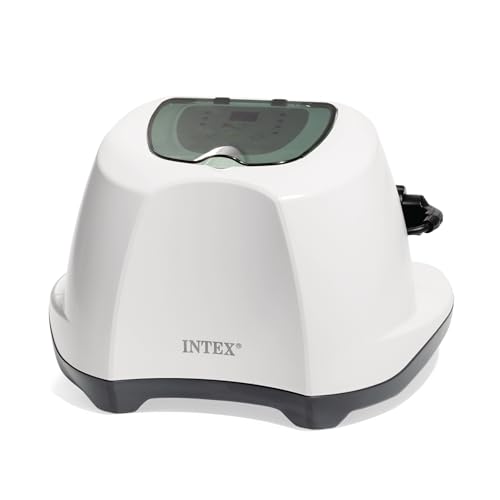
✔ UPGRADE TO A SALTWATER POOL – QS500 saltwater system lets you enjoy the same process used for in-ground swimming pools to keep your above ground pool sparkling clear, suitable for pools up to 7,000 gallons.

The SR075 Salt Chlorine Generator is designed for small above ground pools, with 3 models, the SR050, SR075, and SR100 corresponding to 6,000 gallons, 9,000 gallons, and 12,000 gallons respectively.

✔ UPGRADE TO A SALTWATER POOL – Enjoy the same process used for in-ground swimming pools to keep your above ground pool sparkling clear with the ease of less maintenance
Preparing the Pool
- Clear the Area: Remove any debris, furniture, or equipment around the pool. A clean workspace ensures safety and efficiency.
- Check Compatibility: Inspect your current pool equipment for compatibility with saltwater systems. Focus on pumps, filters, and heaters. Consult equipment manuals for specifications.
- Balance Water Chemistry: Test the water’s chemistry before installation. Ideal pH levels should range between 7.2 and 7.8. Adjust alkalinity and calcium hardness as needed.
- Drain Pool Water: If high levels of chlorine persist, consider draining a portion of the pool. Aim for levels below 3 parts per million (ppm) before converting.
- Gather Supplies: Obtain a saltwater chlorinator unit that matches your pool size. Make sure to review its specifications for installation.
- Install Salt Cell: Cut the plumbing where the chlorinator will connect. Follow the manufacturer’s instructions to install the salt cell securely.
- Connect Power Supply: Locate an appropriate power source for the chlorinator. Use a qualified electrician for safe installation. Ensure that all connections comply with local codes.
- Add Salt: Calculate the appropriate amount of salt based on pool volume. Add salt directly to the pool, allowing it to dissolve thoroughly.
- Set Up Chlorinator: Adjust the chlorinator settings according to the manufacturer’s recommendations. Monitor settings until you achieve optimal chlorine production.
- Regular Maintenance: Clean the salt cell every few months for maximum efficiency. Test salt levels weekly, aiming for a range of 2700 to 3400 ppm.
Follow these steps, and you’ll enjoy the benefits of a saltwater pool experience in your above ground pool.
Conclusion
Switching your above ground pool to a saltwater system can be a game changer for your swimming experience. You’ll enjoy softer water and lower maintenance while reaping health benefits.
By following the steps outlined and ensuring your equipment is compatible, you can make this transition smoothly. With a little effort you’ll create a refreshing oasis that enhances your backyard enjoyment.
So go ahead and dive into the saltwater experience. You won’t regret it!
Frequently Asked Questions
What are the benefits of converting an above ground pool to a saltwater system?
Converting to a saltwater system offers smoother water, reduced chemical use, lower maintenance, and potential health benefits. Saltwater pools can enhance swimmer comfort and are generally gentler on skin and eyes compared to traditional chlorine pools.
What equipment is needed to convert to a saltwater pool?
To convert to a saltwater pool, you typically need a saltwater chlorinator, a salt cell, appropriate plumbing fittings, and a testing kit for water chemistry. Ensure your pool pump and filter are compatible with a saltwater system as well.
How do I check if my pool equipment is compatible with saltwater?
To check compatibility, review the manufacturer’s specifications for your current equipment, focusing on materials that resist corrosion. Most newer pool equipment is designed to handle saltwater, but older models may not be suitable.
What are the common challenges faced during conversion?
Common challenges include ensuring equipment compatibility, balancing water chemistry, and managing salt levels properly. Additionally, homeowners may need to adjust their maintenance routines to account for changes in water chemistry with a saltwater system.
What steps are involved in converting my pool to a saltwater system?
Steps include preparing the pool, checking compatibility, balancing water chemistry, draining old water, gathering supplies, installing the salt cell, connecting the power supply, adding salt, and setting up the chlorinator. Regular maintenance ensures optimal performance.
How often should I maintain my saltwater pool?
Maintenance of a saltwater pool typically involves testing water chemistry weekly, cleaning the filter regularly, and monitoring salt levels every few months. Additionally, inspect the salt cell periodically and replace it as needed, generally every 3-5 years.
Is it safe for kids and pets to swim in a saltwater pool?
Yes, saltwater pools are generally safe for kids and pets. The salt concentration is much lower than ocean water, making it gentler on skin and eyes, but always supervise children and pets when they are swimming.