Is your pool looking more like a swamp than a refreshing oasis? You’re not alone. Many pool owners face the frustration of cloudy water, which can ruin a perfect summer day. But before you reach for expensive chemicals, have you ever considered using baking soda?
Key Takeaways
- Understanding Cloudiness: Cloudy pool water can result from various factors such as algae growth, high calcium levels, chemical imbalances, and debris accumulation.
- Importance of Clarity: Clear pool water enhances visual appeal, promotes safety, improves chemical efficiency, and extends the longevity of pool equipment.
- Baking Soda Benefits: Baking soda acts as a natural alkalizing agent, helping to balance pH levels and increase alkalinity, which contributes to improved water clarity.
- Effective Application: To use baking soda, test the water, calculate the appropriate dosage (1.5 pounds per 10,000 gallons for a 10 ppm increase), and distribute it evenly across the pool.
- Limitations of Baking Soda: While baking soda can improve water quality, it may not directly eliminate algae or address high calcium levels, requiring additional treatments for severe issues.
- Regular Maintenance: Implement a consistent pool maintenance routine involving testing, filtration, and debris removal to prevent cloudiness and maintain clarity effectively.
Understanding Cloudy Pools
Cloudy pool water is a common issue that can affect anyone. Various factors contribute to this problem, making it essential to understand the causes and importance of clarity.
Common Causes of Cloudiness
- Algae Growth: Algae blooms often cause cloudiness. Warm temperatures and poor circulation lead to unchecked growth.
- High Levels of Calcium: Excess calcium can create a hazy appearance. It often comes from hard water sources and unbalanced chemical levels.
- Debris Accumulation: Leaves, dirt, and other debris can make water appear murky. Inadequate skimming and cleaning worsen the issue.
- Chemical Imbalances: pH, alkalinity, and chlorine levels must remain balanced. An imbalance can cloud the water, preventing proper sanitation.
- Inadequate Filtration: A malfunctioning filter can prevent effective cleaning. If your filter isn’t working efficiently, cloudiness can result.
Importance of Clarity in Pool Water
Clear pool water is essential for several reasons:
- Aesthetic Appeal: Clear water enhances the pool’s visual appeal. It attracts swimmers and provides a more inviting atmosphere.
- Safety and Health: Cloudy water hides potential hazards. Clear visibility enables swimmers to identify dangers like sharp objects or other swimmers.
- Chemical Efficiency: Clarity aids in effective chemical treatments. Proper clarity ensures chemicals work correctly, maintaining water quality.
- Equipment Longevity: Clean water helps preserve pool equipment. It prevents build-up and extends the life of pumps and filters.
Recognizing the causes and importance of clarity helps in maintaining a healthy pool environment. If you experience cloudiness, addressing these factors can lead you to a clearer solution.
The Role of Baking Soda in Pool Maintenance
Baking soda plays a vital role in maintaining pool water clarity. It acts as a natural alkalizing agent, helping to stabilize pH levels and enhance overall water quality.
Recommended Products

For Raising Total Alkalinity: The Alkalinity Increaser helps maintain balanced pH levels in your pool water. Proper alkalinity levels reduce the need for frequent maintenance, and our product's granulated formula is easy to apply and dissolves quickly.

Raises Low pH: Clorox Pool&Spa Swimming Pool pH Up is formulated to elevate the pH levels in swimming pool water. By increasing pH levels, it helps in restoring water parameters to their ideal ranges, ensuring a balanced and healthy swimming environment.

In Swim Alkalinity Increaser maintains pH and chlorine levels.
Chemical Composition and Benefits
Baking soda, or sodium bicarbonate, consists of sodium, hydrogen, carbon, and oxygen. This simple composition offers several benefits for your pool:
- pH Balance: Baking soda raises pH levels when the water becomes too acidic. Stable pH promotes effective disinfection and prevents corrosion of pool equipment.
- Alkalinity: It increases total alkalinity, which helps buffer pH fluctuations. Balanced alkalinity protects against sudden changes that can lead to cloudy water.
- Water Clarity: Proper pH and alkalinity levels contribute to clearer water by reducing the likelihood of cloudy conditions associated with imbalanced chemicals.
How Baking Soda Works
Baking soda works by dissolving in water and releasing bicarbonate ions. These ions react with hydrogen ions, neutralizing acidity in the water. Here’s how to use it effectively:
- Test Water: Use a water testing kit to determine the current pH and alkalinity levels.
- Calculate Amount: For every 10,000 gallons of water, add about 1.5 pounds of baking soda to raise alkalinity by 10 ppm. Adjust the amount based on test results.
- Distribute Evenly: Broadcast the baking soda evenly across the pool surface to ensure dispersion.
- Run Filter: Allow the pool filter to run for at least 24 hours after adding baking soda. This helps circulate the chemicals and promotes clarity.
Using baking soda not only addresses cloudy water issues but also supports ongoing pool health, enhancing your swimming experience.
Can Baking Soda Clear a Cloudy Pool?
Baking soda offers a potential solution for cloudy pool water, but its effectiveness depends on the underlying cause of the cloudiness.
Recommended Products

Super Water Clarifier: Clorox Pool&Spa Swimming Pool Super Water Clarifier is a concentrated solution that clears dull, hazy, or cloudy pool water, leaving it sparkling clear. Ideal for restoring the clarity and sparkle of your pool.

CRYSTAL CLEAR WATER MADE EASY: This box of ARM & HAMMER Clear Balance contains 24 tablets; your pool’s summer bestie for maintaining ideal alkalinity and pH levels, the easy way
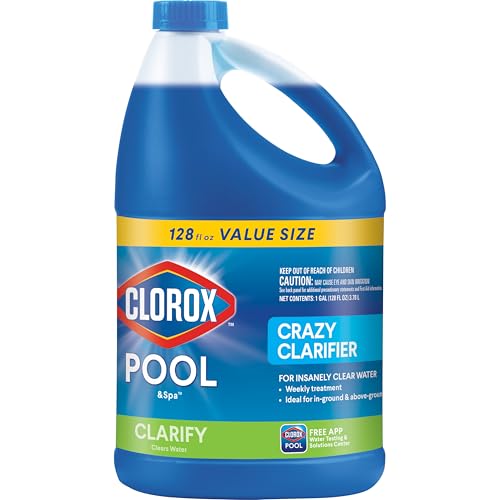
Clears Cloudy Water: Clorox Pool&Spa Swimming Pool Crazy Clarifier ensures insanely clear water. This super-charged pool clarifier maintains clarity by improving filtration and clearing cloudy, hazy water.
Effectiveness for Different Causes
- Algae Growth: Baking soda won’t eliminate algae directly but can help create a balanced environment. Proper chemical levels prevent algae growth, improving clarity.
- High Calcium Levels: Baking soda can lower calcium hardness indirectly. However, you might need a calcium reducer to tackle severe issues effectively.
- Debris Accumulation: Use baking soda to enhance clarity, but it’s essential to regularly clean skimmers and filters to remove physical debris.
- Chemical Imbalances: Baking soda is excellent for balancing pH and alkalinity levels. Maintaining these levels helps prevent cloudiness.
- Inadequate Filtration: While baking soda improves water quality, ensure the filtration system runs effectively and continuously for optimal clarity.
- Testing: Start by testing your pool’s pH and alkalinity. Aim for a pH level between 7.2 and 7.6.
- Dosage: For 10,000 gallons of water, add 1.5 pounds (24 ounces) of baking soda to raise alkalinity by roughly 10 parts per million (ppm). Repeat the test after 24 hours, then adjust accordingly.
- Application:
- Disperse baking soda evenly across the pool surface.
- Avoid adding it all at once.
- Turn on the pool pump to help distribute it quickly.
- Post-Application: Once levels stabilize, monitor the water clarity. It can take time for changes to fully manifest, so observe for a few days.
Using baking soda can significantly assist in maintaining pool clarity and overall health, complementing your regular maintenance routine.
Alternative Solutions for Cloudy Pools
You can explore several alternatives to baking soda for clearing up cloudy pool water. These solutions address various causes of cloudiness and can help restore your pool’s clarity effectively.
Recommended Products

BENEFIT: Shock treat, sanitize, clarify, and help prevent bacteria and algae in your swimming pool water, all with this convenient, easy-to-use product

Liquid Pool Shock: Champion Pool Shock is commercial-grade liquid chlorine made with 12.5 percent sodium hypochlorite, supplied as four 1-gallon jugs for residential and commercial pools.

4 in 1 Formula: Kills bacteria and won’t impact pH. Clears cloudy water. Destroys contaminants. Improves filter performance
Other Chemical Treatments
- Chlorine Shock: Administering a chlorine shock treatment clears up cloudy water caused by algae or organic matter. Use a granular or liquid form for quick dispersion. Maintain proper chlorine levels (around 3-5 ppm) in the pool afterward.
- Flocculants: Flocculants gather tiny particles and debris into larger clumps that drop to the pool bottom, making them easier to vacuum. Use according to product instructions for effective results. Expect to clear the pool within a few hours.
- pH Adjusters: Maintaining the right pH (7.4-7.6) helps prevent cloudiness. If pH levels are too low, you may need a pH increaser; if too high, use a pH reducer. Frequent testing ensures the water stays balanced.
- Algaecides: These products specifically target and eliminate algae growth. When you notice green or cloudy water, consider adding an algaecide. Follow manufacturer directions for dosage and application.
- Regular Testing: Test pool water at least once a week to monitor pH, alkalinity, and chlorine levels. Keep a testing kit handy for quick checks.
- Proper Filtration: Run your pool filter for a minimum of 8-12 hours daily. Clean or replace filter cartridges as needed to maintain efficiency.
- Skimming and Vacuuming: Remove debris, leaves, and dirt regularly. Use a skimmer net daily and vacuum the pool weekly to prevent accumulation.
- Cover the Pool: When not in use, cover the pool with a quality pool cover. Covers help keep debris out and prevent water evaporation, minimizing cloudiness.
- Balanced Chemicals: Maintain balanced chemical levels in your pool. Adjustments should be made gradually to avoid drastic changes that can lead to cloudiness.
Following these tips and interventions will help maintain the clarity of your pool water and ensure a pleasant swimming experience.
Conclusion
Baking soda can be a game-changer for your cloudy pool. Its ability to balance pH and alkalinity not only helps clear up the water but also promotes a healthier swimming environment. By addressing the root causes of cloudiness and using baking soda as part of your pool maintenance routine, you’re setting yourself up for success.
Don’t forget to combine this method with regular cleaning and testing to keep your pool sparkling clear. With a little effort and the right approach, you can enjoy a beautiful pool that’s always ready for a refreshing dip. Happy swimming!
Frequently Asked Questions
What causes cloudy pool water?
Cloudy pool water can be caused by several factors including algae growth, high calcium levels, debris accumulation, chemical imbalances, and inadequate filtration. Understanding these causes is essential for effective pool maintenance.
How does baking soda help clear cloudy pool water?
Baking soda helps clear cloudy pool water by stabilizing pH levels and improving water clarity. It neutralizes acidity, enhances alkalinity, and promotes a healthier pool environment.
Is using baking soda a cost-effective solution?
Yes, using baking soda is a cost-effective solution compared to other chemical treatments for maintaining clear pool water and proper pH levels.
What are some alternative solutions for cloudy pools?
Alternative solutions include chlorine shock treatments, flocculants, algaecides, pH adjusters, regular testing, proper filtration, skimming, vacuuming, and using pool covers to maintain clarity.
Why is clear pool water important?
Clear pool water is important for aesthetic appeal, safety, chemical efficiency, and equipment longevity. It ensures a pleasant swimming experience and a healthy pool environment.
How can I maintain proper pH in my pool?
To maintain proper pH, regularly test your pool water, adjust with pH increasers or decreasers as needed, and use baking soda to help stabilize alkalinity and clarity.