Thinking about converting your pool to saltwater? You’re not alone. Many pool owners are making the switch for a smoother swimming experience and easier maintenance. Imagine enjoying a refreshing dip without the harsh chemicals of traditional chlorine pools. It sounds appealing, right?
In this article, you’ll discover the benefits of saltwater pools, the conversion process, and what to expect along the way. Whether you’re tired of itchy skin or just want a more eco-friendly option, you’ll find valuable insights to help you decide if this change is right for you. Let’s explore how you can transform your backyard oasis into a saltwater paradise.
Table of Contents
- 1 Key Takeaways
- 2 Understanding Saltwater Pools
- 3 Benefits of Saltwater Pool Conversion
- 4 Challenges of Converting to Saltwater
- 5 The Conversion Process
- 6 Conclusion
- 7 Frequently Asked Questions
- 7.1 What are the benefits of converting a pool to saltwater?
- 7.2 How do I know if my pool is compatible with saltwater?
- 7.3 What steps are involved in converting a pool to saltwater?
- 7.4 Do I need to change my pool equipment for saltwater?
- 7.5 Is maintaining a saltwater pool different from a traditional pool?
Key Takeaways
- Understanding Saltwater Pools: Saltwater pools utilize a chlorinator to convert salt into chlorine, leading to a gentler swimming experience compared to traditional chlorine pools.
- Benefits of Conversion: Enjoy softer water, lower chemical use, easier maintenance, and long-term cost savings when switching to a saltwater system.
- Conversion Steps: Key steps in the conversion include assessing your pool, selecting and installing a chlorinator, adding salt, and regularly testing water chemistry.
- Expectations Post-Conversion: After conversion, expect clearer water, reduced maintenance needs, and the necessity for saltwater-compatible equipment to prevent corrosion.
- Cost Considerations: Initial conversion costs can range from $1,500 to $3,000, including the chlorinator and salt, but users often see significant savings on chemicals over time.
- Challenges to Address: Be aware of potential challenges like initial installation costs and the need for equipment replacement to ensure compatibility with saltwater systems.
Understanding Saltwater Pools
Saltwater pools operate differently than traditional chlorine pools. Instead of adding chlorine directly, a saltwater system uses a salt cell to convert salt into chlorine through electrolysis. This process creates chlorine at a consistent level, providing a gentler swimming experience.
Benefits of Saltwater Pools
- Softer Water: Saltwater feels smoother and less harsh on the skin, reducing irritation for swimmers.
- Lower Chemical Use: With a self-generating chlorine system, you use fewer store-bought chemicals.
- Easier Maintenance: Saltwater systems require less routine maintenance, as they continuously monitor and adjust chlorine levels.
- Cost-Effective: Over time, savings on chemicals and maintenance often outweigh the initial setup costs.
Conversion Process
Converting to a saltwater pool involves several steps:
- Assess Your Pool: Determine the size and current filtration system of your pool.
- Select a Saltwater Chlorinator: Choose a unit suitable for your pool size. Consider factors like energy efficiency and warranty.
- Install the Chlorinator: Follow the manufacturer’s instructions for proper installation. Ensure it connects to your pool’s plumbing and electrical system.
- Add Salt: Use pool-grade salt, adding the recommended amount based on your pool’s water volume. Aim for a concentration of about 3,000-3,500 parts per million (ppm).
- Test Water Regularly: After conversion, monitor your pool’s salinity and chlorine levels weekly to maintain balance.
What to Expect After Conversion
After converting your pool to saltwater, you might notice:
- Clearer Water: The electrolysis process helps keep water clean and clear by continuously producing chlorine.
- Less Maintenance: Expect fewer trips to the store for chemicals. Saltwater pools typically require fewer adjustments.
- Life of Equipment: Saltwater can be more corrosive, so consider using equipment rated for saltwater use to prolong its lifespan.
These insights should help you weigh the benefits and challenges of converting your pool to saltwater. Research and prepare to ensure a successful transition.
Benefits of Saltwater Pool Conversion
Saltwater pools offer numerous advantages over traditional chlorine pools. The benefits include significant cost savings and reduced maintenance efforts, making your swimming experience even better.
Recommended Products
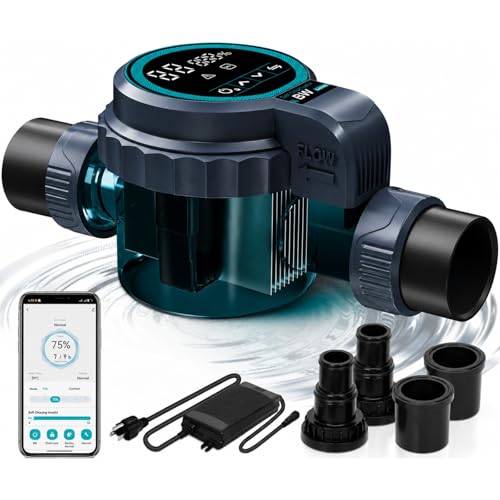
【Massive 25g/H Chlorine Output】: Convert your above-ground swimming pool into a crystal-clear oasis! With a 25g/h output, a smart saltwater chlorinator efficiently disinfects pools up to 31,700 gallons using electrolysis. Simply add food-grade sea salt (99.6% NaCl) for continuous sodium hypochlorite production—no chlorine tablets needed.

Easily converts your PureSpa to a saltwater system

INTELLIGENT MONITORING AND PROTECTION: The Westaho salt pool system features an advanced intelligent control panel, displaying key information like salt levels, pool water temperature, total cell usage time, cell operating voltage, and current. This ensures you're always aware of your pool's health. It also includes low water temperature protection, automatically shutting down below 52°F to extend cell lifespan and care for your pool
Cost Savings
Saltwater systems reduce the need for purchasing traditional chlorine and other chemical treatments. While conversion costs may range from $1,500 to $3,000 for installation and equipment, the long-term savings often outweigh initial expenses. You can expect annual savings of $500 or more on chemical costs. Additionally, saltwater pools tend to require fewer repairs on fixtures and surfaces due to their softer water, extending the lifespan of pool-related equipment.
Reduced Maintenance
Saltwater pools are easier to maintain than their chlorine counterparts. The automated chlorination process continually generates chlorine, minimizing the need for regular manual chlorination. You can test and balance water chemistry less frequently, often requiring only periodic checks. Saltwater’s gentler properties create softer water, which feels more pleasant on your skin and reduces irritation for swimmers. This streamlined maintenance lets you spend more time enjoying your pool instead of maintaining it.
Challenges of Converting to Saltwater
Converting your pool to saltwater involves some challenges that you should consider. Understanding these hurdles can help you make an informed decision.
Recommended Products

【Complete 2-in-1 Kit — Everything You Need】 Get your system back to peak performance with this all-inclusive bundle. It includes both the GLX-PCB-RITE main board and GLX-PCB-DSP display board for a full-system refresh. No hassle buying parts separately.

✔ UPGRADE TO A SALTWATER POOL – QS1200 saltwater system lets you enjoy the same process used for in-ground swimming pools to keep your above ground pool sparkling clear, suitable for pools up to 15,000 gallons.

✔ UPGRADE TO A SALTWATER POOL – QS500 saltwater system lets you enjoy the same process used for in-ground swimming pools to keep your above ground pool sparkling clear, suitable for pools up to 7,000 gallons.
Initial Conversion Costs
Initial conversion costs can be significant. You’ll pay for a saltwater chlorinator, which ranges from $500 to $2,500, depending on the size and brand. Additional expenses may include the cost of salt, typically around $6 to $10 per bag, as well as potential labor charges if you hire professionals for the installation. Consider budgeting around $1,500 to $3,000 for a complete conversion, including installation and materials.
Equipment Replacement
Equipment replacement can impact your decision. Not all pool equipment is compatible with saltwater systems. Saltwater can corrode standard components over time. In particular, you may need to replace heaters, lights, and pool liners rated for saltwater use to ensure longevity. This could add $1,000 or more to your overall conversion cost. Opting for salt-compatible equipment from the start helps prevent future issues, saving you money down the line.
The Conversion Process
Converting your pool to saltwater involves several key steps, ensuring a smooth and effective transition. Following these stages will help maximize your enjoyment of your new saltwater system.
Recommended Products
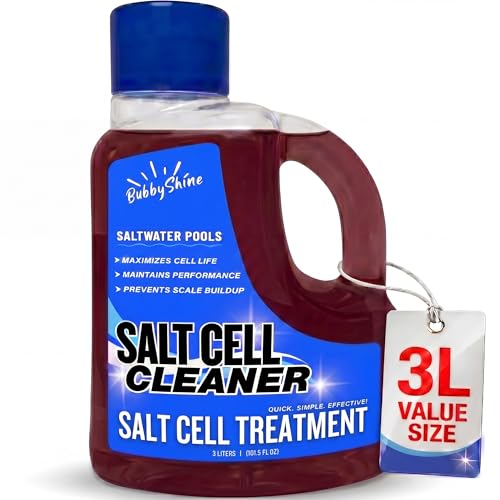
PRO-GRADE: Salt cell cleaning solution for saltwater pools that supports consistent performance and polished water quality.

Product Function : Newly upgraded Wrench Compatible with Hayward Turbo Cell,GLX-Cell 2″ Union. The T-Cell saltwater generator is in a difficult location to reach forthe periodic cleaning required.So,this newly upgraded wrencheliminates hassle of a strap wrench or union nut cracking.

ENJOY COMFORTABLE CLEAN: Rinoson saltwater pool chlorinator system is designed for above-ground pools, in-ground pools, and hot tubs up to 12,000 gallons, delivering soft, smooth water that eliminates red eyes and skin irritation. Producing up to 0.35 oz of chlorine per hour (10g/h), it activates only when water flow meets requirements and features customizable runtime settings.
Step-by-Step Guide
- Assess Your Pool: Determine if your current setup is compatible with saltwater systems. Check your pool structure and equipment for corrosion resistance.
- Purchase a Saltwater Chlorinator: Select a chlorinator suitable for your pool size. Prices generally range from $1,000 to $2,500, depending on features and capacity.
- Gather Salt: Acquire the necessary salt, typically about 1,000 to 3,000 pounds, depending on your pool’s volume. Use pool-grade salt to ensure compatibility.
- Install the Equipment: Connect the chlorinator according to the manufacturer’s instructions. This may require modifications to your plumbing.
- Balance Water Chemistry: Test and adjust your pool water’s pH levels, alkalinity, and calcium hardness to ensure optimal chlorine production.
- Add Salt: Pour the salt gradually into the deep end of the pool while the pump is running, allowing for even distribution.
- Monitor Settings: Set the chlorinator according to your pool’s requirements. Regularly check chlorine levels to maintain a healthy swimming environment.
- Opt for Salt-Compatible Equipment: When selecting pool components, choose salt-resistant materials to avoid corrosion in the long run.
- Start with a Professional Inspection: Have a pool technician assess your current setup, offering tailored advice for successful conversion.
- Check Local Regulations: Review local guidelines regarding saltwater pools to ensure compliance and avoid potential fines.
- Keep Recreation in Mind: Observe how the new system impacts your swim experience. Softer water often enhances comfort.
- Adjust Maintenance Routine: Saltwater pools require different care than traditional systems. Familiarize yourself with their unique maintenance needs for optimal enjoyment.
Conclusion
Converting your pool to saltwater can truly enhance your swimming experience. You’ll enjoy softer water and lower maintenance while saving on costs in the long run.
With a bit of planning and the right equipment you can make the switch smoothly. Just remember to keep things in check with regular maintenance and inspections.
So if you’re ready to dive into the benefits of a saltwater pool you’re in for a refreshing change. Happy swimming!
Frequently Asked Questions
What are the benefits of converting a pool to saltwater?
Converting a pool to saltwater offers several advantages, including softer water that is gentler on the skin and eyes, lower maintenance requirements, and cost savings over time. Saltwater pools also usually require fewer chemicals, which can improve the overall swimming experience.
How do I know if my pool is compatible with saltwater?
To determine compatibility, check the material and design of your pool. Most concrete, fiberglass, and vinyl-lined pools are suitable for saltwater conversions. Consulting a professional can help assess your pool’s condition and compatibility more accurately.
What steps are involved in converting a pool to saltwater?
The conversion process includes several key steps: assess pool compatibility, purchase a saltwater chlorinator, balance the water chemistry, and choose salt-compatible equipment. Regular professional inspections and adherence to local regulations are also essential.
Do I need to change my pool equipment for saltwater?
Some pool equipment may need to be replaced with salt-compatible versions, especially filters, heaters, and lights. It’s important to check manufacturer guidelines and choose products designed to withstand saltwater conditions.
Is maintaining a saltwater pool different from a traditional pool?
Yes, maintenance routines change slightly. Saltwater pools generally require less frequent chemical additions. However, regular testing of water chemistry, monitoring salt levels, and periodic cleaning of the chlorinator are still necessary for optimal performance.