Have you just shocked your pool and wondered if it’s safe to cover it? You’re not alone. Many pool owners face this dilemma, unsure of the best steps to take after adding chemicals. Covering your pool can save time and keep debris out, but timing is key.
In this article, you’ll discover the important factors to consider before putting that cover on. Understanding the right waiting period can help ensure your pool stays clean and safe for swimming. Let’s clear up the confusion and help you make the best choice for your pool care routine.
Key Takeaways
- Pool Shocking Importance: Regularly shocking your pool is essential for maintaining water quality, eliminating contaminants, and preventing algae growth.
- Waiting Period: Always wait 24 to 48 hours after shocking before covering your pool, allowing harmful chloramines to break down for optimal chemical balance.
- Chemical Buildup Risk: Covering the pool immediately after shocking can trap high levels of chlorine, leading to imbalanced water chemistry and potential swimmer irritation.
- Testing Chemical Levels: Use a testing kit to verify chlorine levels before swimming; free chlorine should not exceed 3 parts per million (ppm).
- Proper Covering Techniques: When covering the pool, opt for a ventilated cover that allows air circulation to minimize chemical buildup while keeping debris out.
- Regular Maintenance Practices: Consistently test water levels, ensure proper circulation, and use algaecides as preventive measures to maintain your pool’s cleanliness and safety.
Understanding Pool Shocking
Pool shocking involves adding a substantial amount of chlorine or other chemical to your pool water to eliminate contaminants. This process is crucial for maintaining water quality and ensuring a safe swimming environment.
What Is Pool Shocking?
Pool shocking refers to the addition of a high dose of sanitizer to the pool water. Chlorine compounds or non-chlorine shock treatments can be used. The goal is to increase the free chlorine level rapidly, allowing it to kill harmful bacteria, algae, and other contaminants effectively. Regular shocking can also help eliminate chloramines, which can cause irritation to the eyes and skin.
Why Is It Important?
It’s essential to shock your pool for several reasons:
- Health and Safety: Shocking eliminates germs and pathogens that can lead to infections, especially in a shared pool environment.
- Water Clarity: Shocking helps clear cloudy water by breaking down organic matter and algae, improving overall appearance.
- Algae Prevention: Regular shocking keeps algae growth at bay, saving you from potential headaches and costly treatments later.
Always follow the manufacturer’s instructions for the specific shocking product you choose. This ensures you’re using the right amount and method for your pool type. Timely shocking contributes significantly to the overall health of your pool, making it safer and more enjoyable for swimmers.
Effects of Covering a Pool After Shocking
Covering your pool after shocking can influence water chemistry and clarity. Understanding these effects helps ensure the pool remains safe and clean for swimming.
Recommended Products
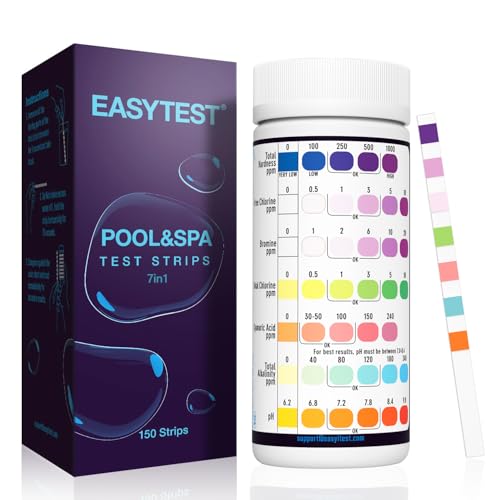
AFFORDABLE 150 STRIPS: This water chemical testing kit contains 150 test strips. Enough balanced for your swimming pool, hot tub, spa and other water testing. At least testing twice a week is recommended to keep your pool sparkling clean and safe.

Reliable Results In Seconds – Everything you need to test your pool or spa is conveniently packaged in the handy storage case, including a comparator to mix samples, and 8 easy-to-use reagents for 6 common water test parameters for DPD testing: Free & Total Chlorine, Bromine, pH, Acid Demand, and Total Alkalinity.
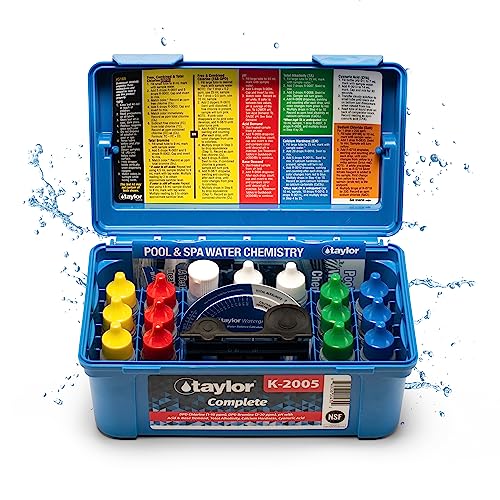
Reliable Results In Seconds – Everything you need to test your pool or spa is conveniently packaged in the handy storage case, including a comparator to mix samples, and 13 easy-to-use reagents for 9 common water test parameters for DPD testing: Free & Total Chlorine, Total Bromine, pH, Acid & Base Demand, Total Alkalinity, Calcium Hardness, and Cyanuric Acid (CYA)
Chemical Reactions to Consider
Shocking your pool introduces high levels of chlorine or other chemicals. Covering the pool immediately can trap these chemicals beneath the cover, preventing them from dissipating properly. This can lead to imbalanced chemical levels, causing irritation or other issues when you swim.
When covering the pool, consider waiting 24 to 48 hours after shocking before applying a cover. This time frame allows harmful chloramines to break down and ensures that you maintain optimal chemical balance.
Timing and Safety Concerns
Timing impacts both safety and water quality. Failure to wait can result in a strong chemical smell, green water, or even a risk of skin irritation. Always verify chemical levels using a testing kit before swimming. If the free chlorine level exceeds 3 parts per million (ppm), avoid swimming until it’s safe.
If you decide to cover the pool shortly after shocking, ensure you use a cover designed to allow ventilation. This helps reduce chemical buildup underneath while preventing debris from entering the pool.
Best Practices for Pool Care
Proper pool care ensures a safe and enjoyable swimming experience. Following these best practices can help maintain your pool’s water quality and reduce potential issues.
Recommended Products

BENEFIT: Shock treat, sanitize, clarify, and help prevent bacteria and algae in your swimming pool water, all with this convenient, easy-to-use product

Effortless Pool Closing: Take the guesswork out of winterizing your pool with Doheny's Pool Closing Kit—everything you need for a hassle-free pool shutdown!

BENEFIT: Shock treat, sanitize, clarify, and help prevent bacteria and algae in your swimming pool water, all with this convenient, easy-to-use product
When to Cover Your Pool
Cover your pool after allowing the chemicals to dissipate. Wait 24 to 48 hours after shocking the pool before covering it. This waiting period allows harmful chloramines to break down, promoting a safer environment. If you need to cover your pool sooner due to inclement weather, use a ventilated cover to minimize chemical buildup and let some air circulate.
How to Properly Shock Your Pool
Shocking your pool involves adding a high dose of chlorine or other oxidizers to eliminate contaminants. Follow these steps for effective shocking:
- Test the Water: Check chemical levels, especially chlorine and pH.
- Choose the Right Shock: Use a suitable shocking agent for your pool type, such as calcium hypochlorite or sodium dichlor.
- Dissolve the Shock: If recommended, dissolve the shock in a bucket of water before adding it to the pool.
- Add the Shock: Pour the solution around the pool’s perimeter while the pump is running to ensure even distribution.
- Wait: Allow the water to circulate for at least 4 hours. Test again to confirm that levels are safe before swimming.
This process keeps your pool healthy and reduces the risk of algae and bacteria. Always follow product instructions for the best results.
Alternative Solutions
Even after shocking your pool, various options exist for maintaining its cleanliness and safety without immediately covering it. Consider these effective strategies.
Recommended Products

【Fit for Round Pools Up to 15ft】This above ground pool leaf net is designed for round swimming pools up to 15 feet in diameter. With a diameter of 18.3 feet, this round pool net provides full edge-to-edge coverage with generous overlap – no gaps, no sagging. Your pool stays fully protected from falling autumn leaves and debris all season long.

🍂 ABOVE GROUND POOL NET COVER FOR LEAVES: Our round mesh winter pool cover has a diameter of 5.5M/ 18 ft, suitable for up to 15-foot above ground round pools to protect from leaves, debris. It is easier to fix and more beautiful than the square pool net cover.

Complete Set for Easy Use:Pool Net Cover for Above Ground Pool Includes a 21ft x 21ft square pool net cover and 12 durable metal clips. Designed to fit round above-ground pools up to 21ft in diameter, the square shape provides full edge-to-edge coverage—even for slightly smaller pools. Just lay the net over your pool and secure it with the included clips for quick, hassle-free setup
Using Pool Covers Wisely
Using a pool cover can enhance water quality, but its timing is crucial. Wait the recommended 24 to 48 hours after shocking your pool before covering it. This pause allows the chemicals to settle, reducing the risk of trap harmful chloramines. When you cover your pool, select a cover that allows water and air circulation. Opt for a mesh cover that filters debris while permitting UV rays to penetrate. Such covers help retain heat and lessen sanitizer loss when not in use.
Additional Steps for Pool Maintenance
In addition to using covers, implementing regular maintenance steps is essential.
- Test Water Frequently: Check pH and chlorine levels every few days. This practice helps you adjust chemical levels promptly.
- Ensure Proper Circulation: Run your pool pump for at least 8 hours post-shocking. This duration helps distribute chemicals evenly.
- Skim and Brush Regularly: Remove debris with a skimmer and scrub walls to prevent buildup.
- Use Algaecides: Apply algaecides as a preventive measure if your pool is at risk of algae growth.
By combining these practices with smart cover usage, you’ll ensure your pool remains safe and inviting for swimming.
Conclusion
Caring for your pool is all about timing and smart choices. After shocking your pool it’s best to wait 24 to 48 hours before covering it. This gives the chemicals time to work and keeps your water safe for swimming.
Remember to choose covers that allow for air and water circulation to maintain a healthy environment. By following these simple steps and keeping up with regular maintenance you’ll enjoy a sparkling clean pool all season long. Happy swimming!
Frequently Asked Questions
What is pool shocking, and why is it important?
Pool shocking refers to adding a concentrated dose of chlorine or other disinfectants to the pool water. It’s crucial for eliminating bacteria, contaminants, and chloramines, which can cause eye irritation and odors. Regular pool shocking helps maintain water quality and ensures a safe swimming environment.
How long should I wait to cover my pool after shocking it?
You should wait 24 to 48 hours after shocking your pool before covering it. This waiting period allows harmful chloramines to dissipate, ensuring better water quality and safety for swimmers when the pool is reopened.
What type of pool cover is best for water circulation?
Select a pool cover that allows for water and air circulation. Mesh covers are excellent because they let rainwater drain through while keeping debris out. This helps maintain water balance and prevents the buildup of harmful contaminants.
How can I regularly maintain my pool’s water quality?
Regular maintenance includes testing the water frequently, ensuring proper circulation, skimming debris, and brushing pool surfaces. Additionally, using algaecides prevents algae growth. Combining these habits with good cover usage keeps your pool clean and inviting.
Why is it important to test pool water frequently?
Frequent water testing helps you monitor chemical levels, such as chlorine, pH, and alkalinity. Keeping these levels balanced is vital for effective sanitation and swimmer safety. Regular testing also helps identify issues early, preventing costly repairs and ensuring a pleasant swimming experience.