Have you ever found yourself at an indoor pool, watching the rain pour outside, and wondered if it’s safe to take a dip during a thunderstorm? You’re not alone. Many people face this dilemma when dark clouds roll in and thunder rumbles overhead.
While indoor pools offer a sense of safety from the elements, concerns about lightning and electrical hazards can leave you second-guessing your plans. In this article, you’ll learn the facts about swimming indoors during a storm and get tips on how to stay safe. By the end, you’ll have the information you need to make an informed decision, so you can enjoy your swim without worry.
Table of Contents
- 1 Key Takeaways
- 2 Understanding Thunderstorms
- 3 Safety Guidelines for Swimming
- 4 Risks of Swimming During a Thunderstorm
- 5 Best Practices for Indoor Pool Use During a Thunderstorm
- 6 Conclusion
- 7 Frequently Asked Questions
- 7.1 Is it safe to swim in an indoor pool during a thunderstorm?
- 7.2 What should I do if a thunderstorm approaches while I’m at the pool?
- 7.3 Can lightning affect indoor pools?
- 7.4 How can I assess weather conditions before swimming?
- 7.5 How long should I wait before returning to the pool after a storm?
- 7.6 What safety measures can I take during a storm?
Key Takeaways
- Understanding Thunderstorms: Thunderstorms can develop quickly and pose risks, even in indoor settings. Be aware of their signs, such as darkening skies, increased winds, and thunder sounds.
- Safety Precautions: Always stay informed about weather updates. If a storm approaches, evacuate the pool immediately, as water conducts electricity, increasing risks during a thunderstorm.
- Wait Time After a Storm: Stay out of the pool for at least 30 minutes after the last clap of thunder or lightning flash to ensure it’s safe to return.
- Know Pool Policies: Familiarize yourself with your indoor pool’s specific safety protocols regarding thunderstorms to understand the rules in place for your safety.
- Monitoring Surroundings: Be aware of your environment during a storm, including potential hazards like strong winds, flooding, or power outages that could disrupt safety measures.
- Emergency Reporting: If you observe any dangerous conditions, report them to pool staff immediately to help maintain safety for all patrons.
Understanding Thunderstorms
Understanding thunderstorms is crucial for making safe decisions. Thunderstorms can arise quickly and may pose unforeseen dangers, even in indoor environments.
What Is a Thunderstorm?
A thunderstorm is a storm characterized by lightning, thunder, and often heavy rain or hail. These storms form when warm, moist air rises and cools, leading to cloud formation. Cumulonimbus clouds, which are tall and dense, are usually responsible for thunderstorms. They can produce severe weather, including strong winds and flash flooding, often creating hazardous conditions.
Signs of an Approaching Thunderstorm
You can recognize the early signs of an approaching thunderstorm. Pay attention to:
- Darkening Skies: Look for dark clouds building up, especially if they form rapidly.
- Increased Wind: Notice if winds pick up suddenly or shift directions dramatically.
- Temperature Drop: Feel for a sudden drop in temperature, which often precedes storms.
- Thunder Sounds: Hear distant rumbles of thunder, indicating rainfall might soon follow.
- Lightning Visibility: Spot lightning flashes in the distance, signaling an imminent storm.
Being alert to these signs helps you make informed decisions about safety, especially when considering swimming in indoor pools during pending storms.
Safety Guidelines for Swimming
Understanding safety guidelines for swimming during a thunderstorm is crucial for your well-being. Here are important tips to consider.
Recommended Products

· Connectivity - Connects to Alexa and Google Assistant. Smartphone App connectivity to fully control the system, no matter where you are.
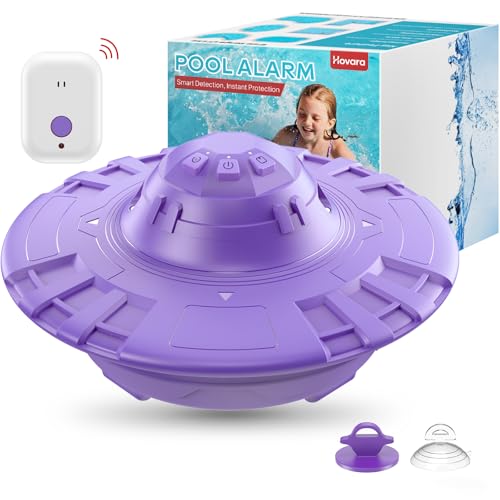
Essential Pool Safety Protection for Kids & Pets: Keep your family safe with this floating pool alarm, designed to detect accidental water entries. The loud 110dB alarm sound ensures immediate alerts, making it a critical part of your pool safety gear. Perfect for pool safety alarms that prioritize child and pet protection

WATER MOTION SENSOR – Be prepared and armed with the PoolEye Immersion Pool Alarm. With its underwater motion sensor, PoolEye provides an extra layer of protection when it comes to pool safety
General Swimming Safety Tips
- Stay Informed: Monitor weather updates before swimming. Check for storm warnings or watches in your area.
- Avoid Water: If a storm approaches, leave the water immediately. Water can conduct electricity, increasing risk during a thunderstorm.
- Seek Shelter: Stay indoors or move to a safe place with a roof. Avoid open areas and tall objects that could attract lightning.
- Wait It Out: Stay out of the pool for at least 30 minutes after the last clap of thunder or flash of lightning. This ensures it’s safe to re-enter the water.
- Check Pool Policies: Review your local indoor pool’s safety protocols regarding storms. Some facilities may have specific rules in place.
- Use Lightning Protection Systems: Ensure your indoor pool is protected by a lightning safety system, which can drastically reduce risks.
- Be Aware of Surrounding Areas: Even in an indoor pool, know your surroundings. If the building loses power or windows shatter, follow emergency protocols.
- Report Emergencies: If you observe dangerous conditions, notify staff immediately. Being proactive helps ensure everyone’s safety.
These guidelines help keep you safe while enjoying indoor swimming during thunderstorms. Always prioritize your well-being.
Risks of Swimming During a Thunderstorm
Swimming during a thunderstorm poses significant risks. Understanding these dangers helps prioritize safety.
Recommended Products

Warning alerts that provide SITUATIONAL AWARENESS of LIGHTNING. Keep your guests & loved ones safe and enjoy peace of mind with real time, continuous updates.

Warning alerts that provide SITUATIONAL AWARENESS of LIGHTNING. Keep your guests & loved ones safe and enjoy peace of mind with real time, continuous updates.

Elevate your Pool Float experience with our durable Pool Float Rope, crafted from high-quality Nylon and featuring a smooth LDPE buoy. Designed for comfort and safety, this robust rope resists deformation, tearing, and breaking. It's weatherproof and rust-proof, ensuring long-lasting use for all your water adventures. Enjoy peace of mind while floating!
Lightning and Electrical Risks
Lightning strikes present the most serious threat. Water conducts electricity, meaning that if lightning strikes an indoor pool, it can affect anyone in the water. Statistics indicate that approximately 1 in 1,083,000 people experiences a fatal lightning strike each year in the U.S. Being in or near water during a storm increases your risk. Even indoor pools aren’t completely safe, as electrical systems can transfer shock through water. Always vacate the pool area and seek shelter.
Other Possible Hazards
Other hazards accompany thunderstorms. Strong winds can damage structures, causing debris to fall, possibly injuring people. Flooding may occur, leading to hazardous conditions even in an indoor setting. If windows shatter, glass can create severe injuries. Lastly, power outages during storms can disrupt safety systems, such as lighting and alarms, making it more difficult to respond to emergencies. Staying alert to your surroundings and recognizing these risks helps ensure your safety.
Best Practices for Indoor Pool Use During a Thunderstorm
Swimming in an indoor pool during a thunderstorm can present safety risks. Following best practices ensures safety while enjoying your swim.
Recommended Products

HEAVY DUTY OUTDOOR TARP: This 10mil thick tarp is sure to endure the test of time. Made from premium polyethylene material for durability and strength.

HEAVY DUTY OUTDOOR TARP: This 10mil thick tarp is sure to endure the test of time. Made from premium polyethylene material for durability and strength.

EXTRA THICK & STRONG: The high quality of this protective tarp is amazing: it has a 16 mil thickness, 8oz per square yard, and a 16 x 16 weave count. This has the strength and durability you need.
Assessing the Situation
Stay informed about the weather conditions. Check local weather updates, radar maps, or apps to gauge storm intensity. Pay close attention to thunder and lightning. If you hear thunder, it’s crucial to stop swimming immediately. Remember, lightning can reach indoor areas through plumbing and electrical wiring. Prioritize understanding the current situation by monitoring your surroundings.
When to Evacuate the Pool Area
Evacuate the pool area when a thunderstorm approaches. Follow these steps:
- Listen for Alerts: Pay attention to weather alerts or sirens indicating severe weather is nearby.
- Exit the Water Promptly: Leave the pool immediately, even if conditions seem manageable.
- Seek Shelter: Move indoors to a designated safe area, away from windows and doors.
- Avoid Electrical Equipment: Stay clear of electrical devices and plumbing fixtures during a storm.
- Wait for Safe Conditions: Remain indoors for at least 30 minutes after the last rumble of thunder before returning to the pool.
Following these practices helps ensure a safer experience during inclement weather, allowing you to enjoy indoor swimming responsibly.
Conclusion
Staying safe during a thunderstorm is crucial even when you’re indoors. By following the guidelines outlined earlier you can enjoy your time at the pool without putting yourself at risk. Always keep an eye on the weather and be ready to act if conditions change. Remember that your safety is the top priority. So next time a storm rolls in take a moment to assess the situation before diving in. Stay safe and happy swimming!
Frequently Asked Questions
Is it safe to swim in an indoor pool during a thunderstorm?
Swimming in an indoor pool during a thunderstorm is not safe. Lightning can strike the building, and strong winds can pose serious risks. It’s crucial to prioritize safety and avoid swimming until conditions are clear.
What should I do if a thunderstorm approaches while I’m at the pool?
If a thunderstorm approaches, immediately evacuate the pool area and seek shelter indoors. Avoid staying near windows or using electrical appliances to reduce risk.
Can lightning affect indoor pools?
Yes, lightning can affect indoor pools. It can travel through plumbing and wires, posing a risk of shock. Therefore, it’s important to remain alert and prioritize your safety during storms.
How can I assess weather conditions before swimming?
Check local weather forecasts and look for storm warnings. It’s wise to be aware of any sudden changes in weather, especially darkening skies or increasing winds.
How long should I wait before returning to the pool after a storm?
Wait at least 30 minutes after the last clap of thunder or flash of lightning before returning to the pool. This ensures that the threat of danger has passed.
What safety measures can I take during a storm?
Stay informed about weather conditions, evacuate promptly, avoid electrical equipment, and seek shelter indoors. Always prioritize the safety of yourself and others.