Ever wondered if you can use an above-ground pump for your inground pool? You’re not alone. Many pool owners face this dilemma, especially when it comes to maintenance and efficiency.
Picture this: you’ve just set up your beautiful inground pool, but the thought of investing in a new pump has you second-guessing your budget. The good news is that there are options out there, and this article will guide you through the possibilities. You’ll learn about compatibility, performance, and what to consider before making a decision.
Key Takeaways
- Pump Types Overview: Understand the key differences between above-ground and inground pumps to select the right one for your pool’s needs.
- Compatibility Check: Always verify that the above-ground pump’s flow rate and head pressure meet the demands of your inground pool for optimal performance.
- Installation Considerations: Proper installation and setup are crucial; ensure the pump is compatible with your plumbing and that all connections are watertight.
- Cost Analysis: Evaluate both initial costs and long-term expenses, including energy consumption and maintenance, to make a financially sound decision.
- Consult Experts: Seek advice from pool professionals to gain insights and ensure the chosen pump is suitable for your specific pool type.
- Future-Proof Your Choice: Consider potential upgrades or changes to your pool environment that may impact the efficiency and effectiveness of your pump.
Understanding Pool Pumps
Pool pumps play a crucial role in maintaining water circulation and ensuring proper filtration. Understanding the different types of pumps helps you decide which one suits your pool best.
Types of Pool Pumps
- Above-Ground Pumps
Above-ground pumps are designed for easy installation and are typically more affordable. They work efficiently with smaller, above-ground pools but may struggle with the increased demands of an inground pool. - Inground Pumps
Inground pumps are built for durability and efficiency in larger pools. They handle higher flow rates and integrate seamlessly with pool systems. They offer improved performance, especially during heavy usage.
Compatibility Considerations
When considering using an above-ground pump for an inground pool, several factors come into play:
- Flow Rate
The flow rate indicates how much water the pump can circulate per minute. Inground pools require higher flow rates for effective cleaning. Check your pool’s volume and compare it with the pump’s specifications. - Head Pressure
Head pressure measures the energy needed for water to move through pipes and filters. Inground pools generally have more resistance than above-ground pools. Ensure the pump can handle the necessary head pressure. - Installation Requirements
Installing an above-ground pump for an inground pool may require modifications to plumbing or electrical setups. If you’re uncertain about installation, consult a professional.
Pump Efficiency
Efficiency impacts both performance and energy costs. Inground pumps often come with energy-saving features. Before making a decision, assess energy ratings and potential long-term savings.
- Test the Compatibility
Always check the manufacturer’s recommendations regarding pump type and pool specifications. - Consult Experts
Speak to local pool professionals to gain insights on what others in your area use for similar pools. - Consider Future Needs
Think about any planned upgrades or changes for your pool. An above-ground pump may suffice now but may not meet future demands.
By knowing the differences between pump types and their requirements, you can make an informed choice for your inground pool.
Types of Pool Pumps
Choosing the right pump for your pool is crucial for proper maintenance and efficiency. Below are the two primary types of pool pumps, each with its unique features.
Recommended Products
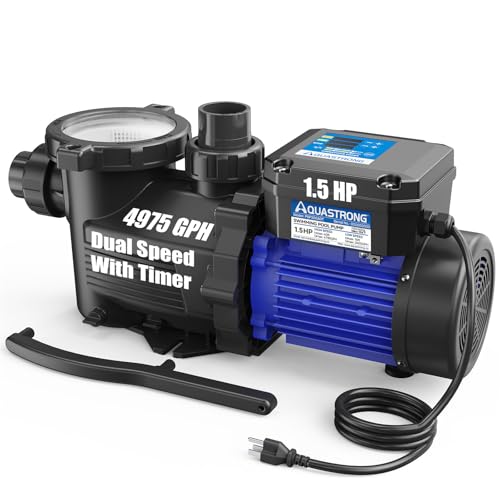
Powerful Dual-Speed Pool Pump with Timer for Smart & Efficient Circulation: This 1.5HP pool pump delivers a high-speed flow of 4975 GPH and low-speed flow of 2400 GPH, ensuring optimal water circulation. The built-in timer allows you to set customized run times for each speed, enabling fully automated filtration. Enjoy a powerful yet energy-efficient pool pump that keeps your water crystal clear and fresh all day long!
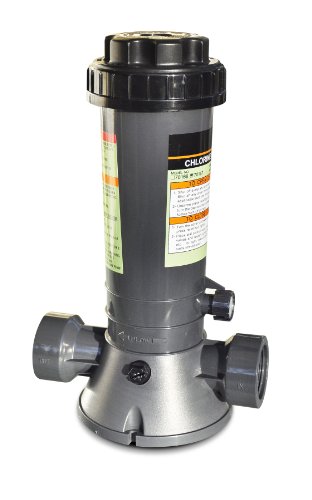
{AUTOMATIC CLEAN} The Hydrotools Automatic Chlorine Feeder series constantly works in the background to dissolve and distribute chlorine or bromine into your pool to produce crystal clear water for your swimming pool or spa. Saves time & chlorine!

{SUPERIOR WINTER PROTECTION} Swimline air pillows serve as 'ice compensators', absorbing the pressure from freezing and expanding water, ultimately protecting your pool and cover from winter damage. Ensure your pool is protected during the offseason!
Above Ground Pumps
Above-ground pumps are designed for easy installation and portability. These pumps typically have the following characteristics:
- Simplicity: Features plug-and-play installation that suits DIY enthusiasts.
- Cost-Effectiveness: Generally less expensive than inground pumps, making them budget-friendly.
- Capacity: Best for smaller pools, with a flow rate adequate for above-ground models.
- Limitations: Might struggle with larger inground pools, especially in terms of water circulation and filtration efficiency.
If you’re considering an above-ground pump for an inground pool, check its flow rate and head pressure to ensure compatibility. Testing compatibility is essential to prevent inadequate water circulation.
Inground Pumps
Inground pumps cater specifically to larger and more complex pool systems. Key attributes include:
- Power and Efficiency: Engineered for high flow rates, these pumps manage heavier water volumes effectively.
- Durability: Constructed from robust materials designed to withstand wear and tear over time.
- Versatility: Can operate with various filtration systems and pool features, making them a flexible choice.
- Installation Complexity: Often requires professional installation, which can add to the overall cost.
When choosing an inground pump, evaluate your pool size, desired water features, and expected flow rate. This ensures you select a pump that aligns with your pool’s specific demands.
Understanding these pump types helps you make informed decisions about your pool setup and maintenance.
The Feasibility of Using Above Ground Pumps for Inground Pools
You can consider using above-ground pumps for inground pools, but it’s essential to understand their capabilities and limitations. Let’s explore the benefits and limitations of above-ground pumps.
Recommended Products

Main Parameters: pool cover pump QMAX: 3000lL/H, HMAX: 3.2m AC:110V/60HZ 75W, Max Water Temperature:95℉, waterproof level: IPX8

Size: The replacement hose for pool pump is about 1.25 inches in diameter, 59 inches in length; It is compatible with Filter Pumps 330 GPH 530 GPH 1000 GPH, for above-ground pools; Compatible with Pump Models #607/#637
Benefits of Using Above Ground Pumps
- Cost-Effective: Above-ground pumps often come at a lower price, making them an attractive option for budget-conscious pool owners.
- Easy Installation: Installation of above-ground pumps typically requires less time and effort, often needing only basic tools.
- Maintenance Simplicity: Many above-ground pumps have fewer parts, simplifying maintenance and repair processes.
- Portable: You can easily move above-ground pumps as needed, providing flexibility for changing pool setups or maintenance locations.
- Lower Efficiency: Above-ground pumps may lack the power necessary for larger inground pools, potentially leading to inadequate water circulation.
- Head Pressure Limitations: These pumps often struggle against higher head pressure, which can result in reduced water flow in deeper pools.
- Longevity Concerns: Above-ground pumps typically are not designed for long-term use in inground applications, potentially leading to earlier replacements.
- Compatibility Issues: Some above-ground pumps may not mesh well with the plumbing systems of inground pools, causing operational challenges.
When assessing whether an above-ground pump suits your inground pool, evaluate your specific needs and seek professional guidance if necessary.
Installation Considerations
When considering an above-ground pump for your inground pool, several installation factors come into play. Compatibility and proper setup are crucial for ensuring efficiency and longevity.
Recommended Products

Ideal Winterizing Plug - Ideal winterizing plug for Above-ground and In-ground pools during winter season. Protect your pool during the winter with these threaded return line caps. These caps prevent water from getting inside the return line.

Clears Standing Water Fast: This pool draining pump runs at 350 GPH to clear typical rain accumulation or snowmelt from a pool cover in minutes, keeping the cover taut and protected all season

Keep Your Pool Cover Intact: Still worried about removing water from pool cover after rainfall? Our pool cover pump is a great choice for water removal. It removes water at a good clip, especially after heavy rains. A dry cover helps prevent the accumulation of precipitation and debris at the center: lower risk of collapse. There is no better choice for above ground pool owner than DeeprBetter water pump.
Compatibility with Inground Pool Systems
Check whether the above-ground pump matches your pool’s plumbing system. Above-ground pumps typically connect to smaller pipes, which might not fit larger inground systems. Ensure that the pump’s flow rate and head pressure meet your pool’s requirements. For example, if your pool has a high volume or additional water features, an above-ground pump may struggle to keep up. Consult a professional to assess compatibility and avoid issues.
Proper Setup and Maintenance
Install the pump at or below the water level of your inground pool to ensure effective water circulation. Use appropriate fittings and verify that all connections are watertight to prevent leaks. Regular maintenance is key to optimal performance. Clean the filter monthly and inspect the pump for clogs or damage. Monitor the water level to ensure it stays within the operational range. Adjust the pump’s settings based on seasonal changes and pool usage to maintain efficiency.
Cost Factors
Cost factors significantly impact your decision to use an above-ground pump for an inground pool. Here are the key components to consider:
Pump Price
Prices for above-ground pumps generally range from $100 to $500, depending on the model and features. Higher-end models often include advanced filtration and energy-efficient technologies.
Installation Expenses
Installation costs can vary based on the complexity of your setup. Professional installation may range from $200 to $600, especially if modifications to the plumbing are necessary. DIY installations can save money but require skills and tools.
Energy Consumption
Running an above-ground pump incurs ongoing electricity costs. The average cost to operate a pump is about $0.10 to $0.15 per kilowatt-hour. Calculate your pump’s wattage to estimate monthly costs. For example, a 1 HP pump (approximately 746 watts) running 8 hours daily could lead to a monthly expense between $30 and $45.
Maintenance Costs
Regular maintenance includes filter replacements and general upkeep. Filters typically cost between $30 and $100 each, and you’ll need to replace them every one to three years, depending on usage.
Replacement Considerations
Above-ground pumps may have a shorter lifespan compared to inground pumps. You might need to replace them every 4 to 7 years, which adds to long-term costs.
Understanding these cost factors helps you decide between an above-ground pump and an inground pump. Making informed choices ensures efficient water management and more enjoyable pool experiences.
Conclusion
Choosing the right pump for your inground pool can feel overwhelming but it doesn’t have to be. If you’re considering an above-ground pump remember to weigh the pros and cons carefully. Think about your pool’s specific needs and how an above-ground pump might fit into that picture.
Don’t hesitate to reach out to a professional for advice tailored to your situation. With the right information and guidance you can make a choice that keeps your pool sparkling clean and enjoyable all season long. Happy swimming!
Frequently Asked Questions
What is the main difference between above-ground and inground pool pumps?
Above-ground pool pumps are designed for easier installation and typically cost less, making them suitable for smaller pools. Inground pumps, however, are built for larger pools, offering better durability and efficiency. The choice depends on your pool type and maintenance needs.
How do I choose the right pool pump for my pool?
Consider factors such as the size of your pool, the type of pump (above-ground or inground), flow rate, and head pressure. Consulting a professional can help ensure you choose a pump that’s compatible with your specific pool setup.
What are the maintenance requirements for pool pumps?
Both above-ground and inground pumps require regular maintenance. This usually includes cleaning the filter, checking for leaks, and ensuring proper water circulation. Following the manufacturer’s guidelines will help keep your pump running efficiently.
Are above-ground pumps suitable for inground pools?
While above-ground pumps can be used for inground pools, they may not be as efficient or effective. Consider the pool’s size and circulation needs before making your decision, and consult a professional for guidance.
How do installation costs compare between above-ground and inground pumps?
Above-ground pumps generally have lower installation costs due to their simpler setup. Inground pumps often require professional installation, which can increase costs. Always factor in the total cost and long-term efficiency when choosing a pump.
What factors influence the energy consumption of pool pumps?
Energy consumption depends on the pump’s size, efficiency rating, and how often it runs. Inground pumps often use more energy due to their higher capacity. Choosing an energy-efficient model can reduce long-term costs.
How often should I replace my pool pump?
The lifespan of a pool pump can vary, but typically, they last about 5 to 10 years. Regular maintenance can extend this life, but if your pump is showing signs of wear or inefficiency, it may be time for a replacement.