Have you ever wondered if adding salt to your chlorine pool is a good idea? You’re not alone. Many pool owners face this question, especially when looking for ways to enhance their swimming experience.
Saltwater pools are often praised for their softer feel and lower chemical levels, but what happens when you mix salt with traditional chlorine systems? This article will help you understand the potential effects and benefits of adding salt to your chlorine pool, so you can make an informed decision. You’ll learn how it impacts water chemistry and whether it could be the solution you didn’t know you needed.
Table of Contents
Key Takeaways
- Compatibility of Salt and Chlorine: Adding salt to a chlorine pool is effective when using a saltwater chlorine generator, allowing for continuous chlorine generation and improved water quality.
- Enhanced Swimming Experience: Saltwater pools provide softer water that is gentler on the skin and eyes, resulting in a more enjoyable swimming experience compared to traditional chlorine pools.
- Cost-Effective Maintenance: Utilizing salt can lower maintenance costs due to the reduced need for purchasing traditional chlorine products, making it a budget-friendly option for pool care.
- Balanced Water Chemistry: Regular monitoring of pH and chlorine levels is essential after adding salt to maintain optimal pool conditions and prevent any adverse effects.
- Alternatives to Salt: For those not wishing to use salt, options like chlorine tablets, liquid chlorine, and natural additives (such as enzymes and baking soda) can effectively maintain pool water quality.
Understanding Chlorine Pools
Chlorine pools use chlorine as a primary sanitizing agent to keep water clean and safe for swimming. You’ll find that these pools offer effective disinfection and are widely used in residential and commercial settings.
What Is a Chlorine Pool?
A chlorine pool is a swimming pool that relies on chlorine to kill bacteria and algae. Chlorine can come in various forms, including tablets, granules, and liquid. It dissolves in water to create hypochlorous acid, which disinfects the pool by breaking down contaminants. While traditional pools use direct chlorination, many now utilize saltwater systems that generate chlorine by converting salt in the water into chlorine through electrolysis.
How Do Chlorine Pools Work?
Chlorine pools maintain sanitary water through a combination of chlorine application and filtration. You add chlorine directly to the water to establish a baseline level of sanitation. The filtration system then circulates this chlorinated water, ensuring even distribution throughout the pool. Over time, exposure to sunlight and organic matter reduces chlorine levels, requiring regular testing and reapplication to maintain effective sanitation. Saltwater systems utilize a salt cell to convert dissolved salt into chlorine, providing a steady chlorine production that requires less manual intervention.
Understanding these components helps you manage your pool effectively, maintain water quality, and enhance your swimming experience.
The Role of Salt in Pool Maintenance
Salt plays a crucial role in pool maintenance, especially in saltwater systems where it aids in the production of chlorine. Understanding how salt interacts with pool water enhances your ability to maintain a clean swimming environment.
Recommended Products

INTELLIGENT MONITORING AND PROTECTION: The Westaho salt pool system features an advanced intelligent control panel, displaying key information like salt levels, pool water temperature, total cell usage time, cell operating voltage, and current. This ensures you're always aware of your pool's health. It also includes low water temperature protection, automatically shutting down below 52°F to extend cell lifespan and care for your pool
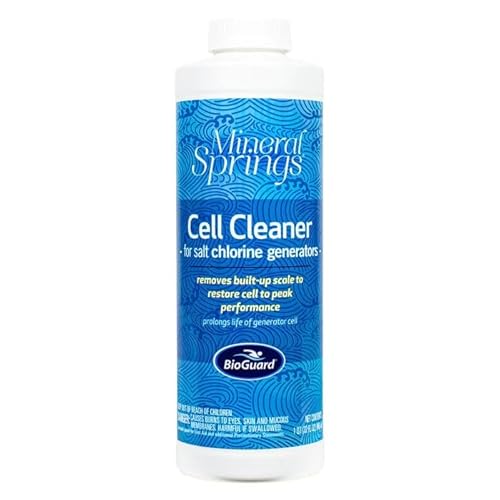
Highly Effective Formula: Mineral Springs Cell Cleaner is the solution to all your saltwater pool cell problems. With its strong and highly effective formula, this cleaner easily removes chalky white-calcium scale deposits that accumulate in the salt cell over time.

【Massive 20g/H Chlorine Output】: Convert your above-ground swimming pool into a crystal-clear oasis! With a 20g/h output, a smart saltwater chlorinator efficiently disinfects pools up to 26,500 gallons using electrolysis. Simply add food-grade sea salt (99.6% NaCl) for continuous sodium hypochlorite production—no chlorine tablets needed.
What Is Saltwater Pool System?
A saltwater pool system uses salt to generate chlorine through a process called electrolysis. In this system, water passes through a salt cell where an electrical current converts salt (sodium chloride) into chlorine. This method provides a steady supply of chlorine, reducing the need for added chemicals and the harshness associated with traditional chlorine pools.
- Softer Water: Saltwater pools often provide a gentler swimming experience. The salt content creates a more pleasant feel on the skin, reducing irritation compared to traditional chlorine pools.
- Lower Maintenance Costs: Using salt reduces the frequency of chemical purchases. Salt is generally less expensive than buying chlorine regularly, potentially lowering overall pool maintenance costs.
- Constant Chlorine Levels: With a saltwater system, chlorine generation occurs consistently. This stability helps maintain balanced chemical levels, contributing to clearer and safer water.
- Easier on Equipment: Saltwater is less harsh on pool equipment compared to traditional chlorine. This gentler nature leads to a longer lifespan for items like pool liners, filters, and heaters.
These benefits highlight how incorporating salt can enhance your pool’s maintenance and overall enjoyment.
Can You Put Salt in a Chlorine Pool?
Yes, you can put salt in a chlorine pool, specifically in a saltwater chlorine generator system. This process generates chlorine, combining the benefits of salt with the effectiveness of chlorine disinfection.
Recommended Products

CONSISTENT CHLORINE SANITIZATION: The Hayward salt system delivers steady chlorine distribution for pools up to 40,000 gallons, helping maintain water clarity and support routine pool maintenance

✔ UPGRADE TO A SALTWATER POOL – QS1200 saltwater system lets you enjoy the same process used for in-ground swimming pools to keep your above ground pool sparkling clear, suitable for pools up to 15,000 gallons.
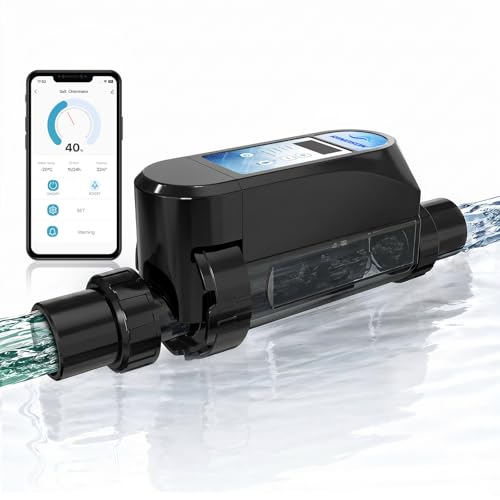
REMOTE CONTROL VIA APP: Smart saltwater chlorinator supports remote control via app (2.4GHz WiFi only). Operate the system anytime, anywhere—turn it on/off, adjust chlorine levels, or activate self-cleaning mode. Produces up to 0.7 oz of chlorine per hour (20g/h), ideal for pools up to 22,000 gallons, ensuring clean, safe water with less effort. Designed for reliable use with a built-in adapter supporting 100V–240V input.
Compatibility of Salt and Chlorine
Salt and chlorine are compatible in saltwater pools. Salt dissolves in water and is converted into chlorine through electrolysis. This method offers several advantages, including:
- Consistent Chlorine Levels: The generator maintains steady chlorine concentrations, ensuring effective sanitation.
- Softer Water: Saltwater pools typically feel gentler on the skin and eyes, enhancing the swimming experience.
- Lower Maintenance Costs: With a saltwater system, you spend less on traditional chlorine products.
Ensure you use the appropriate type of salt—pool-grade salt is the best choice as it minimizes contaminants.
Potential Effects on Water Balance
Adding salt alters the overall water balance in your pool. It’s crucial to monitor levels regularly to maintain optimal conditions. Here are some key aspects:
- pH Levels: Salt can slightly raise pH levels. Regular testing helps manage this issue, keeping pH between 7.2 and 7.6.
- Chlorine Levels: Salt increases chlorine production, potentially resulting in high chlorine levels if not monitored.
- Total Alkalinity: Salt doesn’t directly affect alkalinity. However, changes in pH can impact overall water balance.
Maintaining balanced water chemistry is vital for your pool’s health and swimmer comfort. Always test your water after adding salt to determine appropriate adjustments.
Alternatives to Salt in Chlorine Pools
If you’re exploring ways to maintain your chlorine pool without using salt, several alternatives exist that can effectively balance water chemistry and keep it clean.
Recommended Products

Prolongs Chlorine Effectiveness: The Chlorine Stabilizer protects your pool's chlorine from the damaging effects of the sun's harsh UV rays, thereby making chlorine last much longer, allowing you to enjoy consistently clean and sanitized pool water.
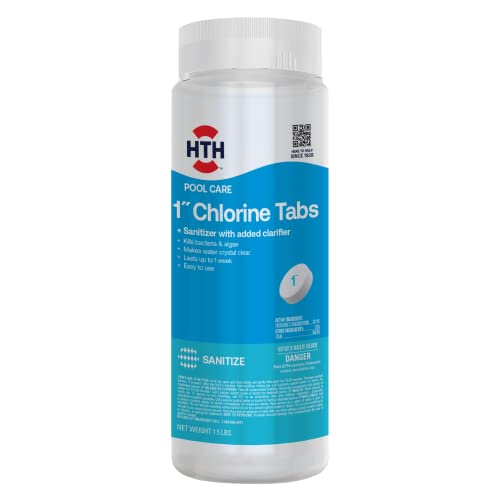
BENEFIT: Protect your swimming pool and enjoy clean, clear water with these easy-to-use chlorine-based tabs; Kills algae and bacteria

CRYSTAL CLEAR WATER MADE EASY: This box of ARM & HAMMER Clear Balance contains 24 tablets; your pool’s summer bestie for maintaining ideal alkalinity and pH levels, the easy way
Other Additives for Pool Care
Consider these additives for maintaining your pool water:
- Chlorine Tablets: These provide a steady release of chlorine. Tablets simplify the process since you can place them in a floating dispenser or your skimmer basket for even distribution.
- Liquid Chlorine: This is an immediate source of chlorine that quickly raises your chlorine levels. Use this option for quick shock treatments or when levels drop significantly.
- Stabilizers: Cyanuric acid protects chlorine from being broken down by sunlight. It’s especially useful in outdoor pools, allowing chlorine to work more effectively.
- pH Balancers: Regularly check pH levels and use pH increasers or decreasers as needed. Maintaining a pH between 7.2 and 7.8 helps chlorine perform at its best.
Natural Options for Pool Maintenance
Explore these natural options to maintain your pool:
- Enzyme Products: These help break down organic materials like leaves and oils. Enzymes reduce the need for harsh chemicals, creating a more eco-friendly pool environment.
- Baking Soda: Use it to raise total alkalinity and stabilize pH levels naturally. It helps protect your pool’s surfaces while maintaining water balance.
- Borates: Adding borates can help improve water clarity and protect against algae. This alternative is a natural solution that helps reduce chlorine demand.
Utilizing these alternatives can enhance your pool’s health and ensure a safe, enjoyable swimming experience.
Conclusion
Using salt in a chlorine pool can be beneficial if you’re managing a saltwater system. It helps maintain consistent chlorine levels and keeps your water feeling soft. Just remember to keep an eye on your pool’s chemistry to ensure everything stays balanced.
If you’re looking for alternatives to salt, there are plenty of options that can help you maintain a clean and safe swimming environment. From chlorine tablets to natural solutions like baking soda, you’ve got choices that fit your needs.
Keeping your pool healthy is all about finding what works best for you. Enjoy your time in the water knowing you’ve got it covered!
Frequently Asked Questions
What is the role of salt in chlorine pools?
Salt plays a crucial role in maintaining chlorine levels, particularly in saltwater pools where it is converted into chlorine through electrolysis. This process helps maintain consistent sanitization and contributes to softer water.
How does pool-grade salt benefit my pool?
Pool-grade salt is specifically designed for use in saltwater systems, offering purity and optimal performance. It helps generate chlorine efficiently, ensuring effective sanitization while also being gentle on skin and swimwear.
What should I monitor for optimal pool health?
To maintain optimal pool health, regularly monitor pH levels, chlorine levels, and total alkalinity. Keeping these parameters balanced is key to ensuring clean, safe, and enjoyable swimming conditions.
Are there alternatives to using salt in chlorine pools?
Yes, there are several alternatives, including chlorine tablets, liquid chlorine, and stabilizers. These options can provide effective sanitization without the need for a saltwater system.
What natural options can I use for pool maintenance?
Natural alternatives such as enzyme products, baking soda, and borates can enhance pool health. These options help control pH levels and algae growth, promoting a safer and more enjoyable swimming experience.