Thinking about switching your chlorine pool to salt water? You’re not alone. Many pool owners are making the switch for a variety of reasons, from easier maintenance to softer water that feels great on the skin. But before you take the plunge, it’s important to understand what’s involved in the process.
This article will guide you through everything you need to know about converting your pool. You’ll learn about the benefits of saltwater systems, the steps to make the change, and any potential challenges you might face. By the end, you’ll have a clearer picture of whether this switch is right for you and how to get started.
Key Takeaways
- Understanding Chlorine Pools: Chlorine pools require regular chemical balancing, including monitoring pH, alkalinity, and chlorine levels, and can be harsh on skin and eyes.
- Benefits of Saltwater Pools: Saltwater systems offer easier maintenance with a self-producing chlorine generator, resulting in softer water that reduces irritation and enhances swimming comfort.
- Switching Process: Converting requires assessing current pool compatibility, selecting the right salt system, and following installation steps including adding salt and testing water chemistry for proper balance.
- Cost Considerations: Initial conversion costs for salt chlorinators and salt can be significant, but long-term savings on chemicals can make it cost-effective over time.
- Equipment Compatibility: Ensure that existing pool equipment, like pumps and heaters, are compatible with saltwater to prevent potential corrosion and ensure optimal performance.
Overview of Chlorine Pools
Chlorine pools use chlorine to sanitize the water, keeping it clean and safe for swimmers. Chlorine acts as a powerful disinfectant, killing bacteria and algae effectively. Pool owners often add chlorine tablets or granules to maintain adequate levels.
Maintaining a chlorine pool involves monitoring chemical levels regularly. You’ll need to check pH, alkalinity, and chlorine levels to ensure they remain balanced. It’s common for chlorine levels to fluctuate based on usage, weather, and evaporation.
Chlorine pools require additional maintenance. You must regularly shock the pool—adding a larger dose of chlorine to eliminate contaminants. The pool’s filtration system also plays a vital role in maintaining water clarity.
While chlorine pools are effective, many people find the water harsh on skin and eyes. Some individuals may experience irritation from high chlorine levels. Additionally, the strong chlorine smell can be unpleasant, especially after treatments.
Cost can also be a factor. Regular purchases of chlorine products can add up over time. However, chlorine pools are typically less expensive to install initially compared to saltwater systems.
Benefits of Salt Water Pools
Switching to a saltwater pool offers several advantages that enhance your swimming experience and simplify maintenance.
Recommended Products

【Premium Saltwater Pool System】Designed for expansive pools up to 26,500 gallons, the salt chlorine generator uses advanced electrolysis technology automatically converts salt to chlorine, cuts chlorine costs by 50% vs traditional methods. Delivers silky-soft, irritation-free water while eliminating harsh odors. Ideal for creating a healthy, worry-free swimming environment

Generates chlorine automatically during daily pool operation, keeping water clean and sanitized.

AN UNMATCHED HOT TUB SPA EXPERIENCE: Tired of red eyes, itchy skin, and the overpowering smell of chlorine after a soak? With the Briidea salt chlorine generator, your hot tub becomes a soothing retreat. Enjoy silky, fresh-feeling water, gentle on the skin and safe for the whole family. Perfect for unwinding after work or hosting a relaxing weekend gathering
Easier Maintenance
Saltwater pools require less frequent chemical balancing than traditional chlorine pools. The salt generator constantly produces chlorine, stabilizing the chemical levels. You’ll spend less time testing and adding chemicals. Regular cleaning of filters and salt cells remains essential, but overall upkeep becomes more manageable. This ease of maintenance can save you both time and effort.
Healthier Swimming Experience
Saltwater pools provide a gentler swimming experience. The lower chlorine levels lead to softer water, reducing irritation to skin and eyes. Swimmers often notice less dryness and fewer allergic reactions. Saltwater’s natural properties also create a comfortable environment, making it ideal for those with sensitivities to harsh chemicals. Enjoy smoother, soothing swims without the chlorine sting.
Process of Switching to Salt Water
Switching from a chlorine pool to a saltwater pool involves a series of steps. Understanding these steps can help you transition smoothly.
Recommended Products

Self-Cleaning Function: The chlorination system features a self-cleaning function, which can be set to reverse polarity every 4, 8, or 12 hours to maintain efficient cleaning of the titanium cell and extend the service life of the titanium cell.

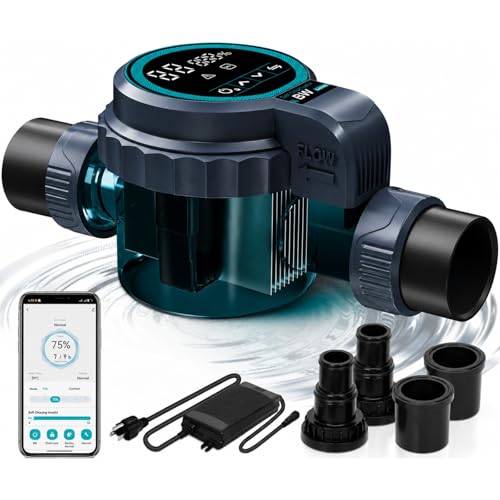
【Massive 25g/H Chlorine Output】: Convert your above-ground swimming pool into a crystal-clear oasis! With a 25g/h output, a smart saltwater chlorinator efficiently disinfects pools up to 31,700 gallons using electrolysis. Simply add food-grade sea salt (99.6% NaCl) for continuous sodium hypochlorite production—no chlorine tablets needed.
Assessing Your Current Pool
Evaluate your existing equipment and pool condition. Check the age and type of your pool, including materials like plaster or fiberglass. Look at your current filtration system and pump. Ensure they’re compatible with saltwater systems. Saltwater pools operate differently, and older systems may require upgrades or replacements. Assess the overall size of your pool, as this will impact the size of the salt chlorinator needed.
Choosing the Right Salt System
Select the correct salt system for your pool size. Systems vary in capacity, typically ranging from 15,000 to 40,000 gallons. For instance, if your pool holds 20,000 gallons, choose a system rated for at least that amount. Consider features such as self-cleaning capabilities, ease of use, and warranty options. Read customer reviews or consult professional recommendations to find a reliable model. A well-selected system can enhance efficiency and prolong the lifespan of your equipment.
- Turn Off Power: Disconnect the power to your pool pump and filtration system.
- Install the Salt Chlorinator: Follow the manufacturer’s instructions to install the chlorine generator. This typically involves connecting it to the existing plumbing after the filter and before the heater.
- Add Salt: Calculate the amount of salt needed based on your pool’s size and the system’s requirements. Sprinkle the salt evenly across the surface of the pool.
- Start the System: Turn on the chlorinator and let it run, allowing the salt to dissolve. Circulate the water for at least 24 hours.
- Test Water Chemistry: Use a quality testing kit to check salinity, pH, and chlorine levels. Adjust as necessary to achieve ideal levels.
Completing these steps sets you up for success with your new saltwater pool, creating a more enjoyable swimming experience.
Potential Challenges
Switching from a chlorine pool to a saltwater pool presents several challenges. Understanding these challenges aids in making an informed decision.
Recommended Products

Smart Wifi App Control: Control your spa anytime with the GeniLife app. Built-in dual-band WiFi (2.4GHz & 5GHz) lets you check salt levels, monitor system status, and adjust settings remotely in real time, enjoy your crystal clear spa anytime, anywhere
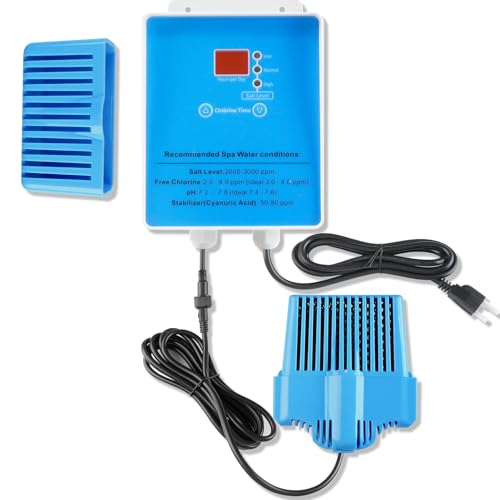
PRODUCT FEATURES: This salt chlorine generator produces pure chlorine through natural salt electrolysis, effectively sanitizing water while keeping it clean and free of harsh chemicals for softer and cleaner water.

Saltwater Start-Up: Designed to help prepare saltwater pools for the season by clearing winter contaminants and establishing clean, balanced water before activating the salt chlorine generator.
Cost Considerations
Converting to a saltwater system involves upfront costs. You’ll need to purchase a salt chlorinator, which can range from $500 to $2,000 depending on the model and pool size. Additionally, there’s the cost of salt, typically around $6 to $10 per bag, and you may require several bags for your initial fill. Factor in installation or professional assistance fees if you’re not comfortable doing it yourself. Long-term savings may offset these initial costs due to lower chemical expenses, but it’s essential to budget for the transition.
Equipment Compatibility
Compatibility of existing equipment is crucial before switching. Ensure your current pool pump and filtration system can handle saltwater. Salt can corrode certain materials, so evaluate the components. Common equipment like heaters or lights may need to be replaced or adjusted for compatibility with saltwater. Always check the manufacturer’s specifications to determine if any upgrades or replacements are necessary.
Conclusion
Making the switch from a chlorine pool to a saltwater pool can be a game changer for your swimming experience. You’ll enjoy softer water and simpler maintenance that makes pool time even more enjoyable.
Just keep in mind the initial costs and ensure your equipment is compatible with saltwater. With a bit of planning and preparation you can dive into a refreshing new way to enjoy your pool. Embrace the change and get ready for a healthier and more relaxing swim season ahead!
Frequently Asked Questions
What are the main reasons for switching to a saltwater pool?
Many pool owners switch to saltwater pools for easier maintenance, softer water, and a more pleasant swimming experience. Saltwater pools generate their own chlorine, reducing the need for constant chemical monitoring and harsh treatments typically associated with chlorine pools.
What are the benefits of saltwater pools compared to chlorine pools?
Saltwater pools offer several benefits, including constant chlorine production, less skin and eye irritation, reduced chemical testing, and overall easier upkeep. The water feels softer, making for a more enjoyable swim, and long-term costs can be lower despite initial investment.
What should I consider before converting to a saltwater pool?
Before switching, consider the upfront costs for a salt chlorinator and salt bags, as well as whether your existing pool equipment can handle saltwater. It’s vital to budget for these expenses and ensure compatibility to ensure a smooth transition.
Are there any challenges in switching from a chlorine to a saltwater pool?
Yes, challenges include the initial investment in equipment, potential compatibility issues with existing systems, and the need to adjust to a new maintenance routine. Proper planning and budgeting are essential to navigate these challenges effectively.
How does the maintenance differ between saltwater and chlorine pools?
Saltwater pools require less frequent chemical testing and maintenance because the salt chlorinator produces chlorine continuously. In contrast, chlorine pools need regular monitoring, shocking, and balancing of chemicals, making saltwater pools generally easier to manage over time.