Do you find yourself staring at your pool, wondering if it needs a little extra help to stay clean? If you’ve ever spent hours skimming and brushing only to see dirt settle back in, you’re not alone. Many pool owners face the same frustration, and that’s where a pool vacuum can make a big difference.
In this article, you’ll discover whether investing in a pool vacuum is worth it for your swimming oasis. You’ll learn about the benefits of using one, how it can save you time and effort, and the different types available. By the end, you’ll have a clearer idea of how to keep your pool sparkling without the hassle.
Table of Contents
Key Takeaways
- Importance of Pool Maintenance: Regular cleaning is essential for health, safety, and aesthetics, preventing bacteria growth and prolonging pool equipment life.
- Understanding Debris Types: Familiarize yourself with common pool debris—such as leaves, grass clippings, and sand—to streamline your cleaning routine and maintenance efforts.
- Types of Pool Vacuums: Choose between manual vacuums, which offer targeted control but require more effort, and automatic vacuums, which operate independently and save time.
- Benefits of Using a Pool Vacuum: Investing in a pool vacuum enhances water quality, reduces cleaning time, and allows more enjoyment of your swimming space.
- Consider Pool Size and Budget: Assess your pool type, size, and budget when selecting a vacuum, ensuring it meets your specific cleaning needs and maintenance costs.
Understanding Pool Maintenance
Maintaining a clean pool is crucial for both enjoyment and health. Regular maintenance keeps your pool safe, inviting, and visually appealing.
Importance of Clean Pools
Clean pools prevent the growth of harmful bacteria and algae. A well-maintained pool protects swimmers from skin irritations and other health issues. Regular cleaning assists in prolonging the life of pool equipment and surfaces, reducing long-term repair costs. Moreover, it enhances the overall aesthetic of your backyard, making it a welcoming space for family and friends.
Common Pool Debris
Pool debris varies widely and can include:
- Leaves: Especially during fall, leaves accumulate and can clog filters.
- Grass Clippings: Lawn maintenance often leads to clippings entering the pool.
- Insects: Bugs may float in, contributing to unsightly water and potential health risks.
- Sand: Kids bringing sand from the beach can muddy the water.
- Suntan Lotion Residue: This can create a film on the water’s surface, affecting chlorine efficiency.
Understanding these debris types helps simplify your cleaning routine. Frequent skimming and vacuuming prevent buildup, keeping your pool inviting and safe.
Types of Pool Vacuums
Pool vacuums come in various types, each designed to meet different cleaning needs and preferences. Understanding these types helps you choose the best option for your pool.
Recommended Products
![[2026 Release] Automatic Robotic Pool Vacuum for Inground & Above Ground Pools, Wall Climbing Pool Vacuum Cleaner, Cleans Floor, Walls, Waterline, Drain & Skimmer up to 2150 Sq. Ft., 190 Min](https://m.media-amazon.com/images/I/51KnclJKzVL._SL500_.jpg)
Powerful Cleaning Performance: With dual brushless motors running at 3200 RPM and 4800 GPH suction, this robotic pool cleaner is designed to tackle tough debris like leaves, sand, and scum. Whether for above-ground pools or inground pool cleaning, it ensures deep, reliable cleaning every time.
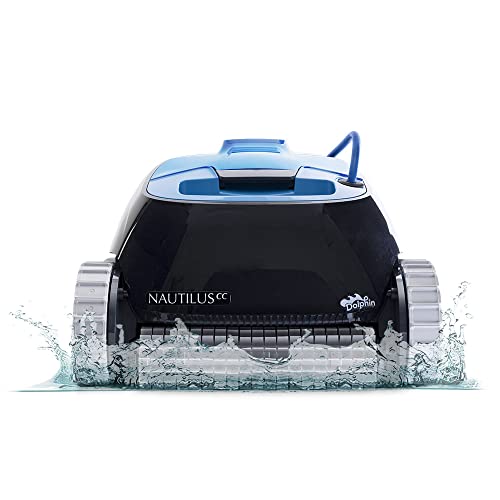
WALL-SCRUBBING POWER: Dolphin Nautilus CC climbs walls efficiently, ensuring thorough cleaning on any pool surface, no matter the shape or surface type.
Manual Pool Vacuums
Manual pool vacuums require your physical effort to clean the pool. You connect these vacuums to your pool’s filtration system and guide them around the pool’s surface.
- Types: Various models such as handheld vacuums or suction-side cleaners exist.
- Advantages: They offer control over cleaning areas, targeting specific debris.
- Considerations: Manual cleaning takes time and effort, suitable for pools with light debris.
Automatic Pool Vacuums
Automatic pool vacuums operate independently, cleaning pools without your constant supervision. They automatically navigate the pool, collecting debris with minimal input from you.
- Types: Options include robotic vacuums, pressure-side cleaners, and suction-side cleaners.
- Advantages: They save time, require little effort, and often provide thorough cleaning.
- Considerations: Invest more upfront, and consider power source and maintenance needs.
By understanding the various types of pool vacuums, you can determine which fits your cleaning routine and pool conditions best.
Benefits of Using a Pool Vacuum
Using a pool vacuum provides several significant benefits for pool owners. It simplifies maintenance and improves the overall swimming experience.
Recommended Products

Note:The vacuum requires at least a 3/4hp swimming pool pump or 1600ghp to function properly.

Easy to Set Up and Efficient Cleanning and Super Quietly - Our pool vacuum cleaner isvery easy to assemble & install & allows you to clean your pool effortlessly andquietly, unlike some other automatic pool cleaners that make an annoying hammernoise. Low noise, create a quiet operate environment
Saves Time and Effort
Saves you time by automating the cleaning process. Using a pool vacuum allows you to focus on enjoying your pool rather than constantly cleaning it. Automatic vacuums operate independently, handling debris without your constant supervision. Manual vacuums require physical effort but can target specific areas effectively. With both options available, you can choose what best fits your lifestyle and cleaning preferences.
Enhances Water Quality
Enhances water quality by removing debris, dirt, and algae promptly. Maintaining clean water prevents issues like cloudy water and algae buildup, promoting a healthier swimming environment. By vacuuming regularly, you reduce the risk of harmful bacteria, ensuring a safe space for you and your family. Fresh, clear water enhances the overall swimming experience and encourages more frequent use of your pool.
Factors to Consider
Several factors influence the decision to invest in a pool vacuum. Understanding these elements helps you choose the right tool for your pool maintenance needs.
Recommended Products

【Smart Automation with One Click】Keeping your pool clean is more convenient with this pool cleaner robot! Just click the knob and the Pooleco robotic pool cleaner starts working immediately. Its dual large suction ports and bottom brush automatically collect leaves, dirt, and sand—no manual scrubbing required. Works well as a pool vacuum for above ground pool and also suits inground setups.
![[2026 Release] AI Vision Cordless Pool Vacuum Robot for Inground & Above Ground Pools, 6800 GPH Suction, Floor/Wall/Waterline/Shallow Area Cleaning, Waterline Parking (Navy Blue)](https://m.media-amazon.com/images/I/514xGHpk4ML._SL500_.jpg)
Powerful Cleaning Performance: With dual brushless motors running at 3200 RPM and 4800 GPH suction, this robotic pool cleaner is designed to tackle tough debris like leaves, sand, and scum. Whether for above-ground pools or inground pool cleaning, it ensures deep, reliable cleaning every time.

Multiple Cleaning Modes: the swimming pool vacuum cleaner with floor cleaning, wall cleaning and automatic cleaning mode; track structure, it can overcome obstacles, such as drain valves at the bottom of swimming pools, slopes, etc
Size and Type of Pool
Consider the size and type of your pool. A larger pool typically requires a more powerful vacuum. For instance, above-ground pools may only need manual vacuums, while in-ground pools benefit from automatic or robotic vacuums that can easily cover larger areas.
Think about your pool’s shape as well. Irregularly shaped pools can pose challenges for some vacuums, making a model designed for complex geometry essential. Evaluate your specific situation to determine the most suitable vacuum type.
Budget and Maintenance Costs
Budget plays a crucial role in your decision. Pool vacuums range from $100 for basic models to over $1,000 for advanced robotic versions. Set a budget that accommodates both the vacuum’s purchase price and ongoing maintenance costs.
Factor in additional expenses such as replacement parts, repair services, and energy costs for electric models. Investing in a quality vacuum may save money in the long run by reducing chemical use and extending the life of your pool’s surface.
Evaluate these financial aspects carefully to find a vacuum that fits your needs without breaking the bank.
Conclusion
Deciding whether you need a pool vacuum ultimately comes down to your specific situation. If you want to enjoy a clean and inviting pool without spending hours maintaining it yourself a vacuum can be a game changer.
Consider your pool’s size type and your budget to find the right fit for your needs. A good vacuum not only saves you time but also helps keep your pool safe and enjoyable for family and friends.
So take the plunge and invest in a pool vacuum that makes your life easier. You’ll be glad you did when you’re lounging in a sparkling clean pool instead of worrying about debris and dirt.
Frequently Asked Questions
What are the main challenges pool owners face in maintaining clean pools?
Pool owners often deal with debris accumulation, algae growth, and harmful bacteria, which can lead to unsafe swimming conditions. Regular cleaning is necessary to keep water clear and safe for enjoyment.
How do pool vacuums help with pool maintenance?
Pool vacuums save time and effort by automatically cleaning debris from the pool floor and walls. They help prevent the buildup of harmful bacteria and algae, ensuring a healthier swimming environment.
What factors should I consider when investing in a pool vacuum?
When buying a pool vacuum, consider the pool size, shape, type (above-ground or in-ground), your budget, and the vacuum’s maintenance costs. These factors will help you choose a vacuum that meets your cleaning needs without overspending.
How does pool size affect the choice of vacuum?
Larger pools typically require more powerful vacuums to efficiently handle debris. On the other hand, smaller pools may do well with basic models, as they need less suction power and cleaning capacity.
What is the cost range for pool vacuums?
Pool vacuum prices can vary widely. Basic models may start around $100, while advanced robotic vacuums can cost several hundred dollars. Assess your needs to find a vacuum that fits your budget and performance requirements.