Do you ever wonder if you should run your pool pump around the clock? You’re not alone. Many pool owners face this dilemma, especially during the hot summer months when keeping your water clean is a top priority.
Running your pump constantly can feel like the easiest solution, but it might not be the most efficient or cost-effective choice. In this article, you’ll discover the factors that influence how long you should run your pump and the benefits of finding the right balance. By the end, you’ll have a clearer understanding of what works best for your pool and your wallet.
Key Takeaways
- Optimal Run Time: Adjust your pool pump run time based on pool size, usage patterns, and water temperature to maintain cleanliness and efficiency.
- Energy Efficiency: Implement timers and consider variable-speed pumps to reduce energy costs while maintaining effective water filtration.
- Signs of Adjustment: Monitor water clarity, debris buildup, and algae growth to determine if you need to increase your pump’s run time.
- Benefits of 24/7 Operation: Running your pump continuously improves water circulation and enhances filtration, leading to clearer and cleaner pool water.
- Custom Schedules: Explore alternative pumping schedules, such as daytime or nighttime operation, based on environmental conditions and pool usage for improved performance.
- Regular Maintenance: Keep your pump and filter clean to ensure optimal performance and efficiency, helping to prevent cloudy water and algae problems.
Understanding Your Pool Pump
Your pool pump plays a crucial role in keeping your pool clean and safe. It circulates water, filters out debris, and ensures proper chemical distribution. Knowing how it works helps make informed decisions about operation.
Recommended Products
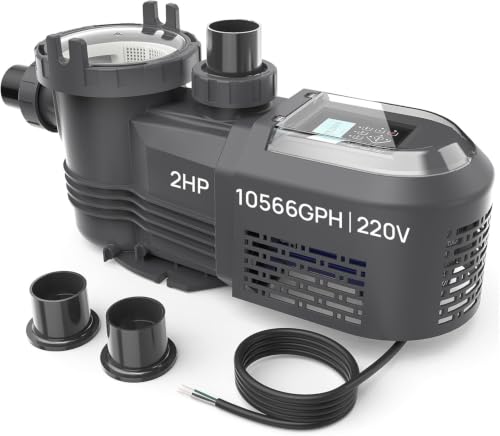
Energy-Saving Design: Utilizing variable speed technology, our pump reduces energy consumption by up to 80% compared to traditional pumps, providing significant long-term savings while maintaining optimal pool performance.

Energy-Saving Design: Utilizing variable speed technology, our pump reduces energy consumption by up to 80% compared to traditional pumps, providing significant long-term savings while maintaining optimal pool performance.

More Energy-Efficient: This variable speed pool pump adjusts speed based on your pool size and usage frequency, saving up to 89% on energy compared to traditional single-speed pumps
How the Pool Pump Works
- Water Intake: The pump draws water from the pool through the skimmer and main drain.
- Filtration: The water passes through a filter to remove dirt and contaminants.
- Return Flow: Once cleaned, the pump pushes the water back into the pool through the return jets.
Pump Run Time Recommendations
Determining the optimal run time for your pool pump depends on several factors:
- Pool Size: Larger pools require more circulation time compared to smaller ones. For a 20,000-gallon pool, aim for 8-12 hours daily during peak usage.
- Usage Patterns: If your pool sees heavy use, increase run time. Otherwise, 6-8 hours may suffice during weeks without heavy traffic.
- Water Temperature: Warm water promotes algae growth. Running the pump longer during hot months helps maintain cleanliness.
Energy Efficiency Considerations
Balancing efficiency with cleanliness is vital. Consider these tips:
- Use a Timer: Automate pump operation with a timer to save energy. Schedule cycle times during off-peak hours.
- Variable Speed Pumps: Invest in variable-speed pumps for lower energy costs. These pumps adjust speed, providing efficiency over fixed-speed options.
- Regular Maintenance: Clean filters and check pump performance regularly. A well-maintained pump runs more efficiently.
Signs Your Pump Needs Adjustment
Monitor these indicators to determine if you need to adjust run times:
- Cloudy Water: If the water looks cloudy, increase the pump’s running time until clarity returns.
- Debris Buildup: Inspect skimmers and baskets. If they’re filled frequently, your pump may need to run longer.
- Algae Growth: Notice any algae formation? Extend the filtration time to combat it effectively.
Understanding your pool pump’s function and needs makes managing it easier. Adjustments based on circumstances lead to a cleaner, safer swimming environment.
Benefits of Running Your Pool Pump 24/7
Running your pool pump 24/7 offers several key benefits, particularly in maintaining water quality and clarity. Consistent operation helps prevent common issues that pool owners face.
Recommended Products
☀️【Ultra-Efficient Solar Operation】This 12W solar fountain pump delivers 30% higher energy conversion than traditional panels, with 160GPH max flow for continuous water circulation. The 16.4ft cord allows optimal solar panel placement in gardens/patios.
Improved Water Circulation
Improved water circulation occurs when you run the pump continuously. Water flow promotes even distribution of chemicals, preventing areas of stagnation. Areas of stagnation can lead to algae growth and debris accumulation. For instance, when water circulates uniformly, it ensures chemicals like chlorine disperse evenly, enhancing sanitation. Aim for a minimum of one complete water turnover every 24 hours to maintain optimal circulation.
Enhanced Filtration
Enhanced filtration is another significant benefit of continuous pump operation. Filtration systems remove particles, organic matter, and contaminants effectively when water flows consistently. Continuous flow results in clearer water and fewer debris particles. If the filter processes all the water regularly, it helps minimize the chances of cloudy water and algae formation. Consider checking your filter’s pressure gauge; a drop in pressure might indicate a need for cleaning, ensuring effective filtration.
Factors to Consider Before Running 24/7
Running your pool pump 24/7 involves several critical factors. Understanding these can help you make the best decision for your pool’s maintenance and efficiency.
Recommended Products
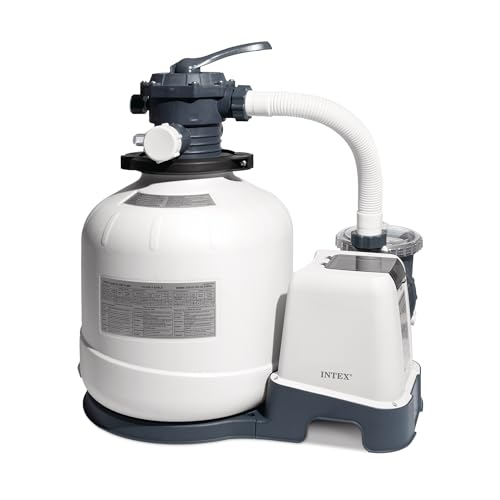
✔ EXCELLENT FILTRATION – SX3000 provides excellent water filtration with the 6-function valve that allows you to filter, backwash, rinse, re-circulate, drain and close the system.

Genuine O.E.M. Product: Authentic Pentair replacement part ensuring quality and reliability
Pool Size and Volume
Pool size significantly impacts pump operation. Larger pools usually require longer pump runtimes to achieve complete filtration. For example, if your pool holds 20,000 gallons of water, pumps often need to run between 8 to 12 hours daily for optimal circulation. In contrast, smaller pools of around 10,000 gallons may only need 6 to 8 hours. Monitor your water clarity and adjust the runtime accordingly.
Climate and Weather Conditions
Climate plays a vital role in determining pump operation. In hot and humid environments, algae growth occurs faster, necessitating longer pump runtimes. Conversely, in cooler climates, pumping for shorter periods may suffice. For instance, during summer months, you might run your pump 10 to 12 hours daily, while winter may reduce that to 4 to 6 hours. Also, be mindful of debris accumulation; heavy rain or wind can warrant additional pump time to manage water quality.
Alternative Pump Running Schedules
You can manage your pool pump efficiently with alternative running schedules. These schedules not only reduce energy costs but also maintain water quality.
Daytime vs. Nighttime Operation
Running the pool pump during the day or night has its benefits. Daytime operation takes advantage of sunlight, enhancing chlorine effectiveness in fighting bacteria and algae. For those in hotter climates, running the pump when temperatures peak helps cool the water. Nighttime operation reduces noise disturbances and might result in lower energy rates, depending on your utility provider. Explore local energy plans to see if nighttime rates offer savings.
Timing Based on Pool Usage
Consider the timing based on when you use your pool. If you swim in the morning, set the pump to run a few hours before. If evening swims are your thing, run the pump during the day to keep water clear. For infrequent use, a few hours of operation before and after use maintains clarity. Adjust pump schedules according to anticipated usage, ensuring optimal water quality whenever you decide to take a dip.
Conclusion
Deciding whether to run your pool pump 24/7 really depends on your unique situation. By considering factors like your pool size climate and usage patterns you can find a routine that keeps your water clean without breaking the bank.
Don’t forget to monitor your water clarity and adjust your pump schedule as needed. Whether you choose to run it continuously or on a more tailored schedule make sure you prioritize the health of your pool.
With the right approach you can enjoy a sparkling clean pool all season long while keeping energy costs in check. Happy swimming!
Frequently Asked Questions
How long should I run my pool pump each day?
To maintain a clean pool, it’s generally recommended to run your pool pump for 8 to 12 hours daily. This duration allows for proper filtration and circulation of water, ensuring contaminants are effectively removed.
Can I run my pool pump 24/7?
Yes, running your pool pump 24/7 can enhance water circulation and filtration, helping to prevent issues like algae growth and debris accumulation. However, consider the associated energy costs and your pool’s specific needs.
What factors affect how long I should run my pool pump?
Key factors include your pool size, usage patterns, water temperature, and local climate. Larger pools and warmer climates may require longer runtimes for effective filtration and to prevent algae growth.
What are the benefits of running the pump at night versus during the day?
Running the pump at night can save on energy costs, reduce noise, and maintain chlorine effectiveness. Daytime operation may enhance evaporation and is useful when the pool is heavily used, providing fresh circulation before swim time.
How can I efficiently manage my pool pump’s runtime?
You can adjust your pump’s schedule based on usage patterns, weather conditions, and water clarity. Consider running the pump longer during warmer months or heavy pool use, and reducing runtime during cooler periods.