Have you ever jumped into a chilly pool and wished it was warmer? You’re not alone. Many pool owners face the same frustration when trying to enjoy a swim on cooler days. That’s where solar covers come into play.
Key Takeaways
- Effective Heat Retention: Solar covers can raise pool temperatures by 10 to 15 degrees Fahrenheit, providing a warmer swimming experience on cooler days.
- Energy Savings: By reducing heat loss, solar covers can save up to 70% on heating costs, extending the life of your pool heater.
- Minimized Water Evaporation: Using a solar cover decreases evaporation rates by up to 95%, conserving water and reducing the need for additional chemicals.
- Influencing Factors: Pool size, weather conditions, and cover material significantly affect a solar cover’s efficiency in retaining heat.
- Maintenance is Key: Regular cleaning and proper storage are essential for maintaining the effectiveness and longevity of solar covers.
- Cost Considerations: Initial costs for solar covers vary, with higher quality options offering better insulation and durability.
Understanding Solar Covers
Solar covers serve as an effective tool in maintaining and increasing the temperature of pool water, making your swimming experience more enjoyable, even on cooler days.
What Is a Solar Cover?
A solar cover is a blanket designed specifically for swimming pools. Made from durable, UV-resistant plastic material, it features a series of air-filled bubbles. These bubbles trap heat from sunlight and insulate the pool, preventing heat loss during cooler nights. Various shapes and sizes are available to fit different pool styles, including above-ground and in-ground pools.
How Do Solar Covers Work?
Solar covers work through simple principles of heat retention and solar gain. They capture sunlight during the day, which heats the water beneath them. If the water temperature is higher than the air temperature, the cover reduces evaporation, allowing the pool to retain its warmth.
- Daytime Heating: When sunlight hits the solar cover, the bubbles absorb solar energy. This energy transfers to the pool water, raising its temperature.
- Nighttime Insulation: At night, the cover prevents heat from escaping. The trapped air bubbles create an insulating layer that helps maintain warmer water temperatures.
- Reduced Evaporation: Solar covers significantly lower evaporation rates. This feature not only aids in heat retention but also reduces water and chemical loss.
Using a solar cover can effectively raise water temperatures by 10 to 15 degrees Fahrenheit in optimal conditions. Adding a solar cover to your pool care routine enhances warmth, making swimming more enjoyable.
Benefits of Using a Solar Cover
Using a solar cover offers several advantages for pool owners. These benefits impact both your pool maintenance routine and your swimming experience.
Recommended Products
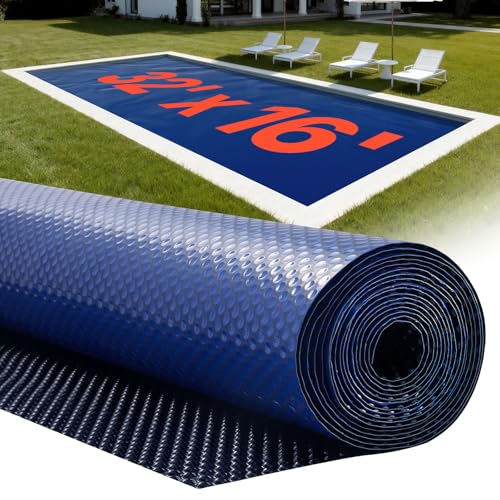
Enjoy Longer Swims: This 32 x 16ft/9.75 x 4.88m rectangle solar pool cover works as a reliable pool cover, using an 16 mil bubble design to help retain heat and keep water warmer. The pool solar cover supports a longer swimming time while offering an easy-to-trim fit for irregular pool shapes

Extend Swimming Time - The Solar Pool Cover is made of special material. The transparent blue cover absorbs heat through thousands ofbubbles during the day and releases heat into the pool, thus allowing for longer swimming time. Let you enjoy a pleasant swimming time! Notice: bubble side is down wheen use, normal the bubble will be a little deflated before sun exposure due to thprinciple of thermal expansion and contraction
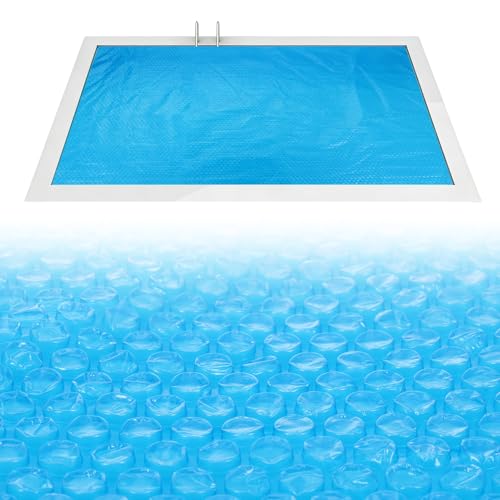
Perfect Fit for Small Rectangular Pools – Measures 9.8 x 6.5 feet (approx. 300 x 200 cm), specifically sized for above-ground rectangular pools, easy to trim for custom fit.
Heat Retention
Solar covers significantly enhance heat retention. During the day, they capture sunlight and warm the water. At night, the insulated material prevents heat from escaping. This dual action can raise water temperatures by 10 to 15 degrees Fahrenheit. For example, if your pool’s water temperature is typically 75°F, using a solar cover can easily bring it to 85°F or higher. You’ll enjoy warmer swims even on cooler days.
Energy Efficiency
Energy efficiency improves when you use a solar cover. By retaining heat, you reduce the need for additional heating systems, lowering energy costs. If your pool has a heater, less thermal loss means it operates less frequently, extending its lifespan. For instance, a solar cover can save up to 70% in heating costs compared to pools without covers.
Reduced Water Evaporation
Solar covers minimize water evaporation significantly. Pools can lose several inches of water weekly due to evaporation, leading to increased refill costs. When you cover your pool, evaporation rates decrease by up to 95%. This not only conserves water but also reduces the need for added chemicals to maintain water balance. For example, with less evaporation, you might find yourself refilling your pool only a couple of times a month instead of weekly.
Factors Influencing Heat Retention
Several factors influence how well a solar cover retains heat in your pool. Understanding these can help maximize your pool’s warmth.
Recommended Products

Helps Conserve Water & Energy: This Natural Chemistry cover free is an advanced mono-layer technology that helps save water and money by decreasing evaporation.

Extend Swimming Season: Embrace warmth with VEVOR solar pool cover, which efficiently absorbs heat during the day and reduces heat loss at night. Depending on environmental conditions, it can increase water temperature by 8-15°C, enjoying a longer swimming season and lower heating costs.

Innovative Heat Retention: AquaDoc's Pool Heat Lock forms a transparent, ultra-thin layer on the water's surface, acting as a barrier to minimize heat loss and maintain a comfortable swimming temperature. Heat Lock is designed to extend your pool season with special heat saving abilities.
Pool Size and Shape
Pool size and shape significantly impact heat retention. Larger pools require more heat to warm than smaller ones, meaning they may lose heat faster overnight. Additionally, irregular shapes can have more surface area exposed to cooler air, which can lead to quicker heat loss. For optimal heat retention, consider using a solar cover that fits your pool snugly to minimize exposure.
Weather Conditions
Weather conditions play a crucial role in heat retention. Sunny days contribute more heat, as the solar cover traps this warmth efficiently. However, windy or cloudy days can reduce the effectiveness of heat retention. If it’s windy, consider placing barriers around your pool to reduce air movement. On particularly chilly nights, keep the cover on to insulate water and prevent heat loss.
Cover Material
The material of the solar cover determines heat retention efficiency. Solar covers made from UV-resistant plastic with air-filled bubbles trap heat effectively. Thicker covers provide better insulation but may be heavier; ensure your cover is manageable for easy removal and placement. Transparent or blue covers absorb more sunlight, while darker covers enhance heat retention. Choose a material that aligns with your pool’s specific needs for optimal results.
Limitations of Solar Covers
While solar covers provide numerous benefits, several limitations may affect their efficiency and overall performance.
Recommended Products

Cleans & Deodorizes Pool Covers: BioGuard StowAway cleans and deodorizes pool covers to prepare them for storage. Even when pool covers are stored wet, this product cleans, deodorizes, and prevents the cover from sticking together when it is folded.

Keep your pool water warmer with this Environmentally friendly heating method!

Extend Swimming Season: Embrace warmth with VEVOR solar pool cover, which efficiently absorbs heat during the day and reduces heat loss at night. Depending on environmental conditions, it can increase water temperature by 8-15°C, enjoying a longer swimming season and lower heating costs.
Initial Cost
Initial costs for solar covers can vary widely. Basic covers may start around $50, while high-quality options range up to $600 or more. Higher-end covers often offer better durability and insulation. You should account for these costs, as the price reflects the cover’s material and heat retention capabilities.
Maintenance Considerations
Maintenance for solar covers requires regular attention. You may need to clean the cover frequently to remove dirt and debris. A simple rinse with water usually suffices, but using mild soap can help eliminate stubborn grime. Ensure you check for signs of wear or damage; a torn cover won’t function effectively. Additionally, proper storage during off-seasons helps prolong the cover’s lifespan. Keeping it out of direct sunlight when not in use can prevent unnecessary fading and deterioration.
Conclusion
Using a solar cover can be a game-changer for your pool experience. It not only helps warm the water but also keeps evaporation at bay. You’ll enjoy longer swims and save on heating costs.
While there are some limitations and maintenance tasks to keep in mind the benefits often outweigh the drawbacks. By choosing the right cover and taking care of it you can make the most of sunny days and enjoy your pool to the fullest. So go ahead and invest in a solar cover and watch your pool transform into a cozy oasis.
Frequently Asked Questions
What are the benefits of using solar covers for pools?
Solar covers effectively warm pool water by capturing sunlight, reducing evaporation rates, and enhancing the overall swimming experience. They help maintain a comfortable temperature, allowing for longer swimming sessions, especially in cooler weather.
How do solar covers work?
Solar covers trap sunlight and utilize its heat to warm the water beneath. The cover also minimizes heat loss at night and reduces water evaporation, which conserves both heat and water.
What factors influence the effectiveness of solar covers?
Key factors include pool size and shape, environmental conditions (like sunlight and wind), and the material of the solar cover. Choosing the right cover tailored to these variables can maximize heat retention.
How much do solar covers cost?
Solar cover prices vary widely, ranging from about $50 to over $600. Generally, higher-priced covers offer better durability and enhanced insulation, leading to more efficient heating.
What maintenance is required for solar covers?
To maintain the effectiveness and longevity of solar covers, regular cleaning to remove debris and proper off-season storage are essential. This ensures they remain functional and in good condition for the next swimming season.