Have you ever wondered how deep your swimming pool should really be? Whether you’re planning to build a new pool or just curious about the ideal depth, it’s a question that can make a big difference in your swimming experience.
Imagine hosting a summer party where everyone can enjoy the water, but some guests are hesitant to jump in because the pool’s too shallow or too deep. Finding the right depth isn’t just about safety; it’s also about fun and comfort for everyone.
Key Takeaways
- Safety is Paramount: Ensure your pool depth accommodates both inexperienced and experienced swimmers to minimize drowning risks and comply with local regulations.
- Depth Influences Activities: Tailor the pool depth to its intended use—shallower areas for relaxation and children, deeper sections for competitive swimming, diving, and water sports.
- Recommended Depths Vary: For residential pools, aim for depths of 3 to 5 feet; competitive pools should be at least 6 feet deep, while diving pools need 8 to 10 feet for safety.
- Avoid Common Mistakes: Consider the pool’s purpose, adhere to local regulations, and include necessary safety features to enhance user experience and prevent costly errors.
- Plan for the Future: Anticipate potential changes in user needs and resale value, ensuring the chosen depth will appeal to future occupants or buyers.
- Consult Professionals: Seeking advice from pool designers or contractors can help you make informed decisions about pool depth that align with your goals and property requirements.
Importance of Swimming Pool Depth
Choosing the right swimming pool depth greatly affects safety, enjoyment, and comfort. Here’s why it matters:
Safety Considerations
- Safety for all ages is paramount. Shallow areas support beginners and children, minimizing drowning risks.
- Deeper sections cater to experienced swimmers, allowing safe diving and aquatic activities.
- Complying with local regulations often requires specific depths for designated activities.
Enjoyment and Activities
- Different depths facilitate various activities. Shallow pools work well for lounging and games, while deep pools enable diving and swimming laps.
- Depth influences water temperature, as deeper pools may stay cooler in summer, adding comfort during hot days.
Comfort and Accessibility
- Proper depth contributes to swimmers’ comfort. Those less confident in water prefer shallower areas for ease of access.
- Designing a pool with varied depths appeals to diverse preferences, enhancing overall user experience.
Installation and Maintenance
- Pool depth affects water volume, impacting chemical balance and maintenance efforts. Shallower pools require less water, making maintenance simpler.
- Deeper pools often entail specialized covers and cleaning systems to ensure safety and cleanliness.
- A well-designed pool depth attracts buyers. Families may prioritize safety and diverse swimming options, enhancing property value.
Determining the right depth aligns with user needs and safety regulations, ensuring a positive swimming experience.
Factors Influencing Pool Depth
Choosing the right pool depth involves several key factors. Understanding these influences helps tailor the pool to your needs and preferences.
Recommended Products

Easy Installation: Installs easily with no damage to your pool structure or surface
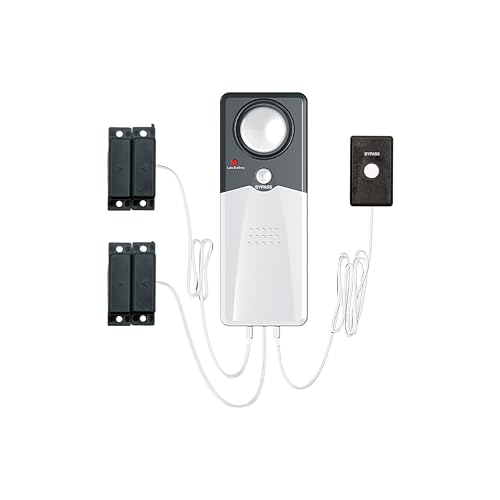
Pass Pool Inspections: Compliant with UL 2017 safety standards & Child Pool Safety Law

Connectivity – Smartphone App connectivity enables full control of the system, no matter where you are. Supports Alexa voice commands to change system state.
Purpose of the Pool
Consider the primary use of your pool. A recreational pool for family use often benefits from a depth of 3 to 5 feet. If you plan to host social gatherings, shallow areas for lounging enhance comfort. Conversely, if competitive swimming or diving appeals to you, deeper sections of 8 to 10 feet are ideal.
Types of Activities
Different activities require different depths. For example:
- Relaxation: Shallow depths (3 to 4 feet) allow for easy lounging and sunning.
- Swimming: A depth of 5 to 6 feet caters to casual swimmers. It allows ample room for most strokes without deep-water concerns.
- Diving: Deeper areas (8 to 10 feet) accommodate diving boards and competitive diving.
- Water Sports: Facilities for games such as volleyball or basketball often function best in depths around 5 to 6 feet.
Safety Considerations
Safety plays a crucial role in determining pool depth. Shallow areas reduce drowning risks for inexperienced swimmers. Specific guidelines encourage maintaining a minimum depth of 4 feet at the shallow end for diving safety. Always check local regulations, as they might dictate minimum depth requirements based on pool type. Install safety features like pool covers, alarms, and appropriate signage to enhance safety measures.
Recommended Depths for Different Purposes
Choosing the right depth for your swimming pool depends on its intended use. Here’s a breakdown of recommended depths for various purposes.
Recommended Products

Anti-Floating Stability:Once positioned in the water, the ladder remains securely anchored for a stable and reliable experience. It is designed with a dual-reinforcement system, featuring stone-fill side panels and water-fill able treads and baffles for enhanced balance and support.

FITMENT: Swimming Pool Rung Ladder Step Comp compatible with most above-ground and in-ground ladders. Measures 18-1/8''. Made to fit 1.9" diameter ladders. Please take time and measure your step

3 REPLACEMENT LADDER STEPS - Enter and exit your pool without a hassle. Replace broken or warn out steps for pool ladders
Residential Pools
For residential pools, the typical range is 3 to 5 feet. A depth of 3 feet is ideal for children and beginners, ensuring safety and easy access. If you want a more versatile pool for family activities, consider 4 to 5 feet. This depth allows comfortable swimming and relaxing, accommodating adults and kids alike.
Competitive Swimming Pools
Competitive swimming pools usually measure at least 6 feet deep. This depth helps minimize turbulence during races, enhancing performance. Olympic-sized pools commonly feature depths of 8 feet. This provides ample space for flip turns and dives, creating an environment suitable for elite competition.
Diving Pools
Diving pools require a depth of at least 8 to 10 feet. Depths below 8 feet pose safety risks for divers. For platforms, a depth of 10 feet offers enough room for safe entry. Standard diving boards typically necessitate a depth of 9 to 12 feet. Ensuring appropriate depth significantly reduces the chance of injury during dives.
Common Mistakes in Pool Depth Selection
Understanding pool depth can prevent costly errors. Here are common mistakes to avoid when determining your pool’s depth.
Recommended Products


DURABLE. 5 Ft Pool markers are made from 20 mil thick non-skid vinyl and are good for long-term use, even in high traffic areas.

LONG-LASTING DURABILITY: Crafted in the USA using only the finest materials, our skid resistant no diving signs are made to endure extreme conditions, ensuring a reliable and long-lasting addition to your pool safety.
Ignoring Purpose
Selecting a depth without considering the pool’s purpose leads to issues. For family pools, prioritize shallow areas for kids. For serious swimmers, deeper sections are essential. Assess how you plan to use the pool before deciding on depth.
Overlooking Local Regulations
Disregarding local building codes can result in trouble. Many areas have specific requirements for pool depths, especially for diving. Familiarize yourself with these codes to ensure compliance and safety.
Inadequate Safety Features
Neglecting safety features within the pool’s design is a grave mistake. Install proper signage, barriers, and alarms for deeper sections. Ensuring safety features aligns with pool depth significantly enhances security.
Misjudging User Experience
Underestimating the needs of pool users can impact enjoyment. Consider who will use the pool—children, experienced swimmers, or both. Tailor the depth to accommodate everyone for optimal enjoyment.
Failing to Plan for Future Use
Not planning for future needs can lead to regret. If your family grows or swimming skills improve, you might need a deeper pool. Think long-term before finalizing the depth decision.
Neglecting Resale Value
Ignoring the potential impact on resale value can be a mistake. A well-designed pool depth appeals to future buyers. Research market trends to choose a depth that attracts potential buyers.
Skipping Professional Advice
Avoid bypassing expert opinions. Consulting with a pool designer or contractor offers valuable insights. Experts can guide you in making the right depth choice that suits your property and goals.
Avoid these common mistakes to select an appropriate pool depth. Thoughtful planning ensures safety, enjoyment, and increased value.
Conclusion
Choosing the right depth for your swimming pool can make all the difference in your enjoyment and safety. By considering your specific needs and the activities you plan to enjoy you can create a space that’s perfect for everyone. Don’t forget to keep safety in mind and follow local regulations to ensure a worry-free swimming experience.
With thoughtful planning and a little guidance you can avoid common pitfalls and make a decision that not only enhances your enjoyment but also adds value to your home. Happy swimming!
Frequently Asked Questions
What factors should I consider when choosing a swimming pool depth?
When choosing a swimming pool depth, consider the pool’s purpose, types of activities (swimming, diving, relaxation), safety for users, and local regulations. Evaluate user experience levels and future usage plans to ensure that the depth fits various needs.
Why is safety important when determining pool depth?
Safety is crucial in pool depth selection as it helps prevent accidents and drowning risks. Shallow areas provide safety for beginners, while deeper sections must comply with regulations and safety features to protect all users.
How do local regulations affect pool depth?
Local regulations often dictate minimum and maximum pool depths based on safety standards. Adhering to these guidelines is vital to ensure compliance, prevent fines, and enhance overall safety for swimmers.
What common mistakes should I avoid when selecting pool depth?
Common mistakes include ignoring the pool’s purpose, overlooking regulations, neglecting safety features, misjudging user experience, failing to consider future use, and skipping professional advice. These can lead to unsafe conditions and decreased enjoyment.
How can proper pool depth enhance my swimming experience?
Proper pool depth caters to various activities, ensuring safety and enjoyment. Shallow areas are safe for beginners, while deeper sections accommodate diving and water sports, allowing everyone to enjoy the pool regardless of skill level.