Are you tired of the harsh effects chlorine has on your skin and eyes? You’re not alone. Many pool owners are making the switch to saltwater systems for a gentler swimming experience. Saltwater pools not only feel better but are also easier to maintain in the long run.
Key Takeaways
- Enhanced Swimming Experience: Saltwater pools are gentler on skin and eyes, reducing irritation often caused by chlorine.
- Simplified Maintenance: Saltwater systems automate chlorine production, resulting in easier pool upkeep compared to traditional chlorine pools.
- Cost-Effective Solution: Over time, switching to a saltwater pool can lead to savings due to reduced need for purchasing chlorine.
- Environmental Benefits: Lower chemical usage contributes to a healthier ecosystem and reduced swimmer exposure to harsh chemicals.
- Installation Steps: A systematic approach is crucial—evaluate existing equipment, test water chemistry, and follow proper installation procedures to ensure a successful transition.
- Regular Maintenance: Ongoing checks of pH, alkalinity, and salt levels are essential for optimal performance of your saltwater system.
Understanding Chlorine Pools
Chlorine pools use chlorine to sanitize water, providing a traditional swimming option. Despite their popularity, these pools present several challenges for owners.
Common Issues with Chlorine Pools
- Skin Irritation: Chlorine can cause rashes and discomfort for sensitive skin.
- Eye Irritation: Swimmers often experience red, stinging eyes after swimming in chlorine pools.
- Chemical Imbalance: Maintaining proper chlorine levels can be challenging, leading to fluctuating water quality.
- Foul Odors: Chloramines, a byproduct of chlorine, can create unpleasant smells.
- Harder Maintenance: Frequent chemical testing and the addition of chlorine can make upkeep more demanding.
- Gentler on Skin and Eyes: Saltwater pools significantly reduce irritation, creating a more pleasant swimming experience.
- Easier Maintenance: Saltwater systems automatically generate chlorine, simplifying ongoing upkeep.
- Cost-Effective: Over time, the reduced need for purchased chlorine can lead to savings.
- Softer Water Feel: The saltwater provides a silky, soothing sensation while swimming.
- Environmental Benefits: Lower chlorine use leads to reduced chemical exposure for both swimmers and the surrounding ecosystem.
Steps to Change Chlorine Pool to Saltwater
Changing your chlorine pool to a saltwater pool involves several steps to ensure a smooth transition. Follow these guidelines for a successful conversion.
Recommended Products

NATURAL SANITIZATION AND SOFTNESS: The Hayward Turbo Salt Cell chlorinator for inground pools naturally converts dissolved salt into a consistent chlorine supply. Say goodbye to red eyes, dry skin, and faded fabrics - it's gentle on swimmers!

NATURAL SANITIZATION AND SOFTNESS: The Hayward Turbo Salt Cell chlorinator for inground pools naturally converts dissolved salt into a consistent chlorine supply. Say goodbye to red eyes, dry skin, and faded fabrics - it's gentle on swimmers!

NATURAL SANITIZATION AND SOFTNESS: The Hayward Turbo Salt Cell chlorinator for inground pools naturally converts dissolved salt into a consistent chlorine supply. Say goodbye to red eyes, dry skin, and faded fabrics - it's gentle on swimmers!
Assessing Your Current Pool Setup
- Inspect Your Equipment: Check pool components like pumps, filters, and heaters for compatibility with saltwater. Look for signs of corrosion or wear.
- Evaluate Your Pool Volume: Measure the dimensions of your pool to determine the total water volume. This calculation helps choose the right saltwater system.
- Test Existing Water Chemistry: Perform a test on your pool water to assess pH, alkalinity, and chlorine levels. Adjust these parameters if significantly out of balance.
- Research Local Regulations: Verify that saltwater pools meet local regulations and standards, as some regions may have specific guidelines.
- Select an Appropriate Salt Chlorinator: Choose a salt chlorinator that matches your pool size and desired chlorine output. The chlorinator’s capacity should align with your pool’s volume and usage patterns.
- Consider Salt Cell Longevity: Opt for a system with a long-lasting salt cell, specifying a lifespan of at least 3 to 7 years. Higher-quality cells often provide better value over time.
- Look for Additional Features: Investigate systems with advanced features like self-cleaning capabilities, automatic monitoring, and easy installation. These can enhance your experience.
- Read Reviews and Ratings: Check user reviews and ratings of various saltwater systems. Insights from existing users can help you make an informed choice.
Following these steps simplifies the transition to a saltwater pool, enhancing your swimming experience while minimizing maintenance.
Installation Process
Transitioning your chlorine pool to a saltwater system requires careful planning and execution. Follow these steps to ensure a smooth conversion.
Recommended Products

Quick & Easy Installation – This pool saltwater chlorinator is designed for effortless setup. Simply input your pool size, and it can be installed within minutes.
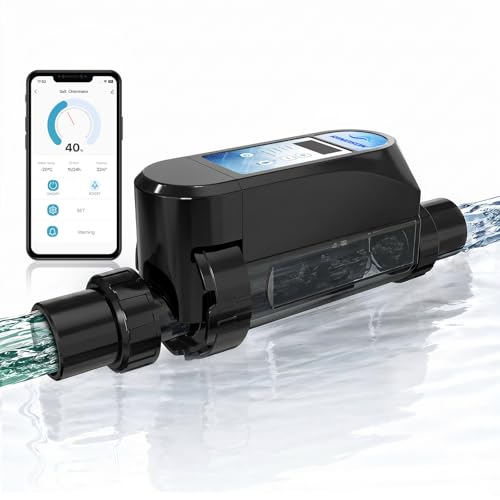
REMOTE CONTROL VIA APP: Smart saltwater chlorinator supports remote control via app (2.4GHz WiFi only). Operate the system anytime, anywhere—turn it on/off, adjust chlorine levels, or activate self-cleaning mode. Produces up to 0.7 oz of chlorine per hour (20g/h), ideal for pools up to 22,000 gallons, ensuring clean, safe water with less effort. Designed for reliable use with a built-in adapter supporting 100V–240V input.

Universal Compatibility- 952 salt cell cord fits for Autopilot Pool Pilot Digital (75003), Digital Nano (75040 & 75041) and Digital Nano Plus (75042 & 75043) saltwater chlorination systems, ensuring proper fit and function
Preparing Your Pool for Conversion
- Assess Current Equipment: Examine your pool’s existing equipment. Check if your pump and filter can manage a saltwater system.
- Test Water Chemistry: Conduct a water test to evaluate pH, alkalinity, and calcium hardness. Balance these levels before starting the conversion.
- Clean the Pool: Remove debris, clean the walls, and vacuum the pool. A clean pool aids the installation process.
- Consult Local Regulations: Review any regulations set by local agencies. Ensure that your conversion complies with guidelines in your area.
- Choose the Right Location: Position the salt chlorinator near the pool filter. Ensure easy access for maintenance and adjustments.
- Shut Off Power: Turn off all power to the pool equipment before installation. This step ensures safety while working on the system.
- Connect the Salt Chlorinator: Follow the manufacturer’s instructions for connecting the chlorinator to the existing plumbing. Use PVC pipe and fittings as needed.
- Wire the Electrics: Follow electrical instructions carefully. If unfamiliar with electrical work, consider hiring a professional.
- Add Salt: Calculate the appropriate salt amount needed for your pool’s size. Pour it into the shallow end and allow it to dissolve fully.
- Power On the System: Turn on the power and start the salt chlorinator. Monitor the system for proper operation and any unusual sounds or leaks.
These steps guide you through effectively converting your chlorine pool to a saltwater system, enhancing your swimming experience and simplifying maintenance efforts.
Maintenance Differences
Transitioning from a chlorine pool to a saltwater pool involves several maintenance adjustments that can enhance your swimming experience.
Recommended Products

Saltwater Pool Test Kit:8-way accurate testing for pH, Alkalinity, Hardness, Cyanuric Acid, Salt, Total/Free Chlorine, Bromine. 175ct pool salt testing strips for water balance,salt levels in the range of 0-6000 ppm

LAB-TESTED FOR ACCURACY: Take the guesswork out of routine water checks with our lab-tested pool test strips. Compare the strip colors with the bottle chart to monitor water chemistry and help guide pool and spa maintenance.

9-in-1 Pool Test Strips for Pool Water Analysis: Our pool strips provide an all-in-one solution for both chlorine & saltwater pool maintenance, testing salt levels(0-6000), pH, chlorine (total & free), bromine, alkalinity, hardness, cyanuric acid, and copper. Monitor every key aspect of your pool’s water chemistry with just one easy-to-use strip.
Routine Maintenance of Saltwater Pools
Routine maintenance for saltwater pools differs from traditional chlorine pools. You’ll still need to maintain water balance, but the salt chlorinator automates some of the chlorine production. Aim to check your water’s pH level, alkalinity, and calcium hardness weekly. The ideal pH level should range from 7.2 to 7.8 to ensure comfort and equipment safety.
You should also monitor your salt levels, typically between 2,700 to 3,500 parts per million (ppm). This ensures the salt chlorinator functions effectively. Cleaning the salt cell regularly, every 3 to 6 months, prevents calcium build-up and extends its lifespan. Additionally, remember to clear your pool of debris and check the skimmer and pump baskets weekly to maintain circulation.
Troubleshooting Common Issues
You may encounter a few common issues as you maintain your saltwater pool. If you notice cloudy water, check your chlorine output first. Low or high levels can indicate adjustments are needed. Use test strips to measure these levels accurately.
If you see signs of algae growth, shock the pool with a chlorine booster to eliminate the algae. In case the salt chlorinator isn’t functioning, inspect the salt cell for cleanliness and ensure the salt level is within the recommended range. Always consult the owner’s manual for troubleshooting guidance specific to your chlorinator model.
By understanding these maintenance differences, you can enjoy the benefits of your saltwater pool with minimal hassle.
Conclusion
Transitioning to a saltwater pool can be a game changer for your swimming experience. You’ll enjoy softer water and less hassle with maintenance. By following the steps outlined and keeping up with routine checks you can make this switch smoothly.
Remember that while there may be a bit of a learning curve at first the long-term benefits are worth it. Embrace the change and soon you’ll be swimming in a refreshing saltwater oasis right in your backyard. Enjoy your new pool lifestyle!
Frequently Asked Questions
What are the advantages of saltwater pools over chlorine pools?
Saltwater pools offer a gentler swimming experience, are easier to maintain, and can be more cost-effective in the long run. They also present environmental benefits, as they typically use less harsh chemicals.
How do I convert a chlorine pool to a saltwater pool?
To convert, assess your current pool equipment, test the water chemistry, and ensure compliance with local regulations. Select a suitable salt chlorinator and consider features such as salt cell longevity. Finally, read reviews before purchasing.
What maintenance is required for saltwater pools?
Routine maintenance includes checking water balance, monitoring pH and salt levels, and regularly cleaning the salt cell. This ensures optimal performance and helps prevent common issues.
What are some common issues with saltwater pools?
Common issues include cloudy water, algae growth, and salt chlorinator malfunctions. Understanding these problems allows pool owners to troubleshoot effectively.
How can I troubleshoot cloudy water in my saltwater pool?
To clear cloudy water, first, check the water chemistry balance, especially pH and chlorine levels. Additionally, ensure the filter is clean and running efficiently, and run your pump longer if needed.