Are you thinking about installing an above-ground pool but unsure how far it should be from your house? You’re not alone. Many homeowners face this question, and it’s crucial to get it right to ensure safety and enjoyment.
Imagine the excitement of summer days spent splashing around in your pool, but then consider the potential issues if it’s too close to your home. From water drainage to safety concerns, the distance can make a big difference. This article will guide you through the key factors to consider and help you find the perfect spot for your new pool, so you can enjoy a worry-free summer.
Table of Contents
- 1 Key Takeaways
- 2 Understanding Above Ground Pools
- 3 Importance Of Placement
- 4 Recommended Distances
- 5 Factors Influencing Distance
- 6 Conclusion
- 7 Frequently Asked Questions
- 7.1 What is the recommended distance between an above-ground pool and a house?
- 7.2 Why is distance important for pool placement?
- 7.3 How does property size affect pool placement?
- 7.4 What role do local climate conditions play in pool placement?
- 7.5 Are there regulations I need to follow for pool placement?
Key Takeaways
- Minimum Distance: Maintain at least 5 to 10 feet between your above-ground pool and your house to ensure proper drainage and easy maintenance access.
- Safety Considerations: Implement safety measures like fencing and positioning the pool away from power lines to minimize risks, particularly for children.
- Sun Exposure: Choose a location that receives ample sunlight (6-8 hours a day) to enhance water temperature and reduce algae growth.
- Local Regulations: Check local building codes for specific distance requirements and guidelines to avoid compliance issues and potential fines.
- Access for Maintenance: Ensure the pool is easily accessible for cleaning and repairs, accounting for landscaping features that may obstruct access.
- Property Size Impact: Take your property size into account to balance the pool’s distance from the house while leaving enough space for activities around the pool.
Understanding Above Ground Pools
Above-ground pools are popular for their affordability, ease of installation, and versatility. Understanding the key components of these pools helps ensure you choose the best location for your setup.
Types of Above Ground Pools
- Frame Pools: These pools feature a sturdy metal frame that supports the walls. They offer durability and stability for various weather conditions.
- Inflatable Pools: Inflatable options are easy to set up and take down. They work well for short-term use but may require additional precautions against punctures.
- Semi-Inground Pools: These pools offer flexibility in design. Installed partially above ground, they can be customized with landscaping to blend into your yard.
Key Considerations for Placement
- Distance from the House: Keep the pool at least 5 to 10 feet from the house. This distance helps prevent drainage issues and allows for easy maintenance access.
- Sun Exposure: Choose a location that maximizes sun exposure. Sunlight keeps the water warmer and reduces algae growth.
- Land Leveling: Ensure the ground is level before installation. Uneven terrain can cause structural damage and impact safety.
Safety Measures
- Fencing: Install a fence around the pool area to keep children and pets safe. Opt for a fence that is at least 4 feet high with a self-closing gate.
- Pool Cover: Use a durable pool cover when the pool is not in use. A cover provides additional safety and reduces debris accumulation.
Local Regulations
Check local regulations regarding pool installation. Requirements may include minimum distances from structures and mandatory fencing. Compliance with rules ensures safety and avoids penalties.
Maintenance Access
Maintain accessibility to the pool for cleaning and repairs. Create a clear path for pool equipment and maintenance tools. Plan around landscaping features that can obstruct access.
Understanding these aspects helps you select the right location for your above-ground pool while ensuring safety and enjoyment throughout the summer months.
Importance Of Placement
The distance between your above-ground pool and your house plays a vital role in safety and enjoyment. Proper placement ensures a fun and secure swimming environment.
Recommended Products

Pool Safety Fence for Above-Ground Pools: This pool safety fence creates a protective barrier that helps deter unsupervised pool access by pets and family members

Pool Safety Fence: The premium above-ground pool safety fence is crafted from high-quality materials to prevent accidental drowning. This essential safety feature is ideal for keeping children and pets secure around your pool area.

POOL SAFETY KIT - Help to keep your outdoor above ground swimming pool safe with this 24" vinyl safety fence. Helps fight off the risk of accidental pool drownings with this pool barrier.
Safety Considerations
Safety measures are crucial when placing your pool. Keep the following in mind:
- Distance from Structure: Maintain at least 3 feet between your pool and the house. This space allows for emergency exits and reduces the risk of accidents.
- Fencing: Install a fence around the pool for added safety, especially if children live nearby. Most local laws require a minimum height for pool enclosures.
- Electrical Safety: Position your pool away from power lines and outlets. Check local codes to ensure compliance with electrical safety standards.
- Surface Drainage: Avoid placing your pool in an area prone to flooding. This prevents water from accumulating around your pool and minimizes safety hazards.
- View from the House: Position the pool where it’s visible from your home. This creates a welcoming atmosphere and promotes enjoyment.
- Landscaping Options: Choose a location that allows for landscaping, like plants or decorative stones, which frames the pool nicely.
- Sunlight Exposure: Place your pool in an area with ample sunlight for comfortable swimming. Ideally, a spot with 6-8 hours of direct sunlight per day maximizes enjoyment.
- Proximity to Amenities: Position your pool near outdoor seating, a grill, or a bathroom for convenience. This layout encourages social gatherings and enhances your outdoor living space.
Recommended Distances
Setting the right distance between your above-ground pool and your house is crucial for safety, comfort, and enjoyment. These recommended distances vary based on local regulations and manufacturer guidelines.
Recommended Products
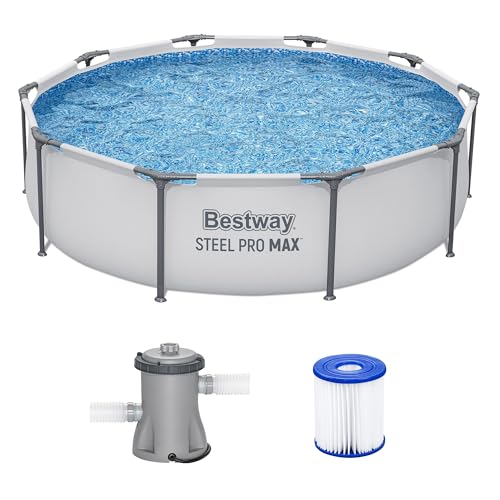
Fun Backyard Pool: Create lasting summer memories with the Bestway Steel Pro MAX 10 ft. x 30 in. above ground swimming pool; holds 1,236 gallons of water (90%).

Complete Backyard Pool Experience: Create lasting summer memories with the Bestway Steel Pro MAX 15 ft. x 48 in. above ground swimming pool; holds 4,231 gallons of water (90%).

Fun Backyard Pool: Create lasting summer memories with the Bestway Steel Pro MAX 12 ft. x 30 in. above ground swimming pool; holds 1,710 gallons of water (90%).
Local Regulations
Check your local building codes before placing your pool. Most areas require at least 10 feet between the pool and any structure, like your house. Some regions may have specific setbacks that vary based on pool size or type. Contact your local zoning office to ensure compliance and avoid potential fines or removal.
Manufacturer Guidelines
Refer to the manufacturer’s specifications for your specific pool model. Many manufacturers suggest a minimum distance of 5 to 10 feet from any structure for optimal maintenance and safety. Positioning your pool within this range can facilitate easier access for cleaning and repairs while reducing the risk of any damage to your home. Always review the installation manual to follow the guidelines designed for your pool’s features.
Factors Influencing Distance
Understanding the factors influencing how far your above-ground pool should be from your house can significantly impact your pool’s safety and functionality.
Recommended Products

MADE IN THE USA: Confer 7200 RollGuard A-frame safety ladder makes it easy to enter and exit your pool and accommodates pool heights from 48 to 56 inches tall; Supports up to 300 pounds

WATER MOTION SENSOR – Be prepared and armed with the PoolEye Immersion Pool Alarm. With its underwater motion sensor, PoolEye provides an extra layer of protection when it comes to pool safety

Anti-Floating Stability:Once positioned in the water, the ladder remains securely anchored for a stable and reliable experience. It is designed with a dual-reinforcement system, featuring stone-fill side panels and water-fill able treads and baffles for enhanced balance and support.
Property Size
Consider your property size when determining the distance for your above-ground pool. A larger yard may allow for greater flexibility in placement. Leave enough space for activities around the pool, such as lounging and walking. On smaller properties, ensure the pool doesn’t dominate the available space. Ideally, maintain a distance of at least 10 feet from the house if your yard permits. This distance promotes ease of movement and reduces the risk of water runoff affecting your home’s foundation.
Local Climate Conditions
Local climate conditions also play a crucial role in determining the distance. In areas with heavy rainfall or flooding, increase the space between the pool and the house to protect from water pooling near the foundation. In colder regions, consider placement based on sunlight exposure to maximize heating from the sun. Position the pool on the sunniest side of your yard. This can enhance water temperature and the overall swimming experience. Additionally, monitor local regulations regarding flooding mitigation, as these may dictate specific placement requirements.
Conclusion
Finding the right distance between your above-ground pool and your house is key to creating a safe and enjoyable space. By considering factors like property size and local climate you’ll ensure your pool fits perfectly into your yard. Remember to keep an eye on local regulations and manufacturer guidelines to make the best choice for your setup.
With the right planning you can enjoy countless sunny days by the pool while keeping your home protected. So grab your sunscreen and get ready for some fun in the water!
Frequently Asked Questions
What is the recommended distance between an above-ground pool and a house?
The typical recommended distance between an above-ground pool and a house is between 5 to 10 feet. This space ensures safety, allows for maintenance access, and provides adequate drainage.
Why is distance important for pool placement?
Proper distance between your pool and house enhances safety, relieves drainage issues, and prevents potential damage from splashing or flooding. It also maximizes sunlight exposure for warming the pool.
How does property size affect pool placement?
A larger yard offers more flexibility in pool placement, allowing homeowners to select a distance that optimizes safety, drainage, and enjoyment, while smaller properties may have limited options.
What role do local climate conditions play in pool placement?
Local climate factors, such as heavy rainfall or colder temperatures, influence where you should place the pool. They guide decisions on drainage, protection from potential flooding, and maximizing sunlight.
Are there regulations I need to follow for pool placement?
Yes, it’s essential to adhere to local regulations and guidelines, particularly regarding flooding mitigation. Check with your local authority to ensure compliance for safe and proper pool placement.