Have you just shocked your pool and are now staring at the cloudy water, wondering when it’ll clear up? You’re not alone. Many pool owners face this frustrating moment after adding shock treatment, hoping for a quick turnaround.
Understanding how long it takes for your pool to clear can save you time and keep your swimming plans on track. In this article, you’ll learn what factors influence the clearing process and get tips to speed it up. With the right knowledge, you can enjoy a crystal-clear pool in no time.
Table of Contents
Key Takeaways
- Timeframe for Clarity: After shocking your pool, expect it to clear up within 24 to 48 hours, depending on various factors.
- Impact of Water Temperature: Warmer water can slow down chlorine effectiveness, leading to extended clearing times; optimal shocking occurs between 70°F and 80°F.
- Chemical Balance: Maintaining proper pH (7.2 to 7.8) and total alkalinity (80 to 120 ppm) is essential for efficient chlorine performance and faster clarity.
- Debris Management: Regular skimming and cleaning can reduce contaminants that may prolong the clearing process, ensuring a quicker return to crystal-clear water.
- Filtration Efficiency: Run your pool filter continuously for at least 24 hours post-shock and keep it in optimal condition to facilitate effective water circulation and clarity.
- Type of Shock Matter: Different shock treatments (chlorine vs. non-chlorine) have varying speeds and effectiveness, with liquid chlorine generally providing quicker results.
Understanding Pool Shock
Pool shock is a crucial part of maintaining clear and healthy swimming water. It involves adding a concentrated dose of sanitizer or oxidizer to your pool to address contaminants and improve water clarity.
What Is Pool Shock?
Pool shock refers to the process of dramatically increasing the levels of chlorine or other sanitizing agents in the water. This raises the residual sanitizing power, eliminating bacteria, algae, and any contaminants. Shock treatments are essential after heavy use, rainstorms, or when water looks cloudy.
- Chlorine Shock: This type uses calcium hypochlorite or sodium hypochlorite as its active ingredient. Chlorine shock rapidly kills bacteria and algae, making it a popular choice for regular maintenance.
- Non-Chlorine Shock: This involves potassium peroxymonosulfate as an active ingredient. Non-chlorine shock breaks down contaminants without raising chlorine levels significantly, making it suitable for regular use between chlorine shocks.
- Dichlor Shock: A type of chlorine shock that dissolves quickly, dichlor contains a stable form of chlorine. It’s ideal for outdoor pools and requires no additional stabilizers.
- Liquid Chlorine Shock: This type is less concentrated but provides an immediate boost in available chlorine. It mixes easily and quickly, allowing for immediate pool use.
Understanding these types of shock helps you choose the right product based on your pool’s needs and water conditions.
Factors Affecting Pool Clarity
Several factors affect how quickly your pool clears up after shocking. Understanding these elements helps you manage expectations and take proper actions.
Recommended Products
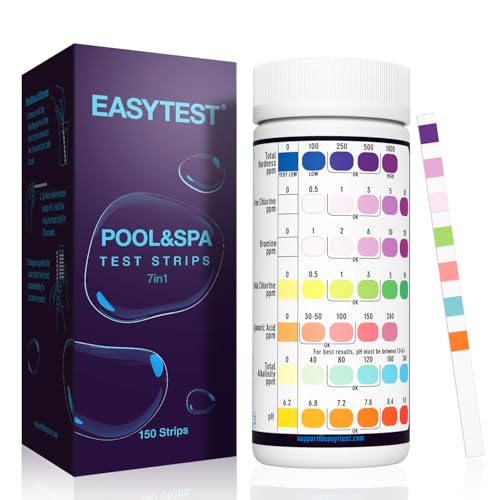
AFFORDABLE 150 STRIPS: This water chemical testing kit contains 150 test strips. Enough balanced for your swimming pool, hot tub, spa and other water testing. At least testing twice a week is recommended to keep your pool sparkling clean and safe.

AFFORDABLE 7-IN-1 POOL TESTING KIT: Our 100 pool test strips provides an affordable, all in one pool water testing kit for various chemicals including Free Chlorine, Alkalinity, pH levels and more!

Fresh, Accurate Pool Test Strips - AquaChek Yellow Chlorine 4-in-1 includes 50 precision test strips—perfect for a full season of reliable water testing for pools and spas that use chlorine. No expired extras, no bulky packs—just fresh, accurate results from AquaChek, the most trusted brand in pool and spa water testing.
Water Temperature
Water temperature plays a significant role in how efficiently chlorine works. Warmer water allows chlorine to dissipate faster, which means it can become less effective at combating contaminants. Typically, the ideal water temperature for shocking ranges from 70°F to 80°F. If your pool temperature is above 80°F, expect a slower clearing process due to increased algae growth. Regularly check and maintain water temperature to optimize the effectiveness of your shock treatment.
Chemical Balance
Chemical balance is crucial for achieving a clear pool. The pH level, total alkalinity, and chlorine levels should sit within recommended ranges. Ideally, your pH level should be between 7.2 and 7.8. Low pH can cause chlorine to oxidize quickly, while high pH can reduce its effectiveness. Total alkalinity should remain between 80 and 120 ppm (parts per million) to help stabilize pH levels. Regularly testing and adjusting these chemicals ensures that your shock treatment works efficiently, leading to faster clarity in your pool water.
How Long After Shocking Pool Will It Clear Up?
After shocking your pool, expect it to clear up within 24 to 48 hours. However, some factors can speed up or slow down this process.
Recommended Products

Pool Algae Treatment: Our Pool Algaecide and Clarifier is specially formulated to treat existing algae while providing long-lasting defense against stubborn growth, ensuring that your pool remains clear and algae-free for an extended period of time.

BENEFITS: Clears up dull, cloudy or hazy pool water so you can relax in crystal clear water all summer long

Super Water Clarifier: Clorox Pool&Spa Swimming Pool Super Water Clarifier is a concentrated solution that clears dull, hazy, or cloudy pool water, leaving it sparkling clear. Ideal for restoring the clarity and sparkle of your pool.
General Timeframe
The initial clarity of your pool often returns within 24 hours. In some cases, achieving optimal clarity may take up to 48 hours, depending on various conditions. Monitoring the water’s condition after shocking will help ensure the best results.
- Water Temperature: Warmer water can impact chlorine effectiveness, potentially extending the time required for clear water. Cooler water may enhance clarity faster.
- Chemical Balance: Maintaining proper pH, total alkalinity, and chlorine levels accelerates the clearing process. Ideal pH levels between 7.2 and 7.6 optimally support chlorine efficiency.
- Pool Size: Larger pools may require more time to clear up than smaller ones due to the volume of water being treated.
- Debris Level: High levels of debris or contaminants can prolong the clearing time. Regular skimming and cleaning can reduce these issues.
- Type of Shock Used: Different types of shock, such as chlorine shock or non-chlorine shock, have varying effectiveness. Liquid chlorine often acts quickly compared to granular forms.
By considering these factors, you can better anticipate when your pool water will return to its clear state.
Steps to Ensure Quick Clarity
After shocking your pool, taking specific steps boosts the clarity of your water. Follow these guidelines for quicker results.
Recommended Products

BENEFIT: Shock treat, sanitize, clarify, and help prevent bacteria and algae in your swimming pool water, all with this convenient, easy-to-use product

6 in 1 Formula: Kills bacteria and algae to maintain a clear swimming pool. Our algae-fighting formula prevents algae for crystal-clear water. Destroys contaminants to aid filter performance and clear dull, cloudy water

BENEFITS: Stay all clear for cannonballs; This fast-dissolving, convenient 4-in-1 formula kills bacteria and algae, reduces chlorine odor and irritation, and quickly restores crystal clarity
Proper Filtration
Maintain your pool’s filter system in optimal condition. Run the filter continuously for at least 24 hours after shocking. If your pool has a multi-speed pump, keep it on high speed during this period. Regularly clean or backwash the filter to remove trapped debris. Consider using a skimmer net to remove larger particles. Good filtration ensures efficient water circulation and aids in removing contaminants.
pH and Alkalinity Levels
Check and adjust your pool’s pH and alkalinity levels promptly. Ideal pH ranges between 7.4 and 7.6. Alkalinity should be between 80 and 120 ppm (parts per million). Use a reliable test kit to assess these levels before adding treatments. If levels are off, add the appropriate chemicals to restore balance. Proper pH and alkalinity enhance chlorine’s effectiveness, speeding up water clearing.
By following these steps, you can create a pristine swimming environment much faster.
Conclusion
Getting your pool back to its sparkling best after shocking doesn’t have to be a long wait. With the right steps and a little patience you can enjoy clear water in no time. Remember to keep an eye on your chemical levels and run your filter continuously for optimal results.
By taking care of your pool’s needs you’ll not only speed up the clearing process but also create a safe and inviting space for you and your loved ones. So dive in and enjoy your refreshing oasis once it’s ready!
Frequently Asked Questions
What is pool shock and why is it important?
Pool shock is a concentrated sanitizer or oxidizer used to eliminate contaminants in swimming pools. It plays a crucial role in maintaining clear and healthy water by breaking down organic matter and sanitizing the pool, preventing algae growth and ensuring safe swimming conditions.
What are the different types of pool shock?
There are several types of pool shock, including chlorine shock, non-chlorine shock, dichlor shock, and liquid chlorine shock. Each has unique properties and advantages, such as varying speed of action and chlorine content, which cater to different pool maintenance needs.
How does temperature affect pool clarity after shocking?
Warmer water can slow down the process of restoring pool clarity after shock treatment. This is because higher temperatures can increase the rate of chemical reactions, but may also prolong the shock’s effectiveness. Proper balance and cooler temperatures can help clarity return more quickly.
How long does it take for pool water to clear up after shocking?
Typically, pool water clarity can return within 24 to 48 hours after treatment. Factors such as water temperature, type of shock used, and maintaining chemical balance can influence how quickly clarity is restored.
What steps can I take to speed up clarity after shocking?
To ensure quicker clarity post-shocking, run the pool filter continuously for at least 24 hours, adjust pH and alkalinity levels within recommended ranges, and use a skimmer net to remove debris. These actions help maintain clean and clear water more rapidly.