Wondering how long your inground pool filter will last? You’re not alone. Many pool owners face this question, especially when it’s time for maintenance or repairs. A filter is crucial for keeping your pool water clean and clear, so understanding its lifespan can save you time and money down the line.
Imagine enjoying a sunny day by your pool, only to find the water cloudy or dirty. Knowing when to replace or clean your filter can help you avoid those frustrating moments. In this article, you’ll learn about the average lifespan of different types of inground pool filters, factors that affect their longevity, and tips for extending their life. With this knowledge, you can keep your pool in top shape and enjoy those perfect summer days worry-free.
Key Takeaways
- Average Lifespan: Inground pool filter types vary in lifespan, with sand and DE filters lasting around 5 to 7 years, while cartridge filters typically last 2 to 5 years.
- Maintenance Importance: Regular maintenance, such as backwashing sand filters every 4-6 weeks and cleaning cartridge filters every 4-6 months, is crucial to extend filter life.
- Key Influencing Factors: Factors like water chemistry, frequency of pool usage, and overall maintenance practices significantly affect how long your filter will last.
- Signs of Replacement Needed: Look for decreased water flow, unusual noises, or increased energy costs as indicators that your pool filter may need replacement.
- Longevity Tips: To maximize filter lifespan, maintain a regular cleaning schedule, check water chemistry regularly, and invest in a high-quality filter suited for your pool’s size.
- Energy Efficiency Matters: Choosing energy-efficient filters not only saves on electricity costs but also reduces wear and tear on your filtration system, promoting longevity.
Understanding Inground Pool Filters
Understanding inground pool filters involves knowing their types and how long they typically last. Proper maintenance ensures your pool remains clean and inviting.
Recommended Products

Sand Filter System - The Filter are perfectly engineered to provide optimum flow rates that promotes clean water quality. Precision-engineered umbrella fold self-cleaning lateral system provides efficient flow and evenly distributed water for totally balanced backwashing and long-lasting performance
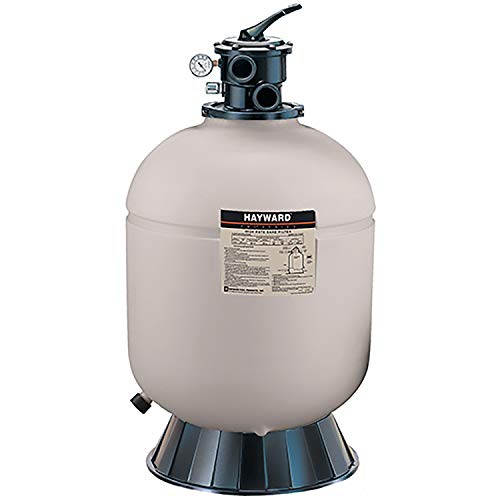
ALL-WEATHER PERFORMANCE: 18 in. Above-Ground Hayward Pool Filter features durable, corrosion-proof materials for dependable performance in any weather

Swim in Clear Water Anytime: This high-performance sand filter circulates up to 50 GPM for smooth water flow and fast cleaning. Enjoy fresh, clear pool water whenever you’re ready to dive in—no long waiting for filtration
Types of Inground Pool Filters
- Sand Filters: These utilize sand as the filtration medium. They last about 5 to 7 years with proper maintenance like regular backwashing.
- Cartridge Filters: These use a pleated filter element to trap dirt. Their lifespan ranges from 2 to 5 years, depending on usage and cleaning frequency.
- Diatomaceous Earth (DE) Filters: DE filters offer superior filtration and can last 5 to 7 years. They require periodic cleaning and refilling with DE powder.
| Filter Type | Average Lifespan | Maintenance Frequency |
|---|---|---|
| Sand Filters | 5 to 7 years | Backwash every 4-6 weeks |
| Cartridge Filters | 2 to 5 years | Clean every 4-6 months |
| Diatomaceous Earth Filters | 5 to 7 years | Replenish DE every 6 months |
Factors such as water chemistry, frequency of use, and environmental conditions impact lifespan. By keeping an eye on these factors, you can maximize the longevity of your pool filter.
Factors Influencing Filter Lifespan
Understanding the factors influencing your inground pool filter’s lifespan helps maintain optimal performance. Key elements include usage frequency, maintenance practices, and water chemistry. Here’s a closer look at each of these factors.
Frequency of Use
Usage frequency plays a vital role in filter wear and tear. More frequent swimming increases the load on the filter, leading to faster degradation. For instance, if you use your pool several times a week during summer, expect the filter to reach its lifespan faster than if used sparingly. Seasonal pools see less wear since they might not operate year-round.
Maintenance Practices
Proper maintenance significantly extends your filter’s life. Regular cleaning and timely repairs reduce strain on the system. For sand filters, backwashing every 4-6 weeks is crucial. Cartridge filters benefit from cleaning every 4-6 months, while DE filters require DE powder replenishment every 6 months. Additionally, routine inspections help catch issues early, preventing more extensive damage down the line.
Water Chemistry
Water chemistry affects filter performance and longevity. Imbalanced pH levels or high chlorine concentrations can lead to faster breakdown of filter materials. Regularly testing and adjusting your pool’s chemical balance is important. For example, keeping pH between 7.2 and 7.8 helps protect filter components. Monitoring total alkalinity and calcium hardness levels also contributes to overall filter health.
Signs Your Pool Filter Needs Replacement
Recognizing when your pool filter needs replacement is crucial for maintaining clean and clear water. Watch for these signs indicating that it’s time to consider a new filter.
Recommended Products

Heavy Duty: This weighted pool filter basket is designed to be very rugged even in extreme weather conditions. This pool skimmer baskets for inground pools can hold up to 30 lbs of debris.

Product:1* skimmer basket with handle, Size: top OD: 7", bottom OD: 6.6", depth: 5"
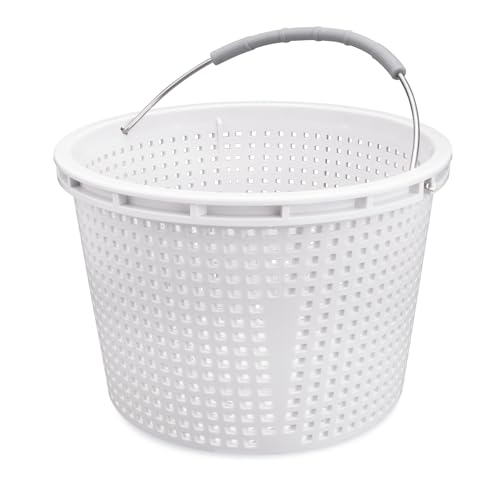
COMPATIBILITY: Direct replacement for Pentair U-3 (08650-0007) and Hayward SPX1070E skimmer baskets, perfect for inground pools with precise dimensions of 8 1/8" top diameter and 6.5" bottom diameter
Decreased Water Flow
Decreased water flow is often the first sign of a failing filter. If you notice the return jets producing less water than usual, it signals potential issues. Low water flow may stem from clogged or damaged filter components. Test the water flow rate; if it’s significantly lower than expected, consider replacing the filter.
Unusual Noises
Unusual noises from the pool filter can indicate underlying problems. If you hear grinding, rattling, or buzzing, it’s a cause for concern. These sounds may arise from worn-out bearings, loose parts, or debris within the filter. Ignoring these noises can lead to further damage, signaling the need for replacement.
Increased Energy Costs
Increased energy costs often correlate with a malfunctioning filter. As your filter struggles to operate efficiently, it may consume more energy. Compare your recent energy bills to previous ones; a sudden spike could indicate your filter’s inefficiency. Consider replacement if energy costs rise persistently without changes in usage patterns.
Tips to Extend the Life of Your Pool Filter
Maintaining your inground pool filter properly can significantly extend its lifespan. Here are some effective strategies to help you keep your filter running smoothly.
Recommended Products
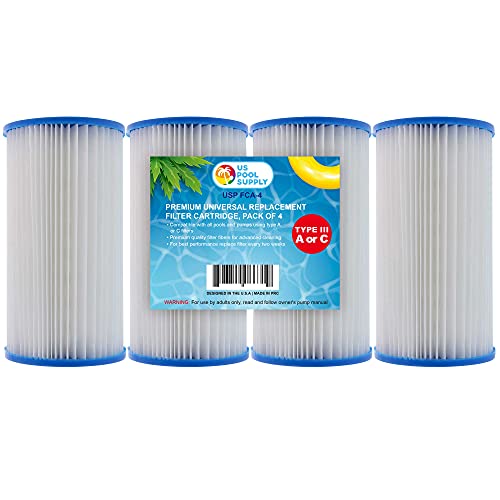
Pack of 4 Premium Quality Universal Replacement Filter Cartridges that are compatible with all above-ground pools and pumps that use type A or C filters, as well as type III filters. Filter cartridges replace Intex 59900E and 29000E filter cartridges
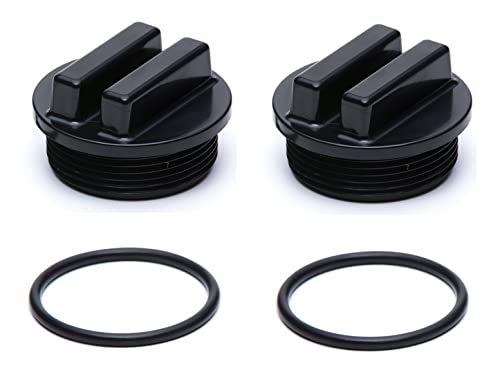
Compatible with most Hayward, Pentair, Waterway and other brand of pool filters, Ideal winterizing plug for Above-ground and In-ground pools during winter season
Regular Maintenance Routines
- Clean the Filter Regularly: Schedule cleaning based on your pool usage. For sand and DE filters, backwash every 4-6 weeks. For cartridge filters, rinse cartridges monthly.
- Check Water Chemistry: Balance your pool’s pH, alkalinity, and chlorine levels weekly. Proper water chemistry reduces strain on the filter.
- Inspect for Debris: Regularly examine the skimmer and pump baskets for leaves and debris. Keeping these clear promotes optimal water flow.
- Monitor Pressure: Keep an eye on the pressure gauge. If it rises 8-10 psi above normal, it’s time to clean the filter.
- Invest in a High-Quality Filter: Select filters from reputable brands known for durability. A reliable filter typically lasts longer.
- Use Appropriate Replacement Parts: When replacing parts, opt for manufacturer-approved components. Quality parts enhance performance and longevity.
- Select the Right Size: Ensure your filter matches your pool’s size and volume. An adequately sized filter operates more efficiently, reducing wear and tear.
- Consider Energy Efficiency: Choose energy-efficient models. They not only save on electricity but also lessen the load on your filter system.
Implementing these tips can keep your pool filter in top shape, ensuring your pool remains clean and inviting.
Conclusion
Taking care of your inground pool filter is essential for keeping your pool water clean and enjoyable. By understanding its lifespan and the signs of wear, you can make informed decisions about maintenance and replacement.
Remember that regular upkeep and choosing quality parts can significantly extend your filter’s life. With a little attention and care you’ll ensure your pool remains a refreshing oasis for years to come. Enjoy those sunny days by the pool with peace of mind knowing your filter is working hard for you!
Frequently Asked Questions
What are inground pool filters, and why are they important?
Inground pool filters are essential devices that clean and circulate water in your pool. They remove dirt, debris, and contaminants, ensuring the water remains clear and safe for swimming. Properly functioning filters also help maintain chemical balance, enhancing the overall pool experience.
How long do different types of pool filters last?
The lifespan of pool filters varies by type: sand filters can last around 5-7 years, cartridge filters generally last 2-4 years, and diatomaceous earth (DE) filters typically last 5-7 years. Factors like maintenance and water quality also play a role in their longevity.
What are the signs that my pool filter needs replacement?
Common signs that indicate a filter may need replacement include reduced water flow, frequent clogging, cloudy water, or visible damage to the filter. If regular maintenance isn’t improving performance, it might be time to consider a replacement.
How can I extend the life of my pool filter?
To extend your pool filter’s life, maintain a regular cleaning schedule, use high-quality filters, select the right size for your pool, and utilize appropriate replacement parts. Additionally, investing in energy-efficient models can reduce wear and tear.
What should I consider when choosing a pool filter?
When choosing a pool filter, consider factors such as pool size, filter type, maintenance requirements, and energy efficiency. Ensure the filter matches your pool’s needs for optimal performance and longevity.
Do I need to replace my filter every year?
Not necessarily. The need to replace a pool filter depends on its type, maintenance, and water quality. Regular inspections and maintenance will help you determine when it’s time for a replacement, but every 2-7 years is a general guideline.