Have you ever wondered how long the sand in your pool filter lasts? It’s a common concern for pool owners. Over time, the sand can lose its effectiveness, leading to cloudy water and increased maintenance.
Knowing when to replace the sand can save you time and money while keeping your pool sparkling clean. This article will help you understand the lifespan of pool filter sand and the signs that indicate it’s time for a change. By the end, you’ll feel confident in maintaining your pool’s filtration system and ensuring a refreshing swim all summer long.
Key Takeaways
- Lifespan of Pool Filter Sand: Typically lasts between 3 to 5 years, influenced by factors such as water chemistry, usage frequency, and sand quality.
- Signs of Replacement: Key indicators include increased filter pressure, persistently cloudy water, and unusual tastes or smells in the pool water.
- Importance of Quality Sand: High-quality, certified pool filter sand ensures effective filtration and longevity, preventing cloudy water and extra maintenance costs.
- Regular Maintenance: Routine backwashing and monitoring sand condition can prolong sand life and optimize pool water clarity and quality.
- Environmental Impact: External factors like rain, debris, and chemical run-off can accelerate sand degradation, highlighting the need for regular checks.
Understanding Pool Filter Sand
Pool filter sand plays a crucial role in maintaining clean and clear water. Knowing its properties and importance can enhance your pool experience and ensure proper filtration.
What Is Pool Filter Sand?
Pool filter sand is a specific type of sand composed mainly of quartz. This sand is angular, which allows it to trap dirt, debris, and contaminants effectively as water flows through the filter. The recommended size for pool filter sand is typically between 0.45 and 0.55 millimeters in diameter, which promotes efficient filtration while minimizing clogging.
Importance of Quality Sand
Quality sand is essential for optimal pool filtration. High-quality sand resists compaction, ensuring even water flow and effective trapping of impurities. Sand with impurities, like clay or silt, can lead to cloudy water and increased maintenance costs. Regularly testing your pool water helps identify when it’s time to change the sand. Clean, well-maintained sand can last anywhere from 3 to 5 years, depending on usage and care. Always choose certified pool filter sand for the best results.
Lifespan of Pool Filter Sand
Pool filter sand typically lasts between 3 to 5 years. Understanding the factors influencing this lifespan helps you manage your pool maintenance effectively.
Recommended Products

Premium Pool Pump Sand – Designed to enhance the cleanliness and appearance of your inground pool, our filter sand is compatible with all pool sand filtration systems. It effectively captures particles such as dirt, leaves, hair, and small debris.

Sand Filter Pump: Designed with dimensions of 21.26"L x 12.8"W x 22.05"H to perfectly blend entertainment and relaxation

MATERIAL:1400 grams (3 lbs) Fibre Filter Balls are made of polyester, polypropylene ball filters and acrylic fibres. Flexible, non-toxic and stable. 3Lbs of filter balls is equivalent to 100Lbs of filter sand.
Factors Affecting Sand Longevity
- Water Chemistry: Imbalanced pH or high total dissolved solids can degrade sand quality, leading to faster deterioration.
- Frequency of Use: More frequent pool usage increases debris and contaminants, which can wear down the sand more quickly.
- Type of Sand: Using quality, certified pool filter sand made from angular quartz enhances durability compared to lower-quality alternatives.
- Cleaning Routine: Regular backwashing and maintenance can prolong the life of the sand by removing trapped particles and preventing compaction.
- Environmental Factors: External elements like rainfall, debris, and chemical run-off can affect how often you need to replace your sand.
Typical Lifespan of Pool Filter Sand
Pool filter sand generally functions effectively for about 3 to 5 years. Testing water clarity and flow can indicate when replacement is necessary. Consider these signs for sand replacement:
- Increased Pressure: A significant rise in filter pressure signifies clogging within the sand.
- Cloudy Water: Repeatedly cloudy water indicates the sand isn’t filtering contaminants effectively.
- Tasting or Smelling Contaminants: Any unusual taste or odor in the pool water can suggest that the sand has lost its filtration capabilities.
Regular monitoring and maintenance provide clarity on when to replace the sand, ensuring optimal filtration and water quality.
Signs Your Pool Filter Sand Needs Replacement
Recognizing when your pool filter sand needs replacement helps maintain clean and safe water. Watch for these indicators.
Recommended Products

2026 New Upgraded Cost-Effective: These pool filter media balls can efficiently replace traditional swimming pool filter sand. It is lighter, more eco-friendly, and more effective. What's more, filter balls won't clog your filter, high-quality fiber filter balls can extend the life of your sand filter pump for above ground pool. 4 pounds of filter balls are equivalent to 150 pounds of filter sand, which can meet your needs and replacement, provide a nice pool experience for you

【Environmentally Friendly】Pool filter balls are made of a recyclable material that is environmentally friendly and aligns with the concept of sustainable development. The use of polyester filter material helps reduce the impact on the environment. Multiple uses also save you money.

Efficient and Low Loss: Made from polyester fiber, our filter balls are reusable. They can be used as a replacement for filter cartridges in swimming pool filtration systems, offering exceptional filtration efficiency. They effectively adsorb suspended particles, sediments, and impurities in the pool. With excellent permeability, water can flow through the filter balls swiftly without causing clogging. This allows for faster water circulation and purification
Decreased Filtration Efficiency
You might notice slower water flow in your pool. This often signals decreased filtration efficiency. If your pump runs longer, or you find debris accumulating more frequently, it’s time to inspect the sand. Sand that has clumped together or broken down cannot filter effectively. Regularly check for these signs, especially after heavy use or storms.
Cloudy Water Issues
You might see cloudy water despite maintaining your pool properly. This often results from ineffective sand filtration. If your chemical levels are balanced and the water remains cloudy, the problem may lie with the filter sand. Over time, contaminants can build up on the sand, leading to filtration inadequacies. If cloudy water persists for more than a few days, consider replacing the sand to restore clarity.
Proper Maintenance for Pool Filter Sand
Maintaining your pool filter sand ensures effective water filtration and prolongs its lifespan. Regular care can keep your pool sparkling clean.
Recommended Products
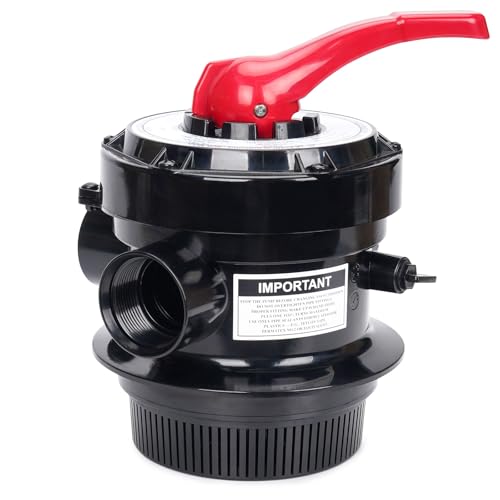
4-Way Multiport Valve for Sand Filters- Designed for compatible above-ground pool sand filter systems, this CIPU 4-way multiport valve helps control daily filtration and routine maintenance with four valve positions: Filter, Backwash, Rinse and Winter.

【Part Number】Pool filter handle part number is 273089. This pool slide valve handle can replacement for worn or breaked pentair push pull valve handle and is a professional tool for improving the efficiency of pool system maintenance and rebuilding.

Clear Function Identification: The label clearly displays the different functions of the multiport valve, such as Filter, Backwash, Rinse, Waste, Recirculate, and Closed. This clear identification helps users understand the different settings and choose the appropriate one for their task.
Regular Backwashing Techniques
Backwashing helps remove trapped dirt and debris from the sand filter. Follow these steps for effective backwashing:
- Turn off the Pump – Always power off your pool system before any maintenance.
- Set the Filter Valve to Backwash – Switch the valve to the backwash setting on your filter.
- Start the Pump – Turn the pump on and let it run for 2-3 minutes, or until the water in the sight glass runs clear.
- Switch to Rinse Mode – Change the filter valve to rinse and run the pump for 1 minute to settle the sand.
- Return to Filter Mode – Set the valve back to the filter position and resume normal operation.
Perform backwashing every 4-6 weeks or when the pressure gauge indicates a rise of 8-10 psi above the normal operating range.
Monitoring and Testing Sand Condition
Regularly check the condition of your pool filter sand. Look for these indicators:
- Pressure Gauge Readings – Track the pressure gauge regularly. An increase signals a dirty filter.
- Water Clarity – Evaluate the clarity of your pool water. Persistent cloudiness could mean sand replacement.
- Sand Compaction – Inspect for compacted sand, leading to reduced water flow. If sand feels hard or crusted, it’s time for a change.
- Unusual Odors – Note any strange smells emanating from the water, as this may indicate ineffective filtration.
Testing the sand every year will help determine if a replacement is necessary. If signs of degradation appear, replace the sand to maintain optimal filtration and water quality.
Conclusion
Keeping an eye on your pool filter sand is key to enjoying crystal-clear water. By understanding its lifespan and the signs that indicate it’s time for a change, you can avoid headaches down the road. Regular maintenance and monitoring will help you get the most out of your sand filter.
Remember to check for any changes in water quality or pressure. With a little attention and care you’ll ensure your pool remains a refreshing oasis for you and your loved ones. Enjoy your swim!
Frequently Asked Questions
What is the role of pool filter sand?
Pool filter sand helps remove debris and contaminants from your pool water, ensuring it stays clean and clear. Quality sand, typically quartz-based, provides effective filtration for a longer duration.
How long does pool filter sand last?
Pool filter sand usually lasts between 3 to 5 years, depending on various factors such as water chemistry, usage frequency, and cleaning routines.
What factors affect the longevity of pool filter sand?
The longevity of pool filter sand can be influenced by water chemistry, usage frequency, type of sand, cleaning practices, and environmental conditions.
How do I know when to replace my pool filter sand?
Signs you need to replace pool filter sand include increased pressure, cloudy water, unusual tastes or odors, decreased filtration efficiency, and persistent cloudiness despite proper maintenance.
What maintenance is required for pool filter sand?
Regular backwashing is essential to maintain pool filter sand. Additionally, monitor the sand’s condition through pressure gauge readings, water clarity, and signs of compaction or unusual odors.
How can I ensure my pool filter sand is functioning effectively?
Test the sand annually to assess its condition. Keeping an eye on water clarity and pressure readings can help determine when replacement is necessary for optimal filtration.